Illustrative Tattoos & Artists
Tattoos with a drawn, storybook voice, where the artist's illustration style matters as much as the subject. Browse real illustrative tattoos and the artists making them, then request to book the one whose work fits the direction you're picturing.
What is an illustrative tattoo?
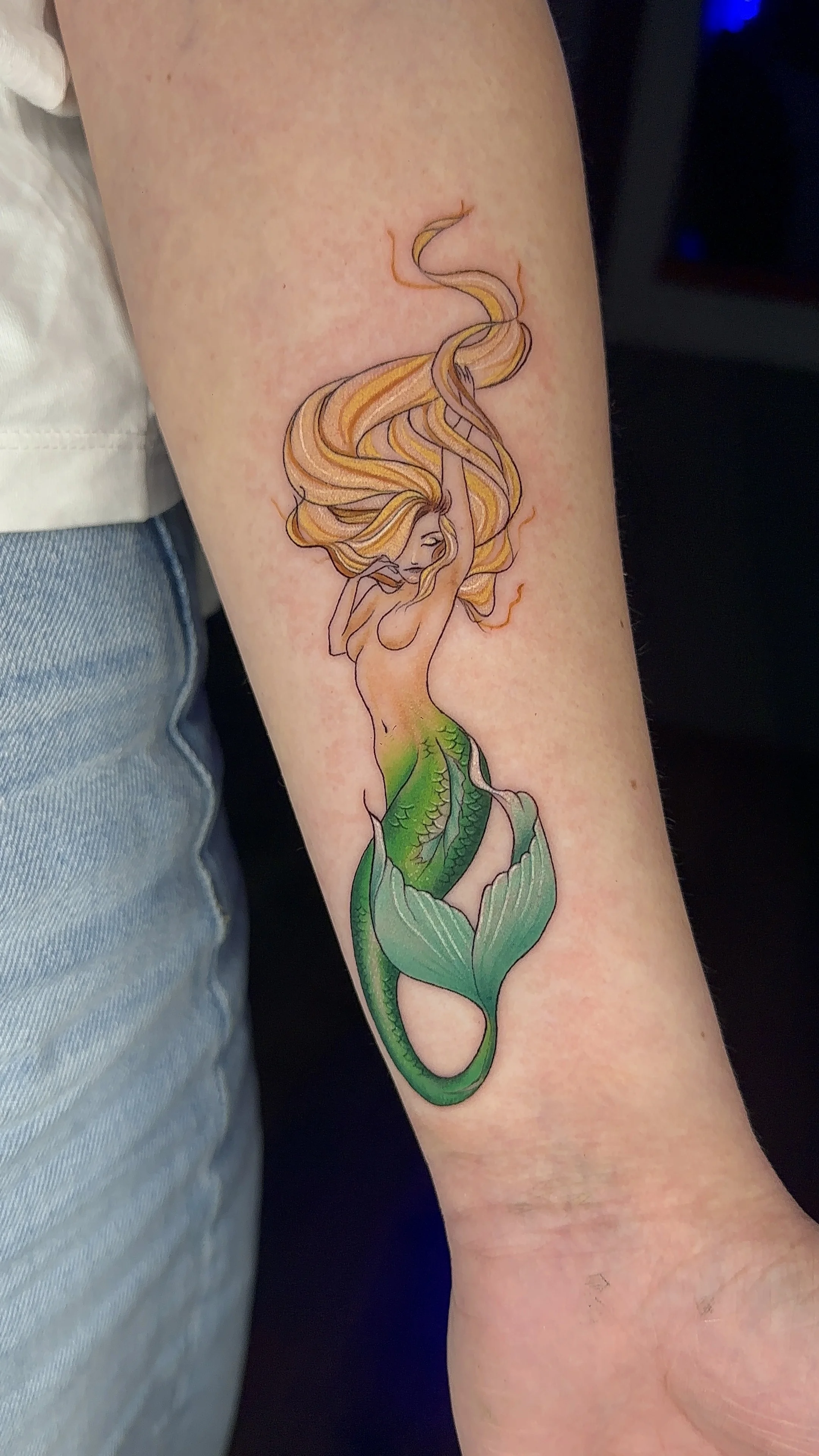
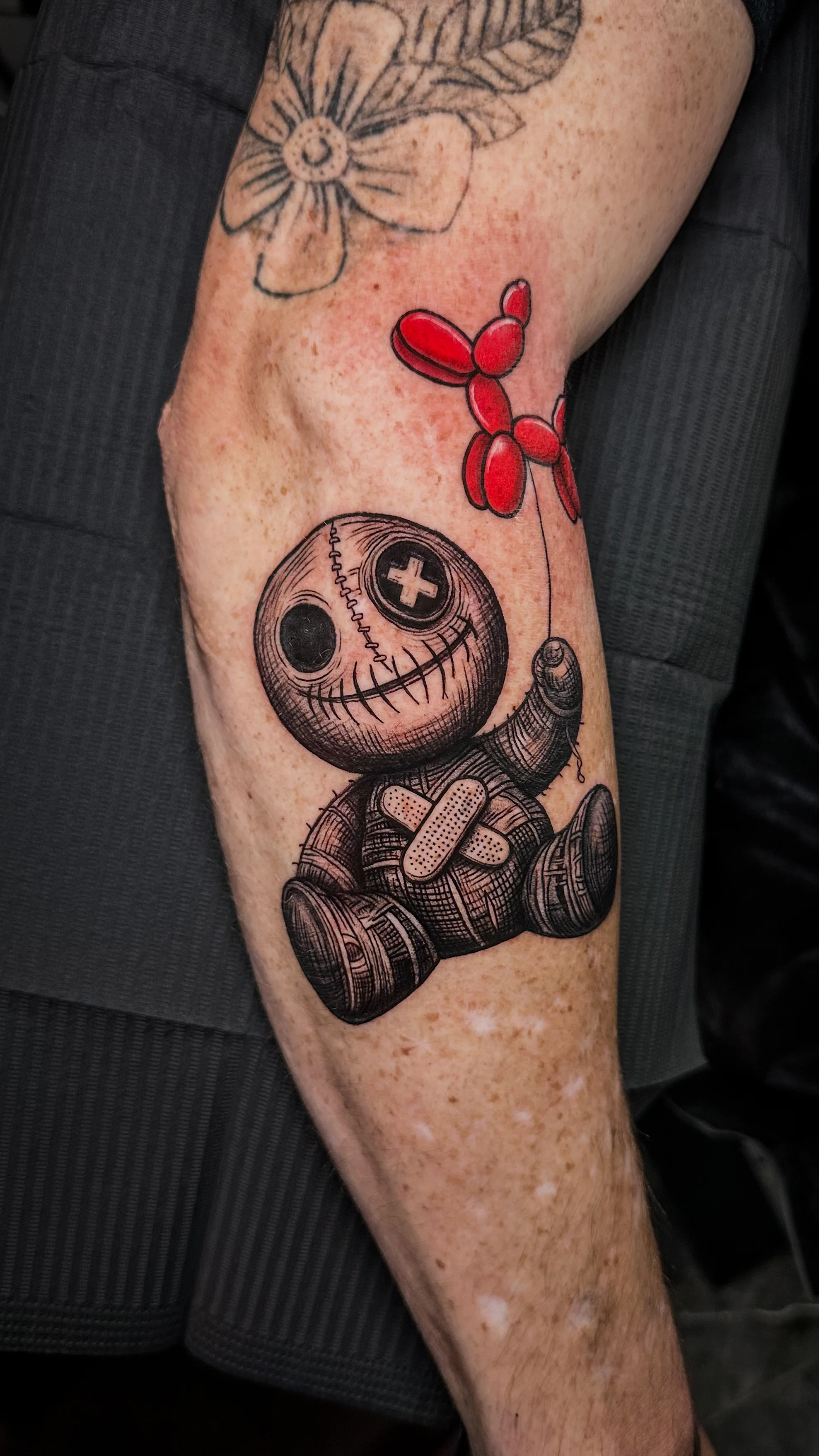
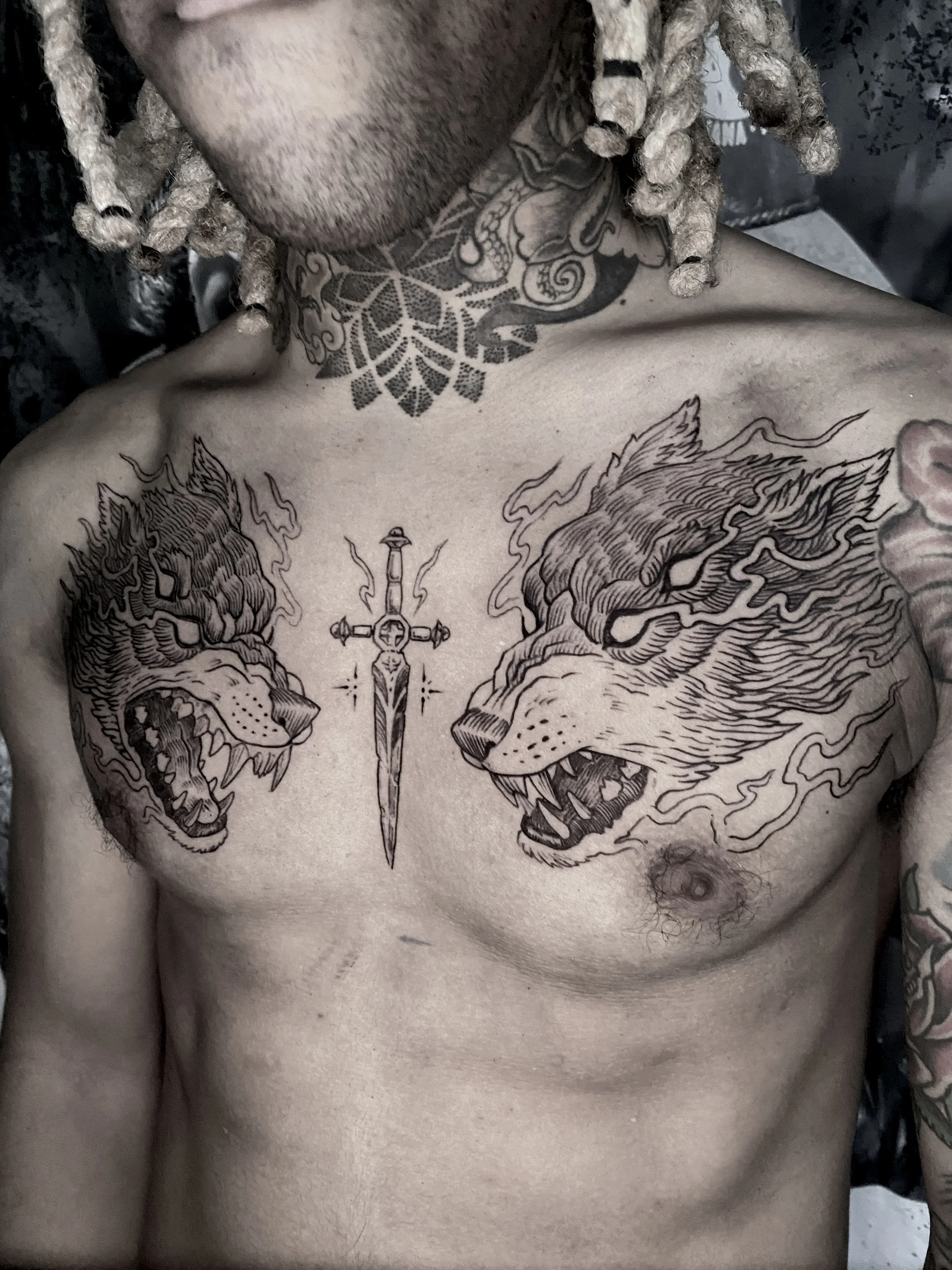
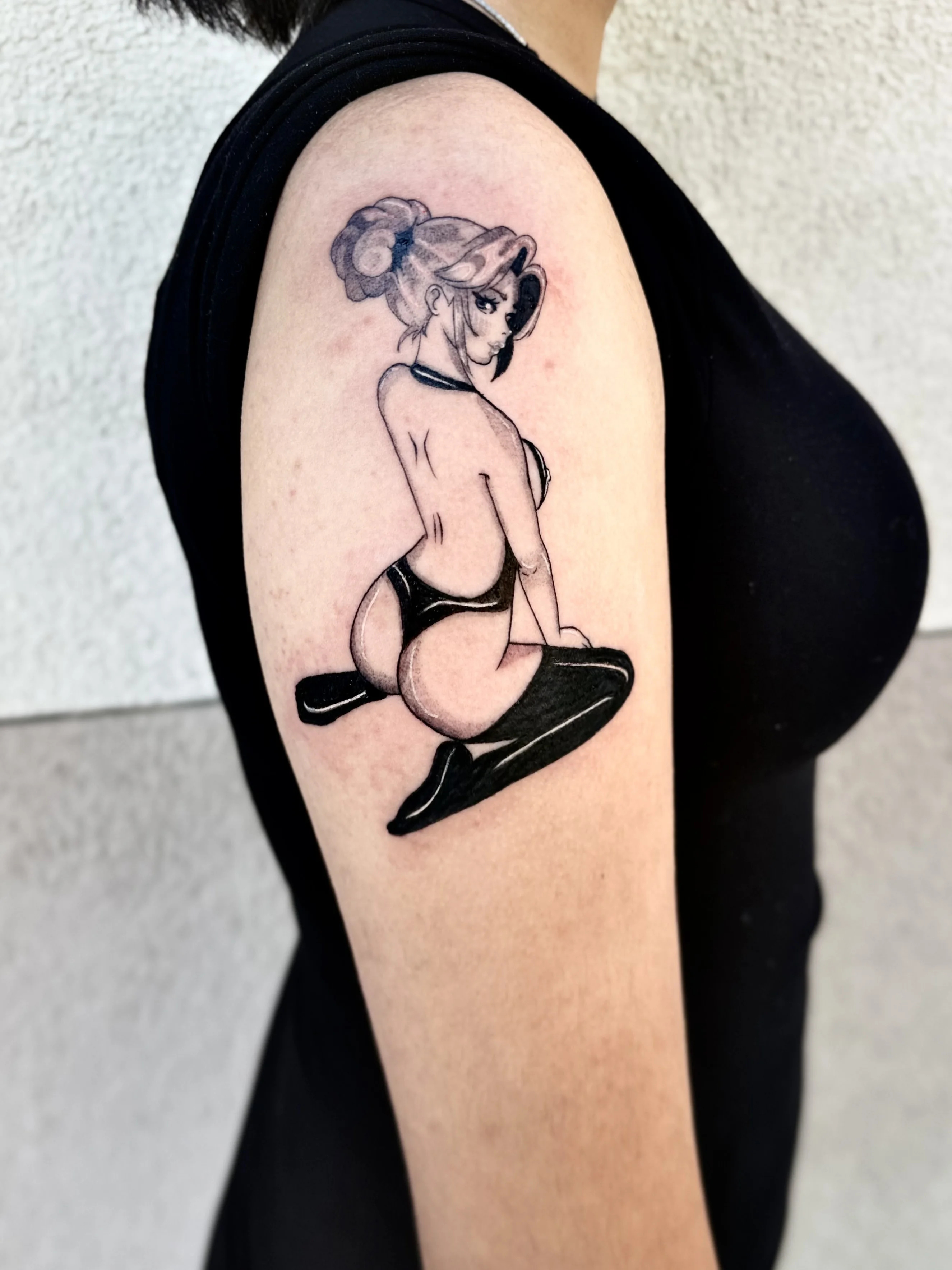
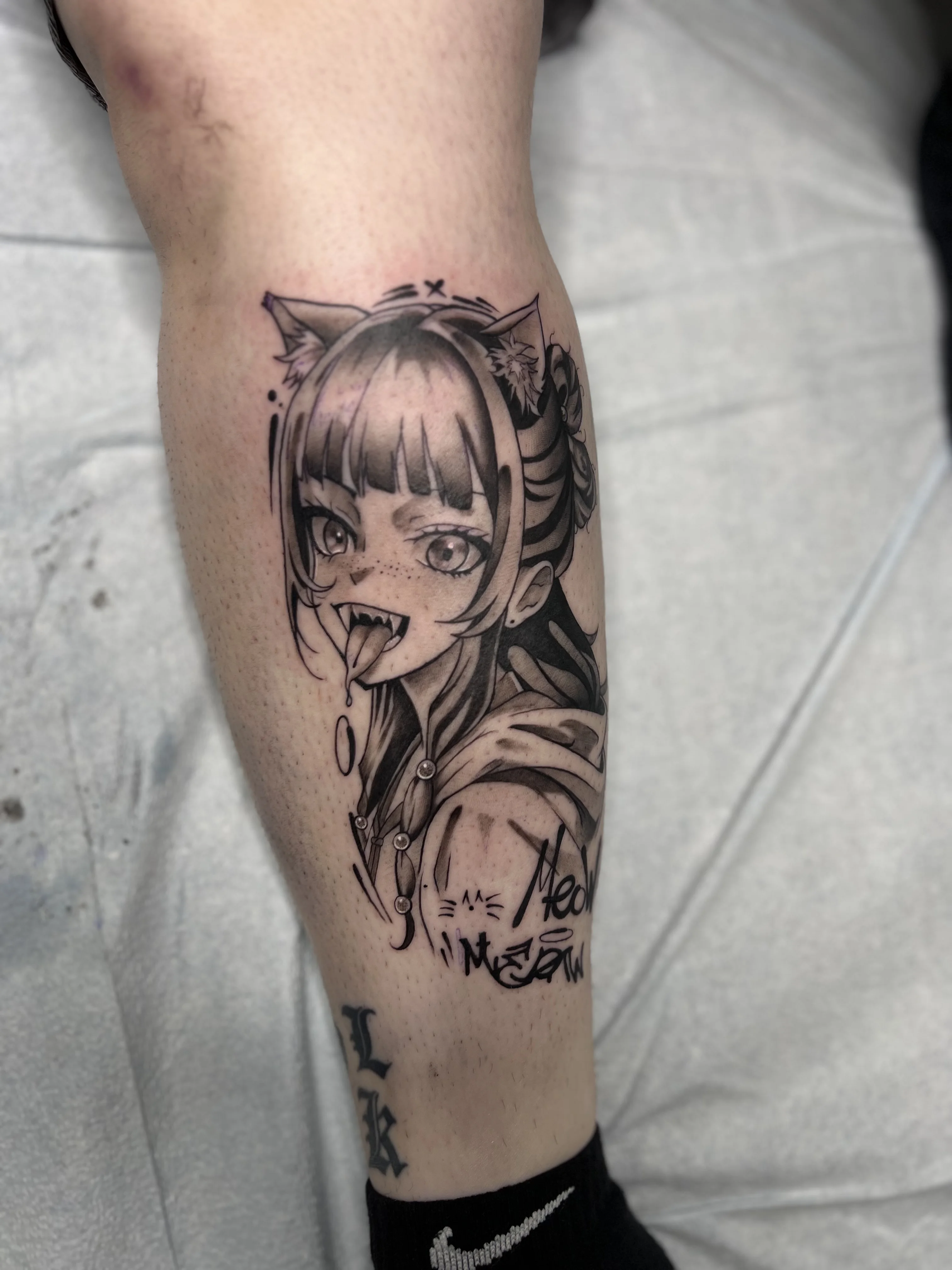
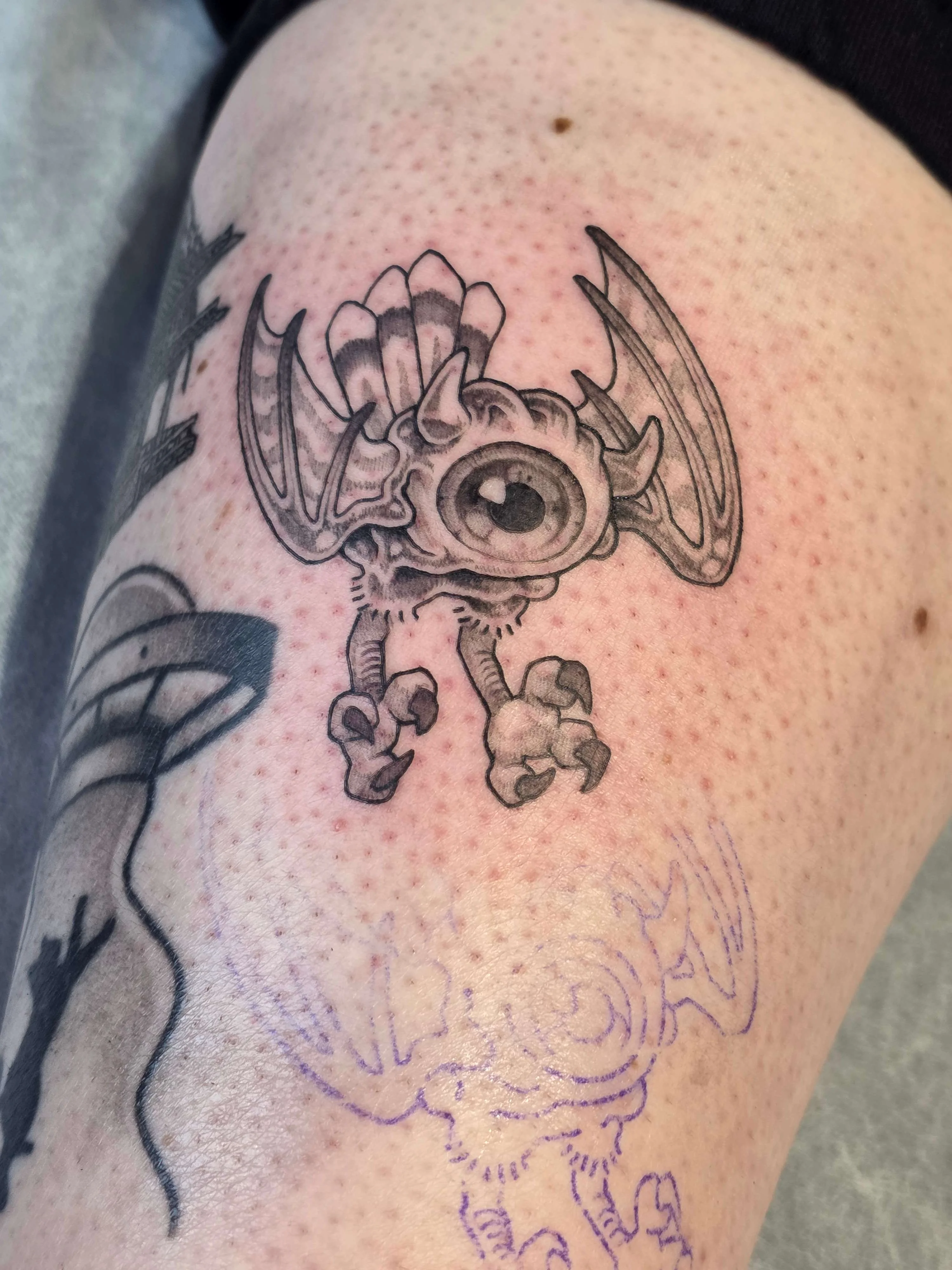
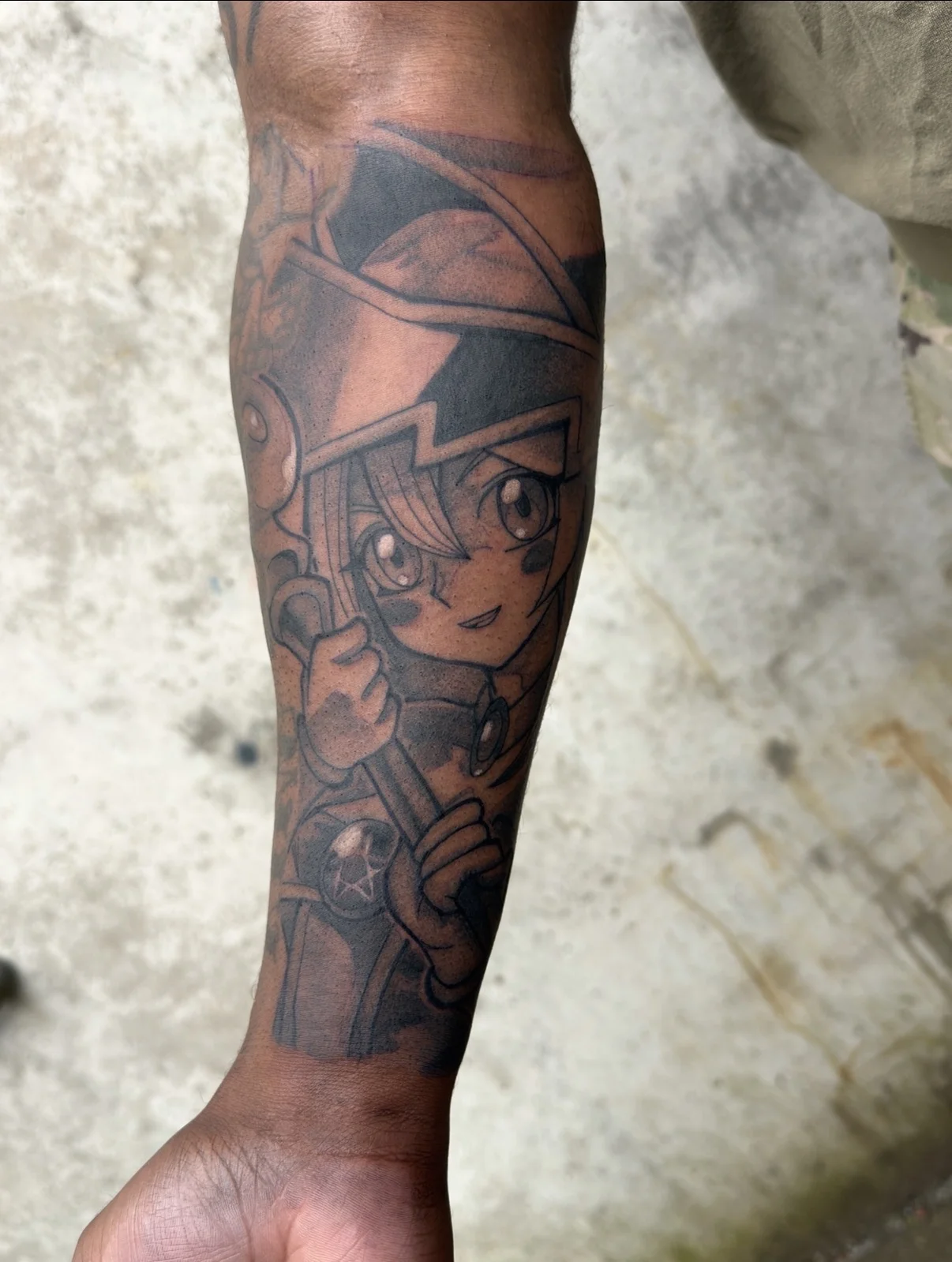
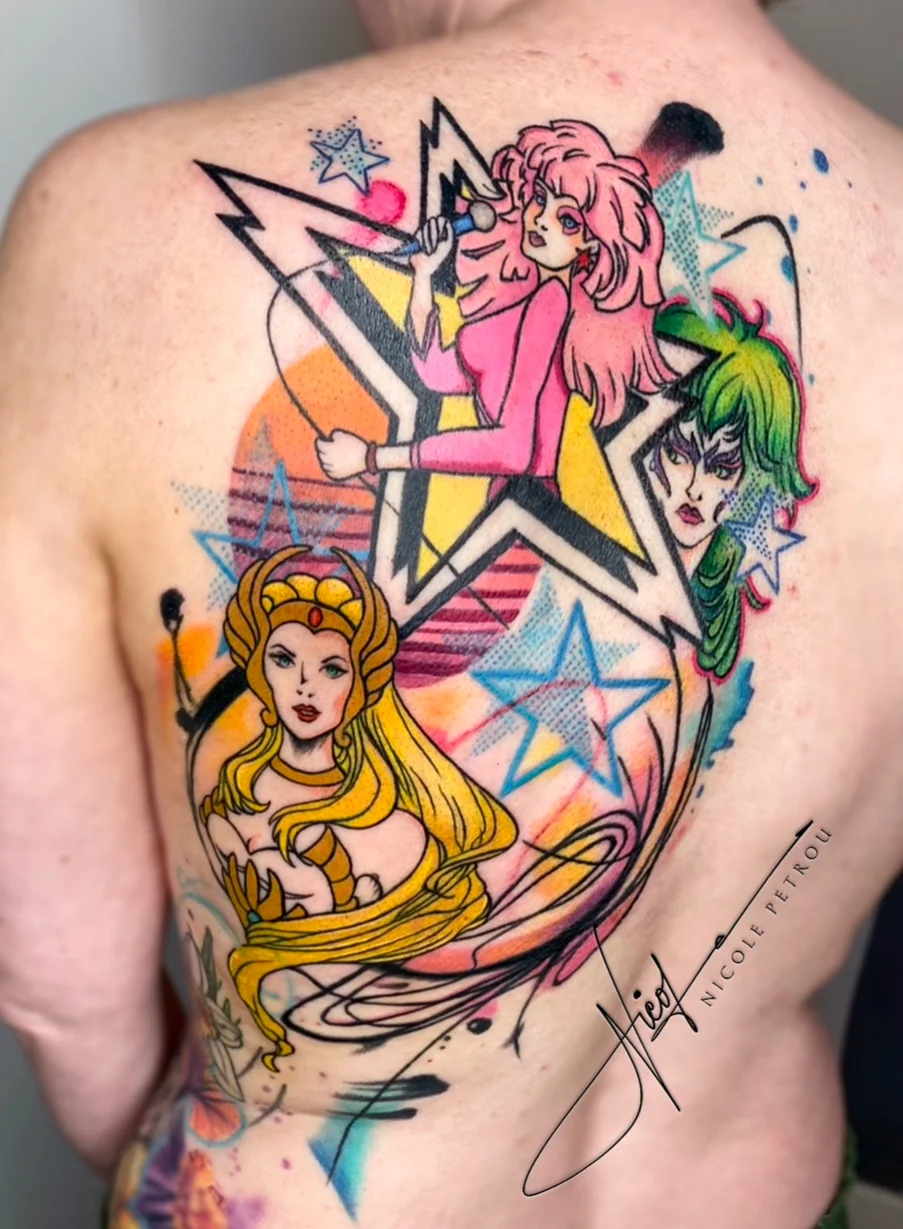
Illustrative tattooing is work that puts the artist's drawn voice ahead of photoreal accuracy. Where realism tries to render a subject exactly as a camera would see it, illustrative work translates that subject through a recognizable illustration style, the kind you'd find in a graphic novel, a children's book, a fine art print, or an editorial illustration. The result looks drawn on purpose, with linework, texture, and color choices that feel authored rather than traced.
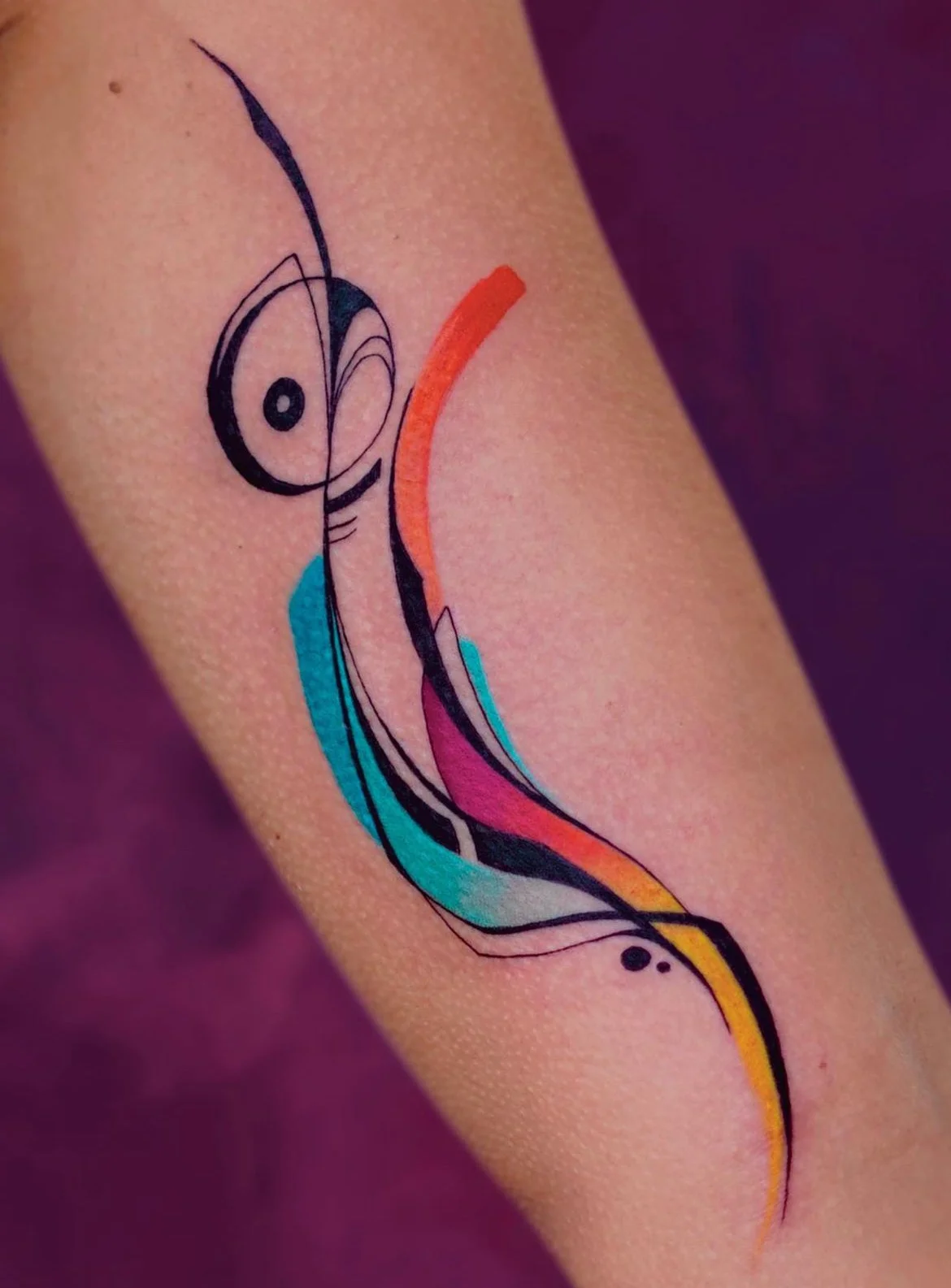
Because the style is defined by approach rather than by a fixed set of rules, illustrative work covers a lot of ground. Some artists lean on bold outlines and flat color, others on etching-style hatching, and others on painterly washes held together by a few strong lines. What ties it together is that the illustration itself is the point, not a photograph rendered in ink.
What makes the style recognizable
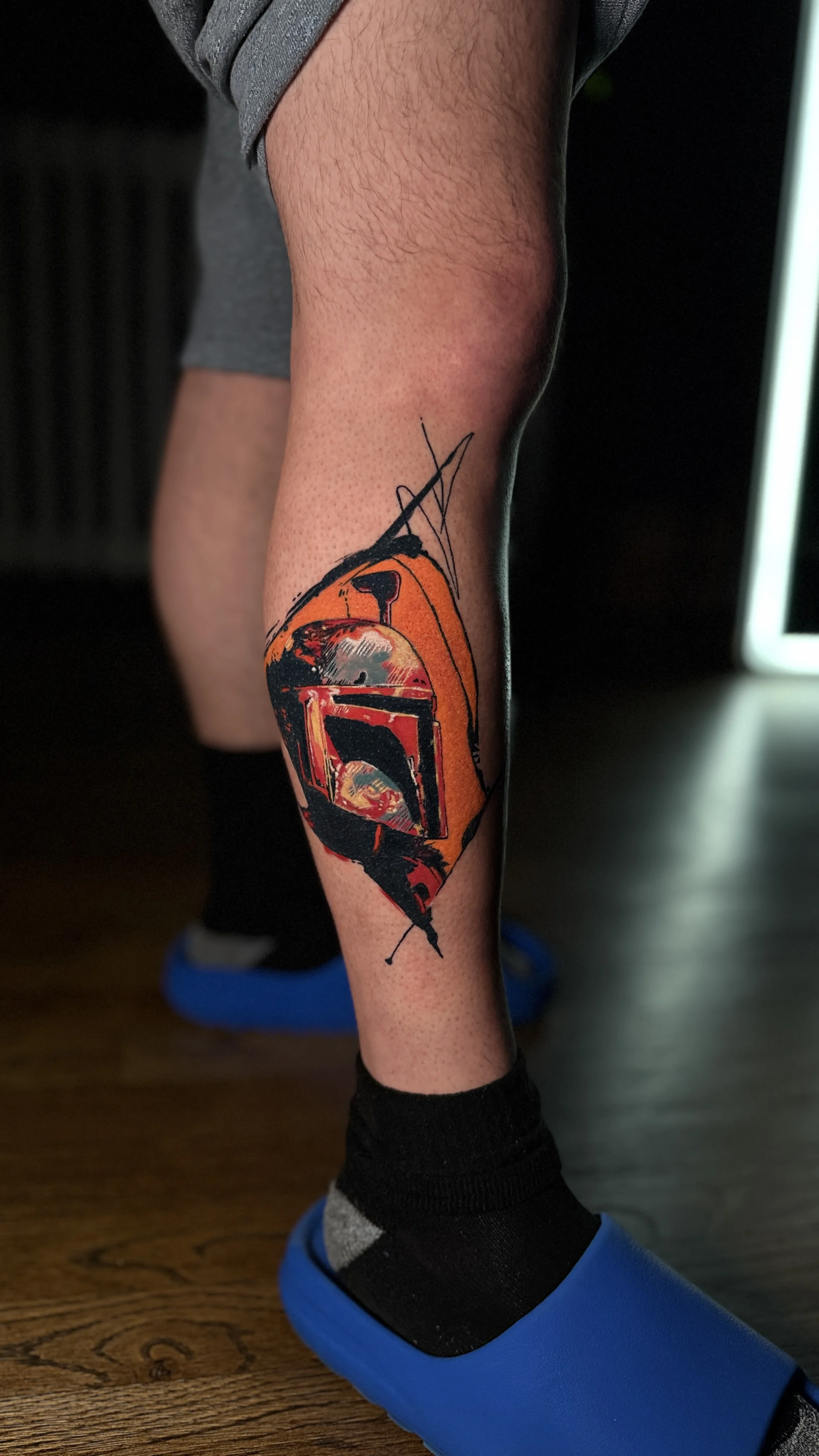
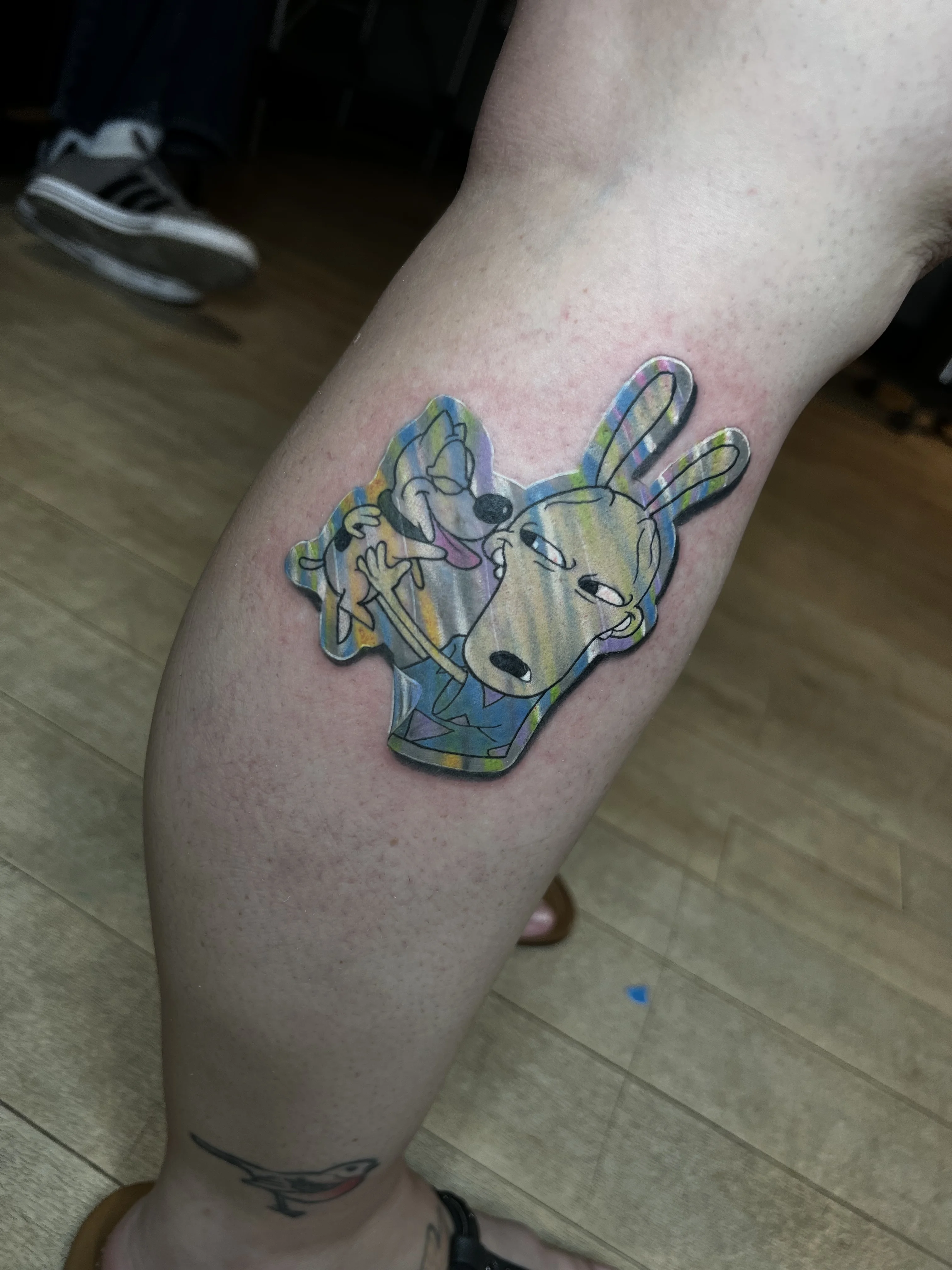
Most illustrative tattoos share a few traits. The linework is visible and intentional, so you can see how the image was built. Shapes are simplified or stylized in a way that's consistent across the piece. Color, when it's used, is chosen for mood and readability rather than strict realism. And compositions tend to tell a story, with characters, scenes, and small details that reward a second look.
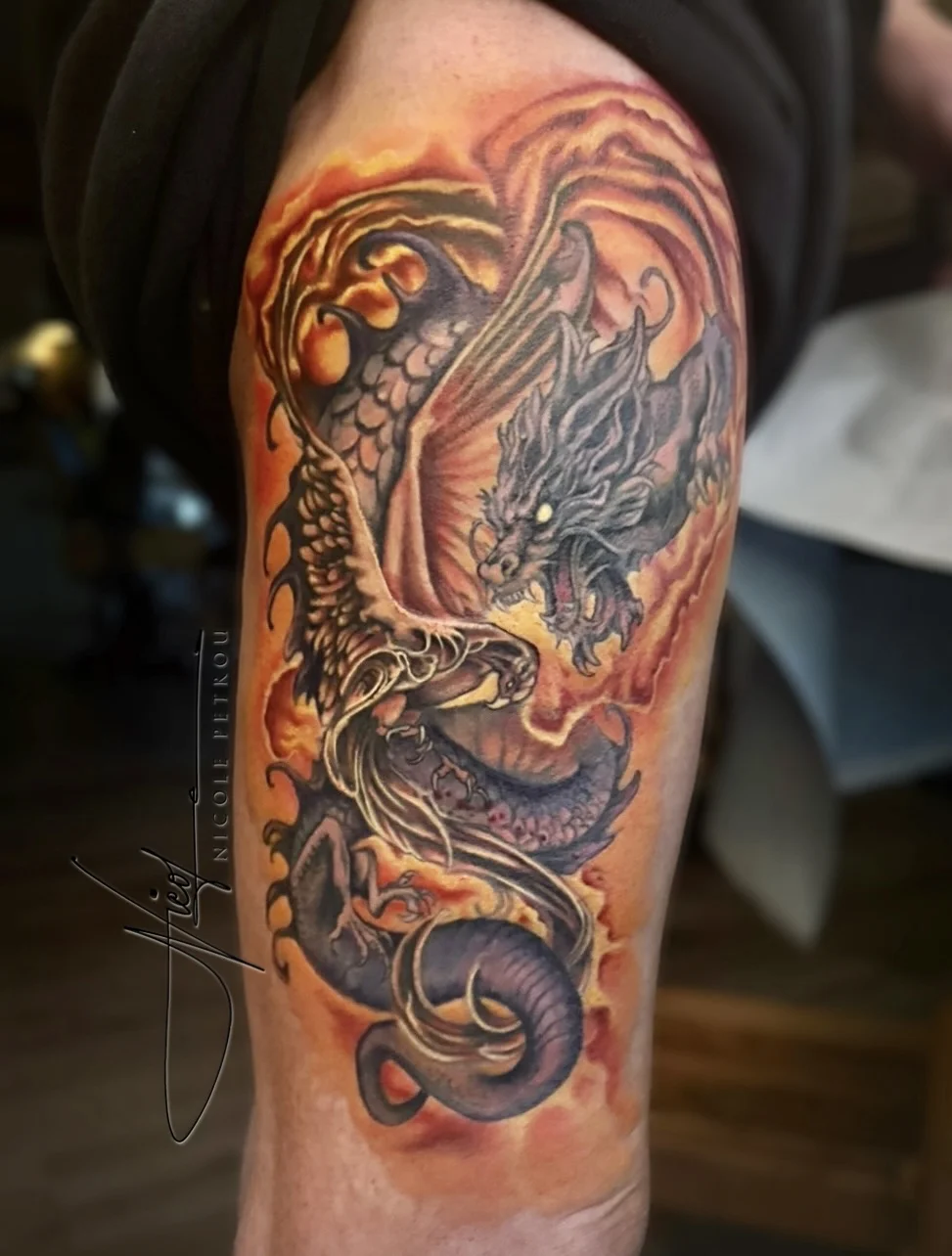
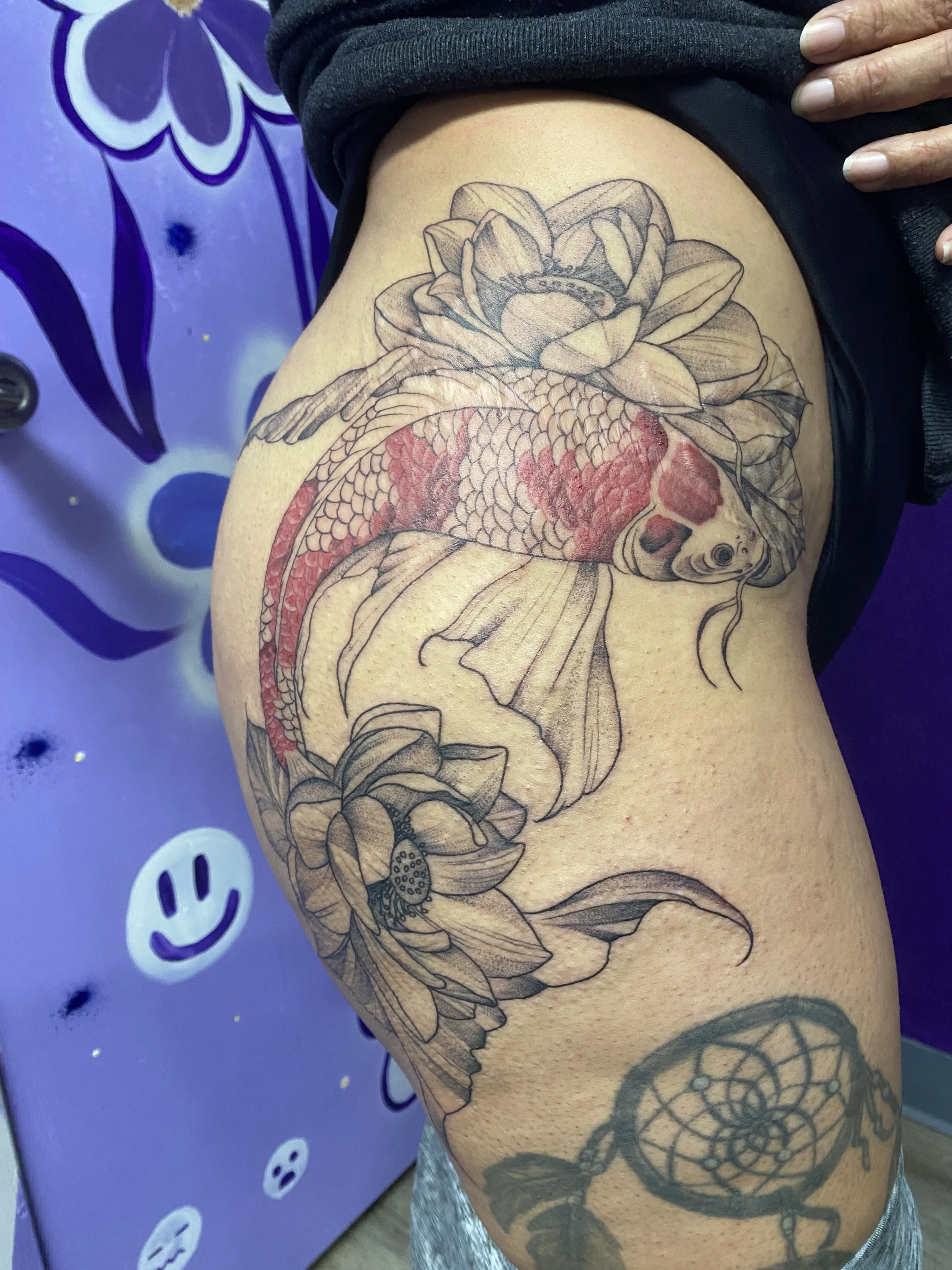
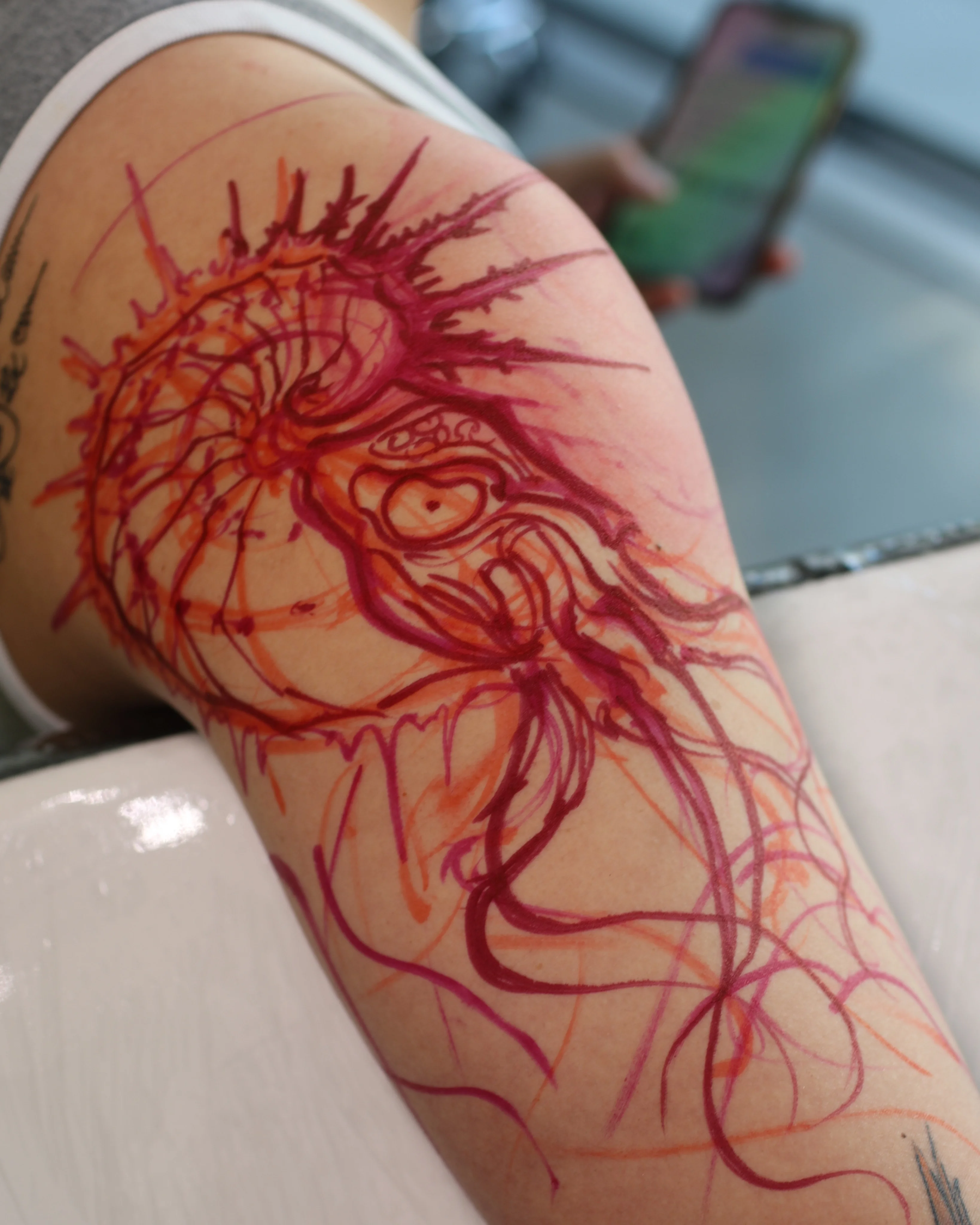
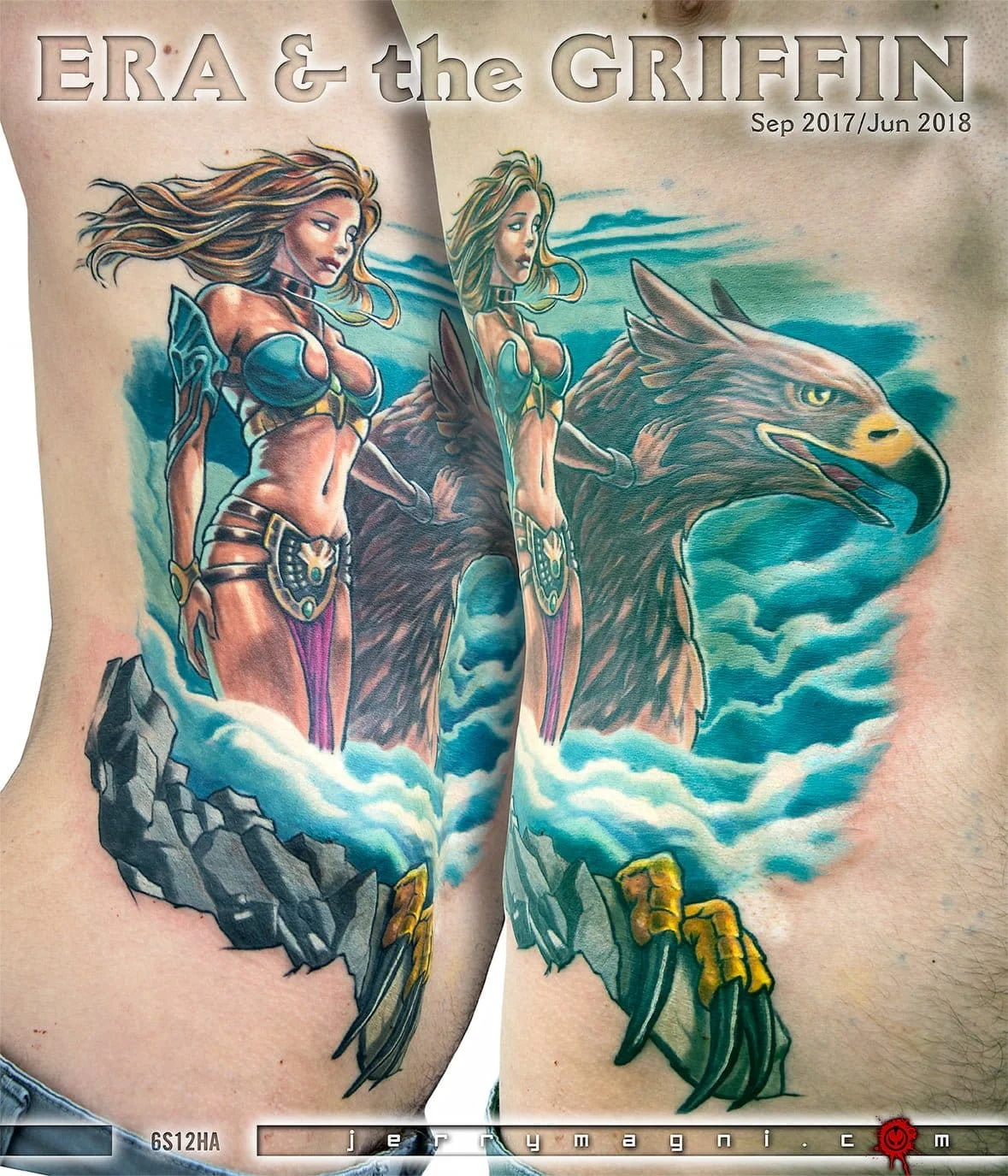
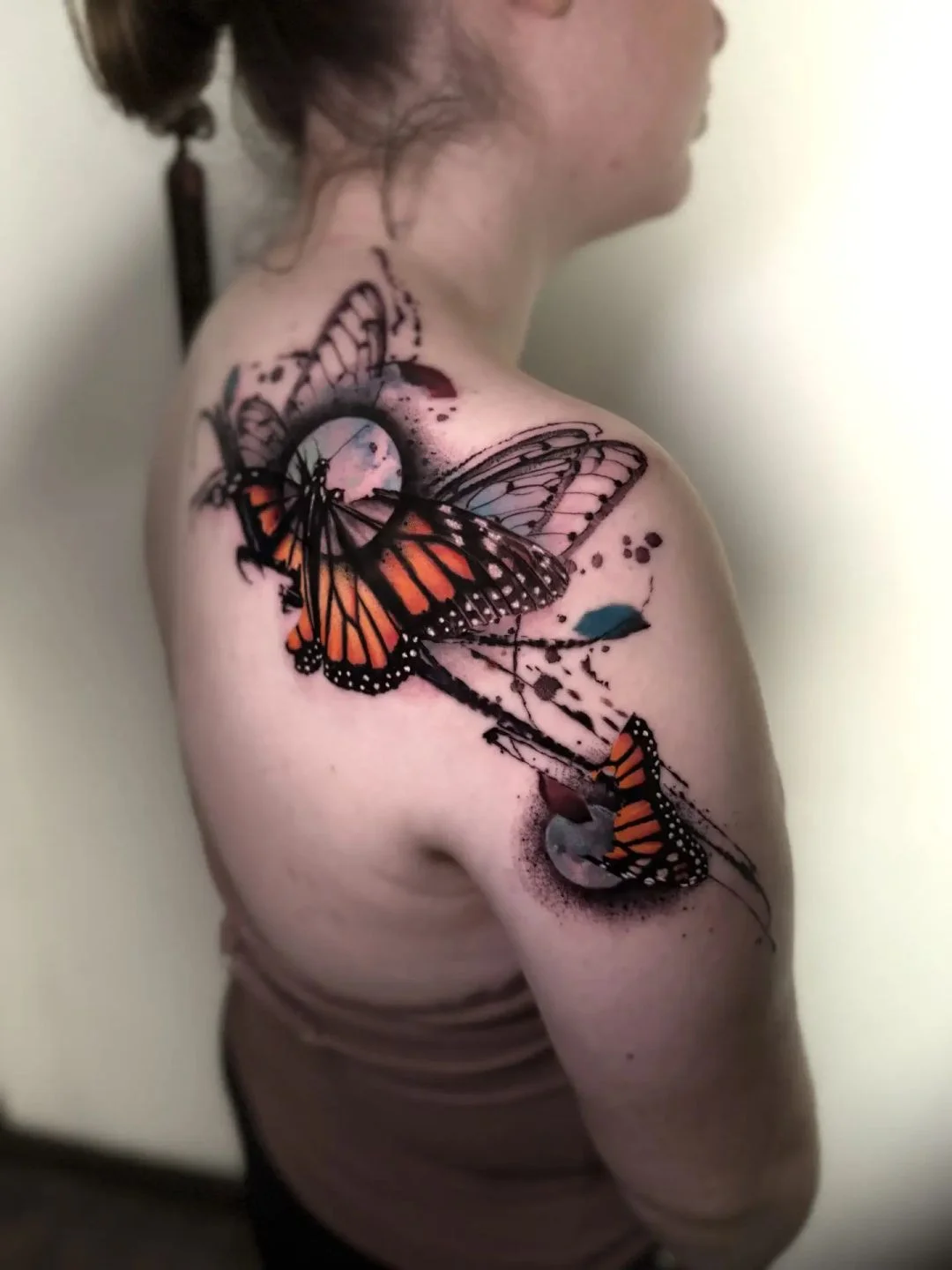
Common subjects on Freshly Inked's illustrative work include nature scenes, animals, mythology, and fantasy pieces, often in warm oranges and reds or in bold black and grey. Because so much of the style comes from the artist's own hand, two illustrative artists can take the same idea in completely different directions.
How to spot a strong illustrative tattoo artist
The best illustrative artists have a distinctive drawn signature that runs through their whole portfolio. You can usually pick out their work at a glance, because their characters look like their characters and their compositions read as a body of work rather than a series of unrelated commissions. Booking an illustrative artist is often more about getting their style applied to your idea than about commissioning a literal translation of a reference.
When you look through a portfolio, check for that consistency first. An artist whose work all looks unmistakably theirs has earned their style, while a portfolio that reads like five different illustrators suggests someone still finding their voice. Then look at the technical foundation under the style: clean, confident lines, considered spacing between details, and color that stays inside the shapes it's meant to fill. Healed photos are especially useful here, since they show whether the linework and color held up after the skin settled.
Best placements for an illustrative tattoo
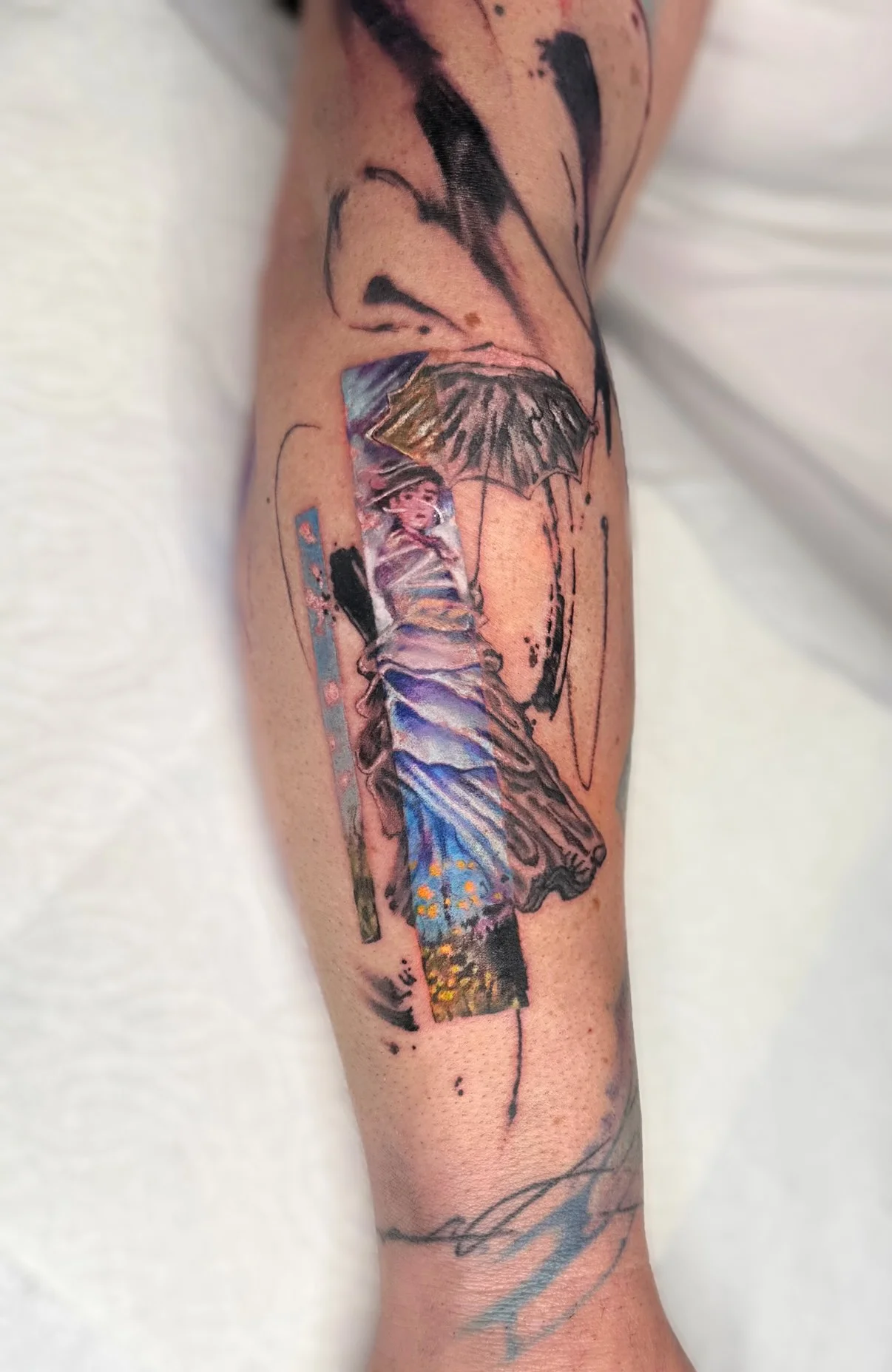
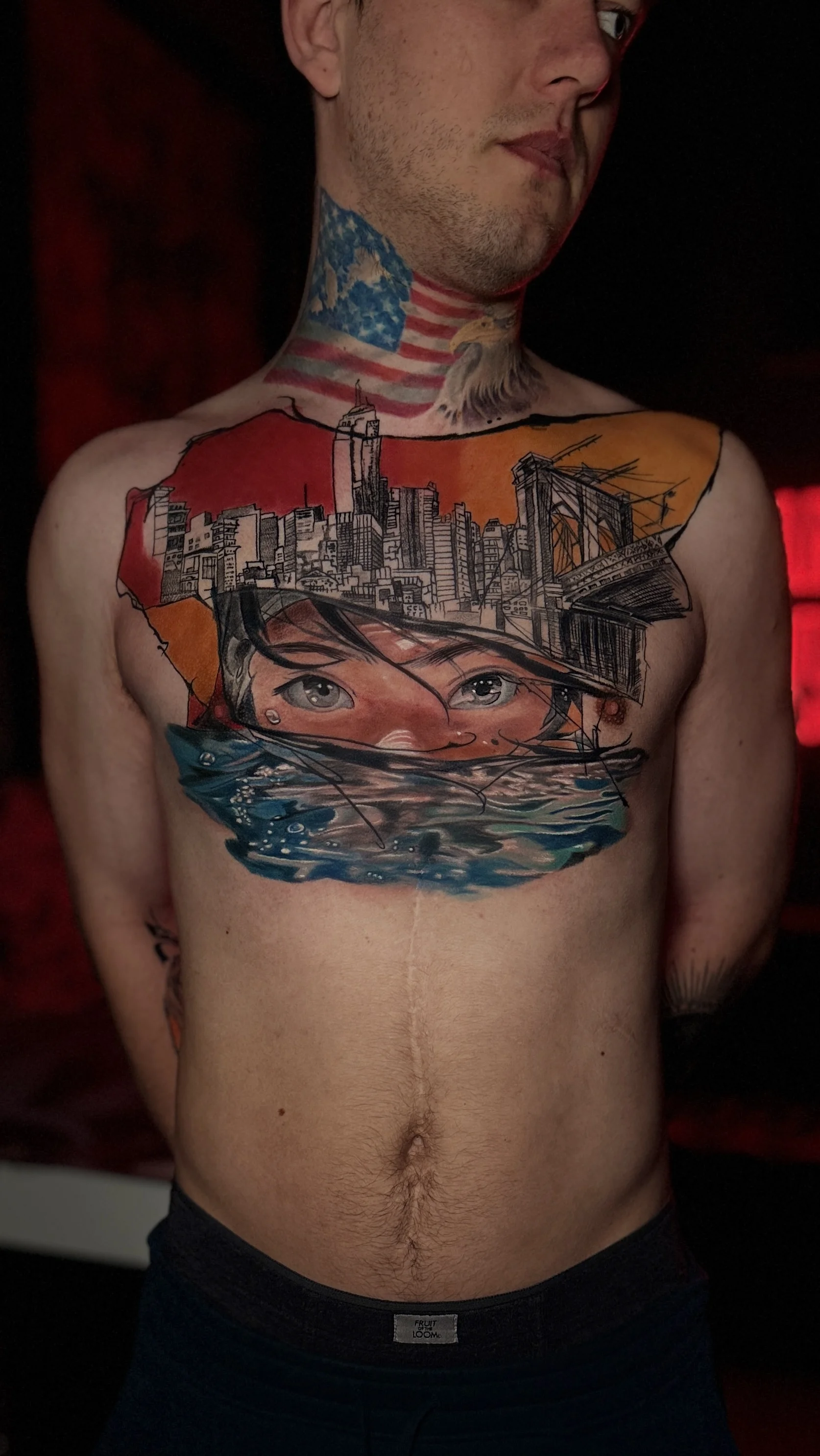
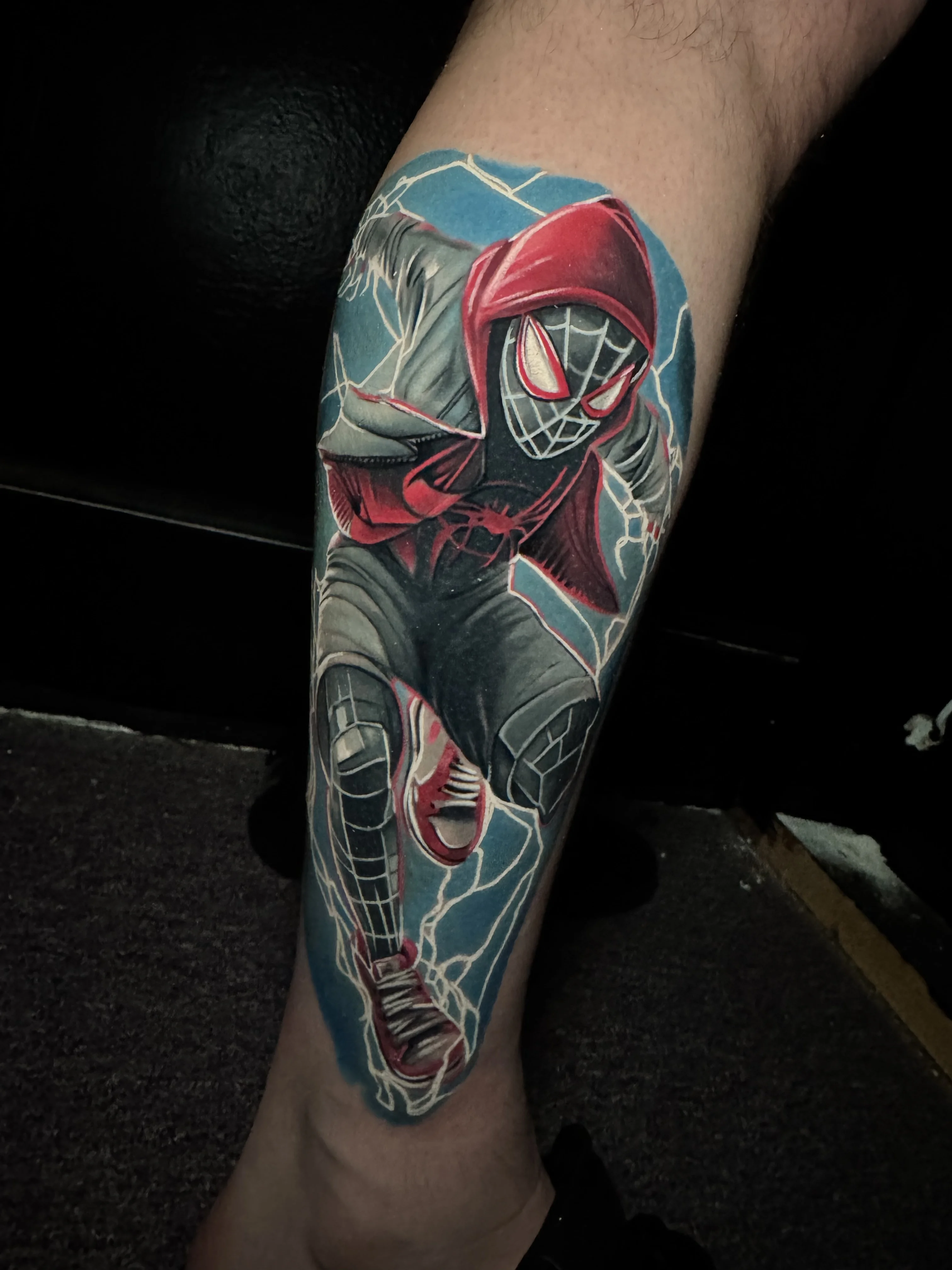
Illustrative work is flexible on placement because it isn't tied to a specific canvas size or anatomical fit. Forearm panels are a popular choice for a single illustrated scene or character, and the ribs and thighs give more room for compositions with several elements. Back pieces and sleeves suit larger illustrated stories where the artist can build a full scene. A good illustrative artist will design around the shape of the placement so the piece flows with the body instead of sitting on it like a sticker.
How illustrative tattoos age
Aging depends on how the piece is built. Illustrative work with solid outlines and considered color holds up well over the years, because the structure of the image stays readable even as the ink settles. Work that relies on hair-thin internal linework or very subtle color gradients ages more like fine line or color realism, which means it can hold beautifully or soften over time depending on the technical foundation. Giving fine details enough size, and protecting healed work from the sun, makes a real difference.
What affects the price and time
Illustrative tattoos are usually custom drawings, so design time is part of the cost along with time in the chair. Size, the number of elements in the composition, how much fine linework or shading is involved, color versus black and grey, and the artist's experience all move the price. Larger pieces are often done across more than one session. Most artists quote after hearing your idea and seeing where it'll go, and many ask for a deposit to hold your appointment.
Illustrative vs. similar styles
Illustrative overlaps with a few neighboring styles. Neo-traditional also uses bold lines and stylized shapes, but it follows a more defined set of conventions inherited from American traditional work. Surrealism can be just as imaginative, though it usually renders its impossible scenes with photoreal shading instead of a drawn finish. Blackwork shares the graphic punch of black-ink illustration but leans harder on solid black and pattern. If you love the storytelling of an illustrated piece but want a more classic look, a neo-traditional artist may be the better fit.
How to find and book an illustrative tattoo artist
Browse the illustrative work below and save the pieces that feel closest to the direction you're picturing. Open the artist whose drawing style speaks to you, look through their full portfolio, and send a booking inquiry with your idea and a few references. Your request goes straight to the artist, and they take it from there.
Artists







The Work
 Nicole Petrou
 Pierre Bustos
 Joshua Gallant
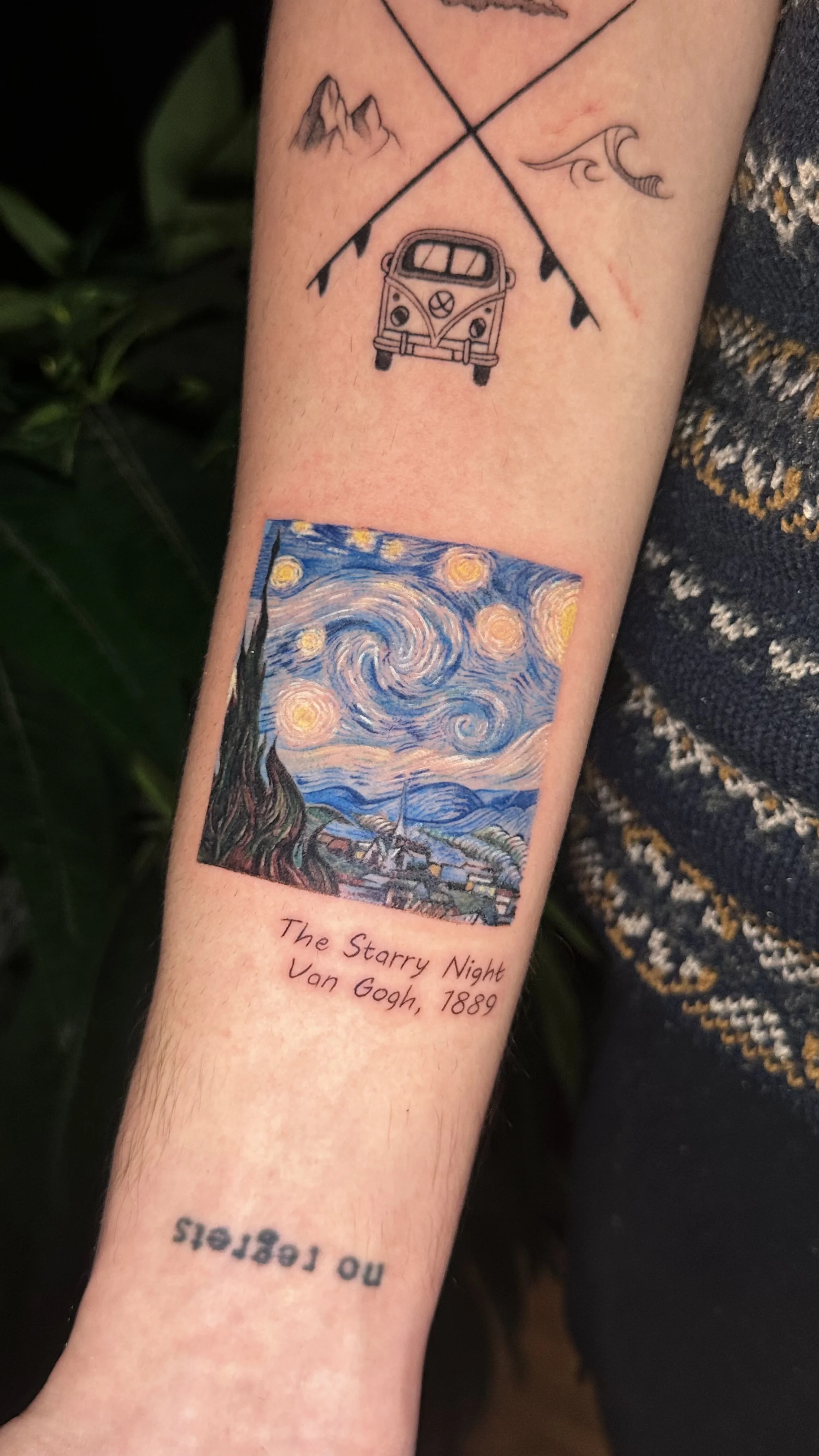 Kerasu
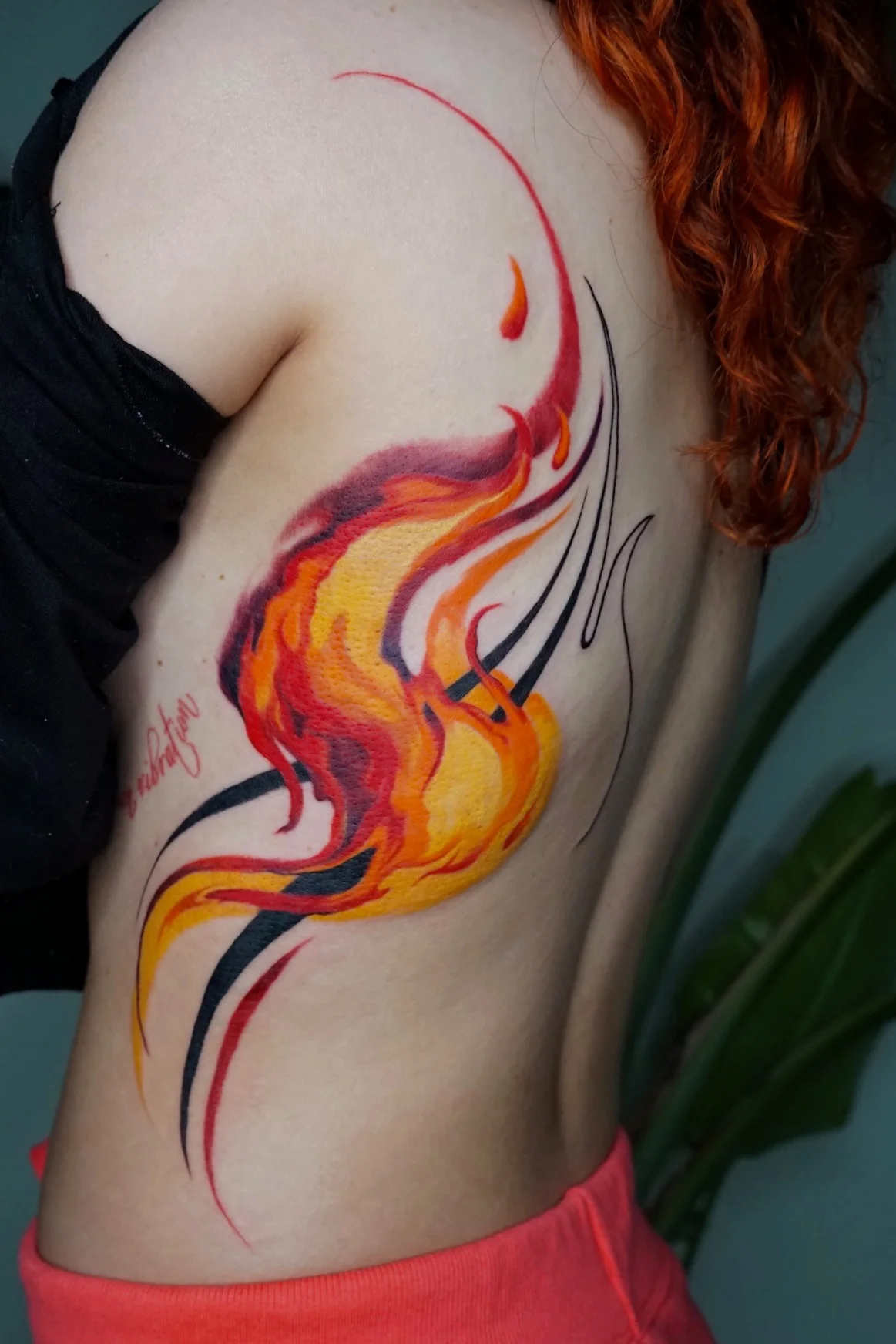 Aleksandra Stojanoska
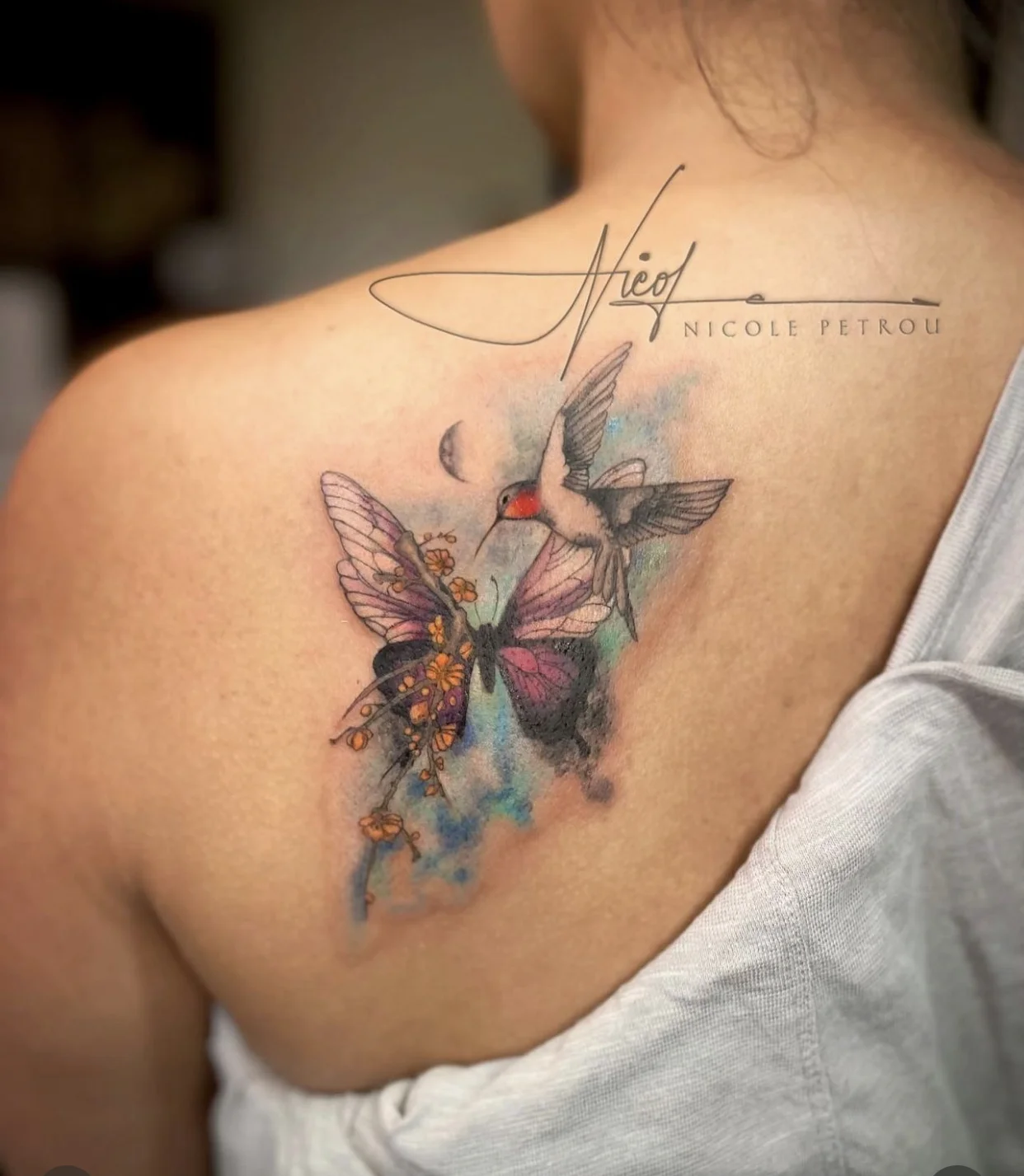 Nicole Petrou
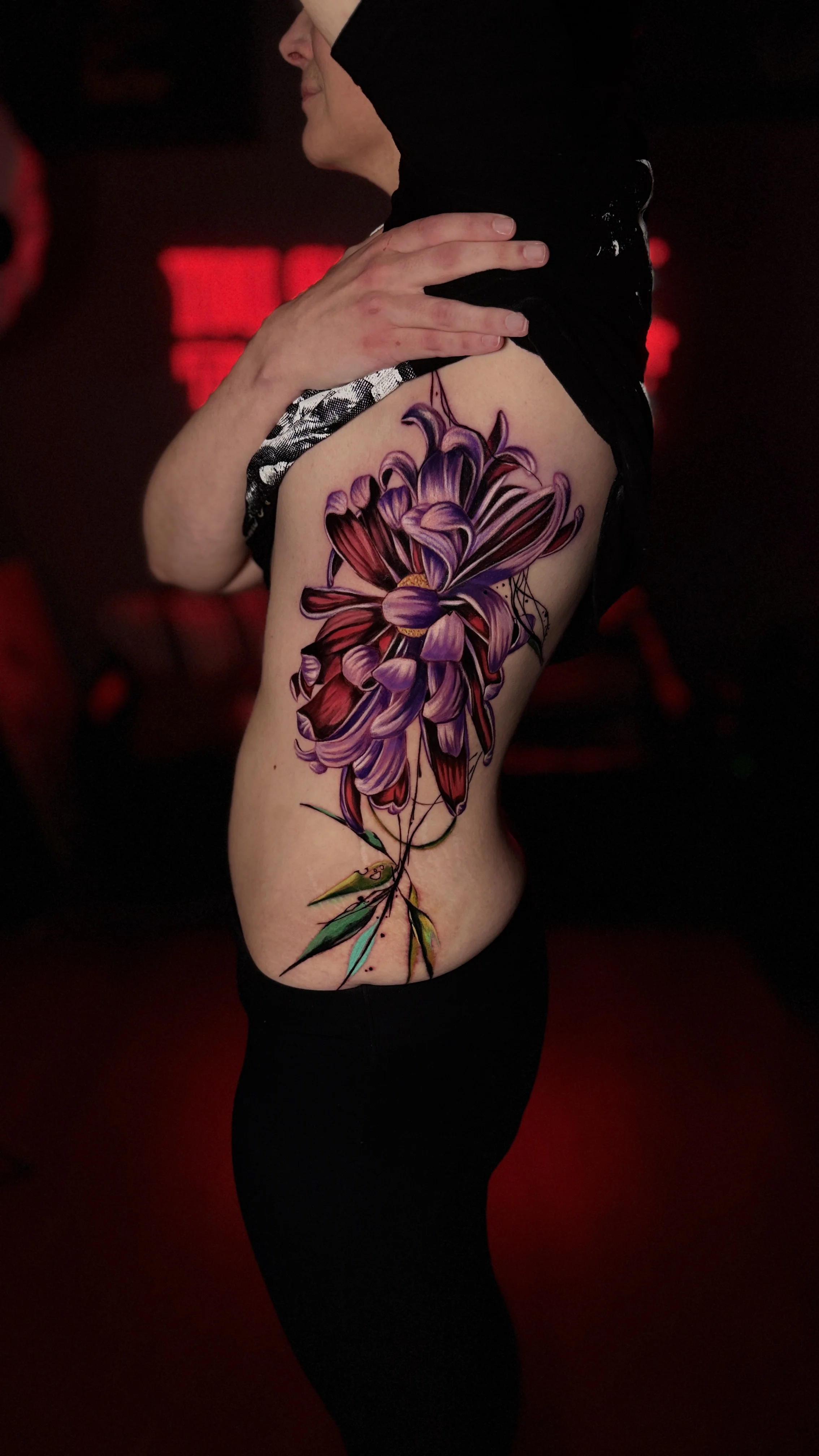 Pierre Bustos
 Nicole Petrou
Pierre Bustos
Joshua Gallant
Kerasu
Aleksandra Stojanoska
Ser. Alex
Bbydee
Konstantin Strokin
United Society of Sin
Sam
Churry Tattoos
Jerry Magni
Buffy_tatts
UrchinBite
Morgan Birky
Jerrra Blues
Nicole Petrou
Nicole Petrou
Pierre Bustos
Joshua Gallant
Kerasu
Aleksandra Stojanoska
Ser. Alex
Bbydee
Konstantin Strokin
United Society of Sin
Sam
Churry Tattoos
Jerry Magni
Buffy_tatts
UrchinBite
Morgan Birky
Jerrra Blues
Common Questions
What is an illustrative tattoo?
An illustrative tattoo is one that looks drawn on purpose, using the artist's own illustration style instead of photoreal shading. It can look like a graphic novel panel, a fine art print, or a storybook illustration, depending on the artist.
What's the difference between illustrative and neo-traditional tattoos?
Both use stylized shapes and visible linework. Neo-traditional follows conventions from American traditional tattooing, like bold outlines and decorative framing, while illustrative work is shaped mostly by the individual artist's drawing style.
Do illustrative tattoos age well?
Illustrative tattoos built on solid outlines and clear color age well. Pieces with very thin internal lines or subtle gradients can soften over time, so giving detail enough size and protecting healed work from the sun helps.
What are good illustrative tattoo ideas?
Nature scenes, animals, mythology, fantasy characters, and small story-driven compositions all suit the style. The strongest ideas give the artist room to bring their own drawing voice to the subject.
Where should I put an illustrative tattoo?
Forearm panels work well for a single scene or character, while ribs, thighs, back pieces, and sleeves suit larger compositions. A good artist will shape the design around the placement.
How do I find an illustrative tattoo artist near me?
Browse the illustrative work on this page, open the artists whose style fits, and filter by location. On Freshly Inked, illustrative artists are working in cities including Los Angeles, New York City, and Miami.