Fine Line Tattoos & Artists
Delicate, precise tattoos built from hair-thin lines, from small symbols to detailed illustrations. Browse real fine line tattoos and the artists making them, then request to book the one whose work fits the direction you're picturing.
What is a fine line tattoo?
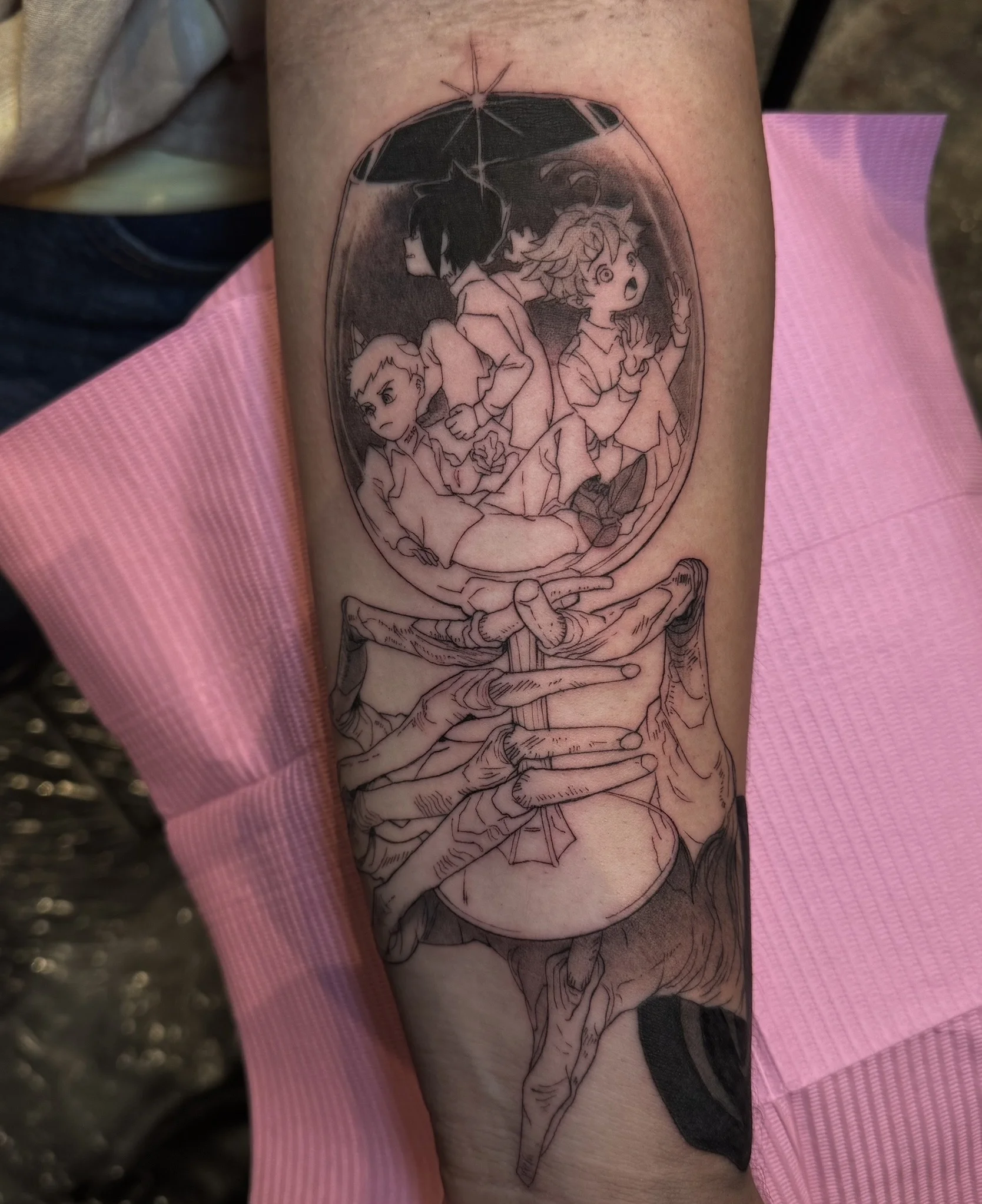
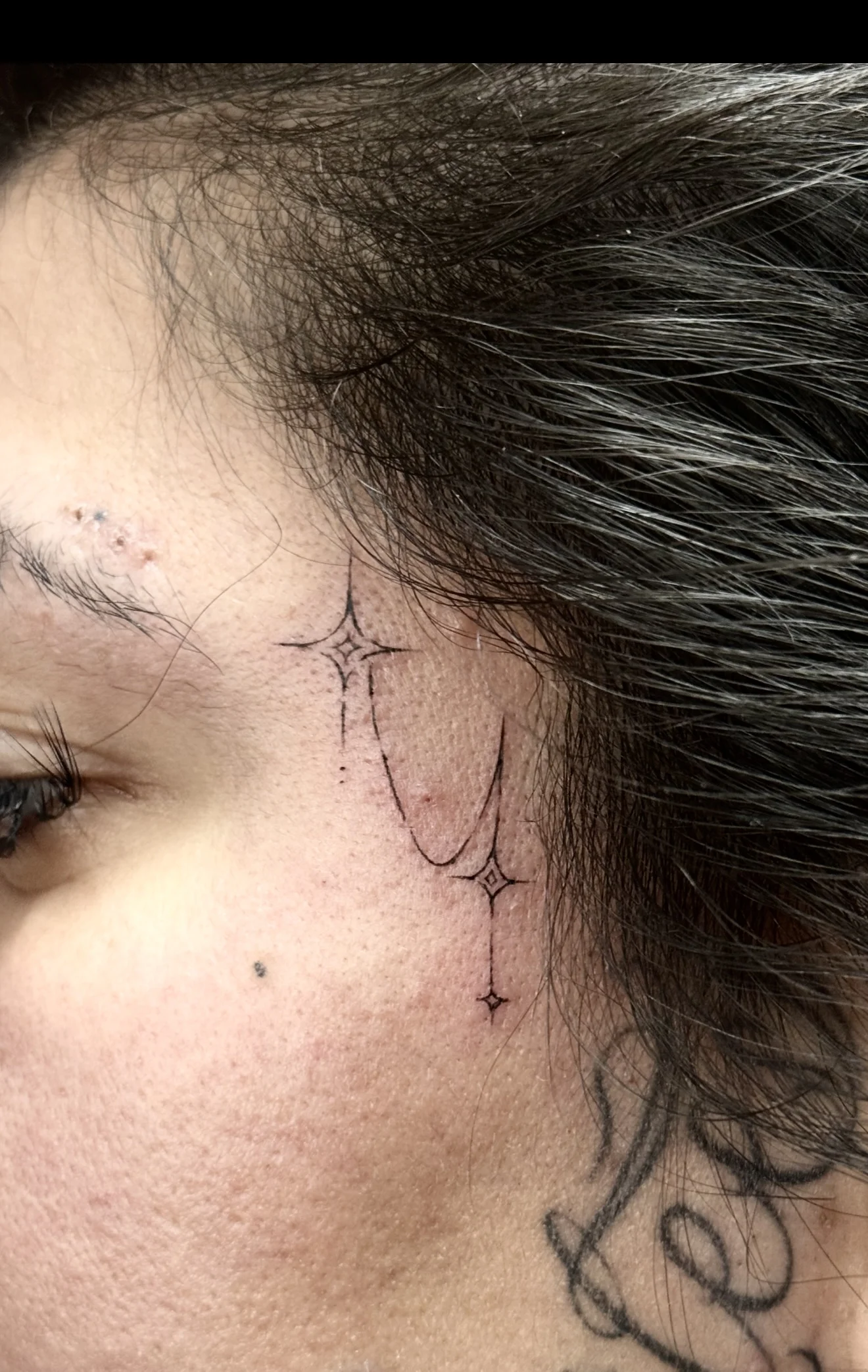
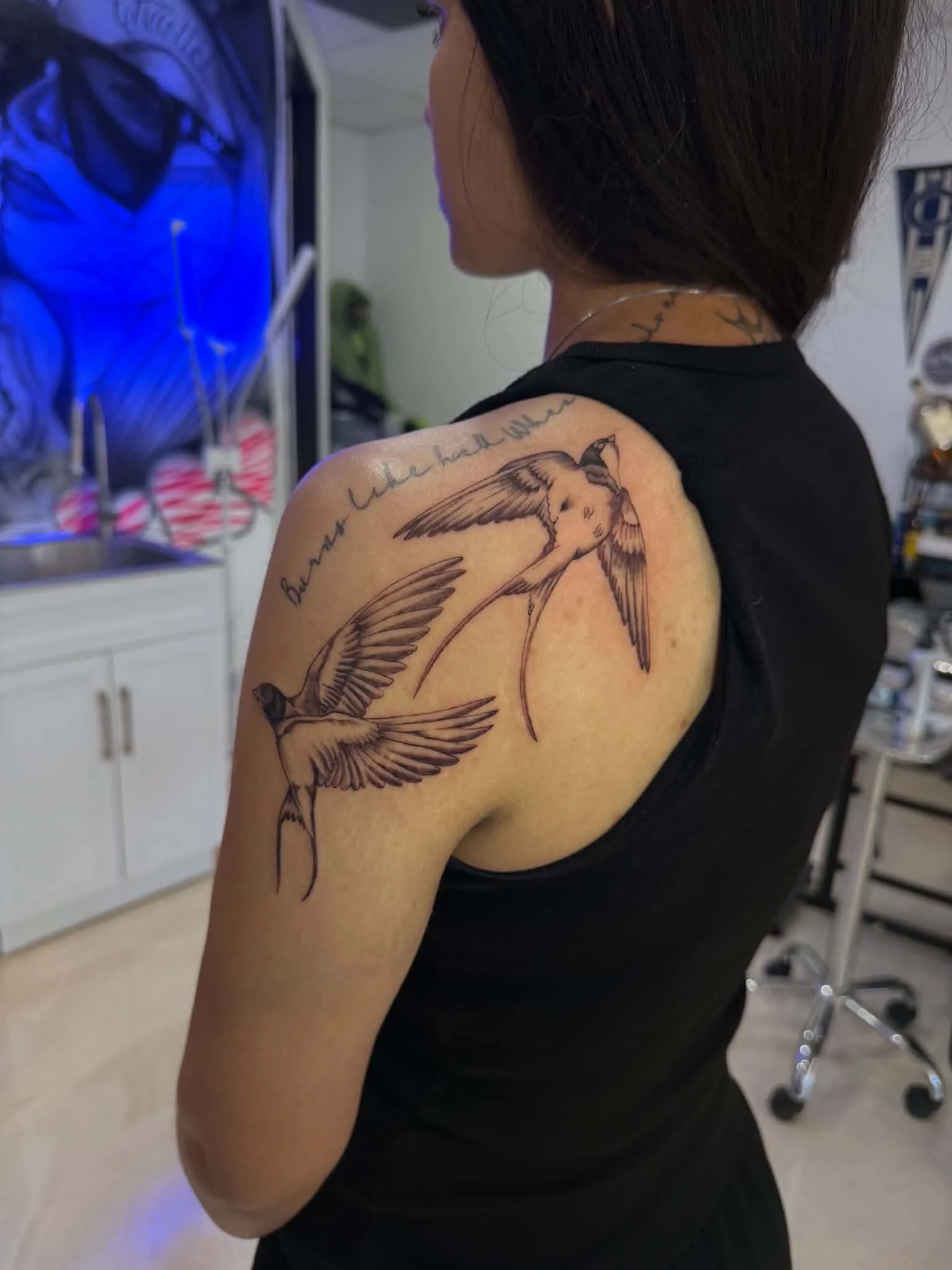
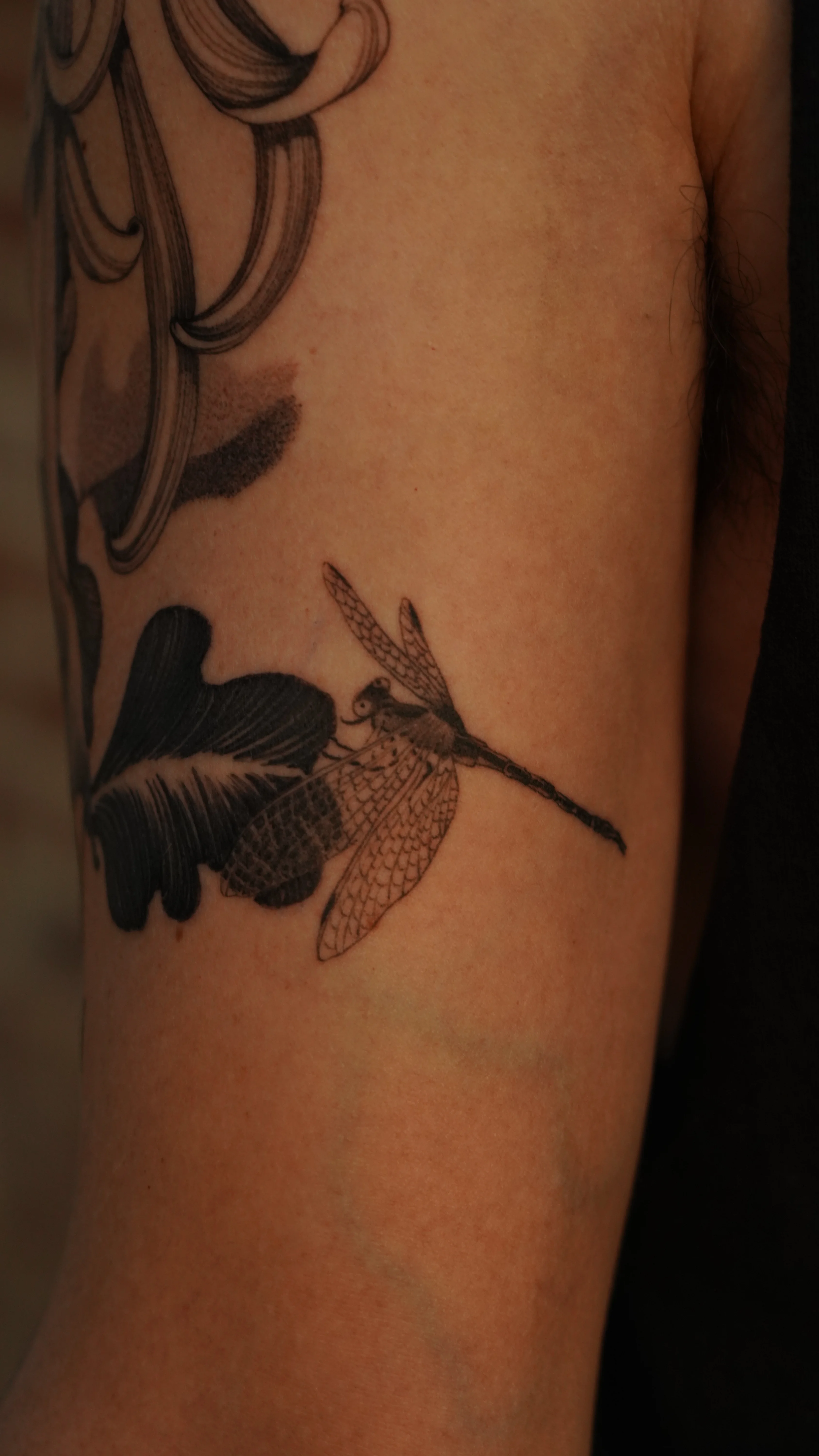
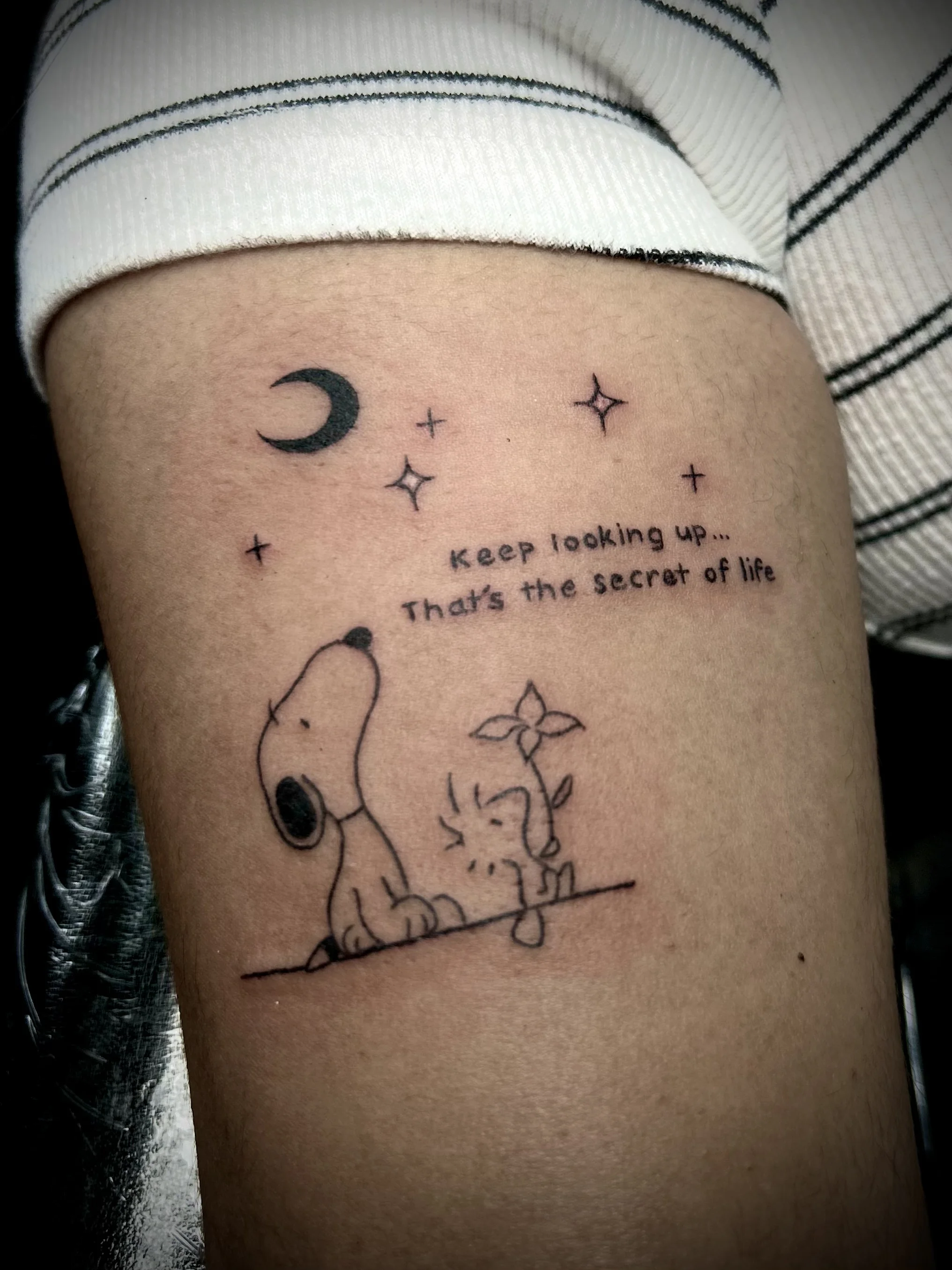
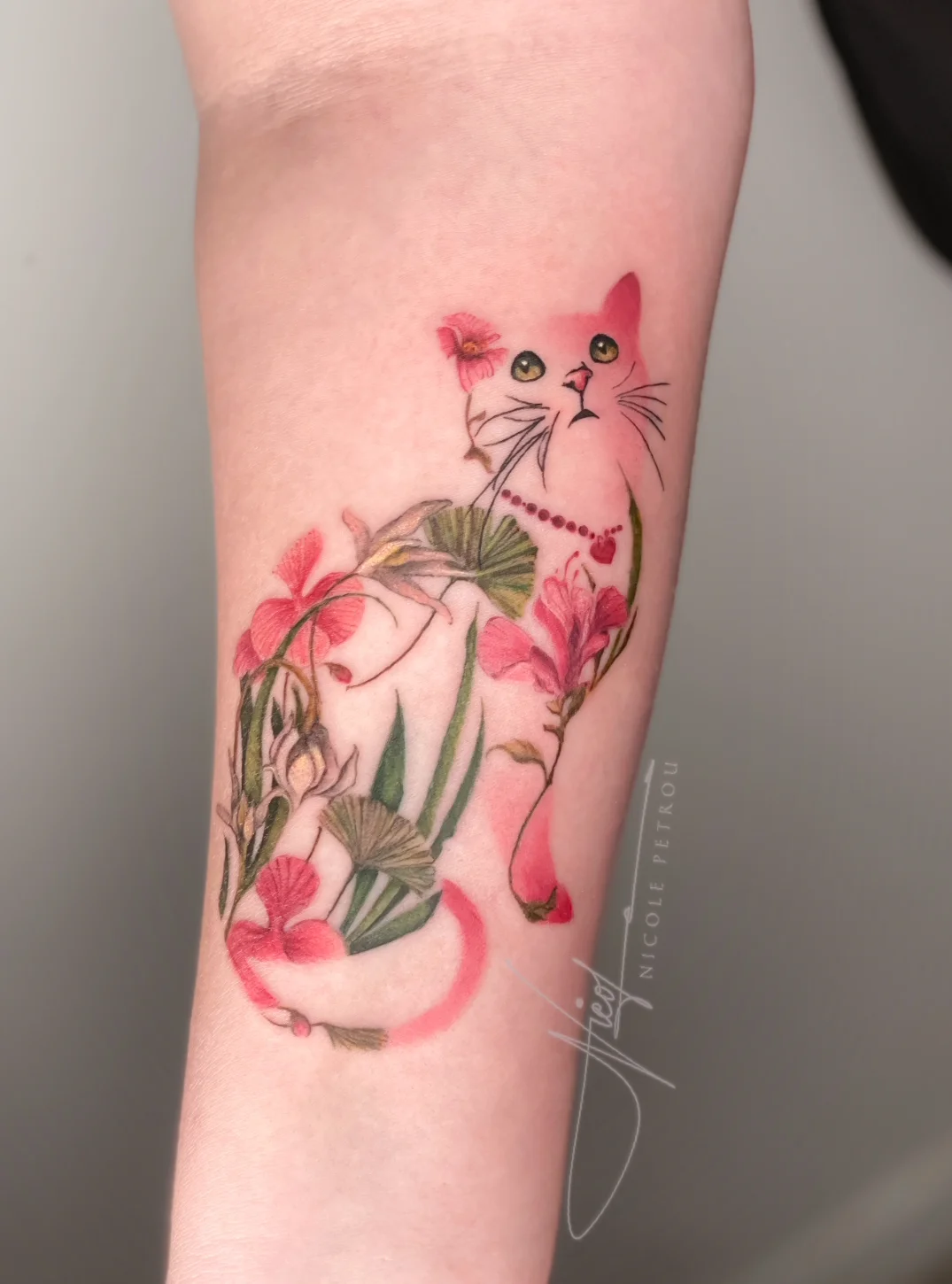
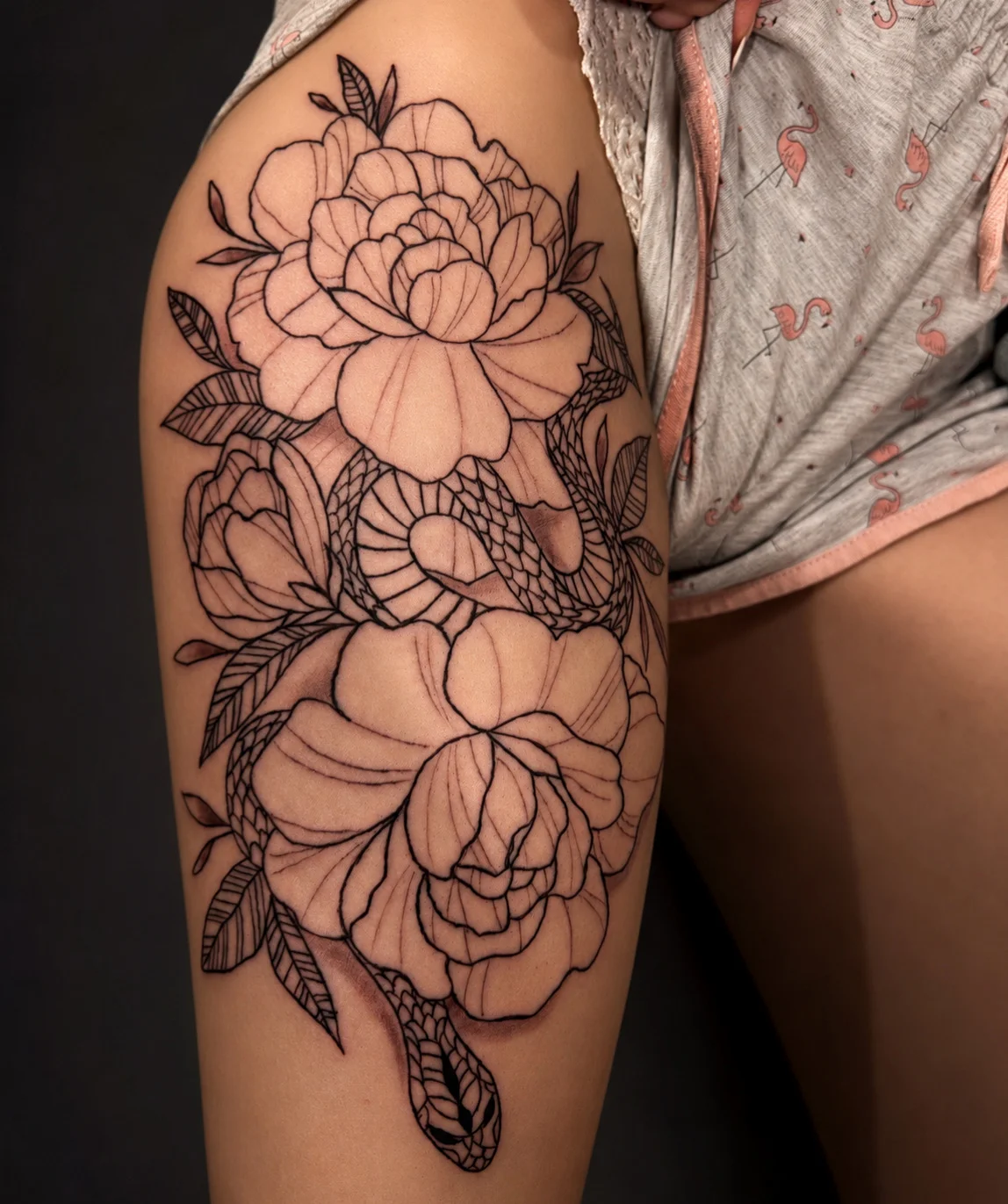
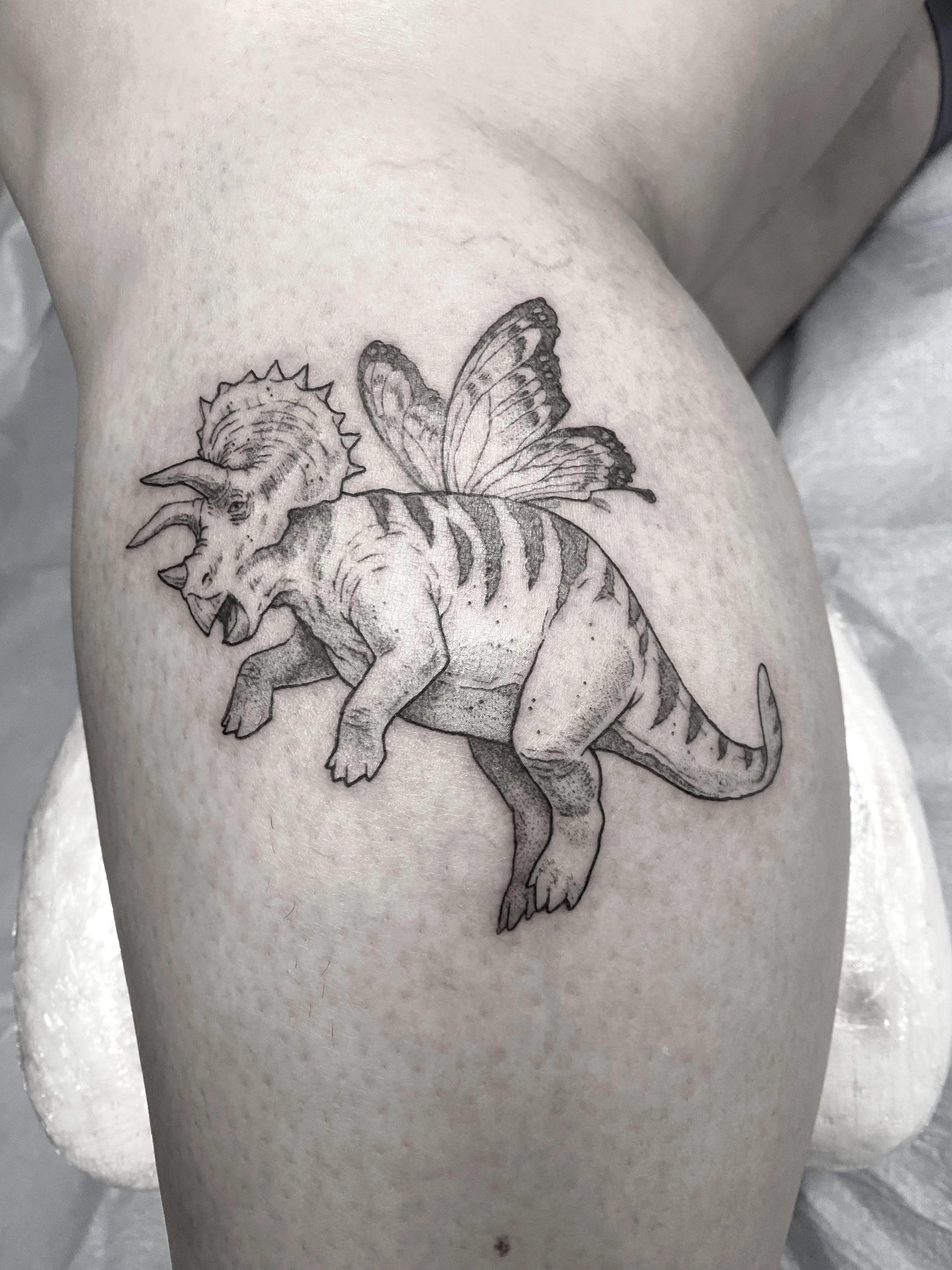
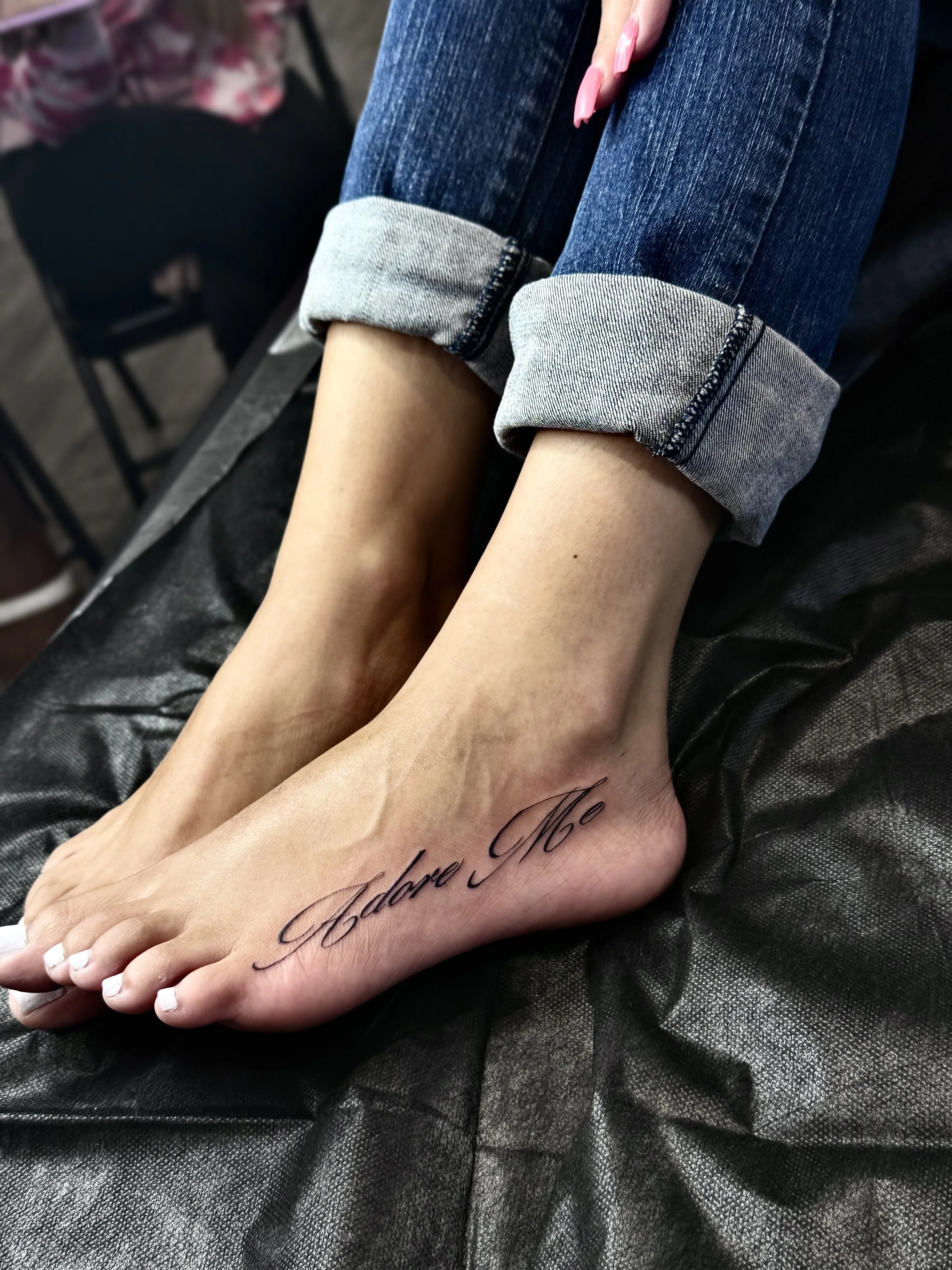
Fine line tattooing uses a single needle or a very small needle configuration to create delicate, precise work. The look ranges from script and small symbolic pieces all the way up to full illustrated compositions built entirely from hair-thin lines and soft shading. It's often minimal and restrained, and the precision is the whole point.
The style has become one of the most requested approaches of the last decade, especially for first tattoos. Part of the appeal is the look. The other part is a common belief that fine line means less commitment, less pain, and something easier to hide. Those last points deserve honest framing, because fine line tattoos can be exceptional, but they can also age poorly if the lines are too fine for the spot or the artist hasn't built their technique to last.
What makes the style recognizable
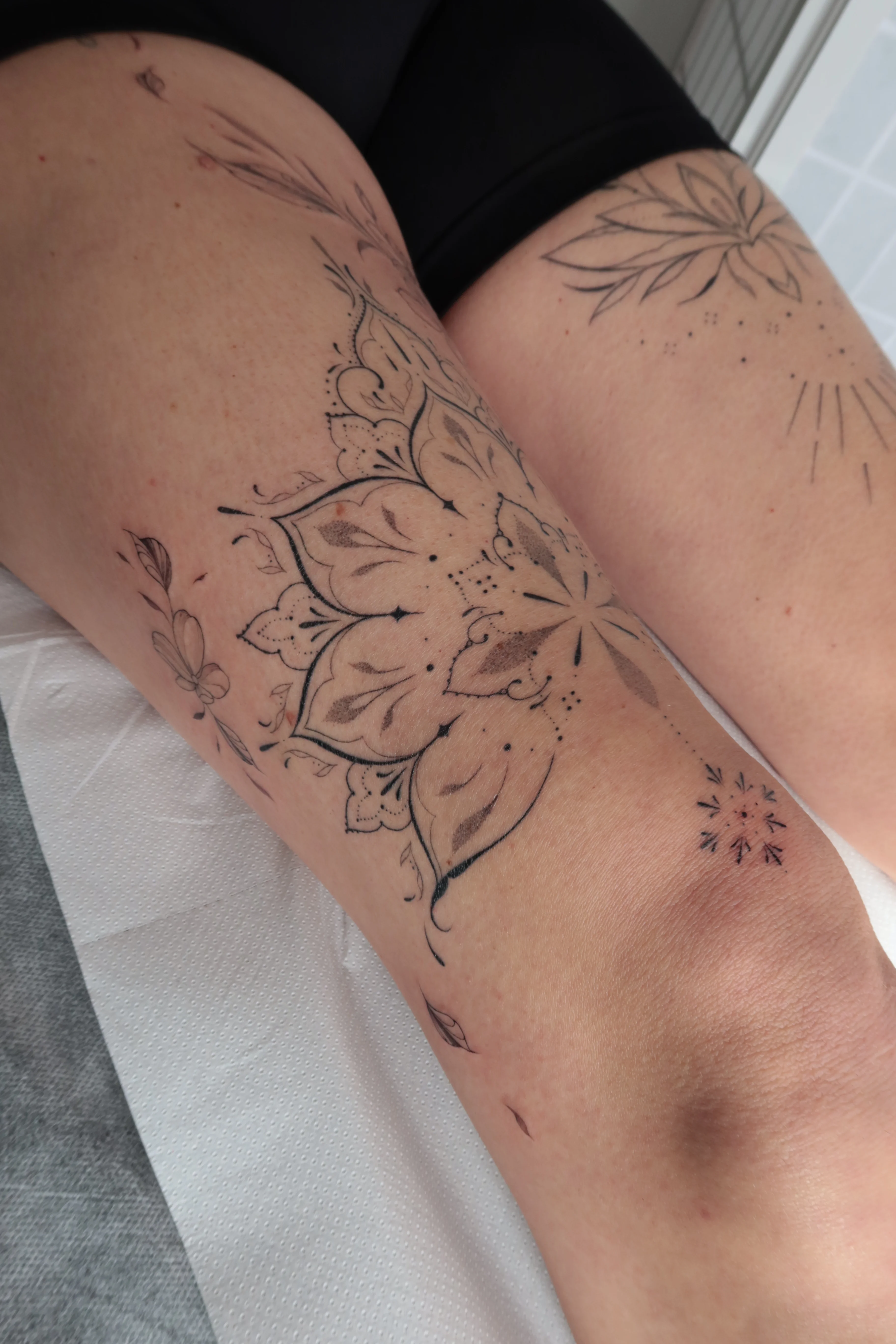
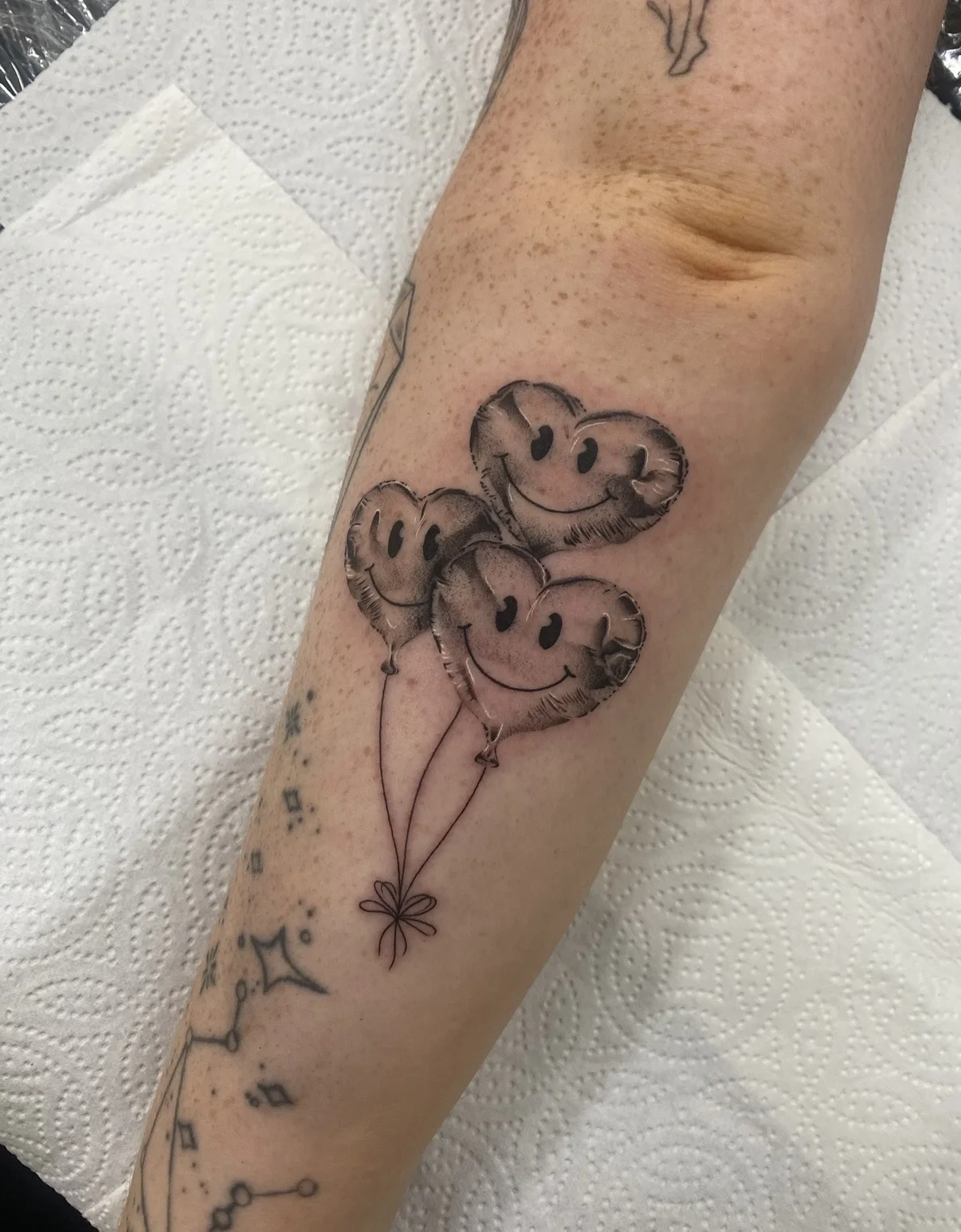
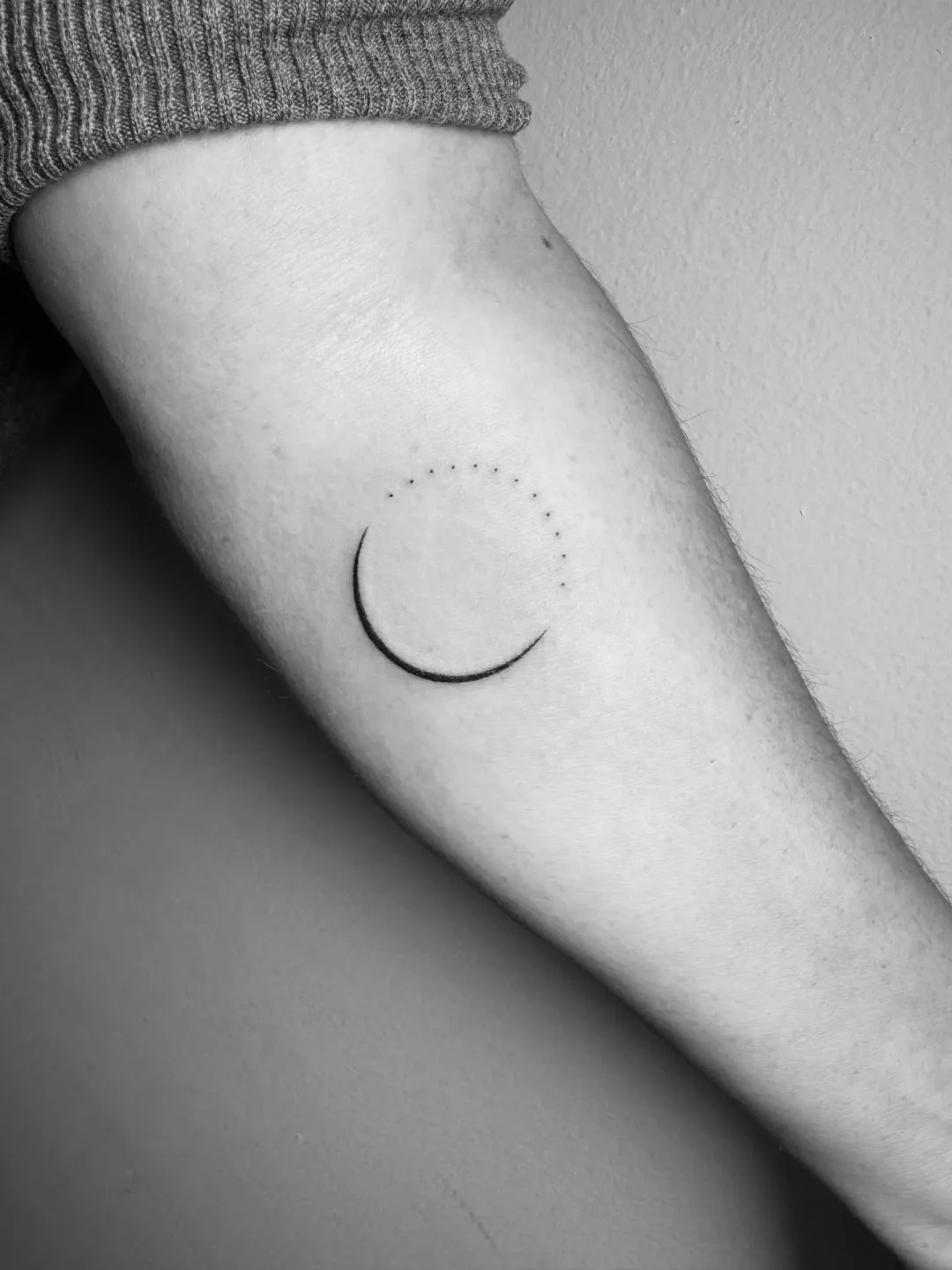
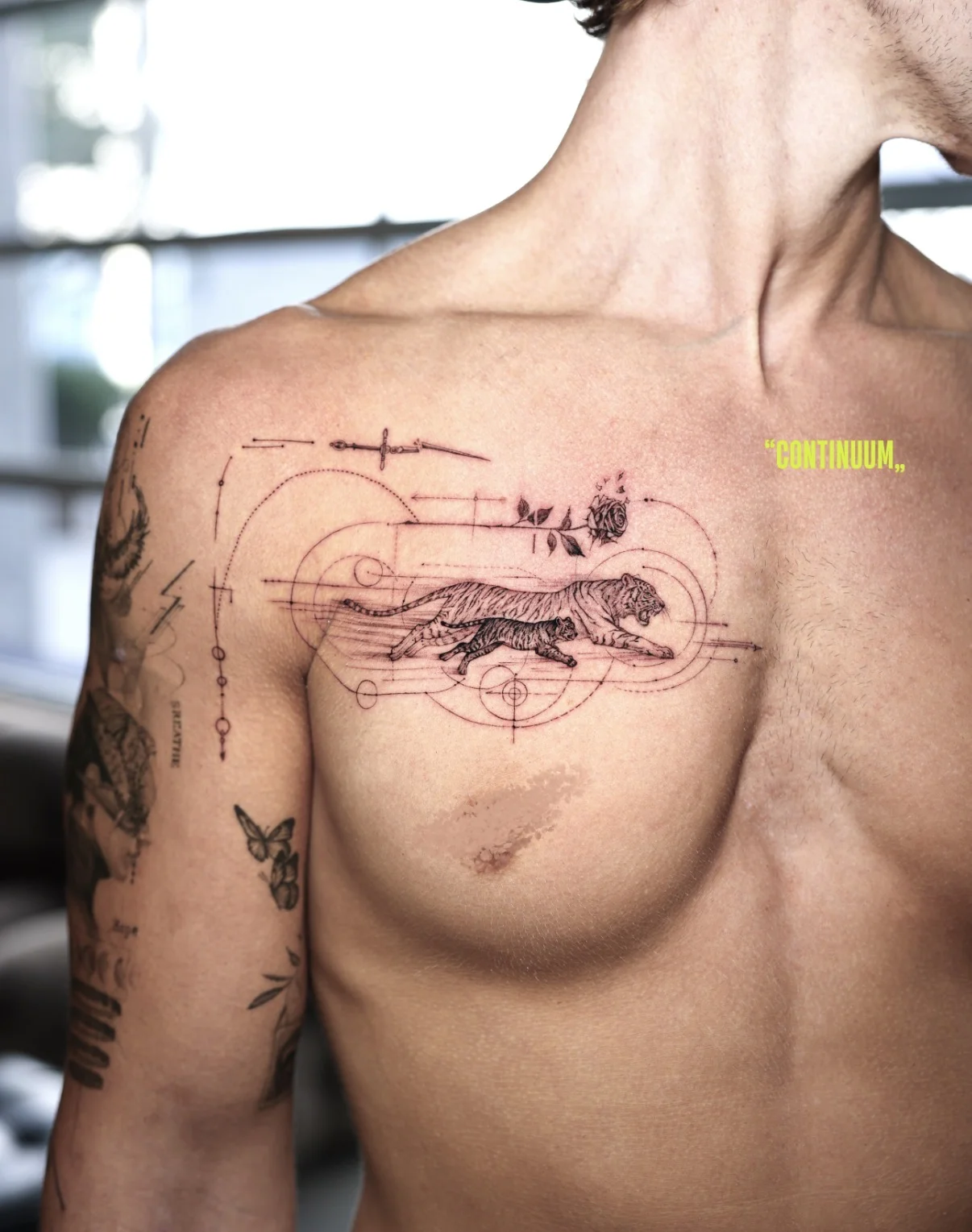
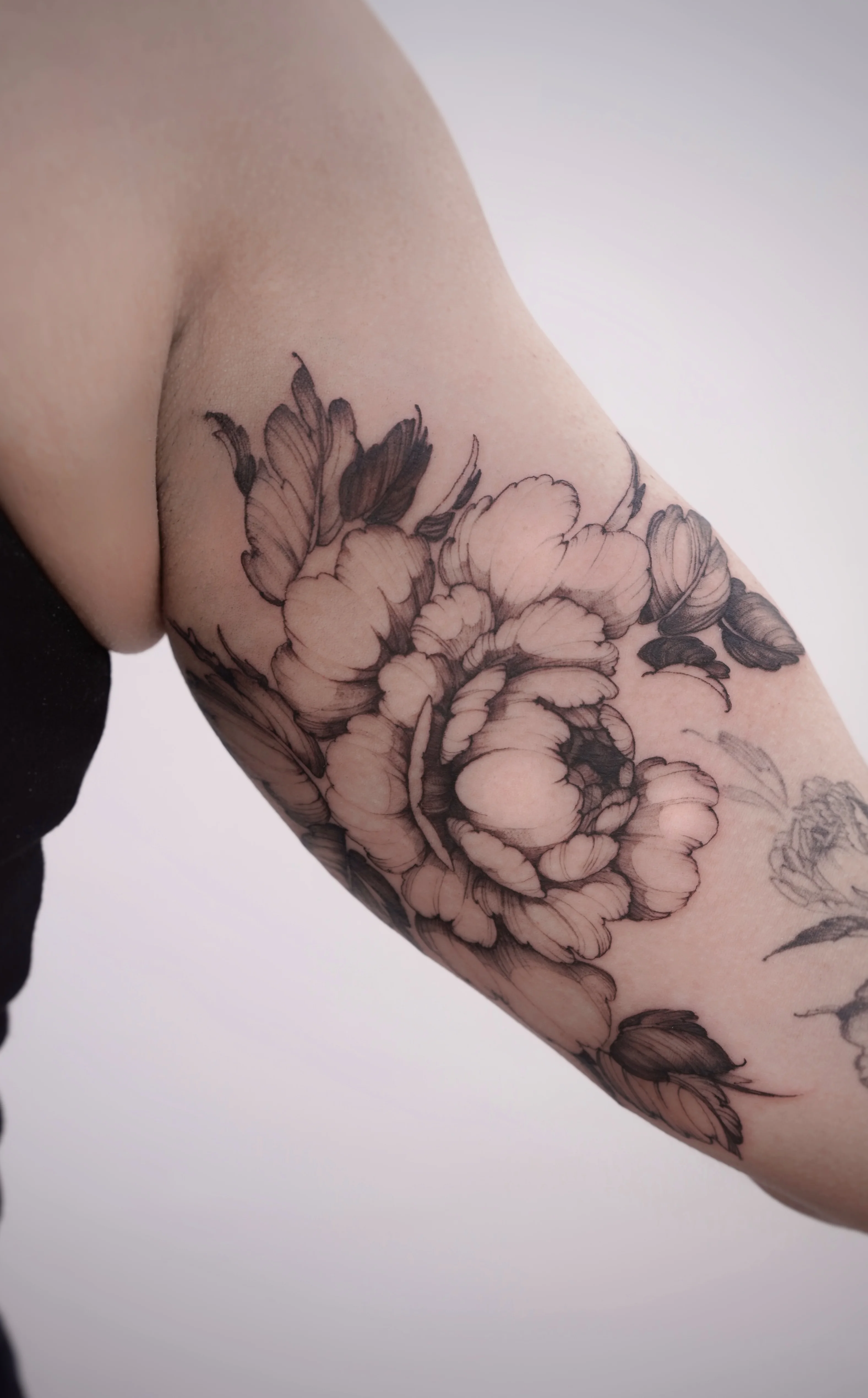
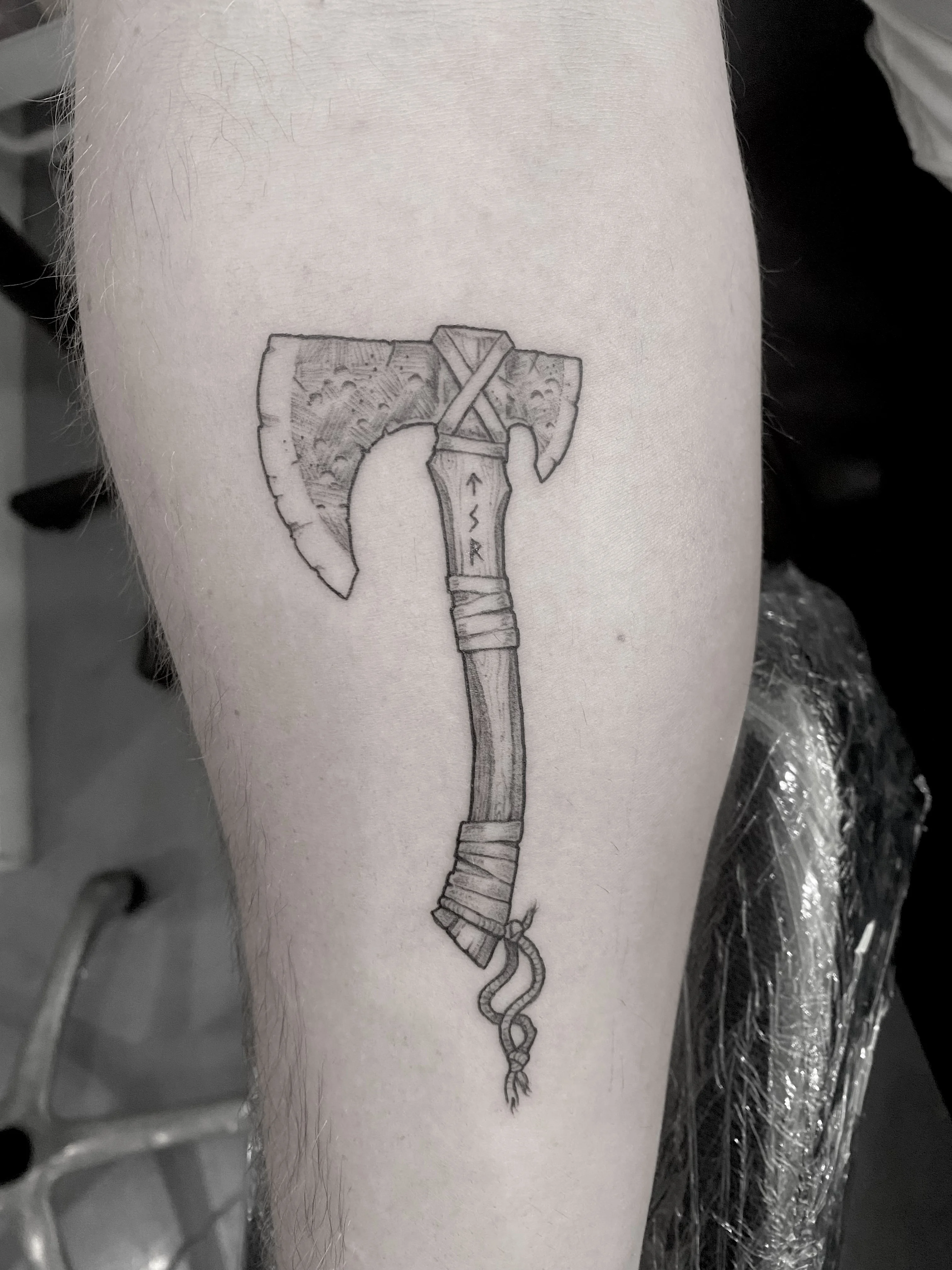
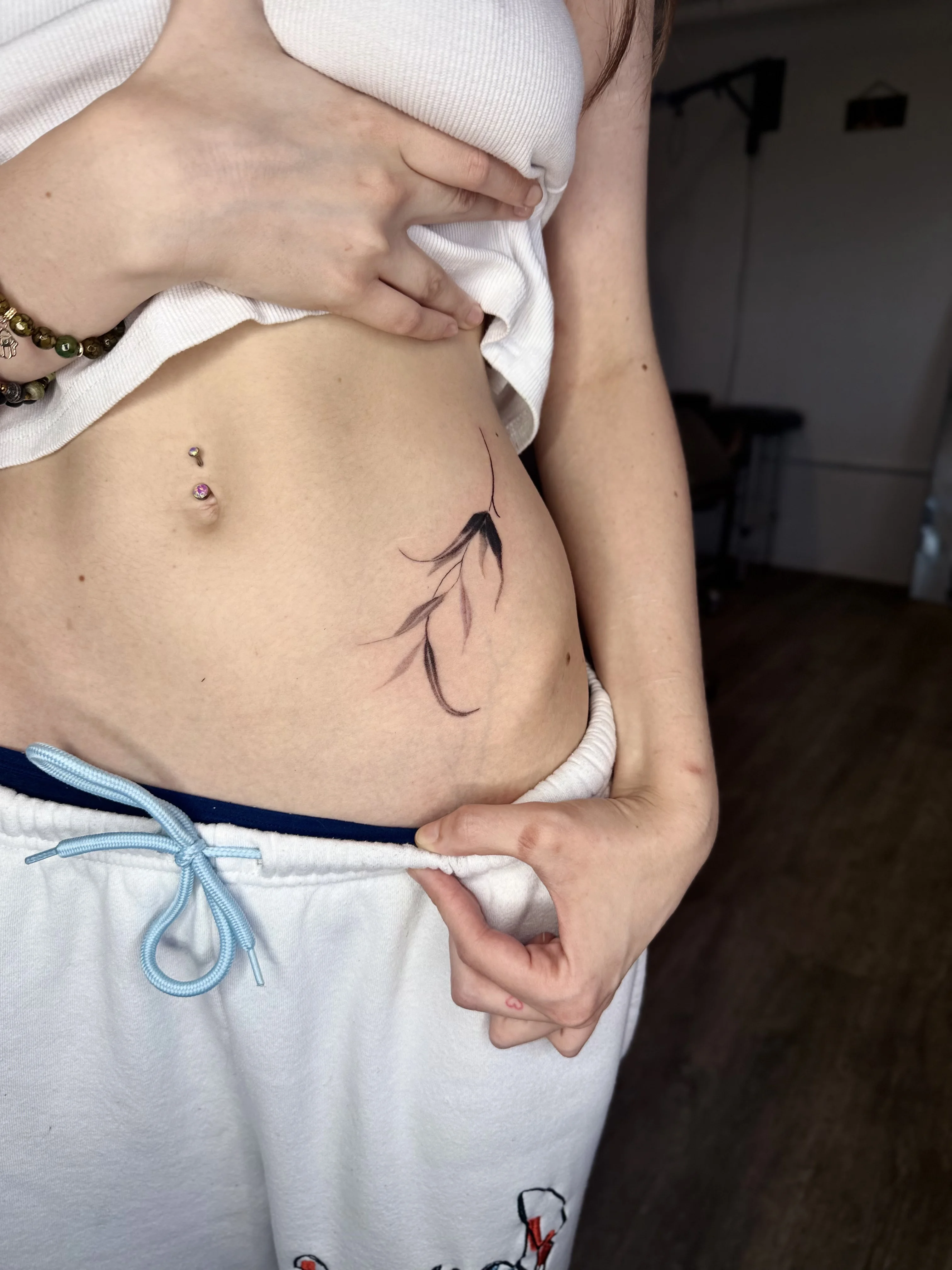
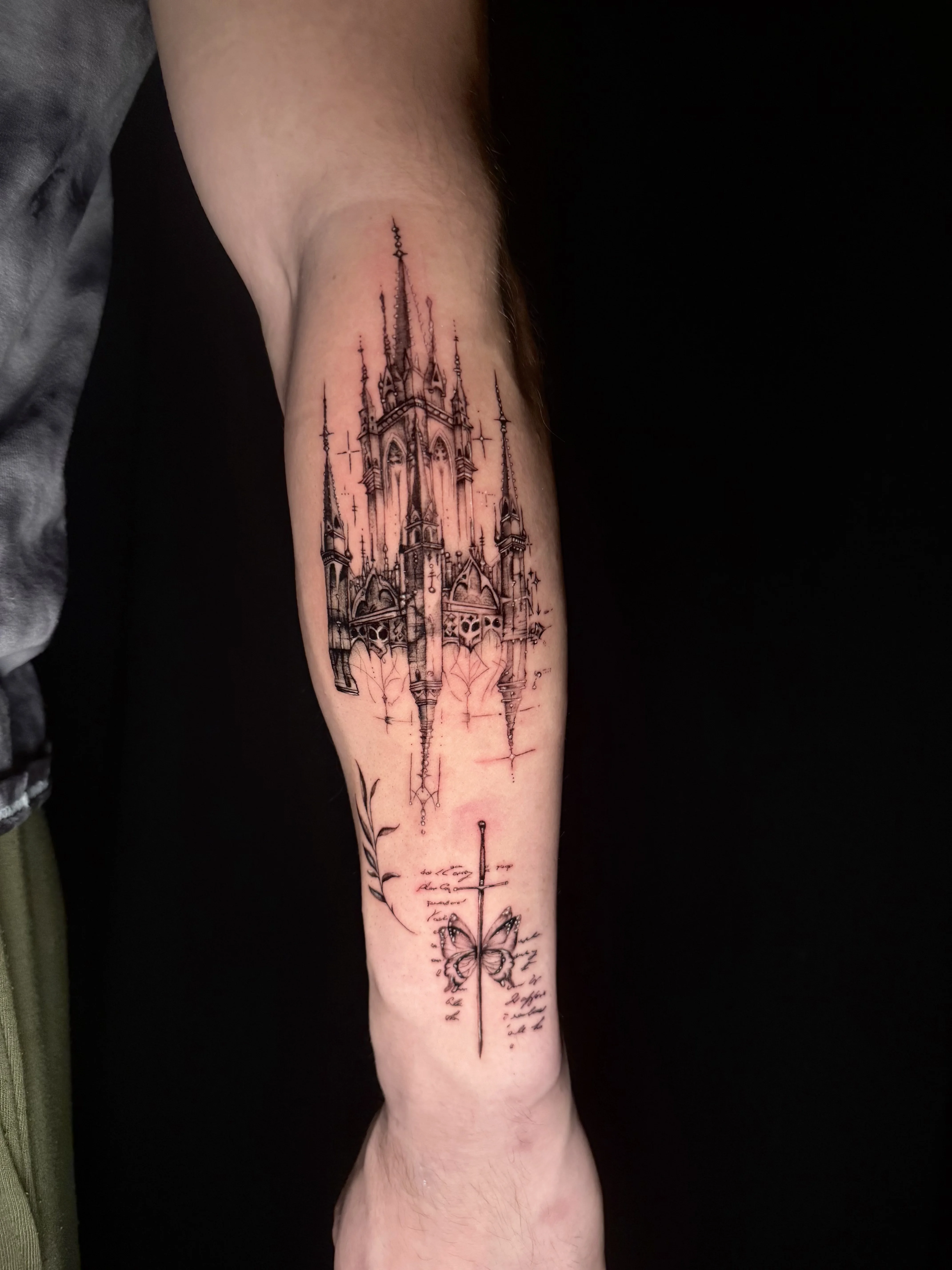
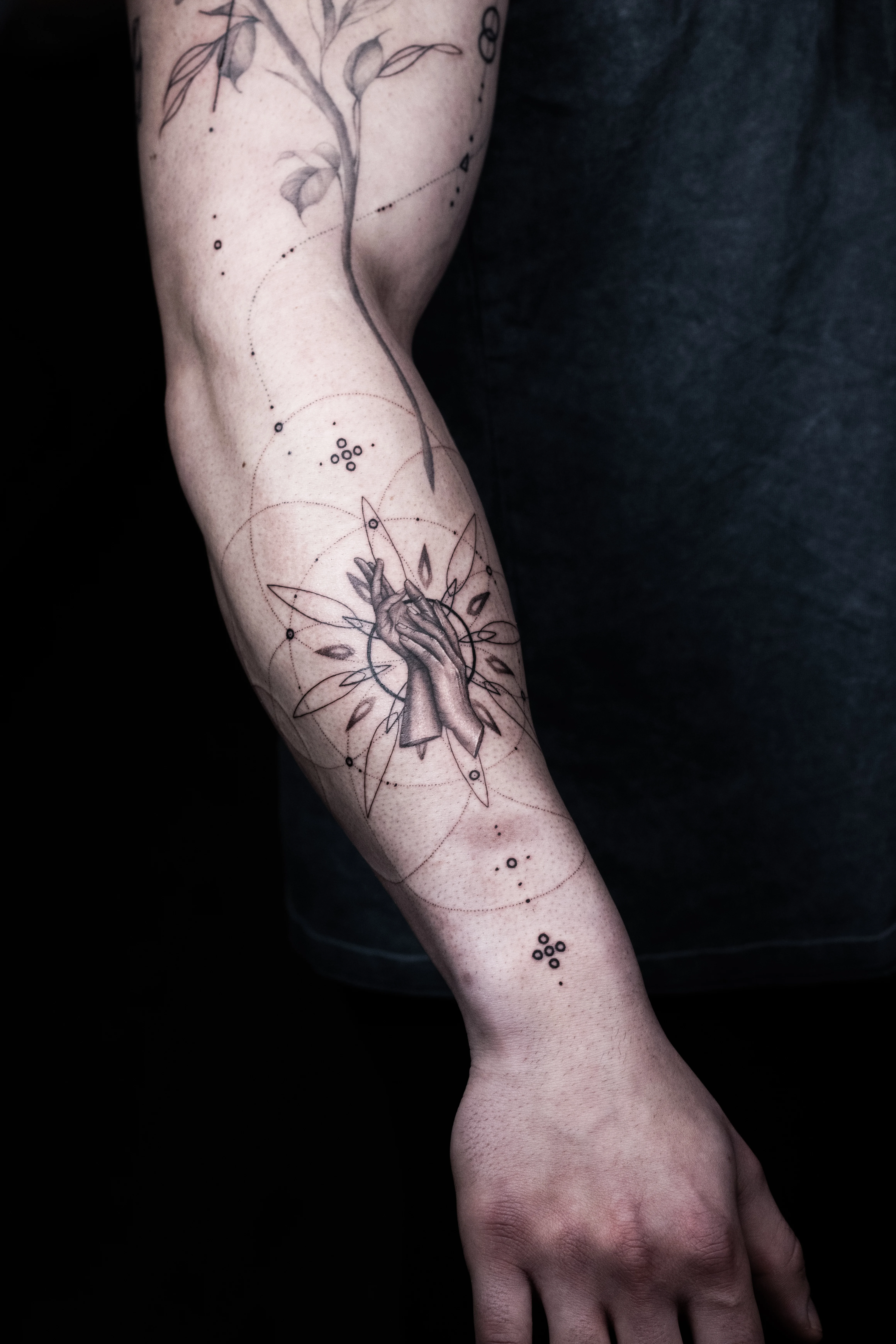
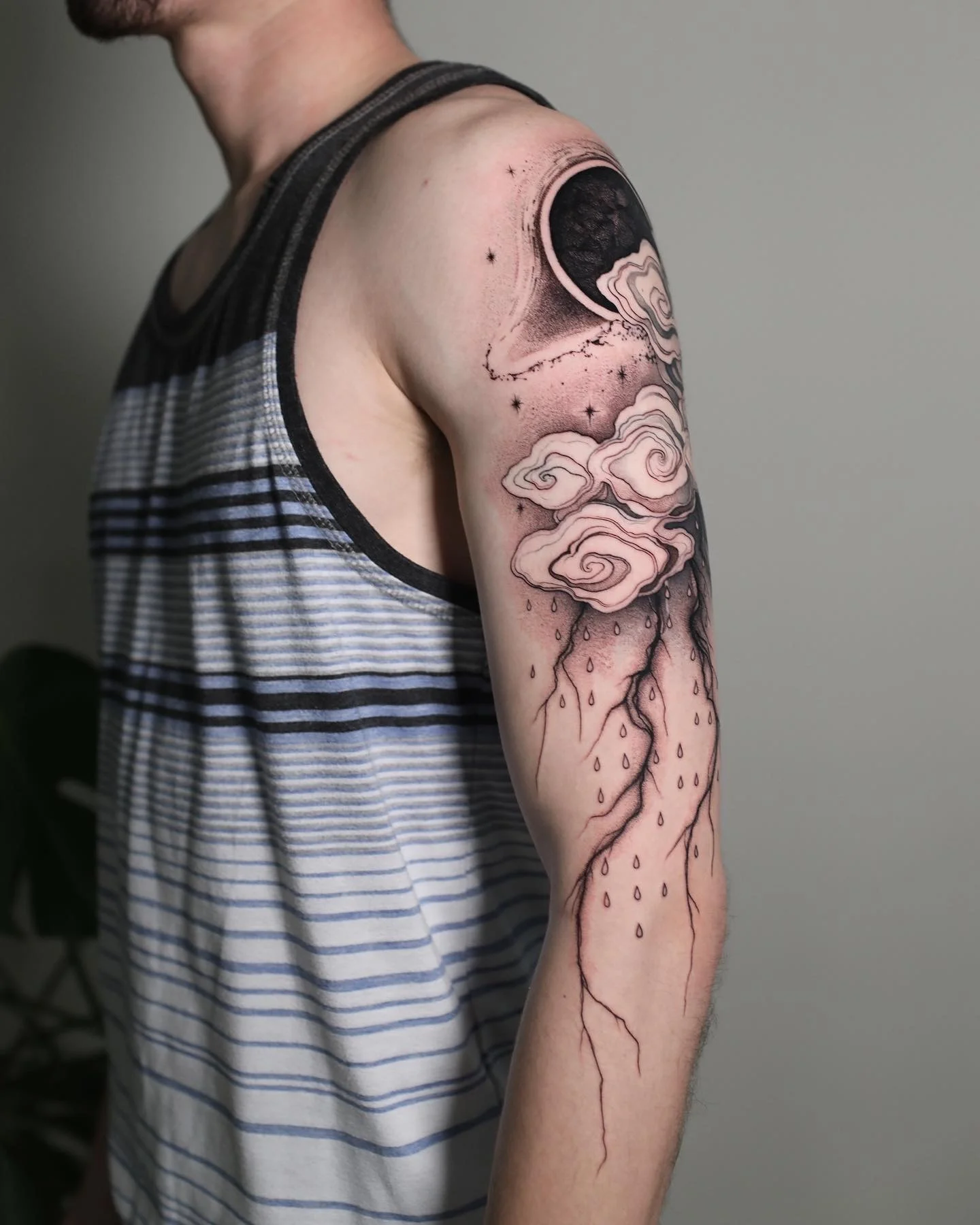
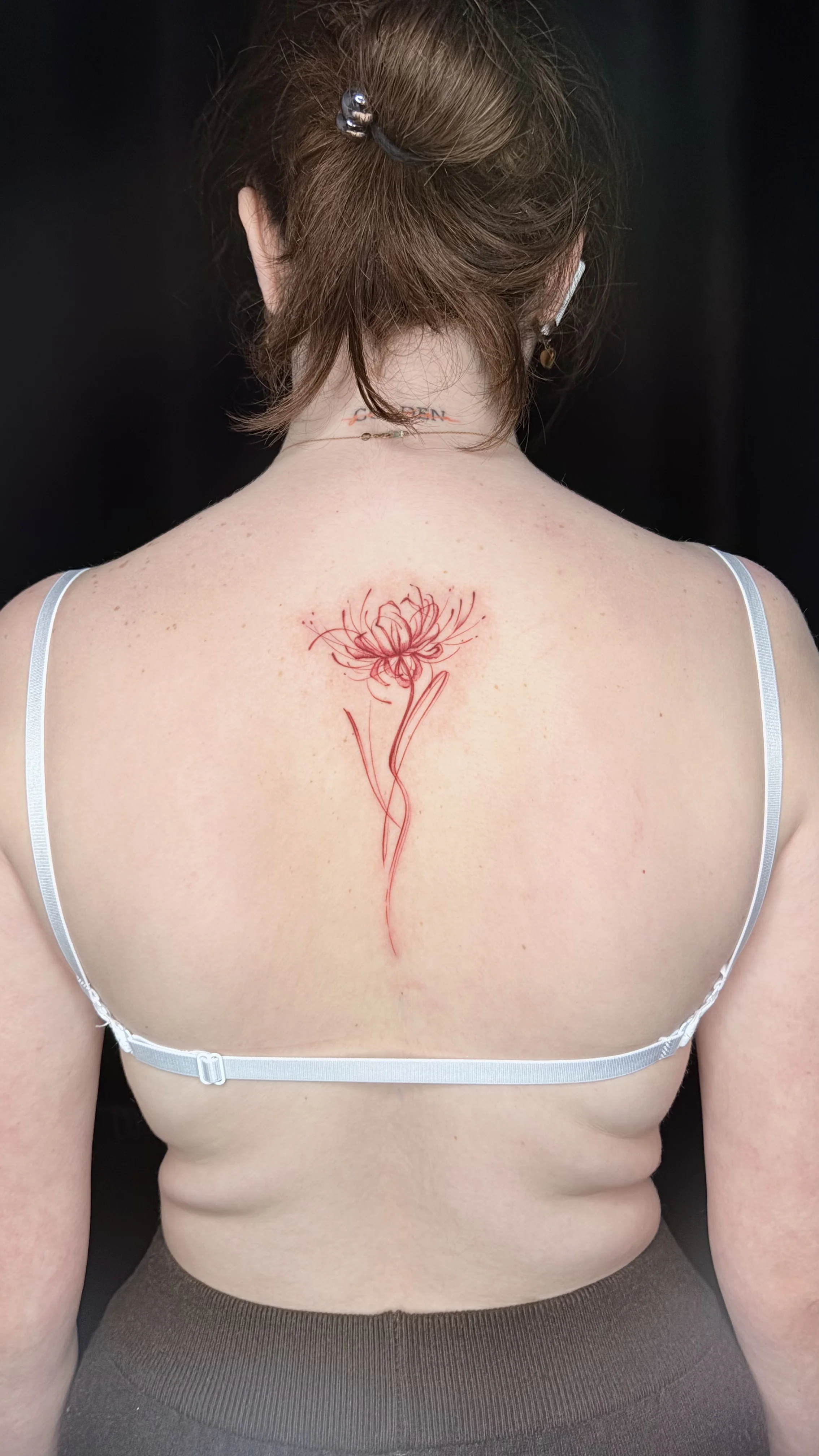
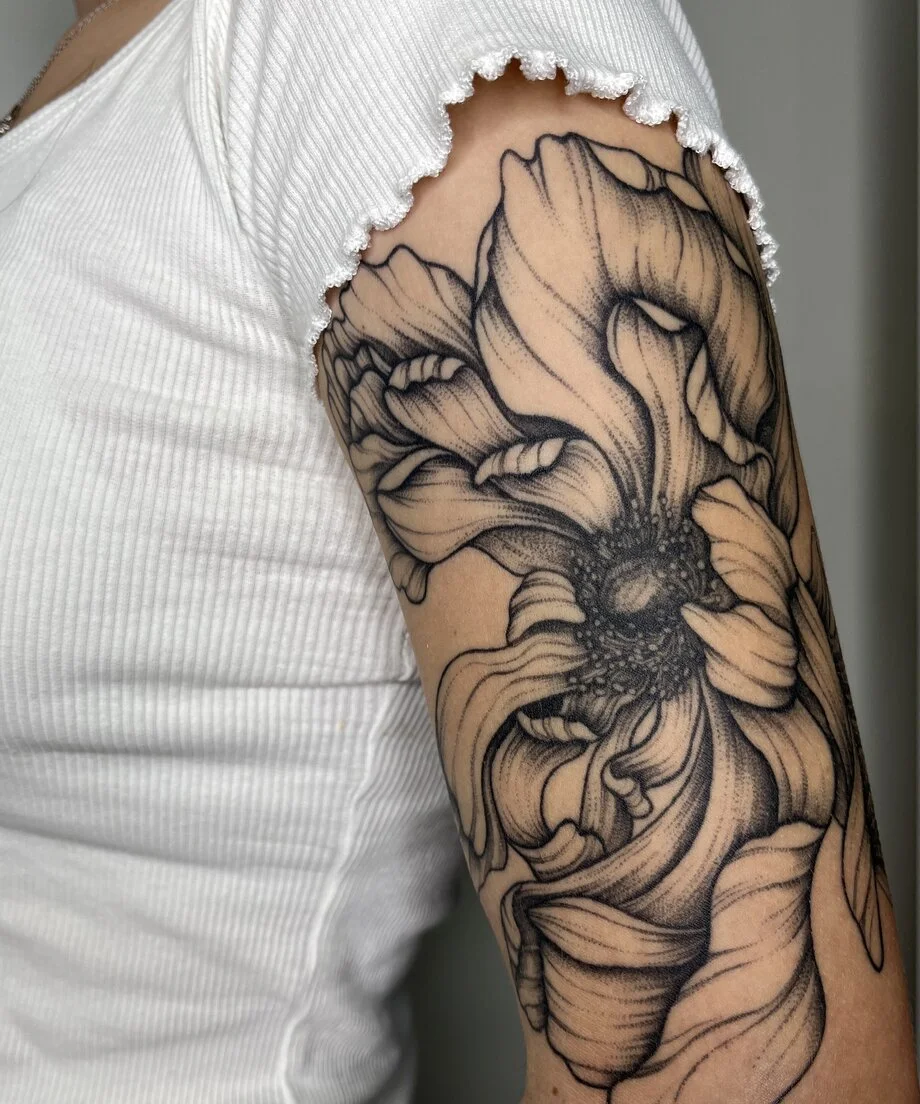
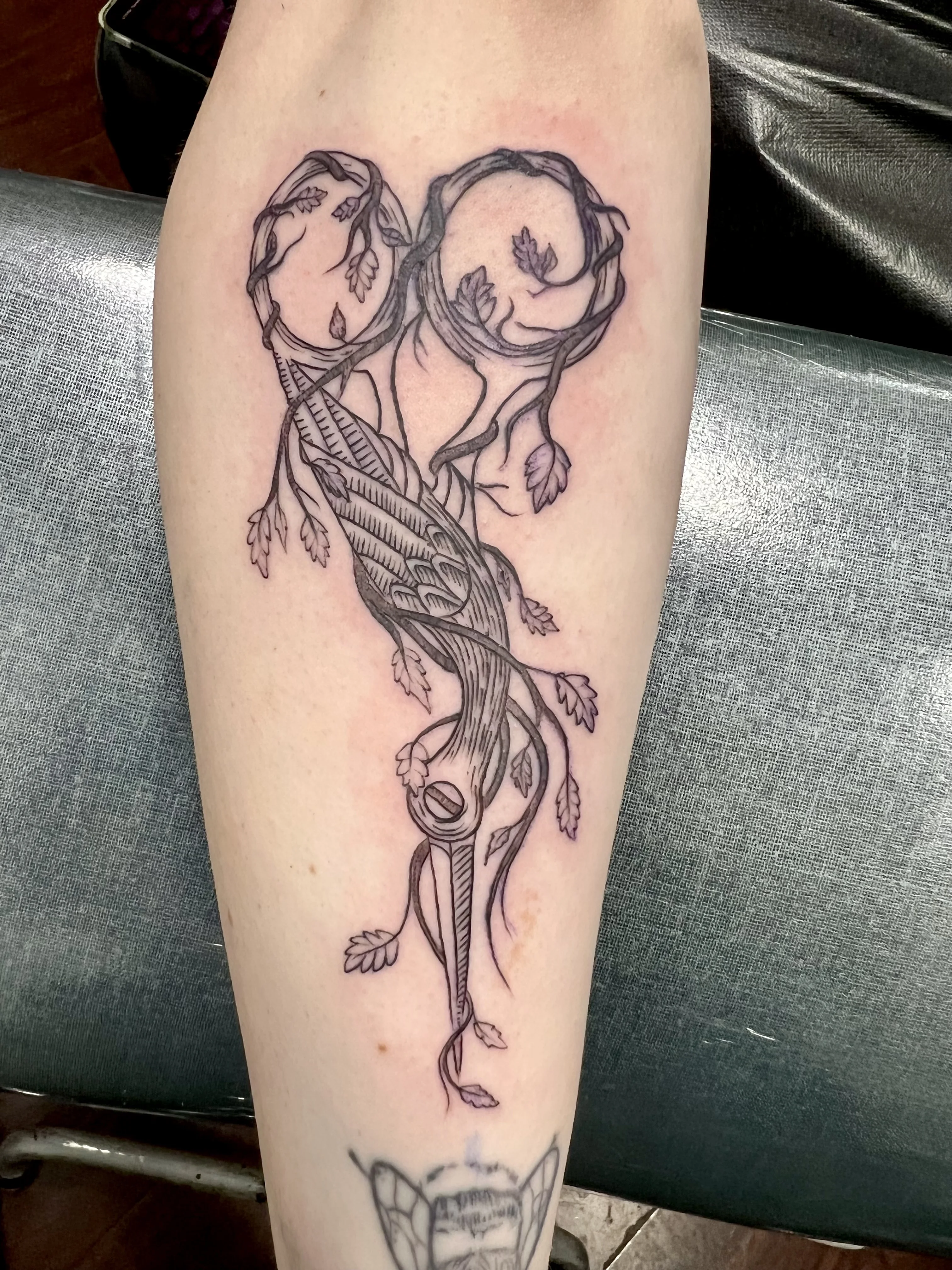
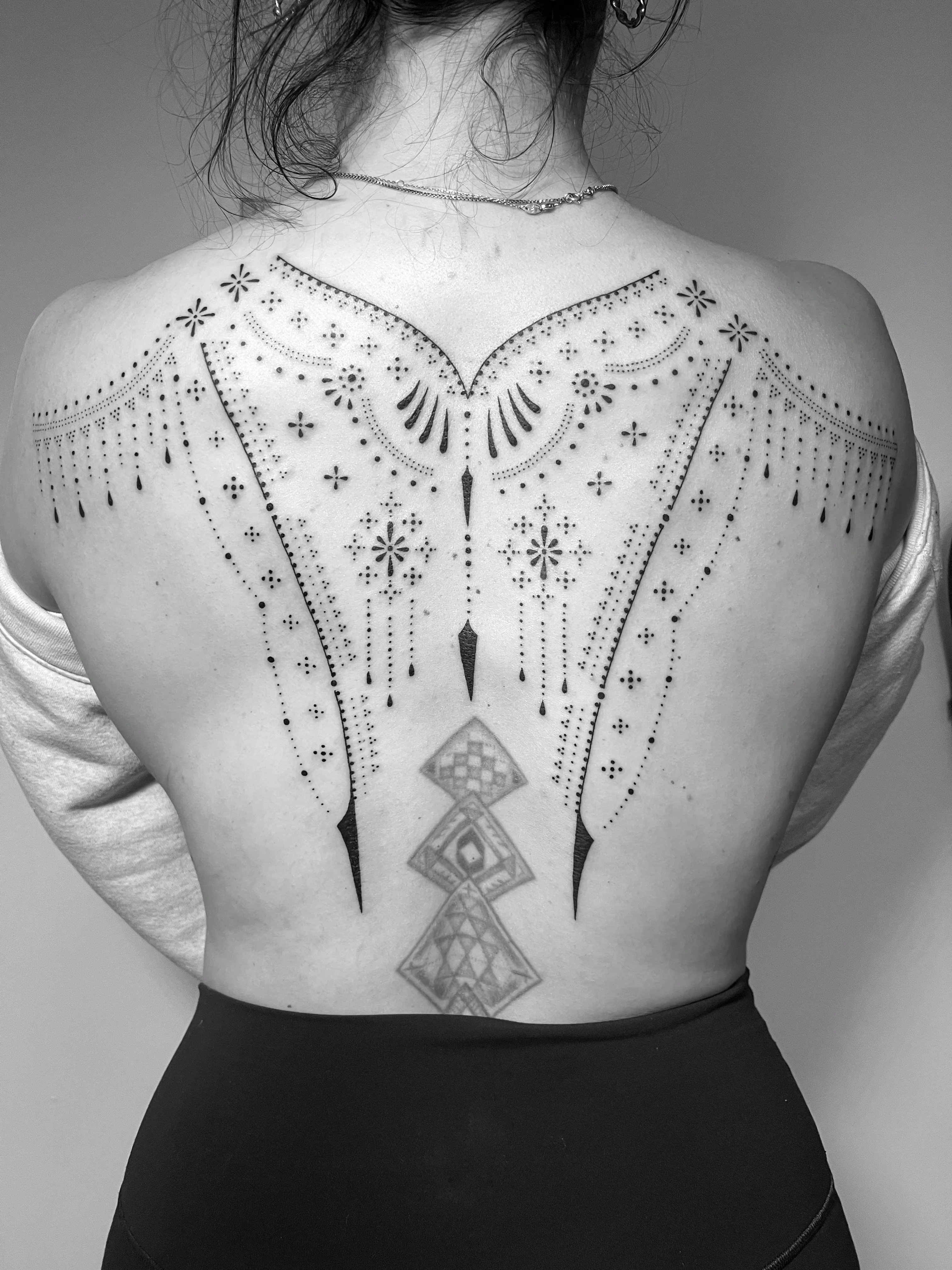
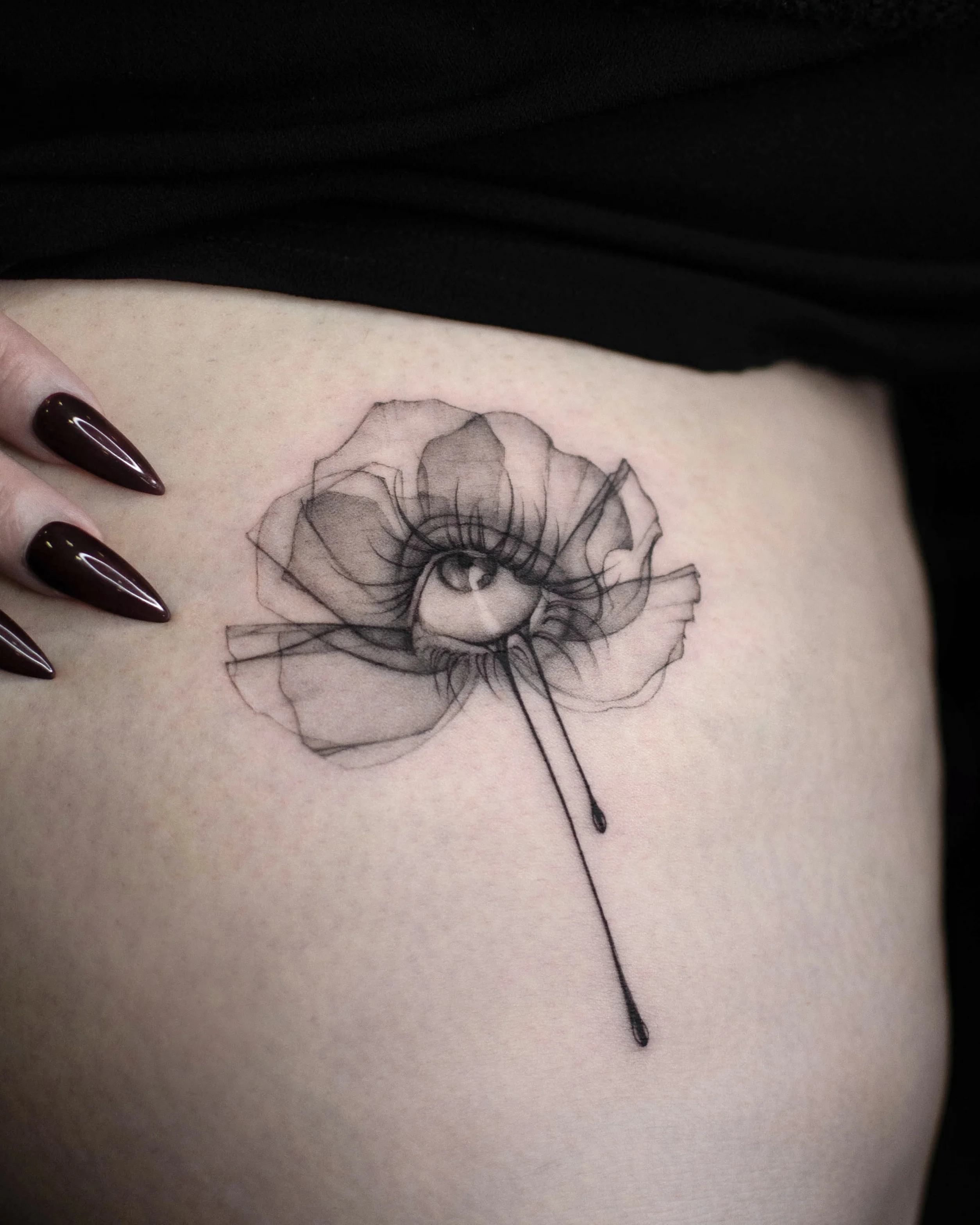
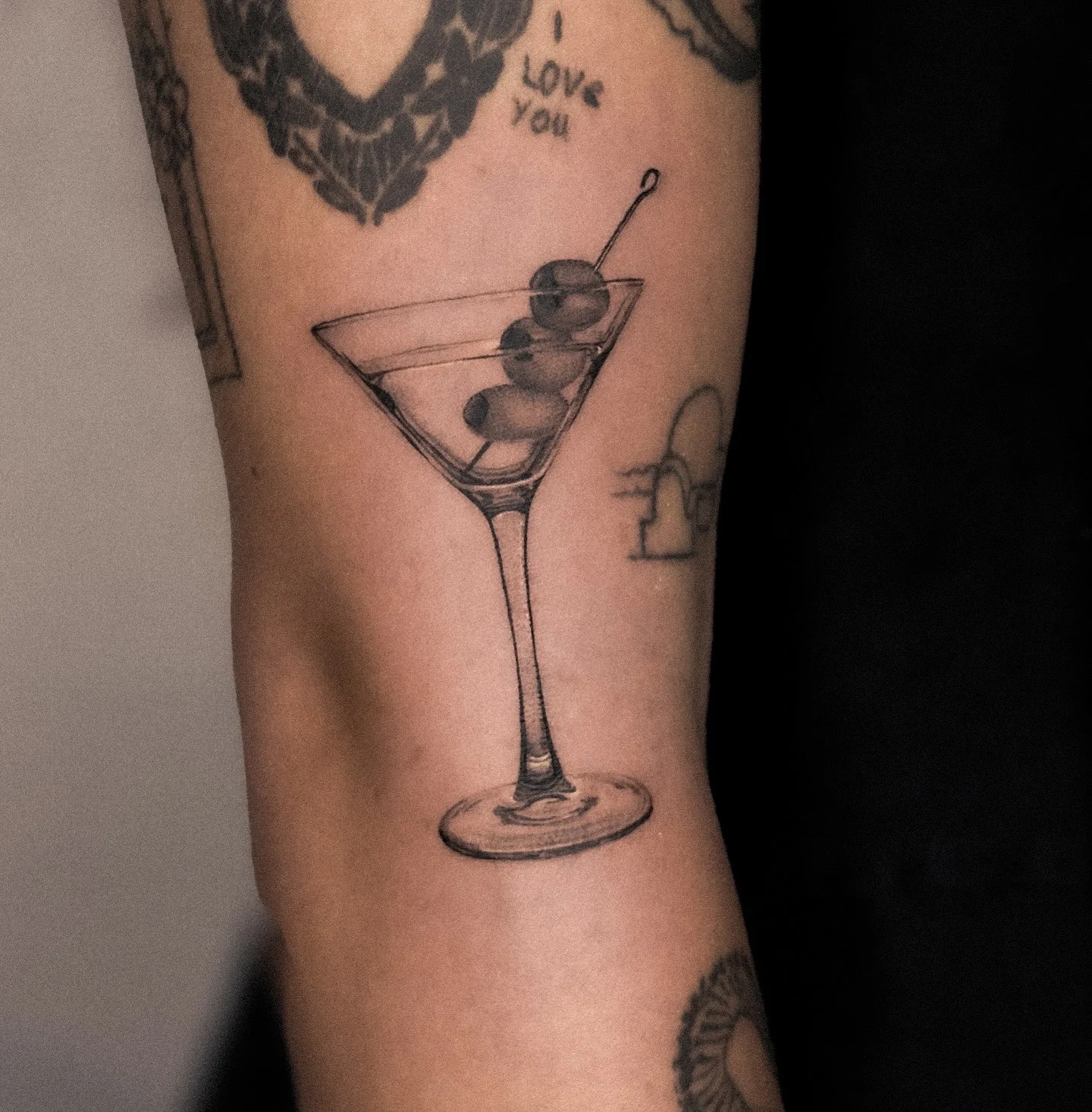
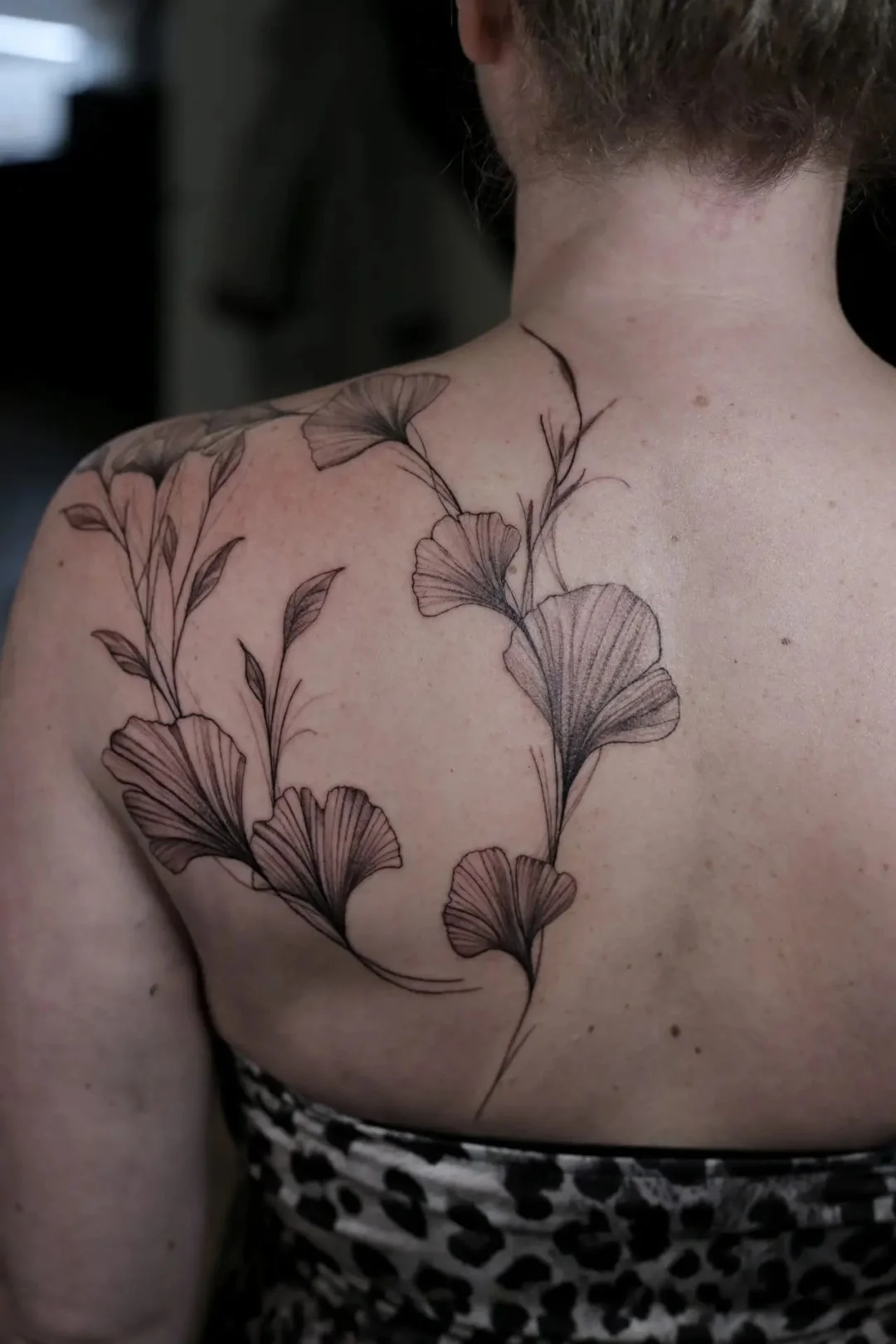
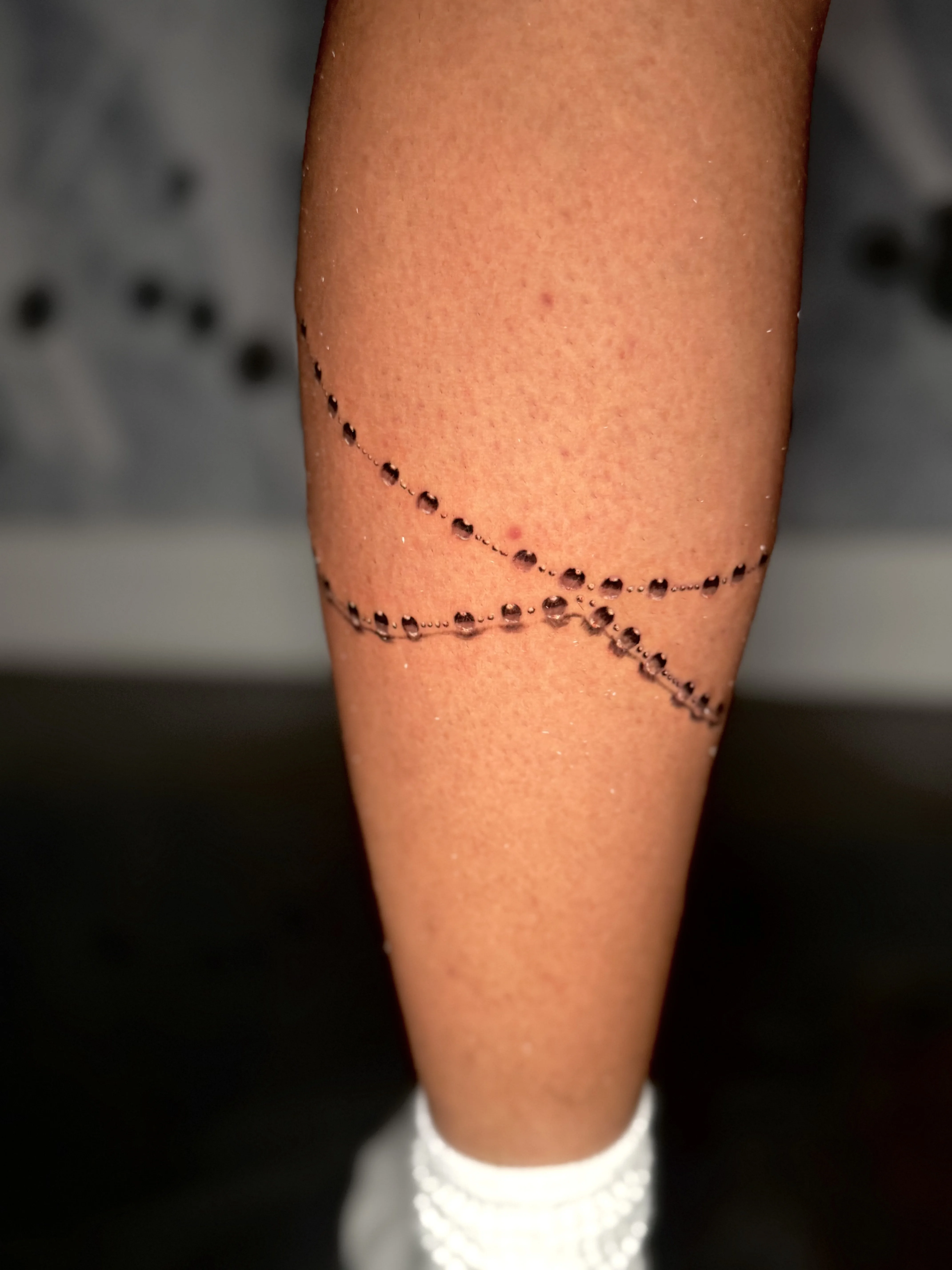
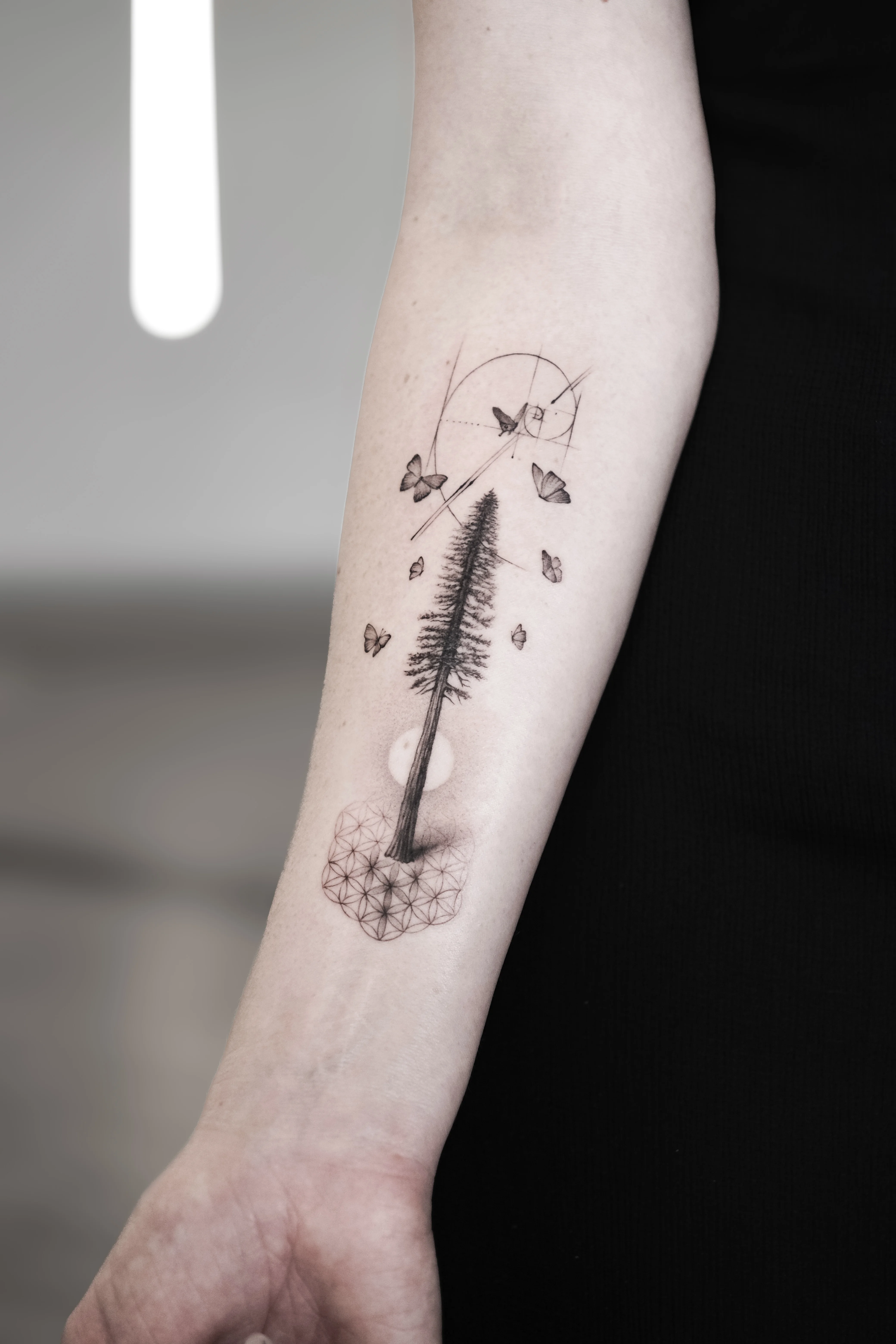
Fine line work is defined by thin, even lines, a lot of open skin, and subtle shading rather than heavy black. Designs tend to be small to medium in size, often with botanical, celestial, or symbolic subjects, and the best pieces feel effortless even though they take a very steady hand.
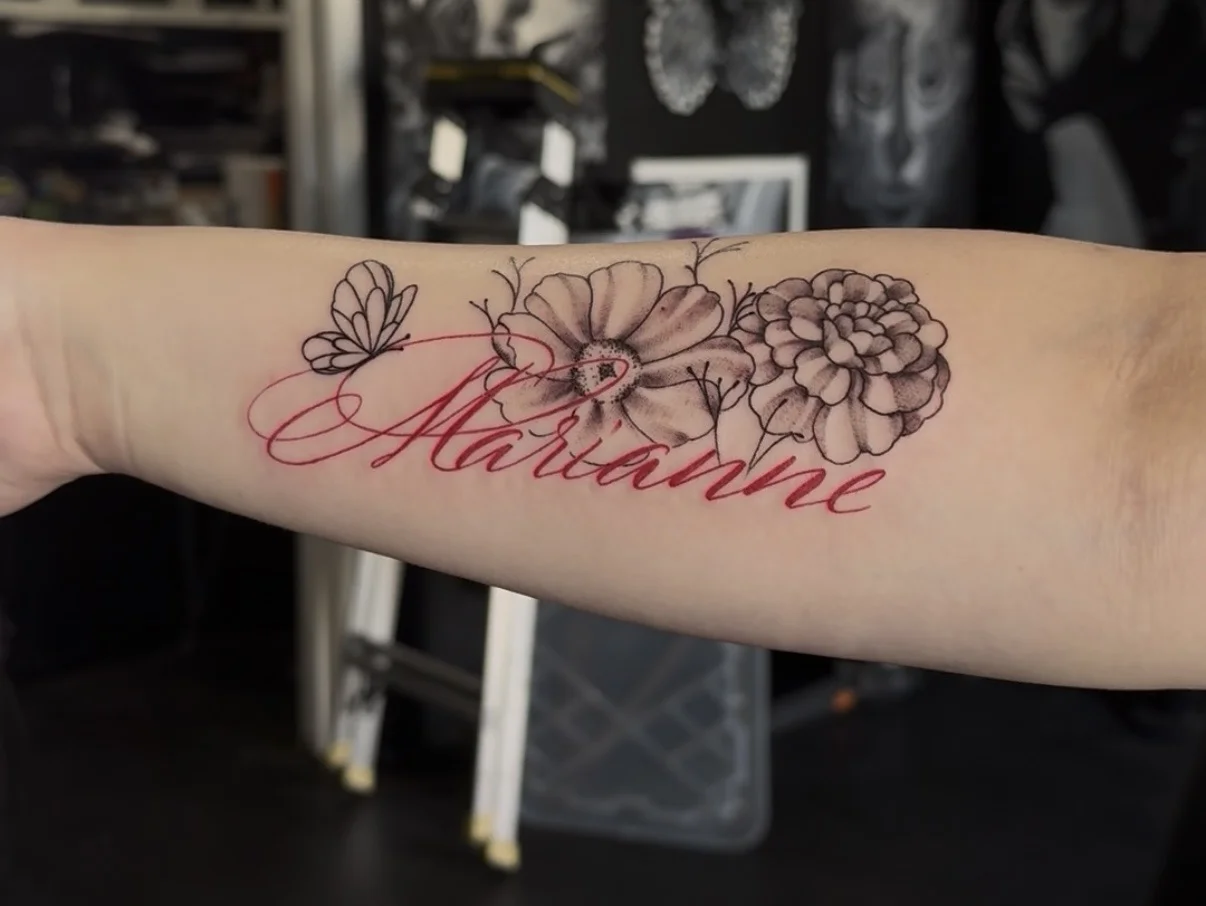
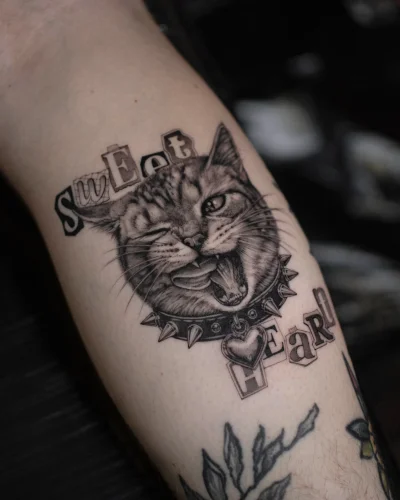
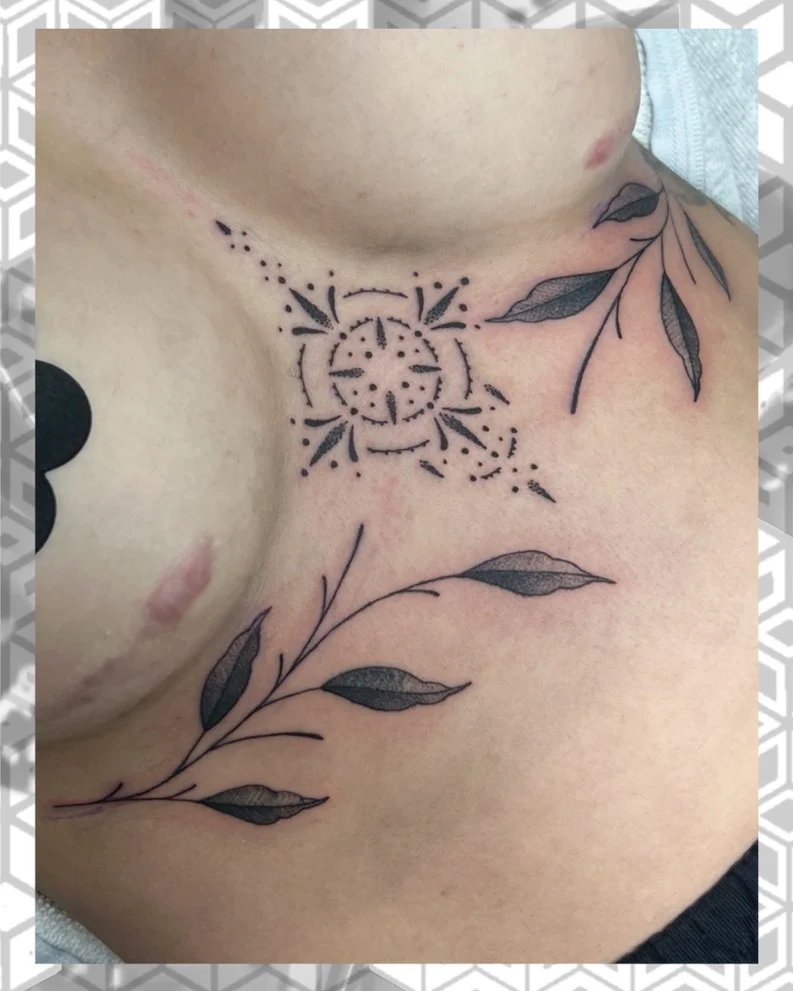
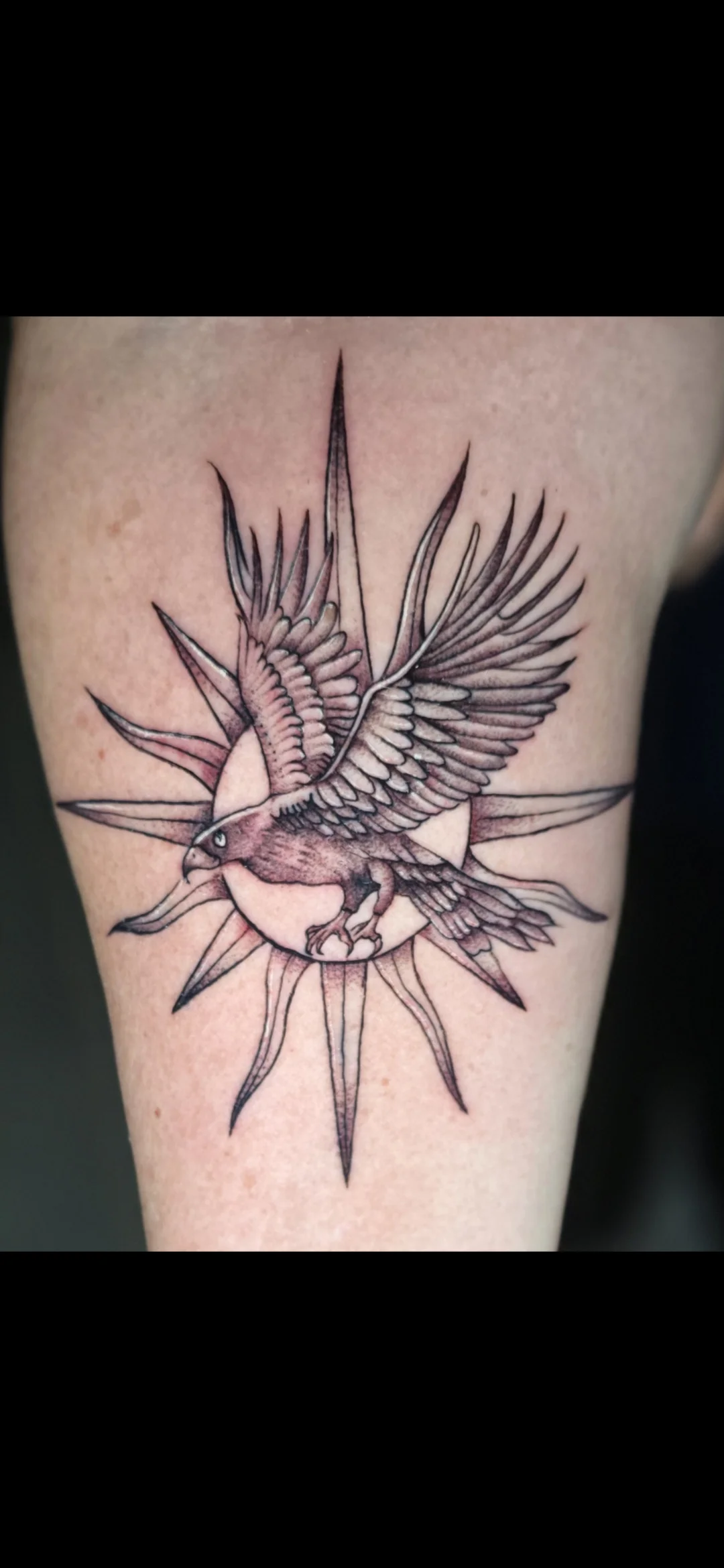
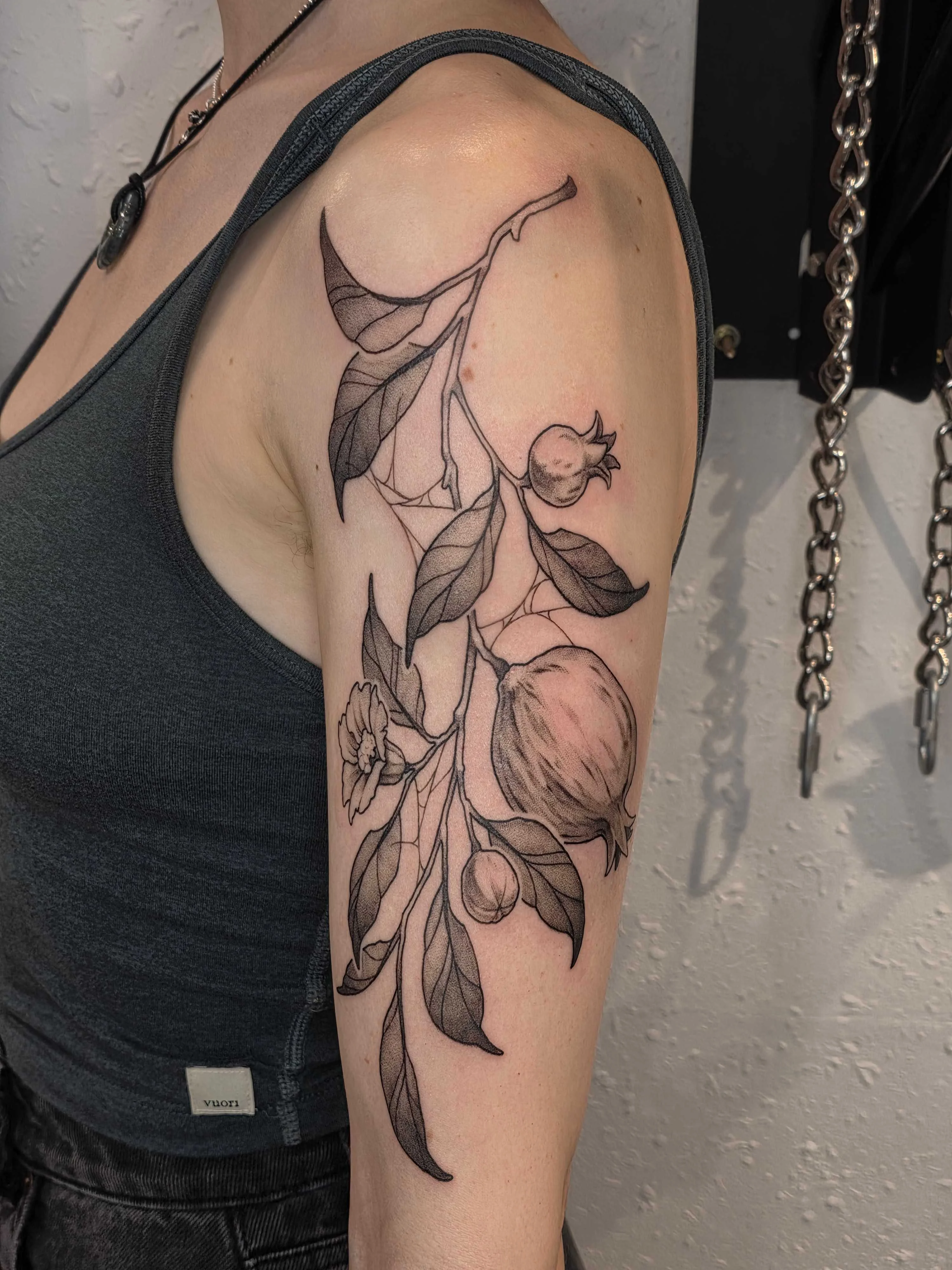
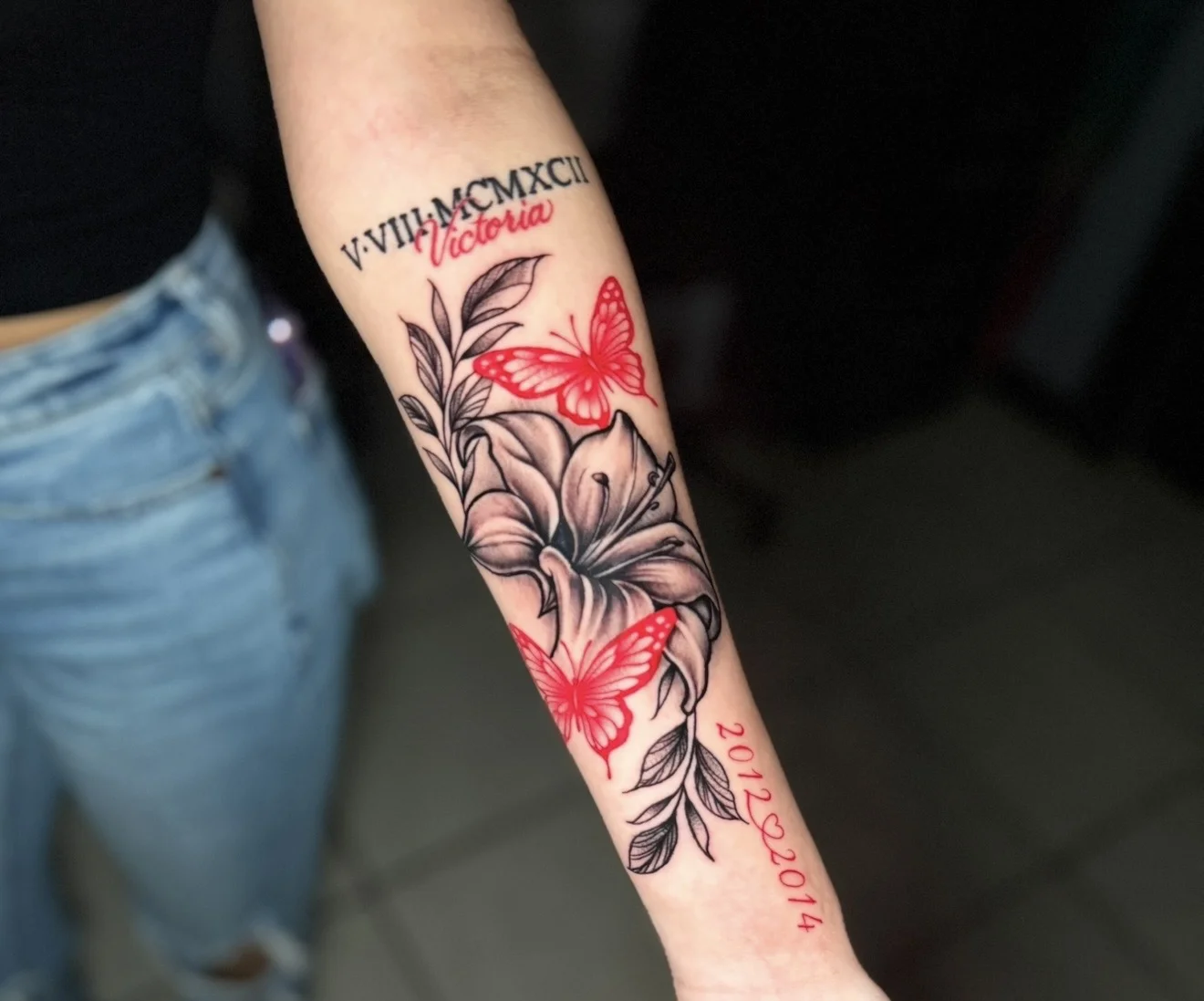
Common subjects in the fine line work on Freshly Inked include flowers and leaves, butterflies, nature, script, spiritual symbols, and delicate ornamental details, often placed on the forearm or upper arm.
How to spot a strong fine line tattoo artist
The most important thing to look for is healed work. Hair-thin lines that sit too shallow can fade, and lines packed too close or too deep can spread, so work that looks crisp on day one can look fuzzy a few years later. The artists who do this well have specific approaches to needle choice, ink density, depth, and spacing that build the tattoo to last.
When you look through a portfolio, the question isn't only whether the work looks beautiful today. Ask whether the artist has healed photos from two or three years out, because that's where fine line technique either holds its precision or spreads out of legibility. Clean, consistent lines without blowouts are the other clear sign of skill.
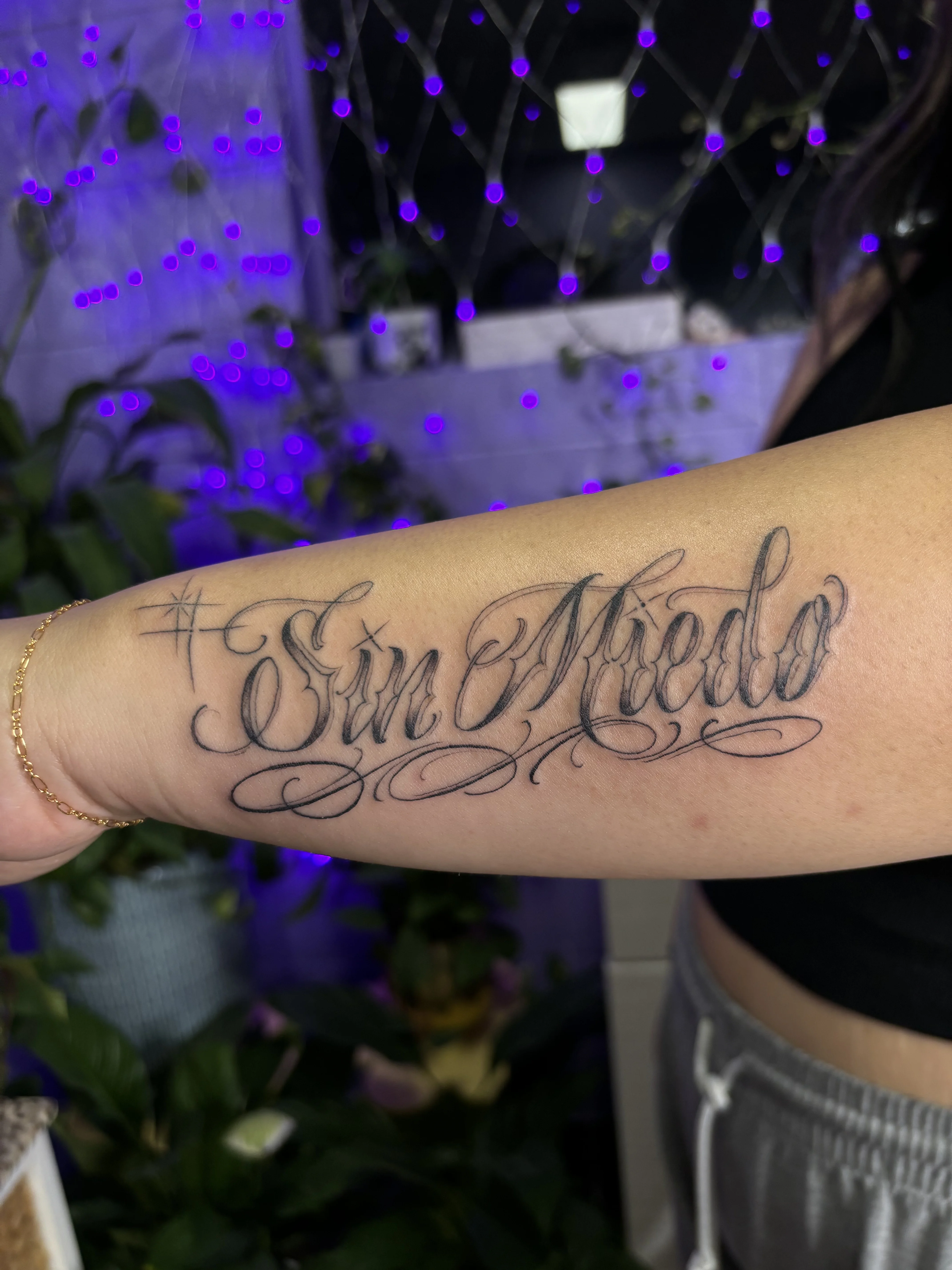
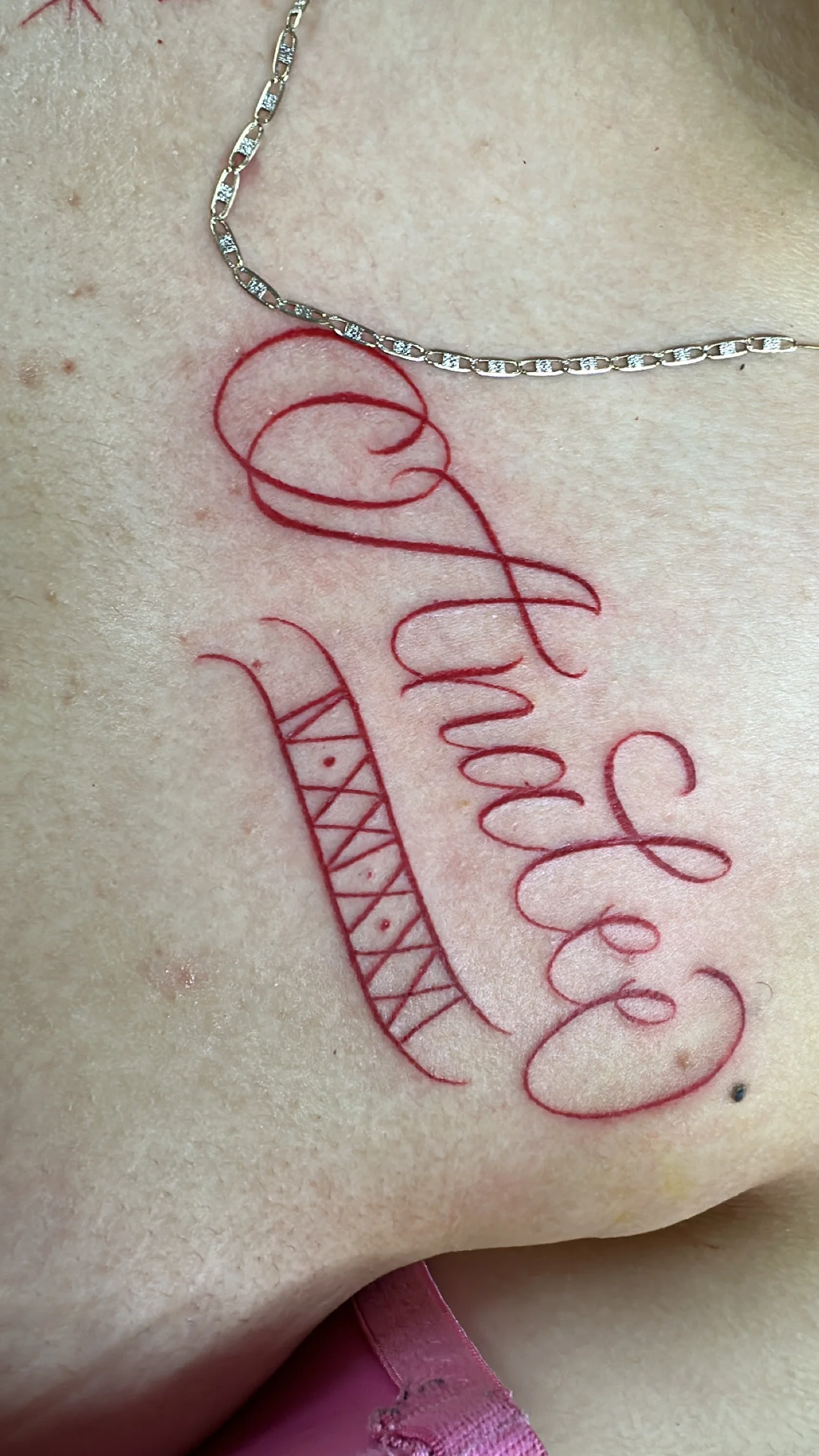
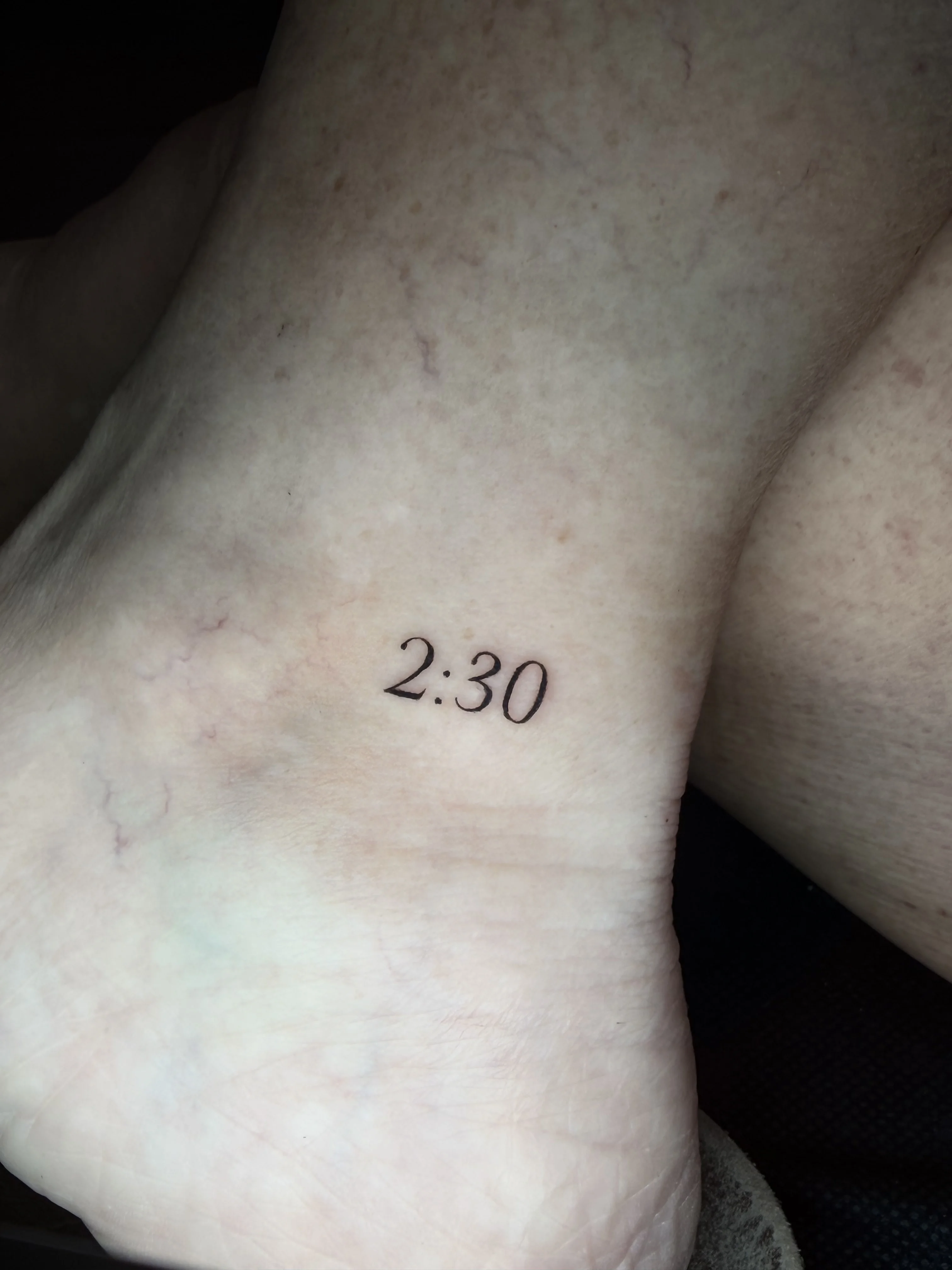
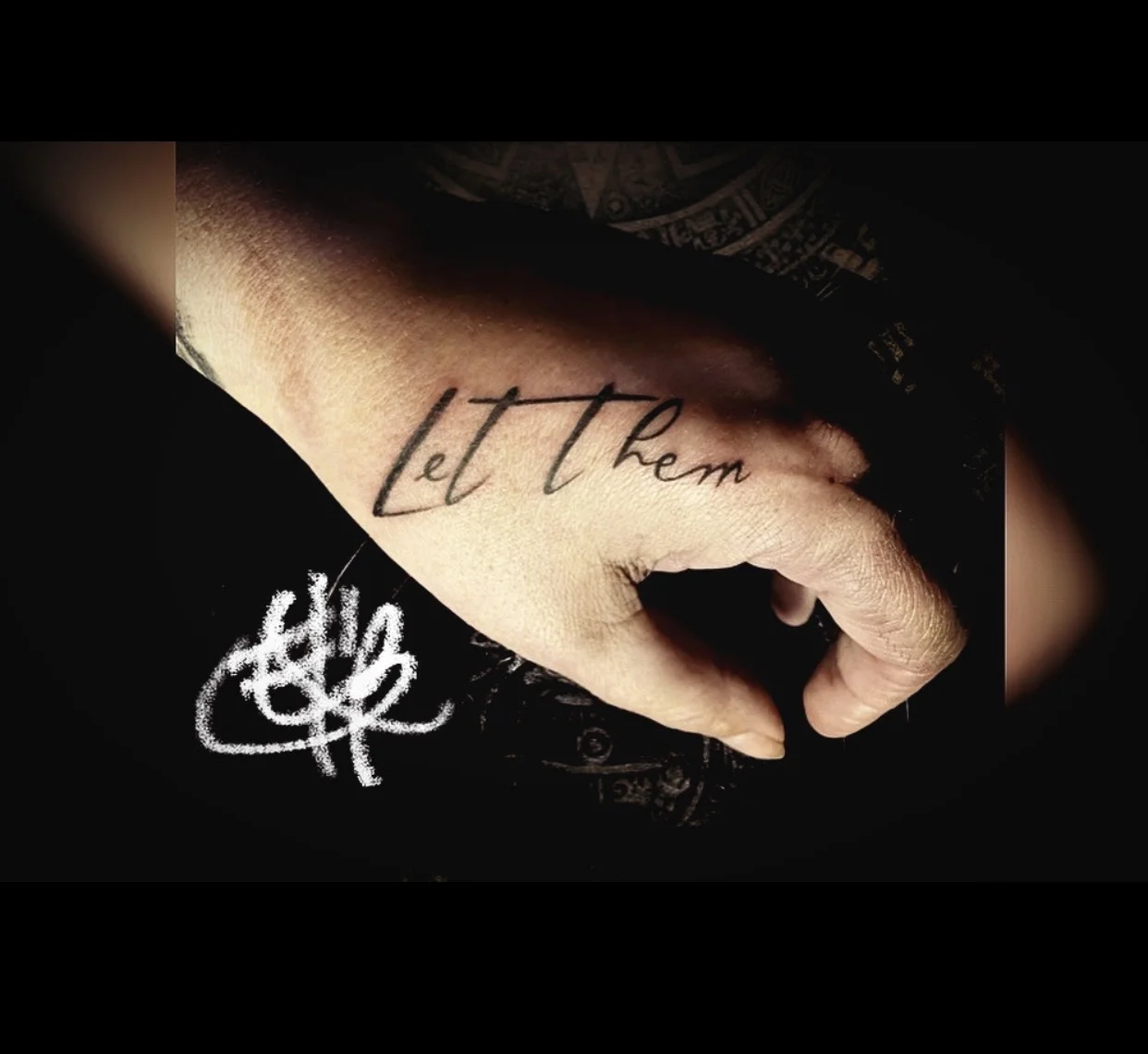
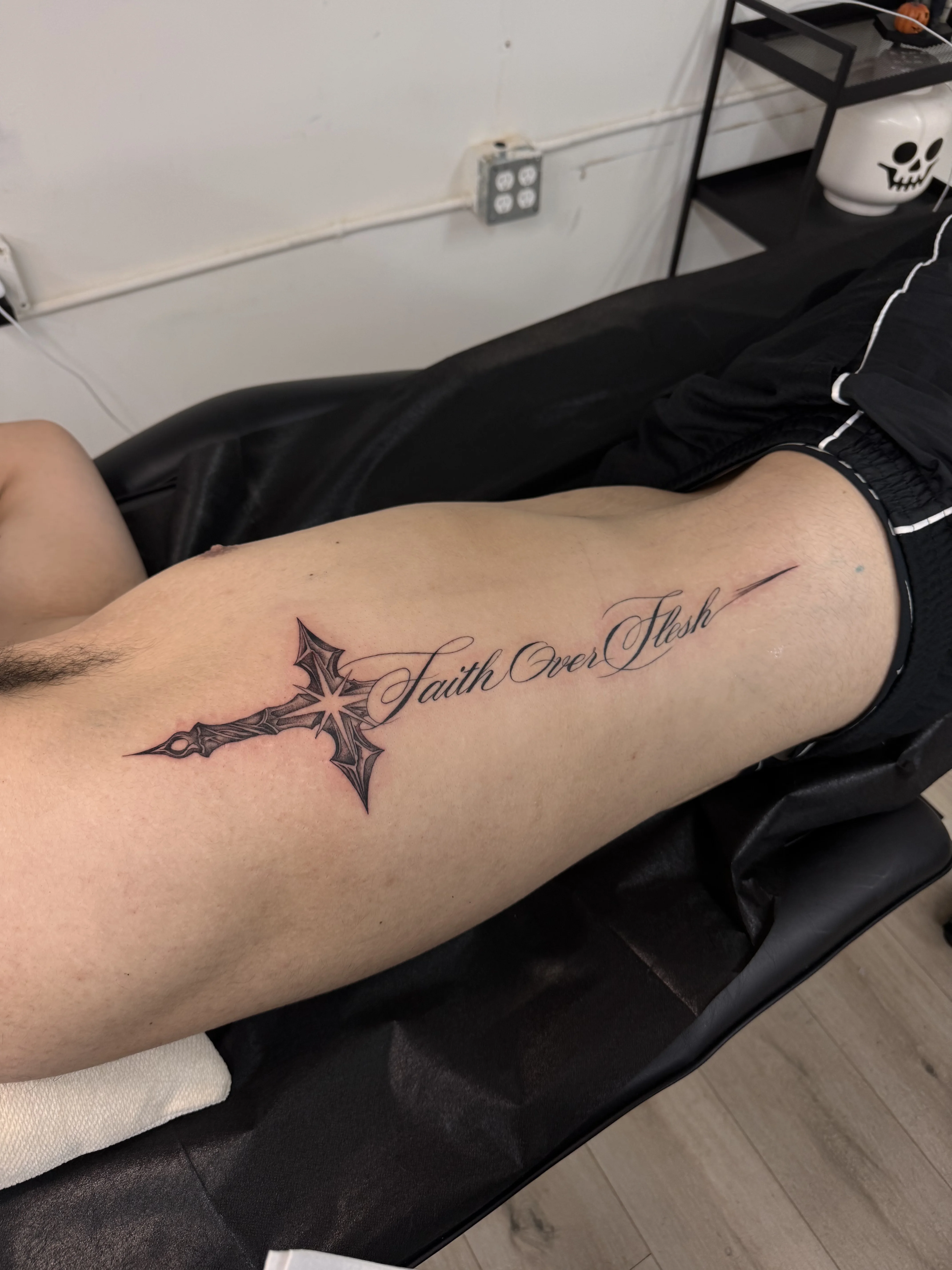
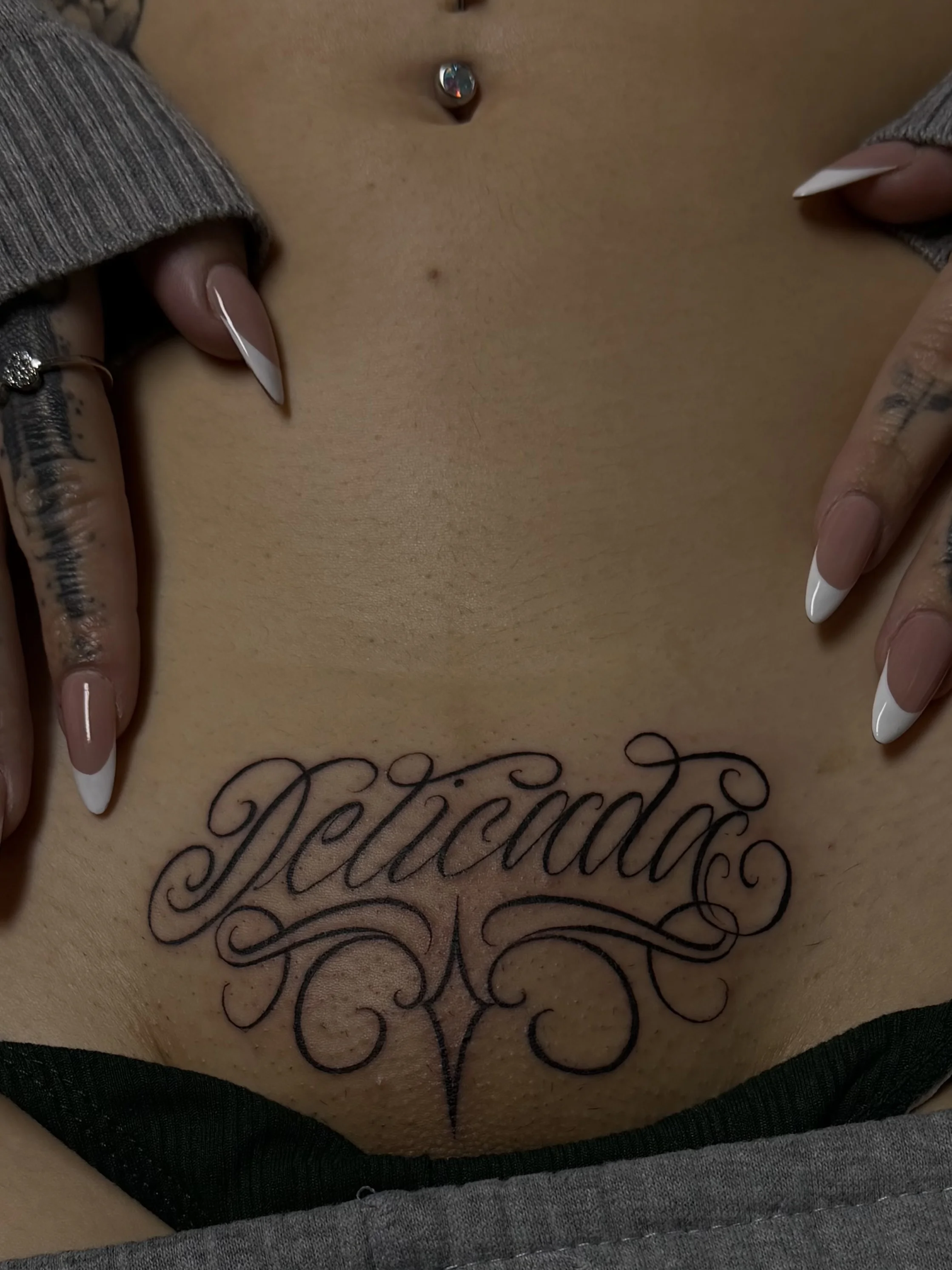
Fine line is also a popular choice for matching tattoos, memorial pieces, and script with a name or date, because the style keeps small, meaningful designs clean and understated. For script in particular, ask your artist how small the lettering can go and still stay readable, since tight letter spacing is one of the first things to blur with time.
Best placements for a fine line tattoo
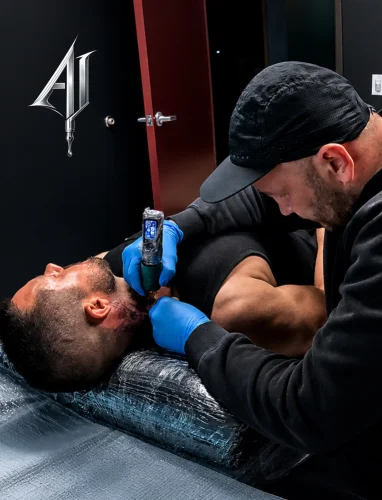
Fine line work suits placements where the skin moves less and the design is small to mid-sized. Forearms, upper arms, ribs, collarbones, ankles, and behind the ear are all common. The neck is a popular request too, and a good artist will help you size the design so it reads clearly. High-flex, high-friction areas like the inside of the hand and the fingers are harder on thin lines, so ask your artist honestly how a piece there is likely to hold up.
How fine line tattoos age
Fine line ages best when the design has enough space between its lines and enough size for its detail. Very tiny text or intricate details squeezed into a small area are what tend to blur first. Sun is hard on thin lines, so sunscreen on healed work matters, and many people plan a touch-up after the tattoo has fully healed. Choosing an artist with a strong healed portfolio is the single best thing you can do for longevity.
What affects the price and time
Smaller fine line pieces are usually quicker than other styles, but precision takes time, and many artists set a shop minimum for small work. Size, detail, shading, and the artist's experience all affect the price. Larger illustrative fine line pieces can take as long as any detailed tattoo. Most artists quote after hearing your idea and placement, and many ask for a deposit to book.
Fine line vs. similar styles
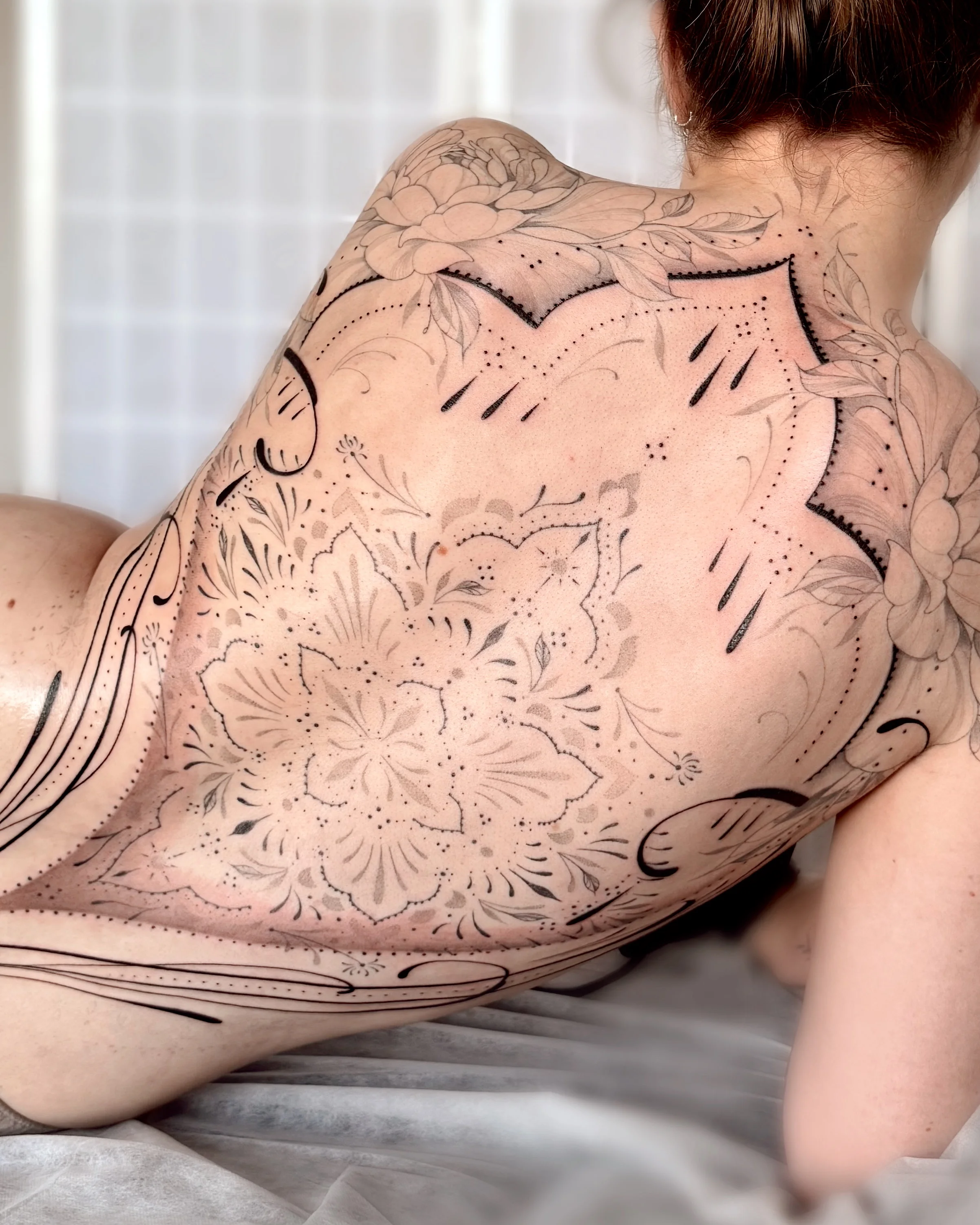
Microrealism also works small and precise, but it focuses on photoreal shading rather than linework. Ornamental tattoos often use fine lines for decorative, pattern-based designs. Watercolor is sometimes paired with fine line outlines to add soft color. If you want something delicate and minimal, fine line is the style to start with.
How to find and book a fine line tattoo artist
Browse the fine line work below and save the pieces that feel closest to the direction you're picturing. On Freshly Inked, fine line artists are working in cities including Los Angeles, San Diego, San Antonio, Charleston, and Visalia. Open the artist whose work fits, look through their full portfolio and especially their healed work, and send a booking inquiry with your idea and a few references. Your request goes straight to the artist, and they take it from there.
Artists







The Work
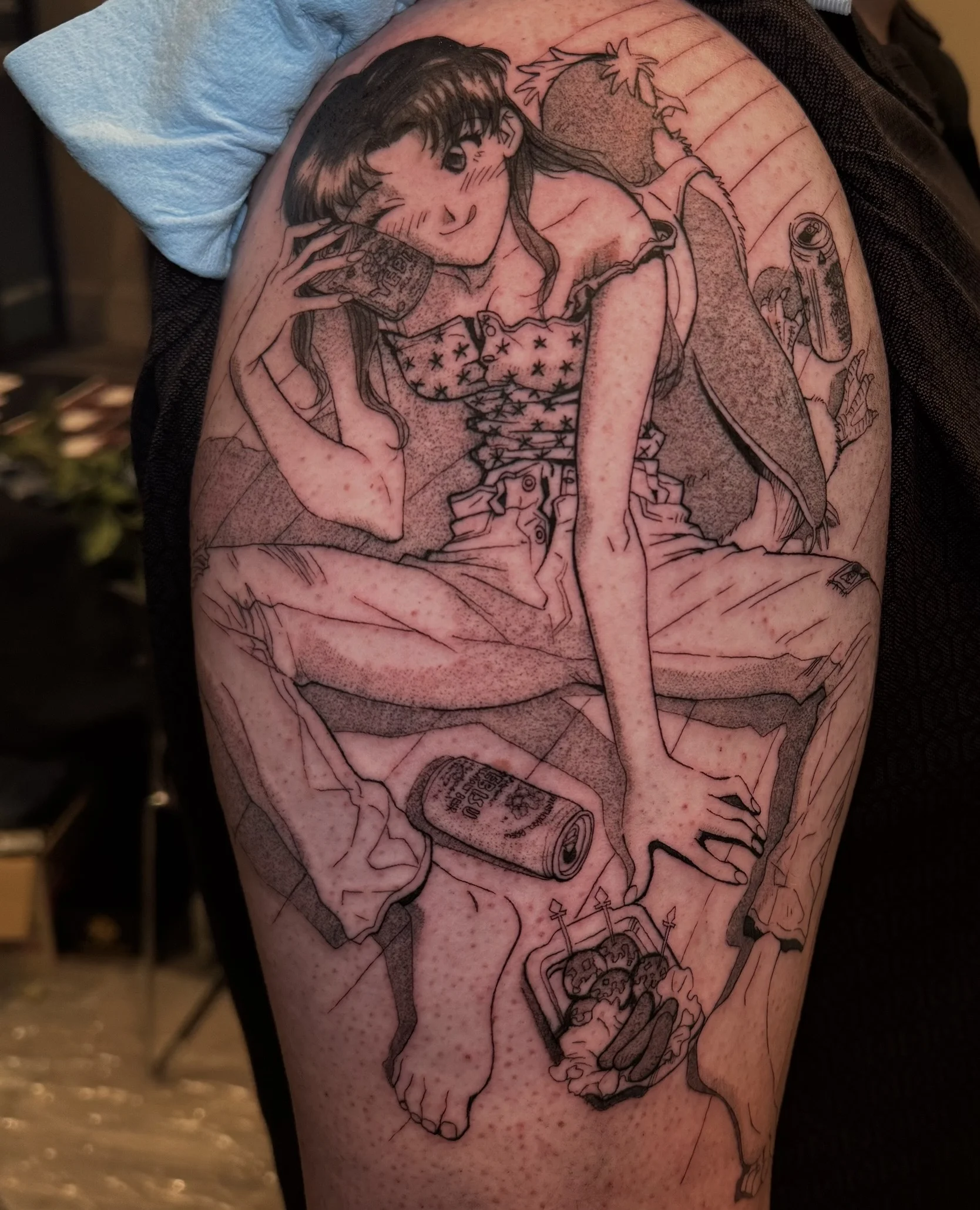
 Abigail Louise
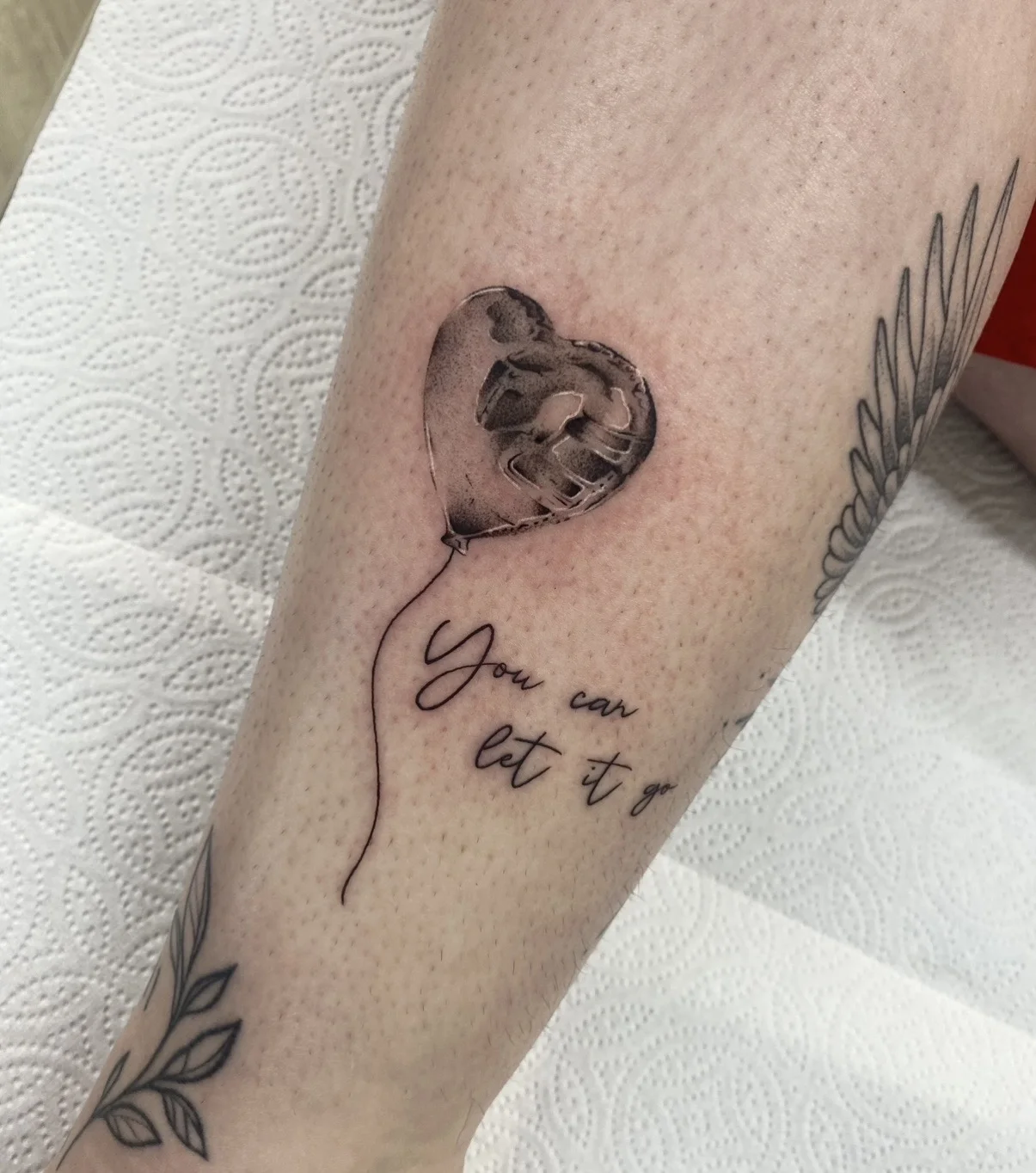
 Dana Nicole
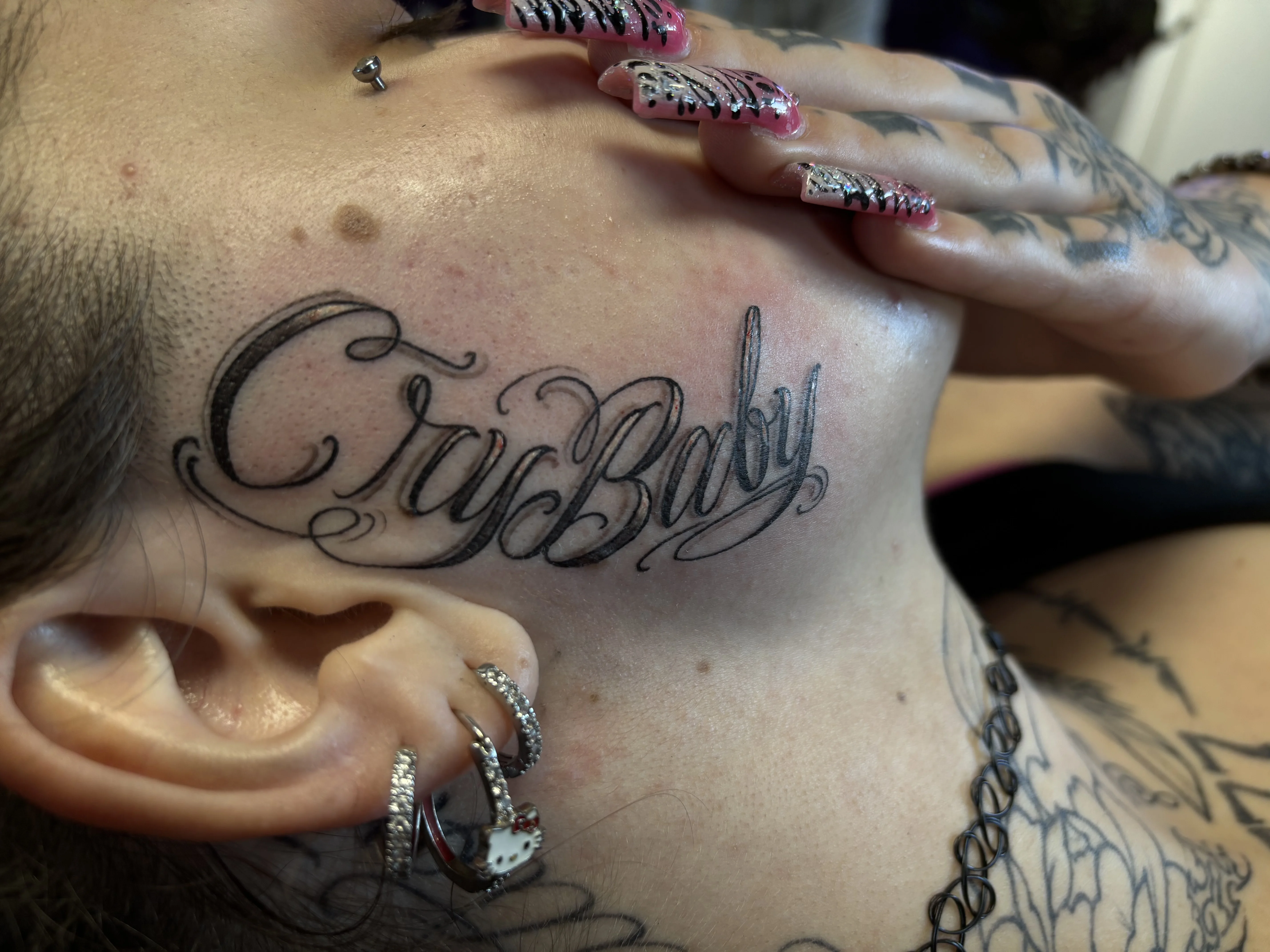
 Aliye Gaygusuz
 Bbydee
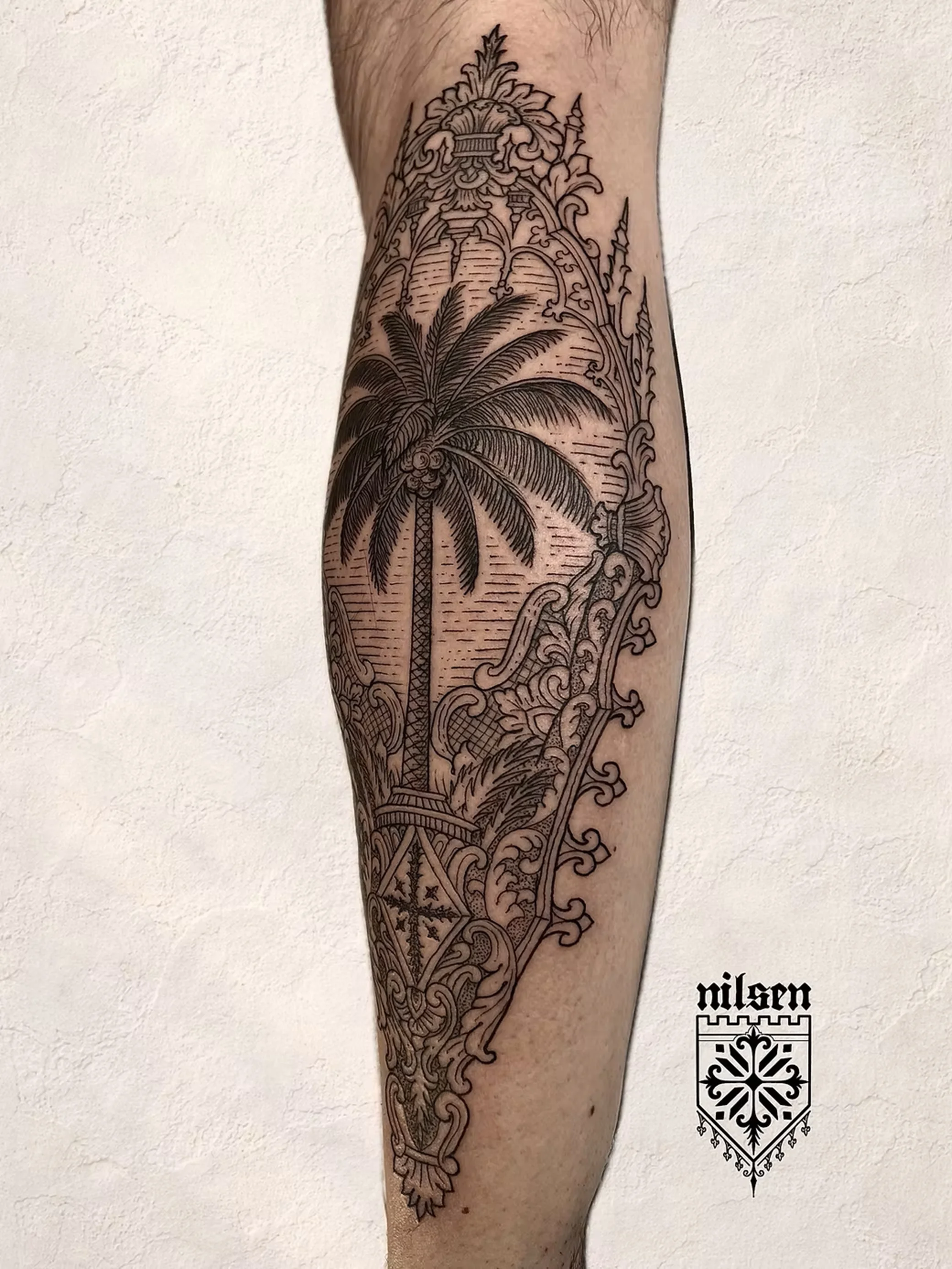 Kirk Nilsen
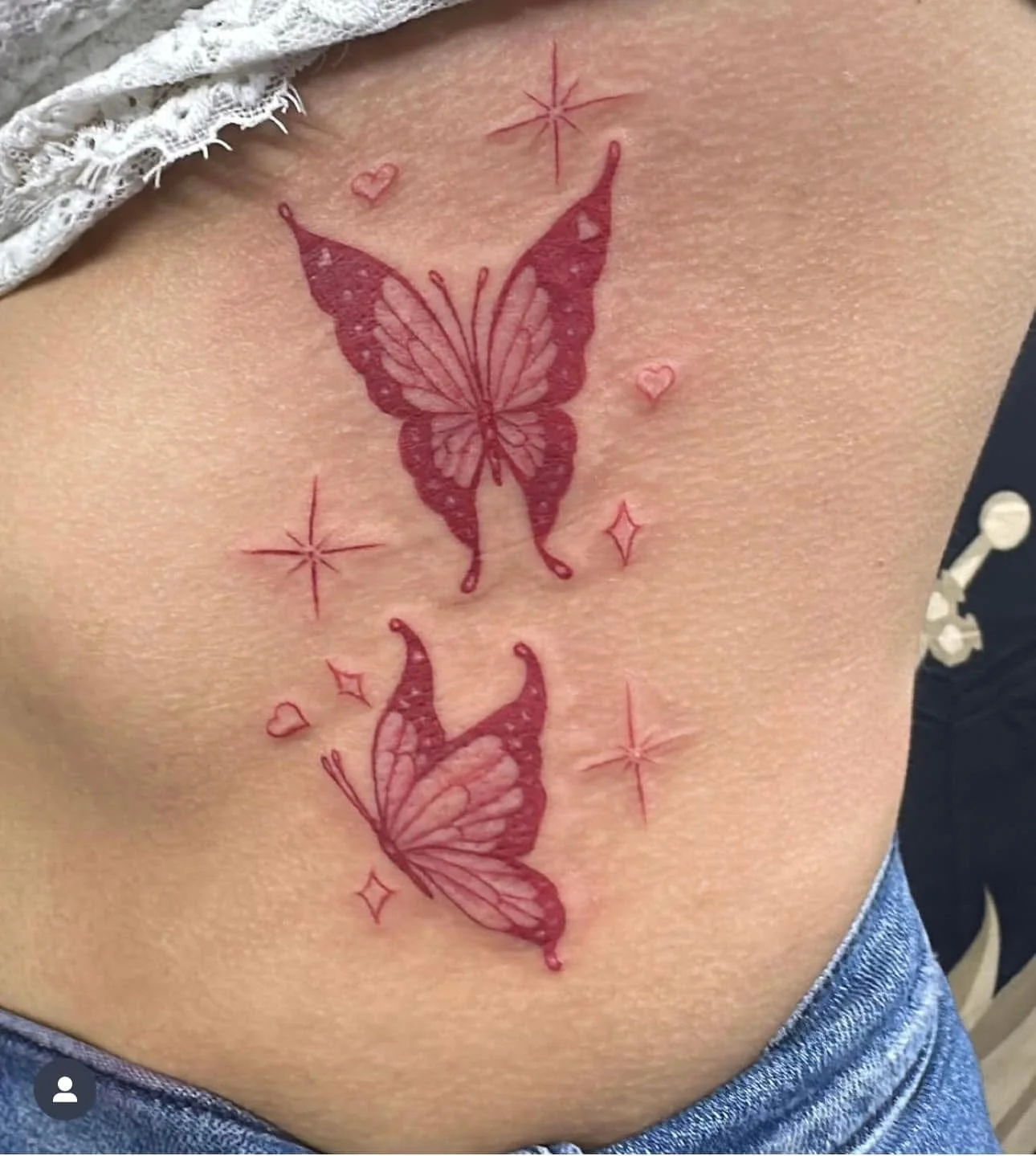 Bumpy Munoz
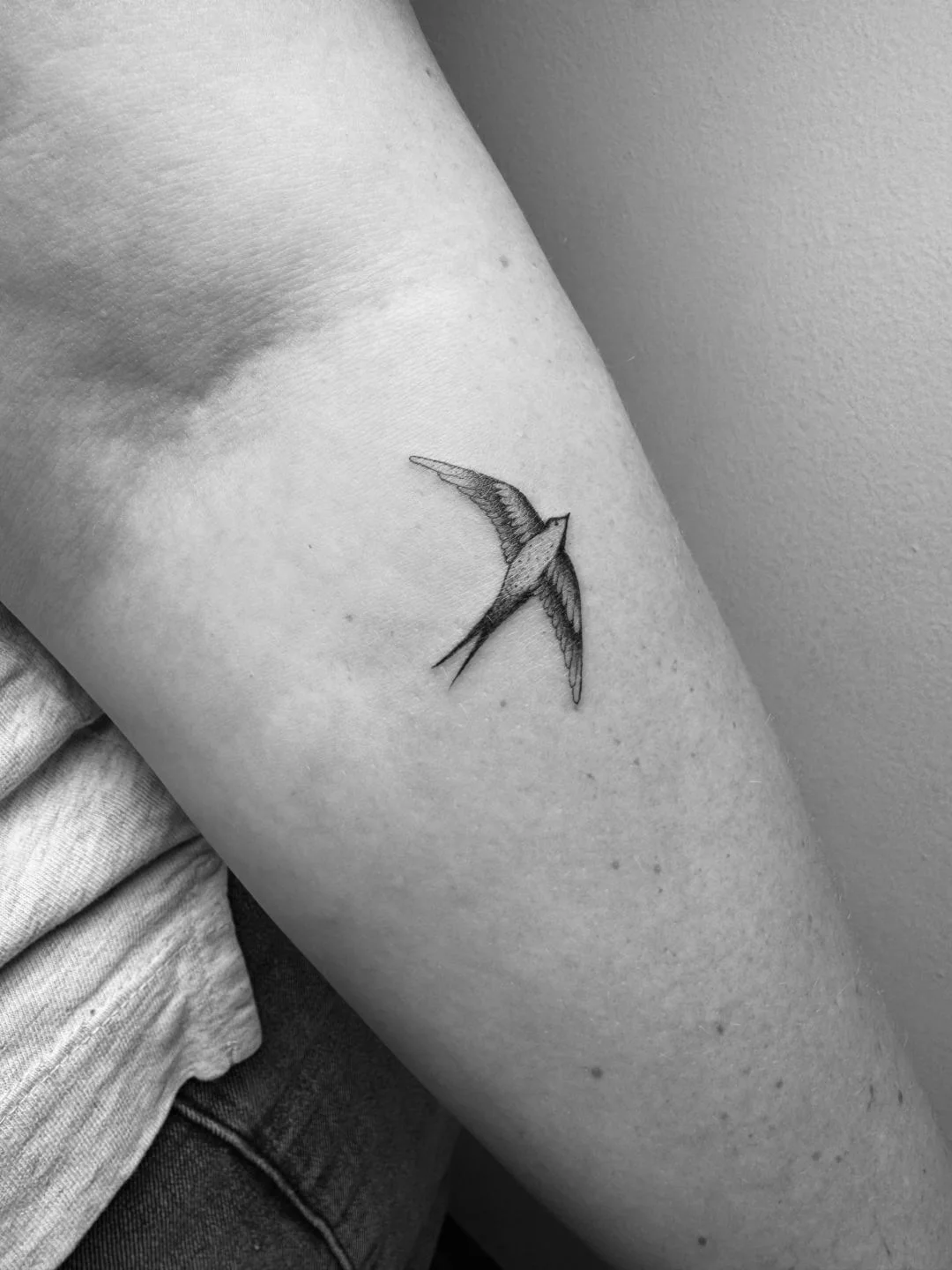 Daniel Winter
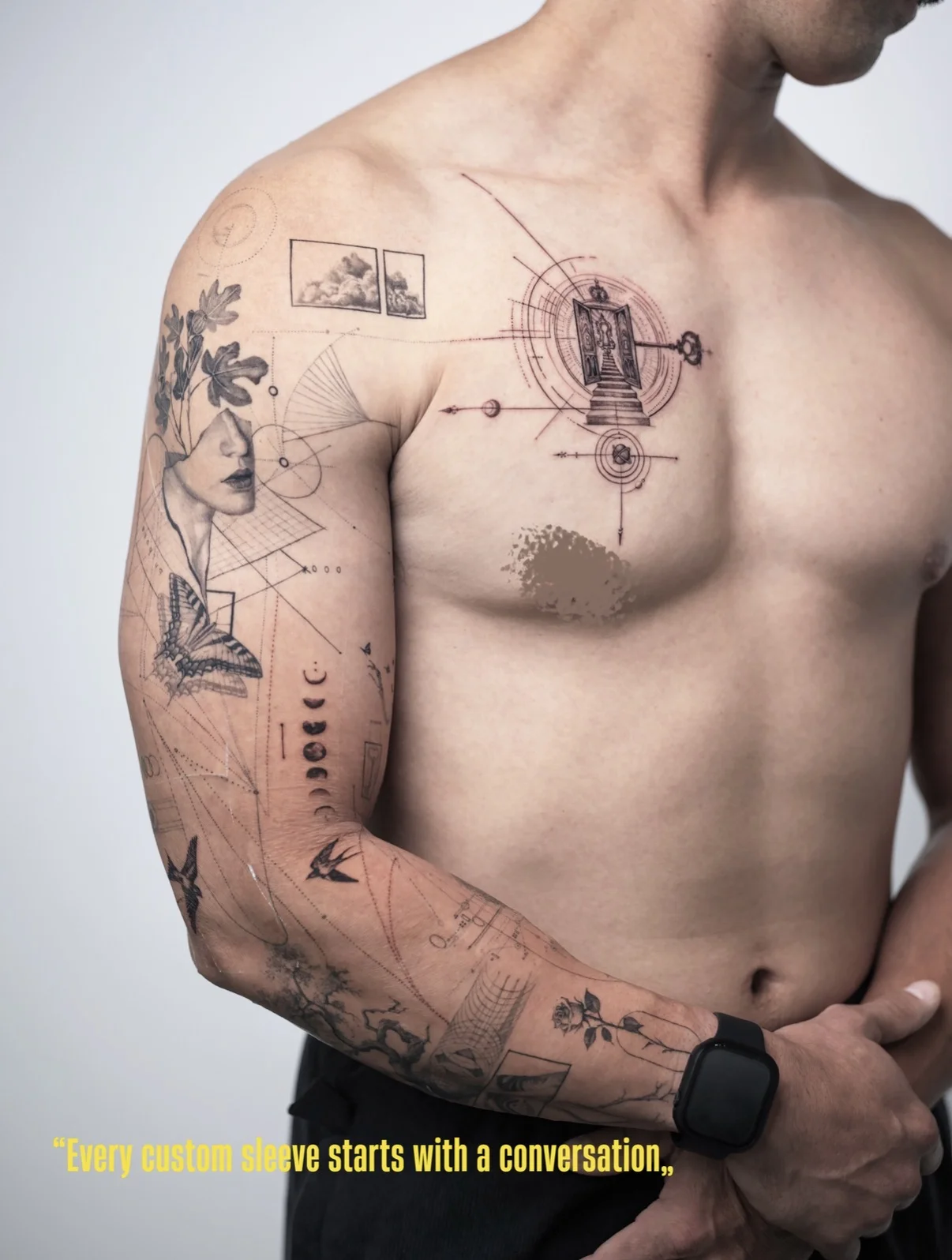 Kimshine
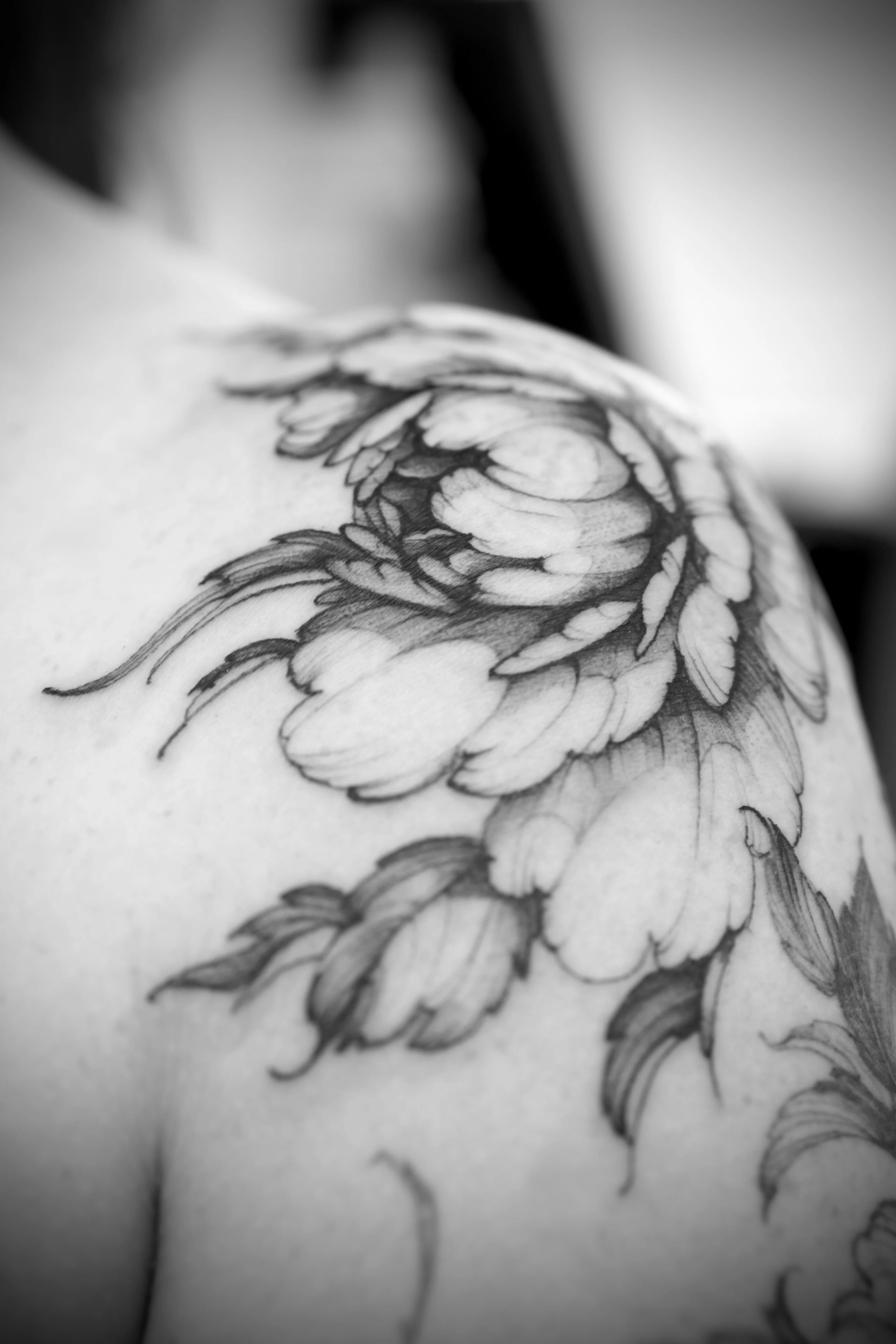 Ami
Ami
 Sam
Sam
 Churry Tattoos
 Rhea
Rhea
 Scorpio tattss
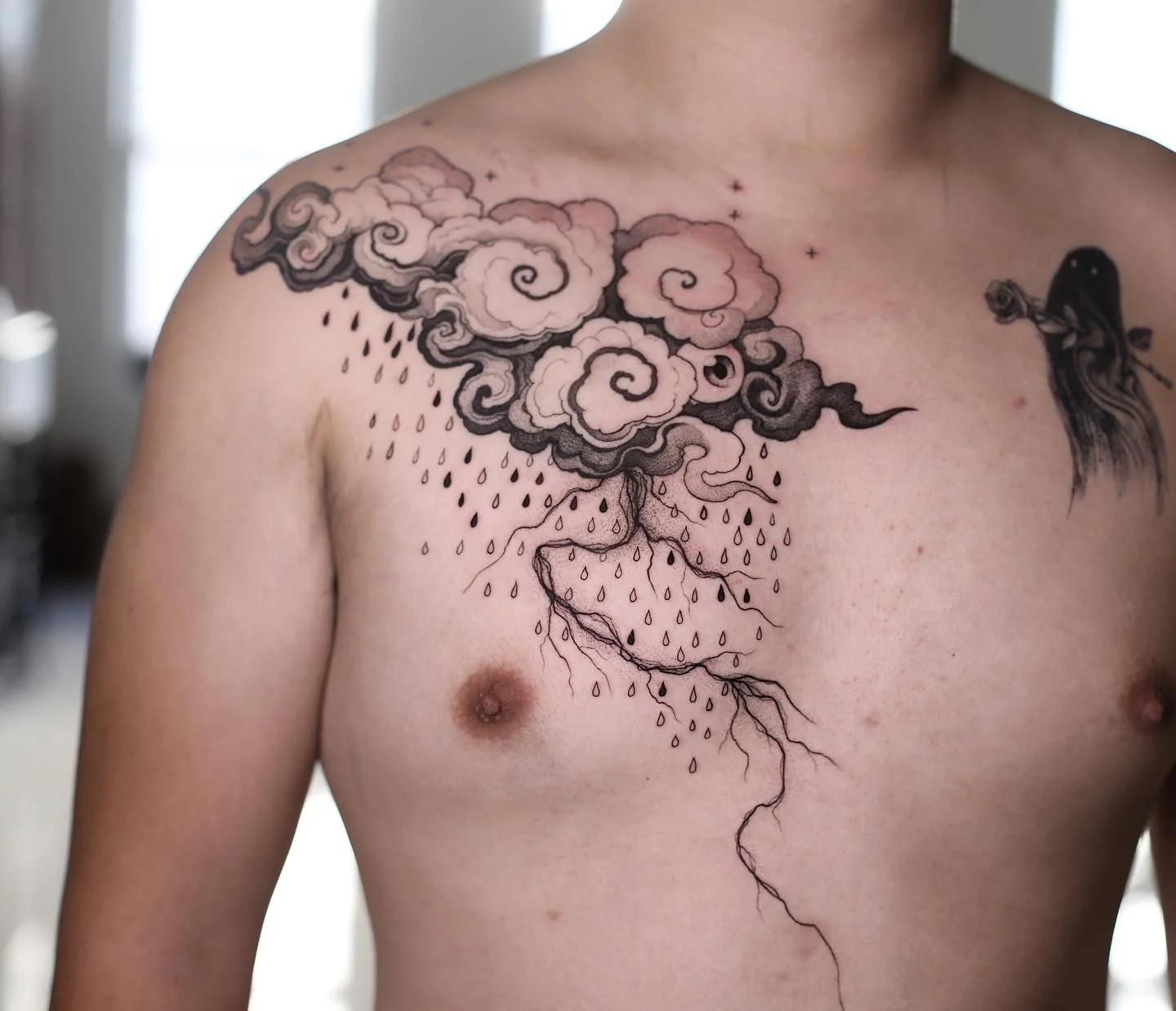 Konstantin Strokin
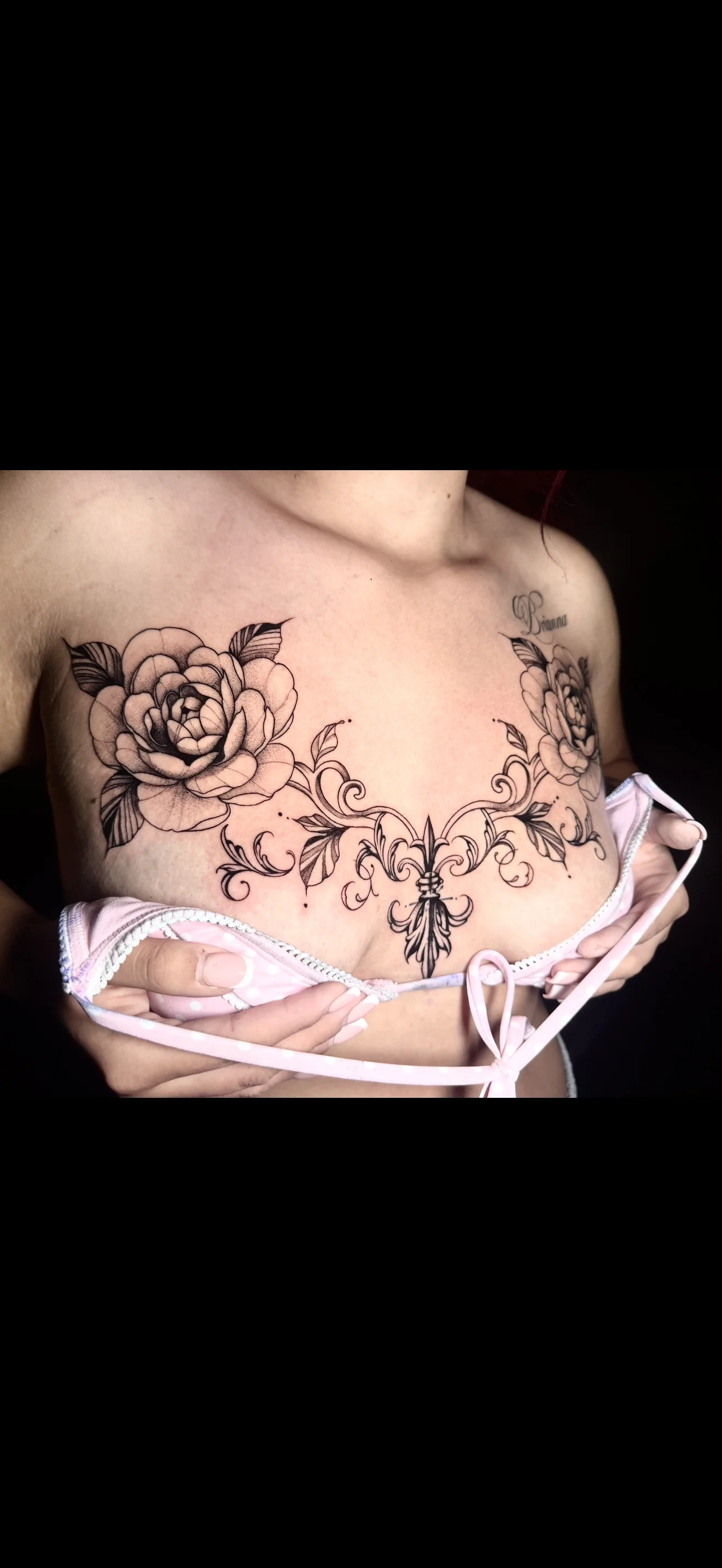 Bethany Villagomez
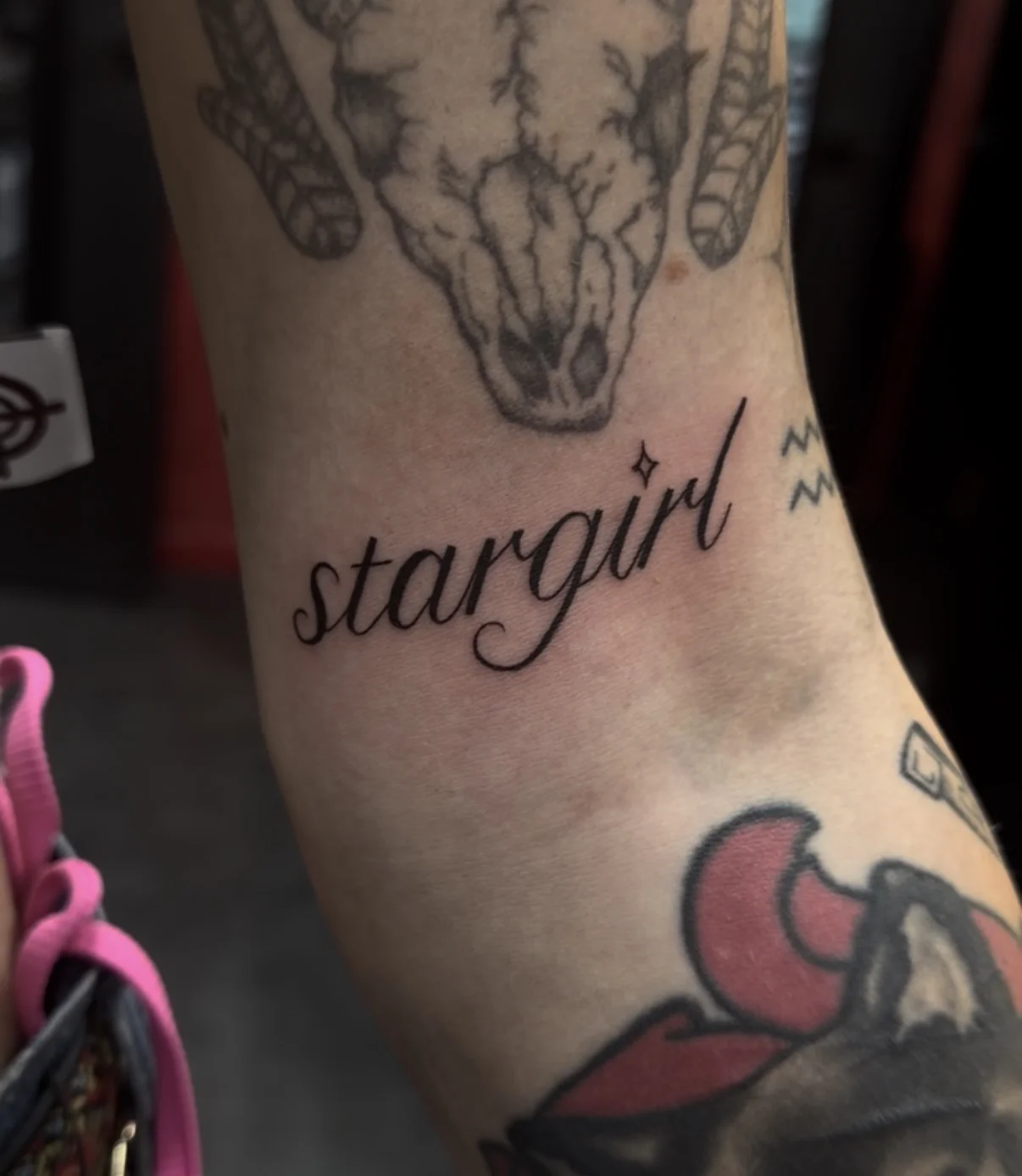 Krybaby
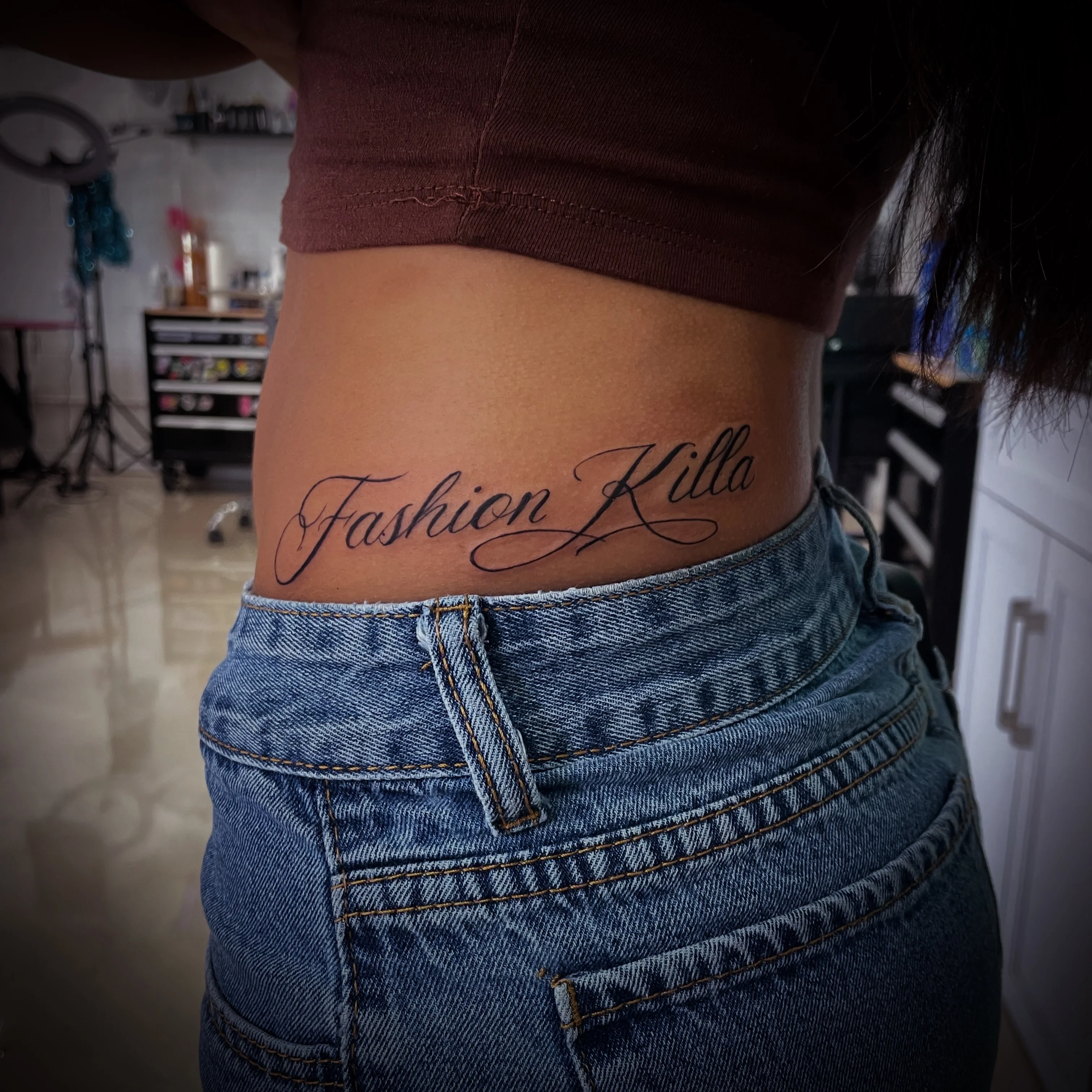 Jc_TheArtist
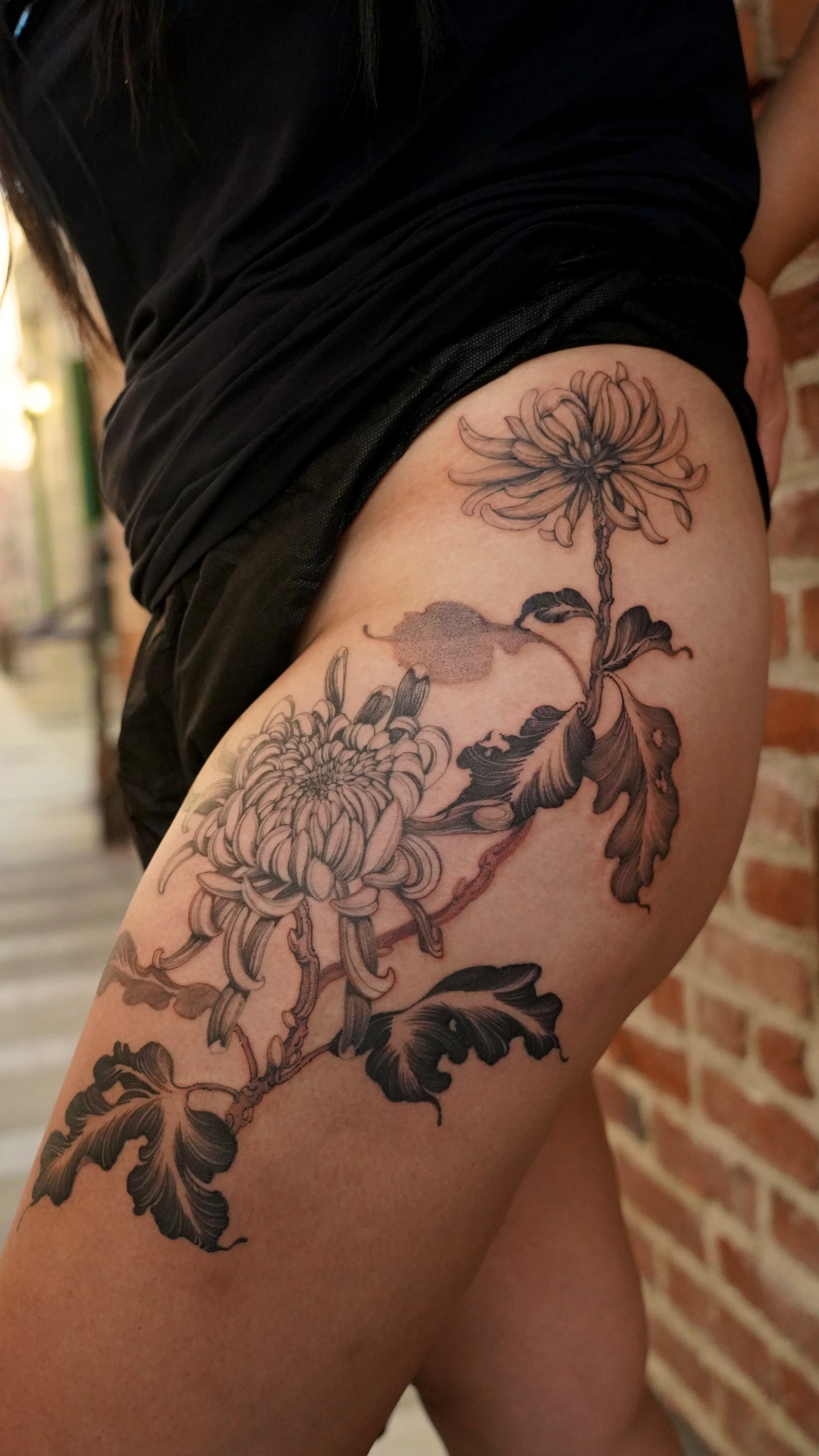 Sam Leng
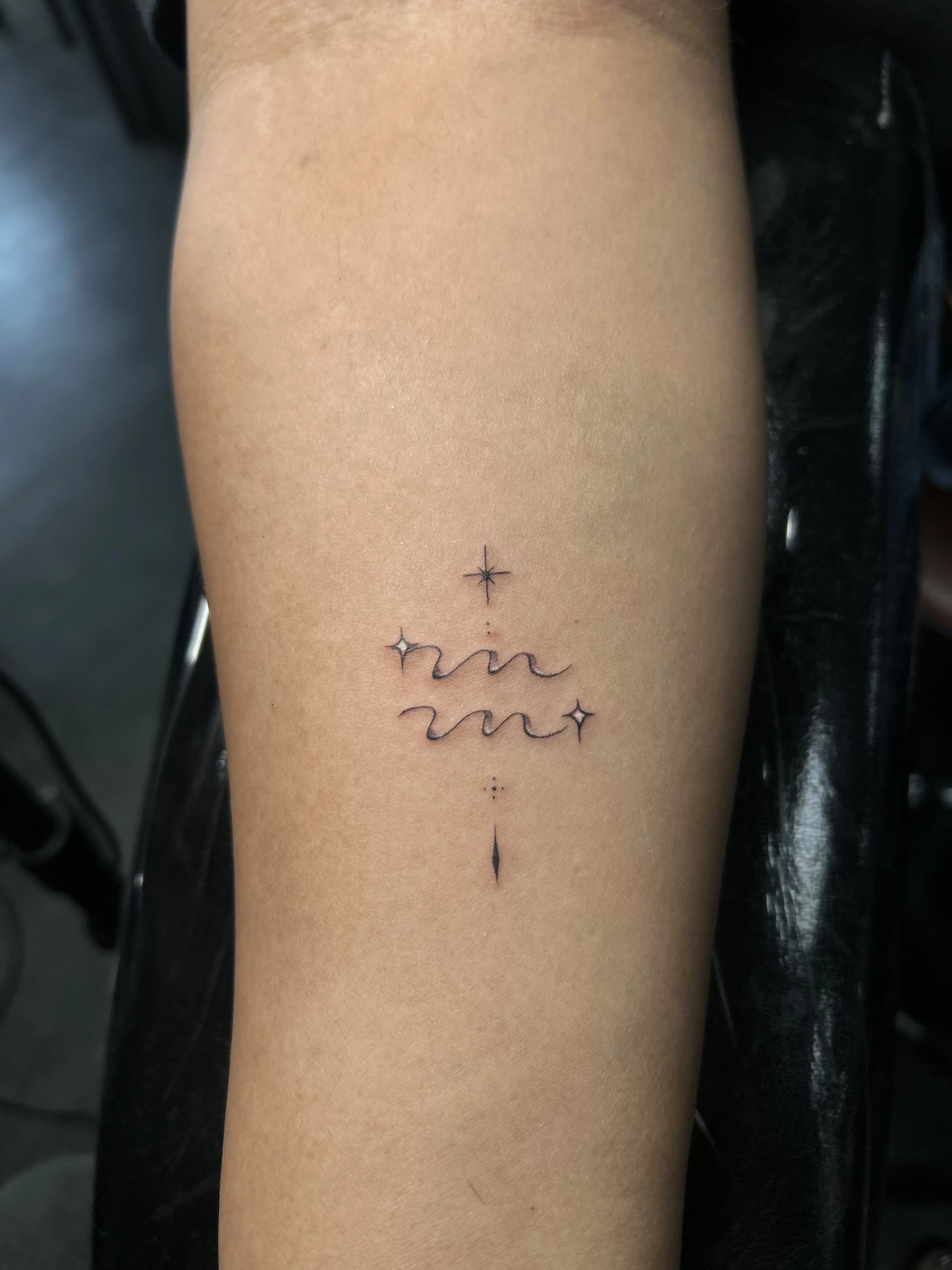 Mia Chavez
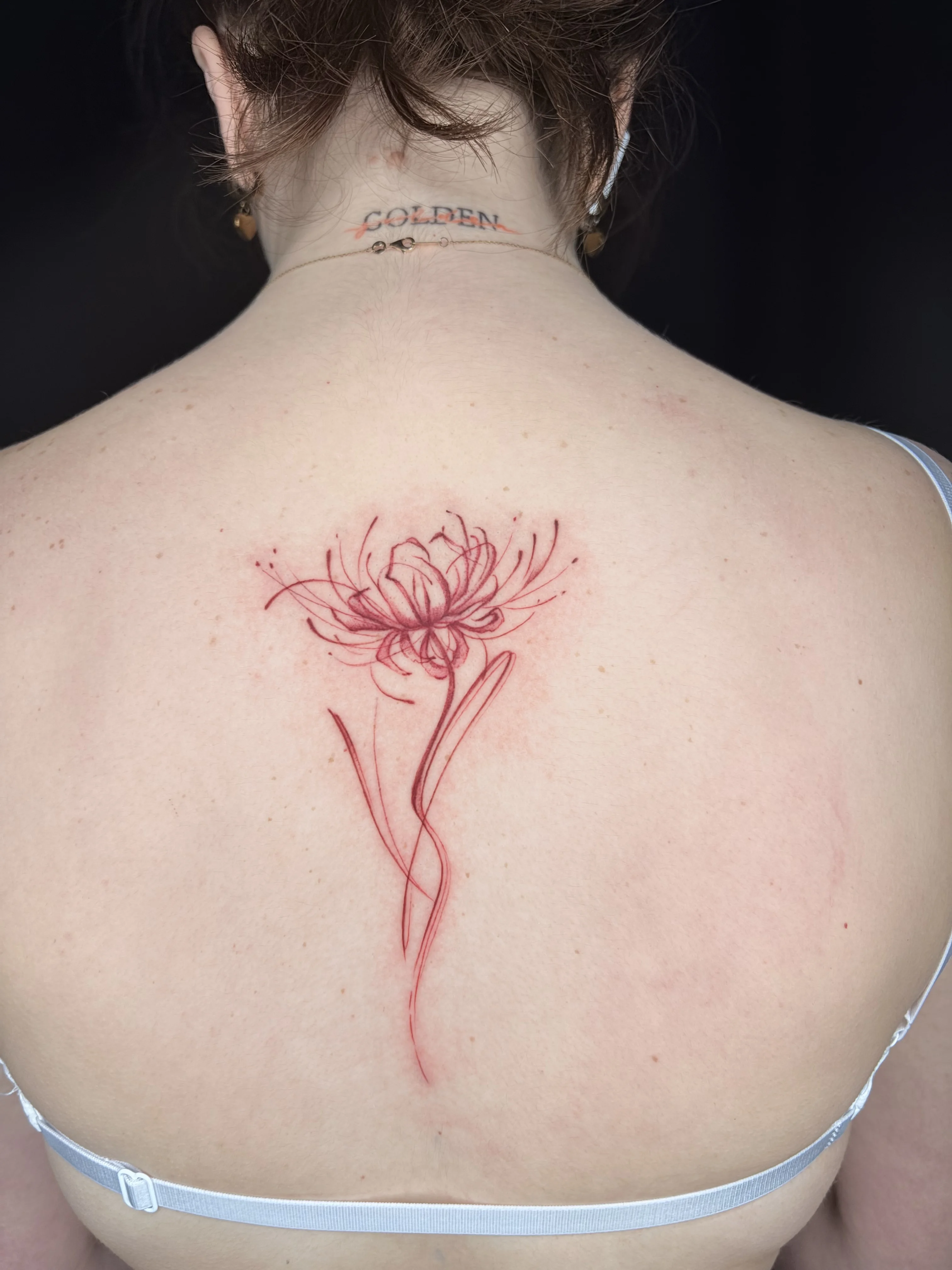 Kerasu
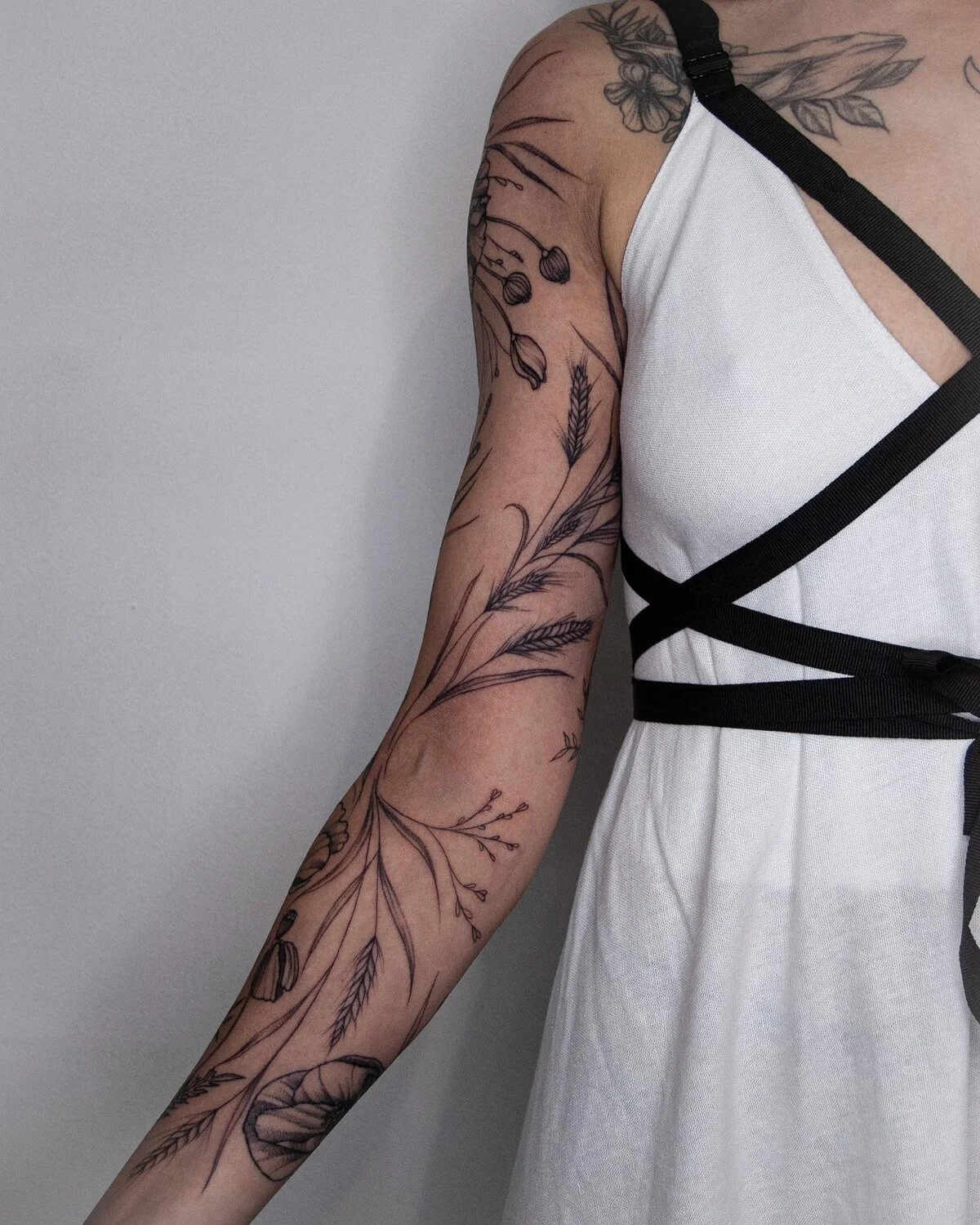 kisha.tattoo
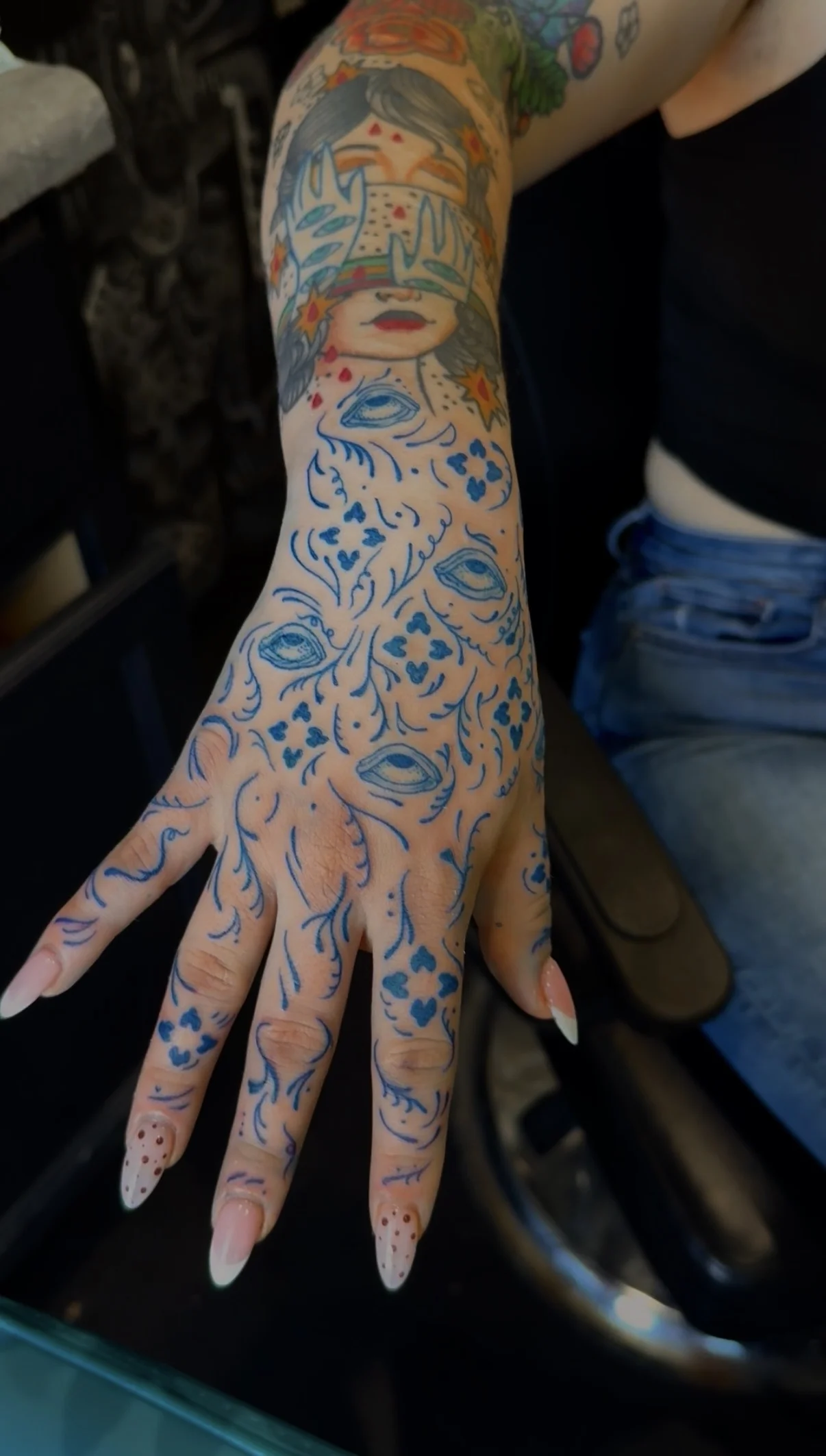 Mother.Monster.Maker
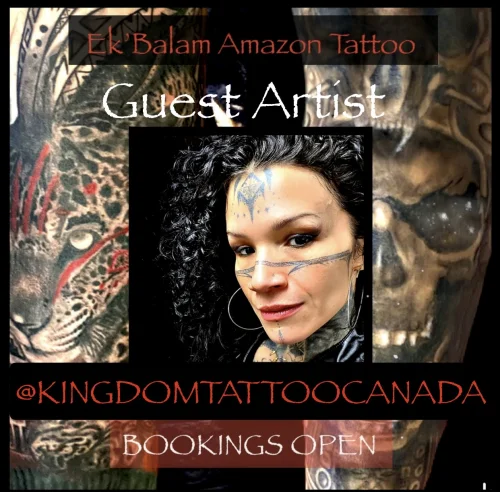
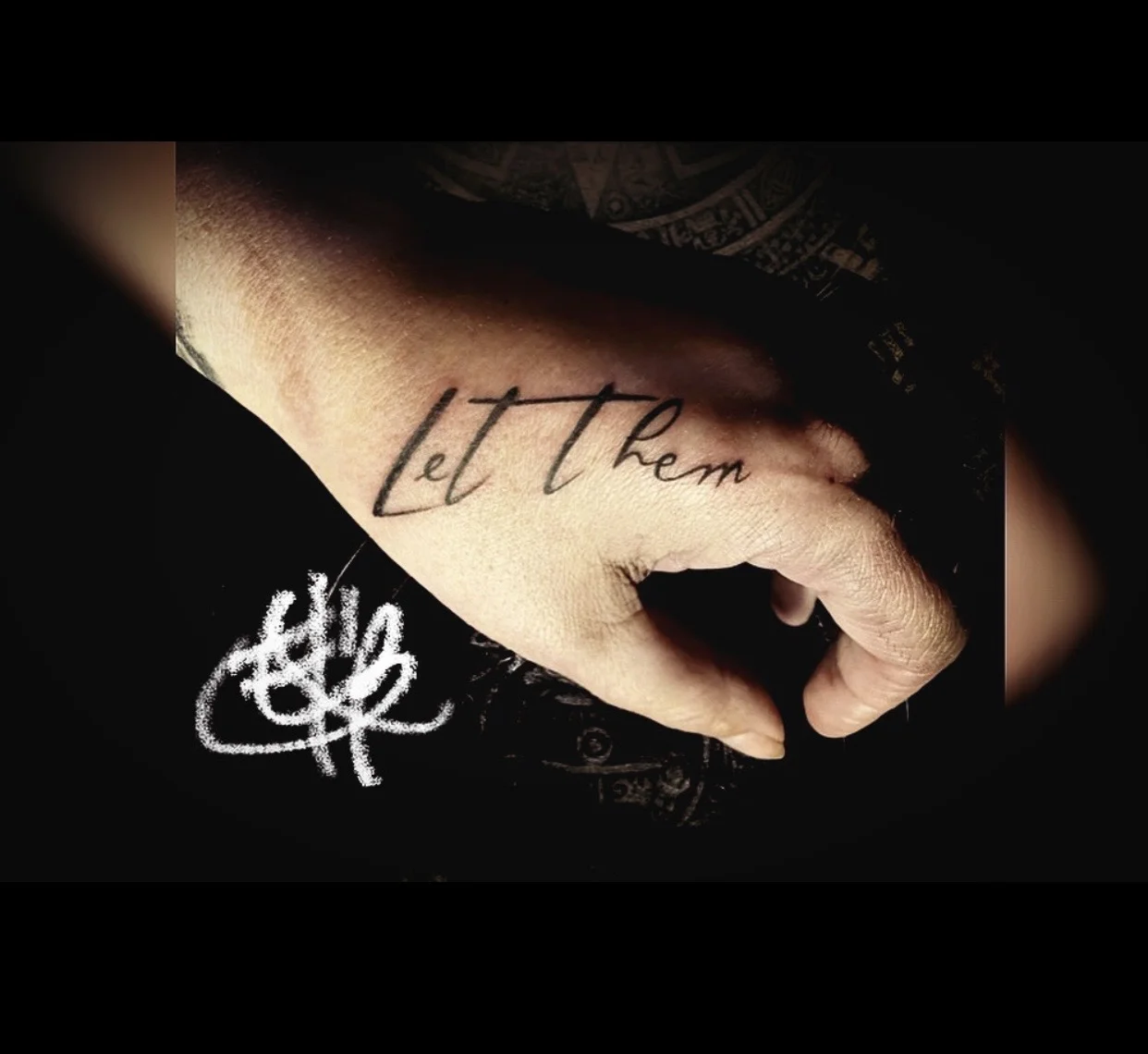 Ek’Balam
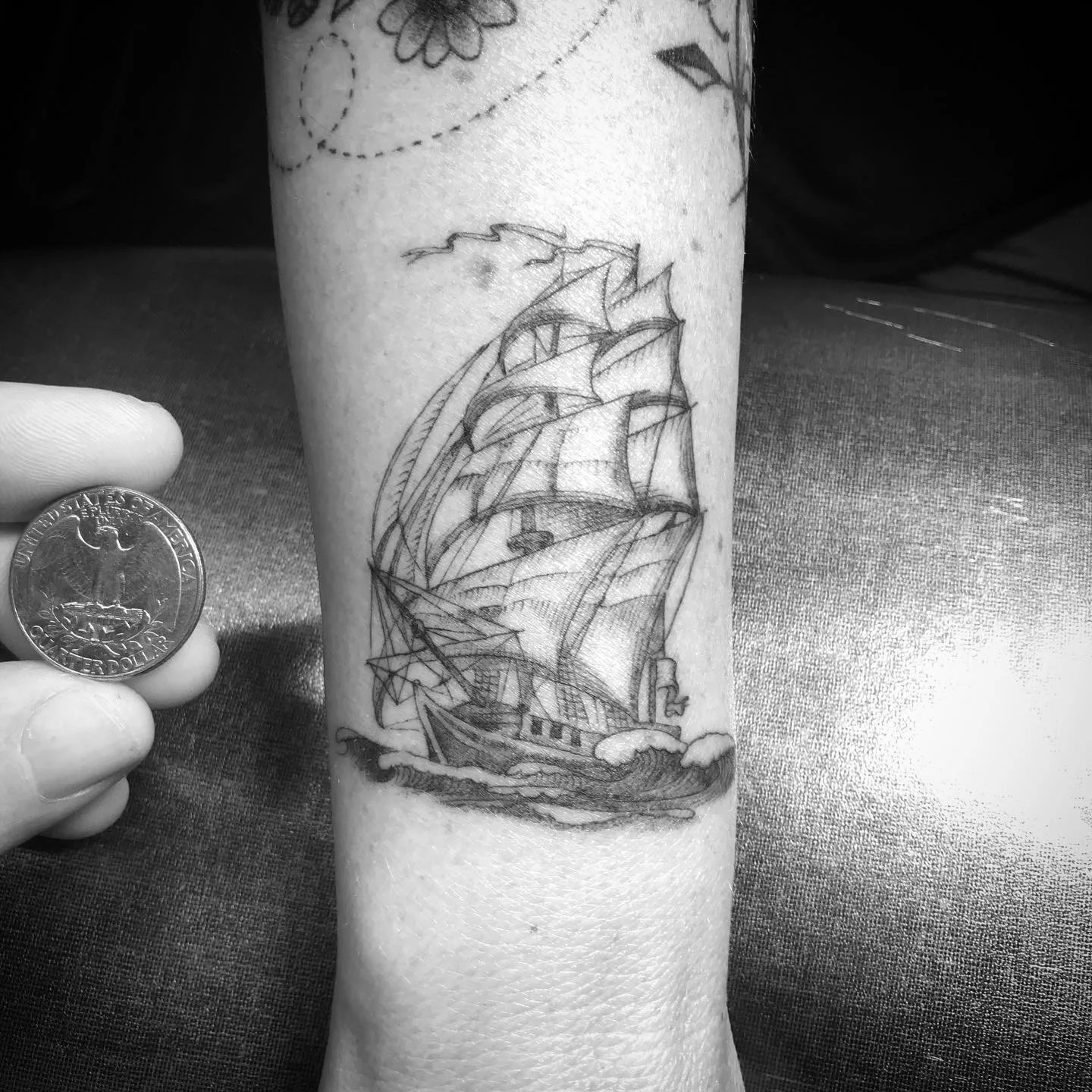 Justin Wilson
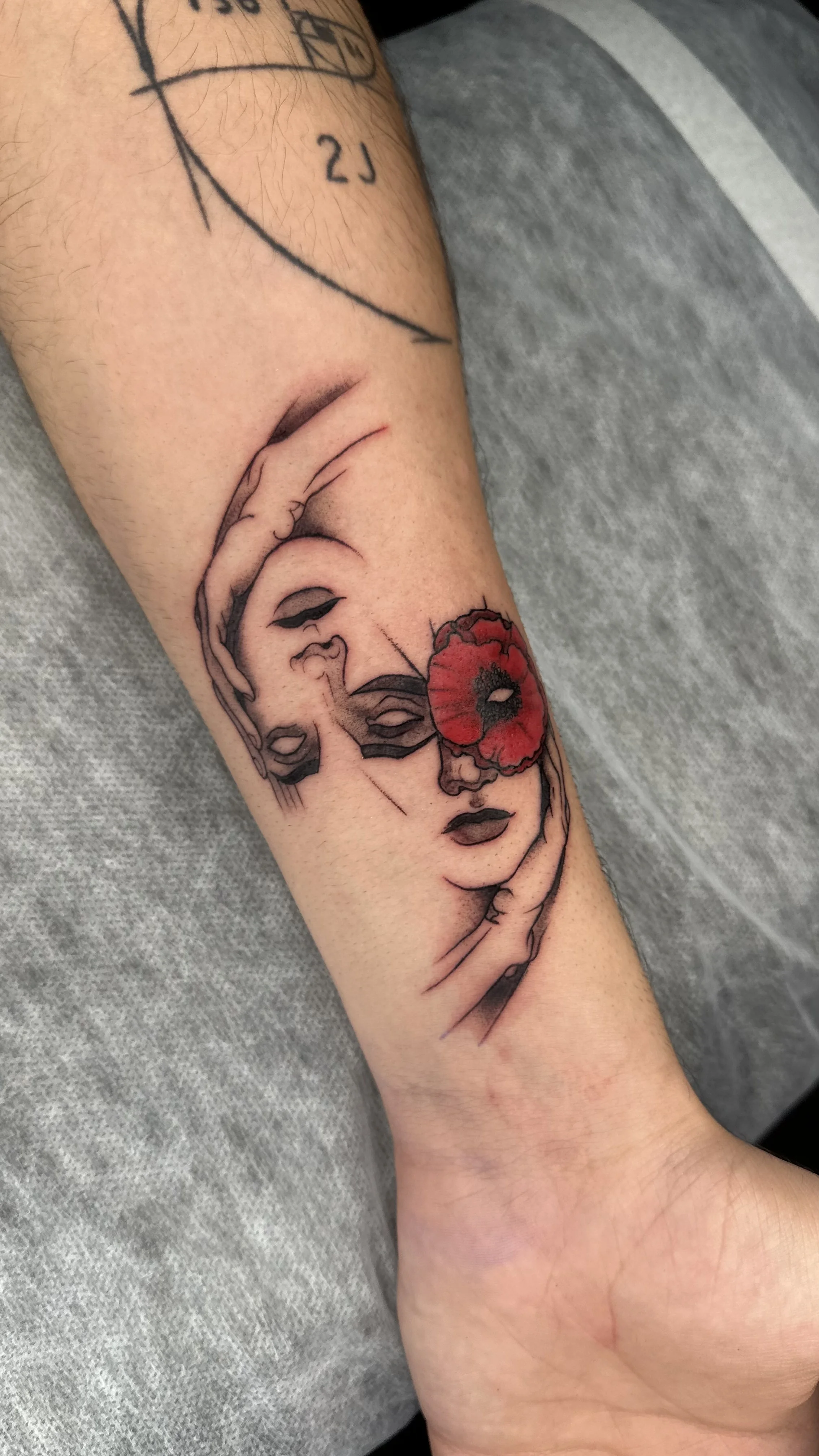 Ser. Alex
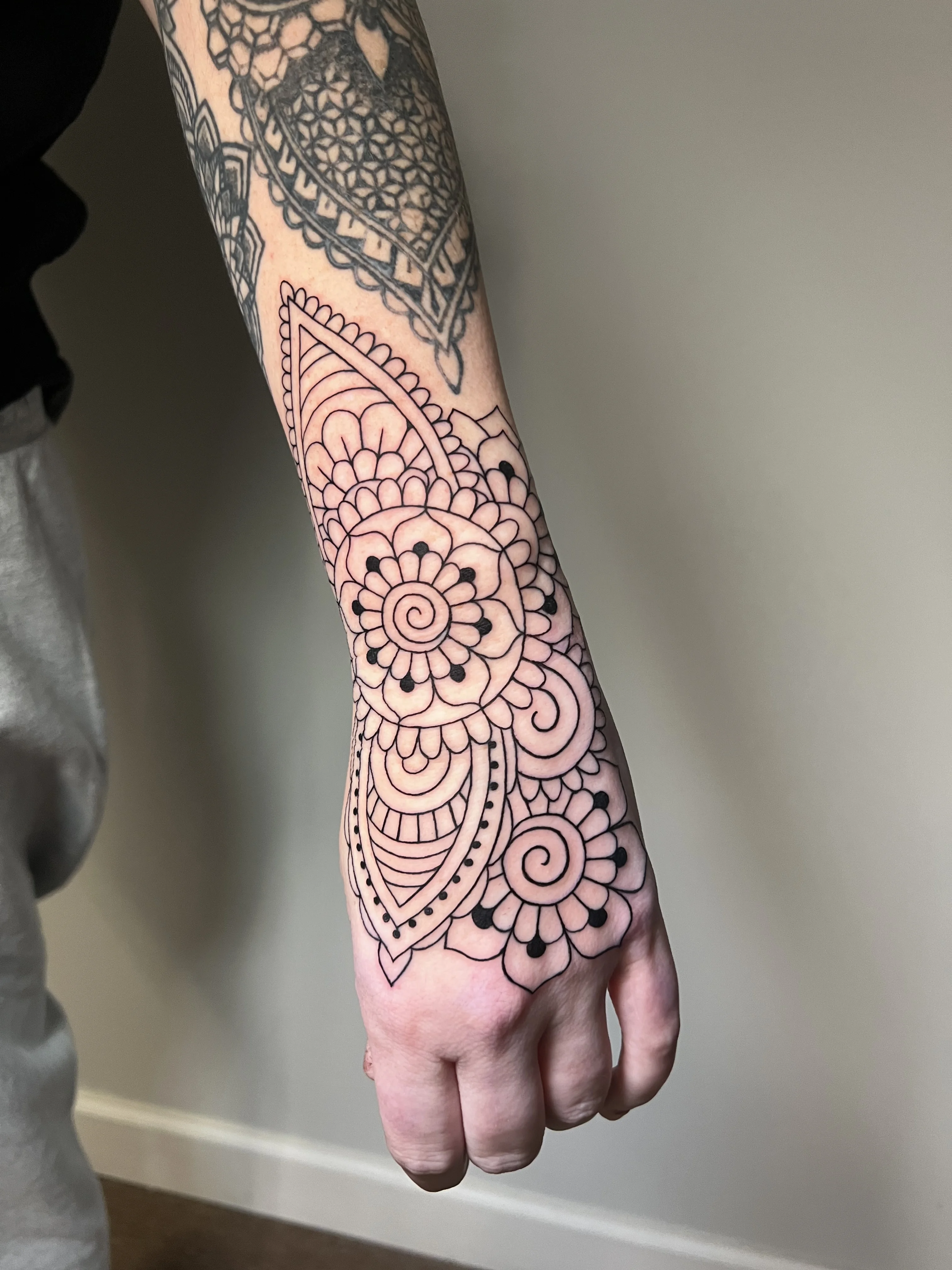 Erin Manning
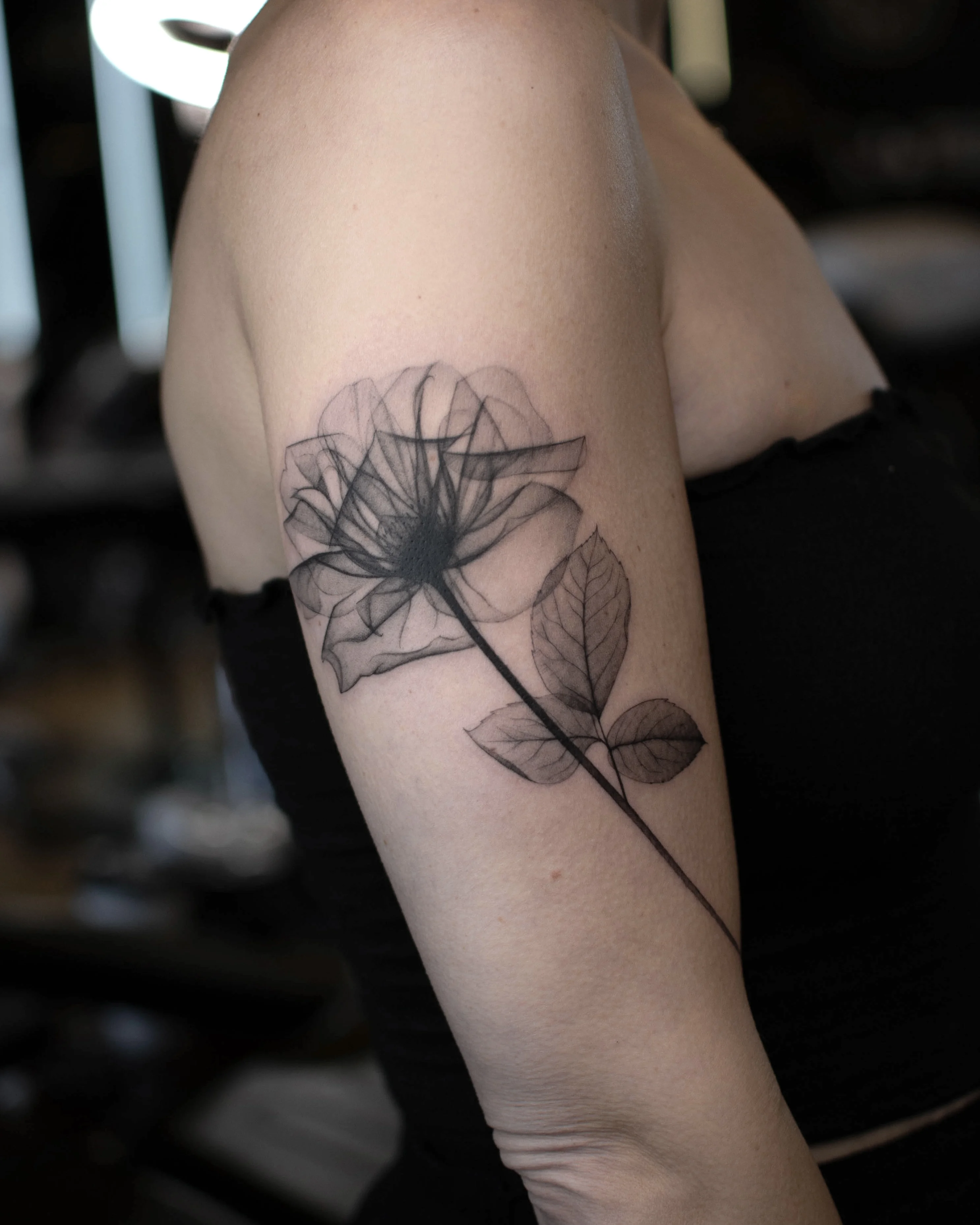 Vira.Ink
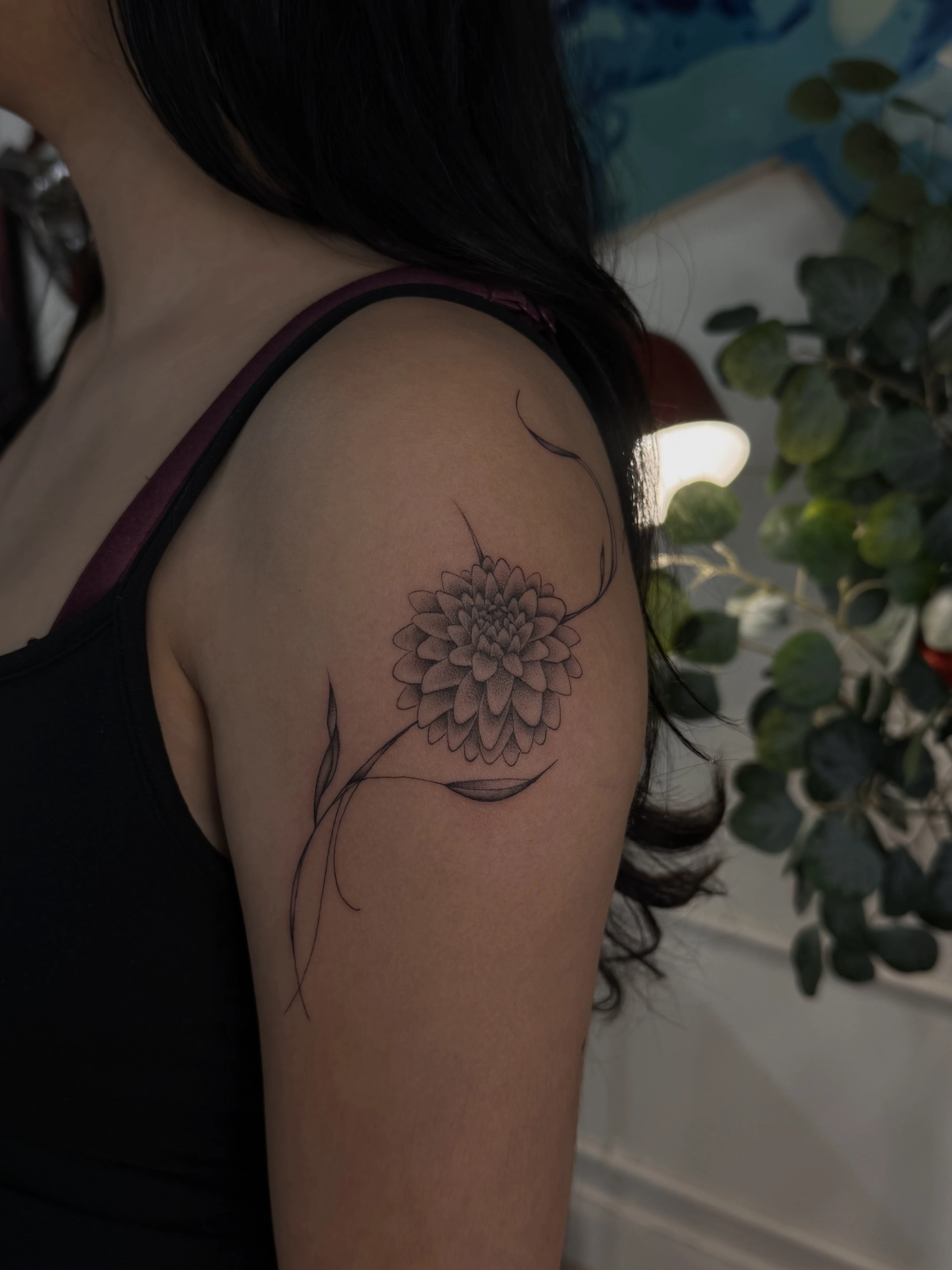 Kobe Virgen
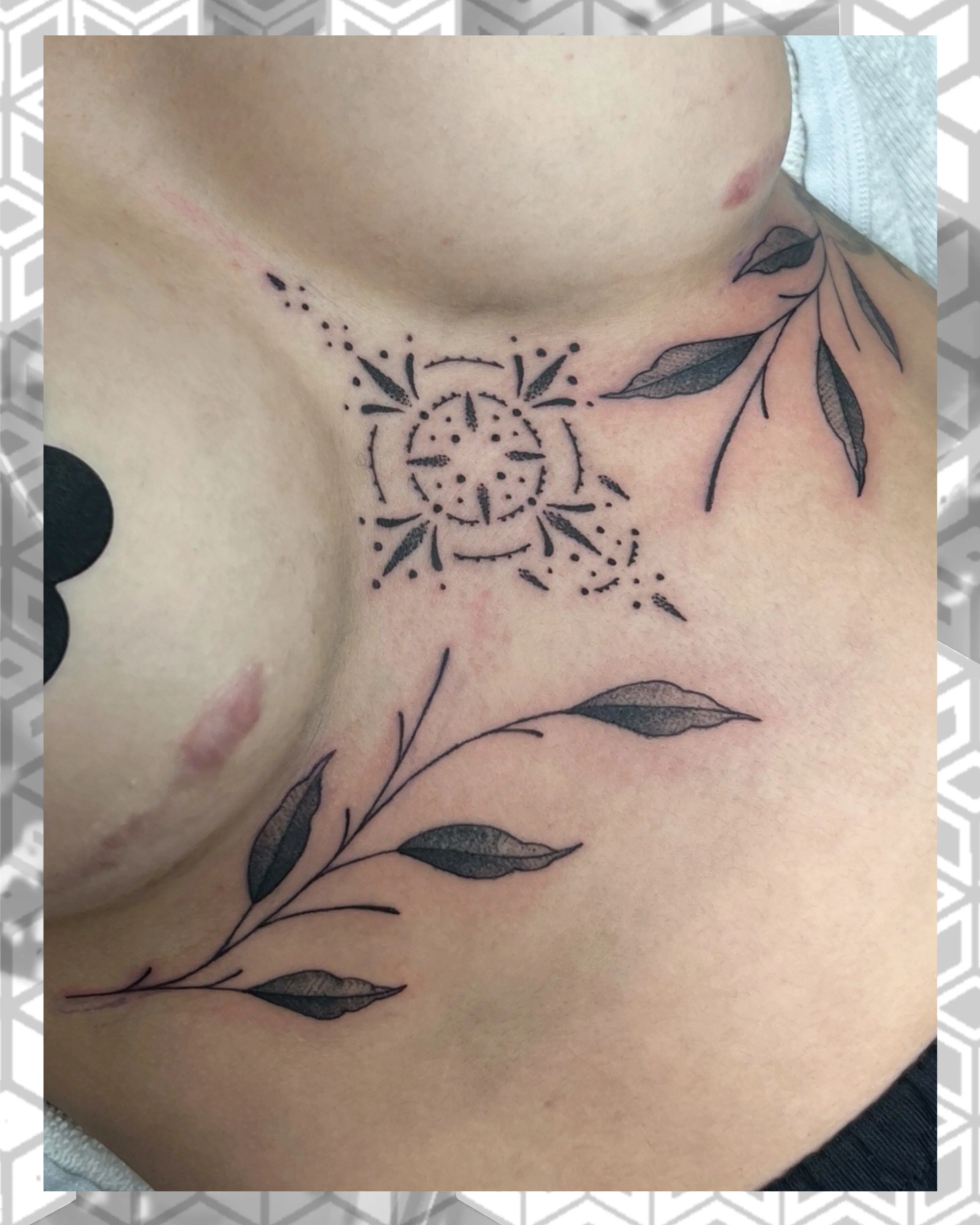 Thebig_rosstattoo
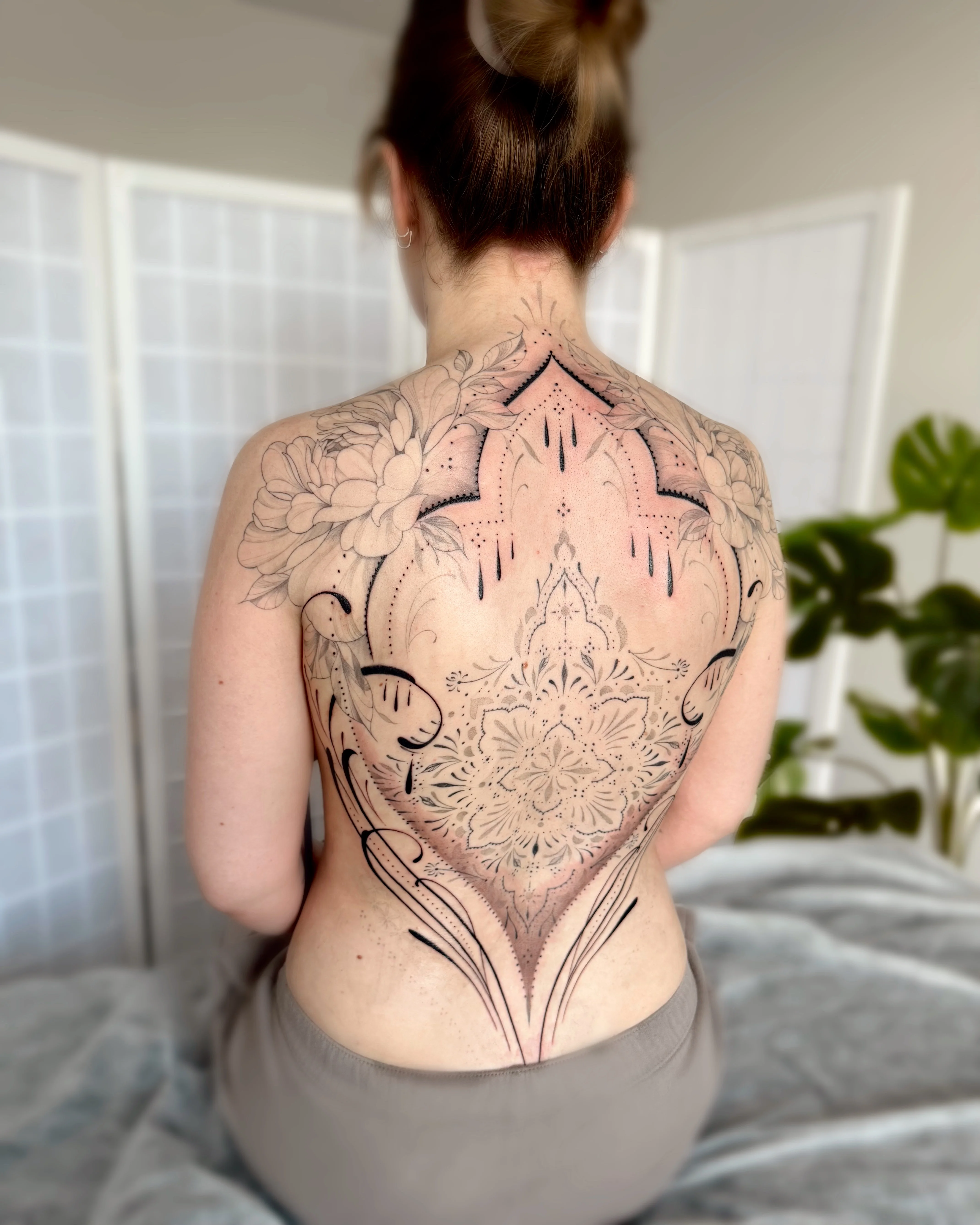 Abigail Louise
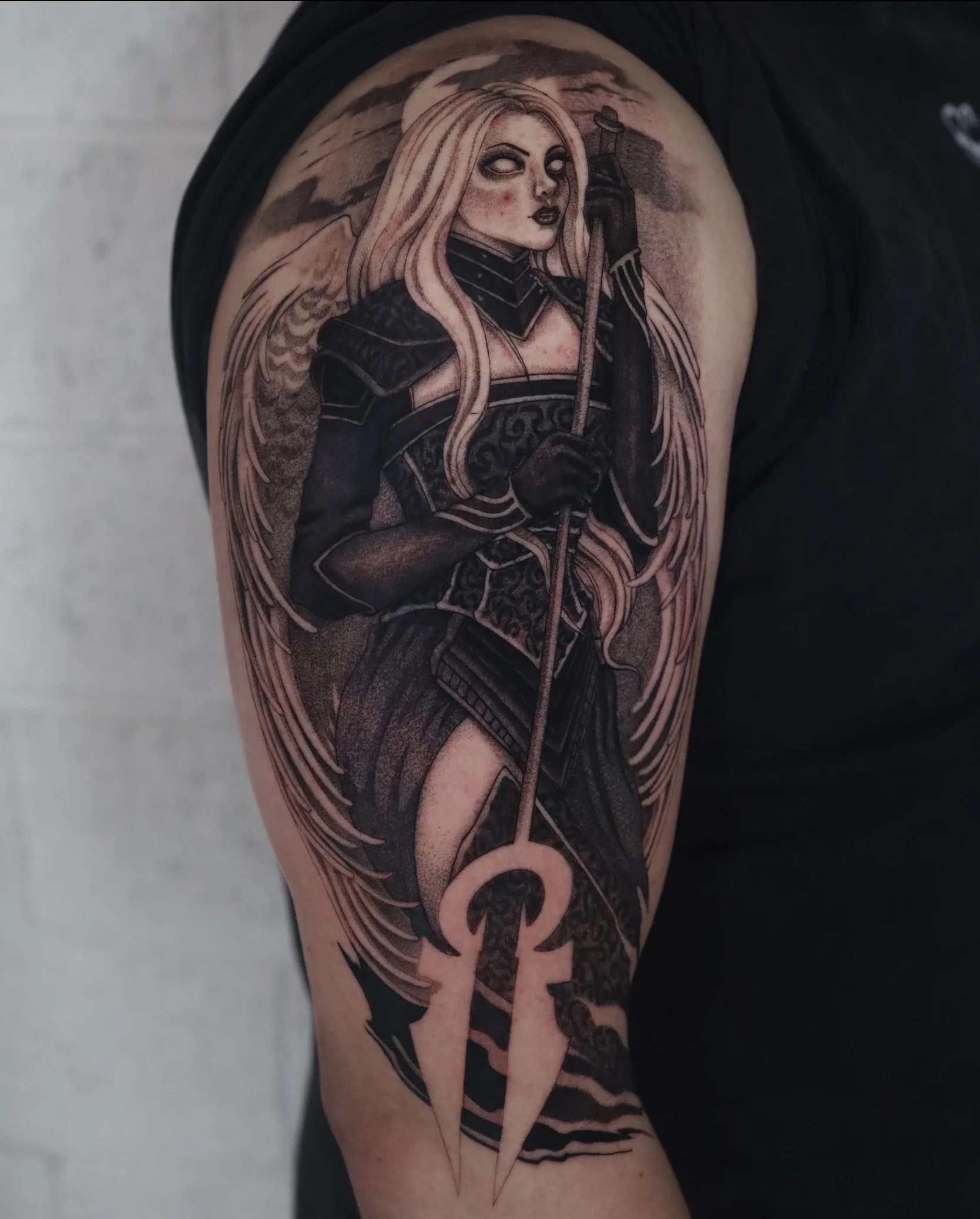 Dana Nicole
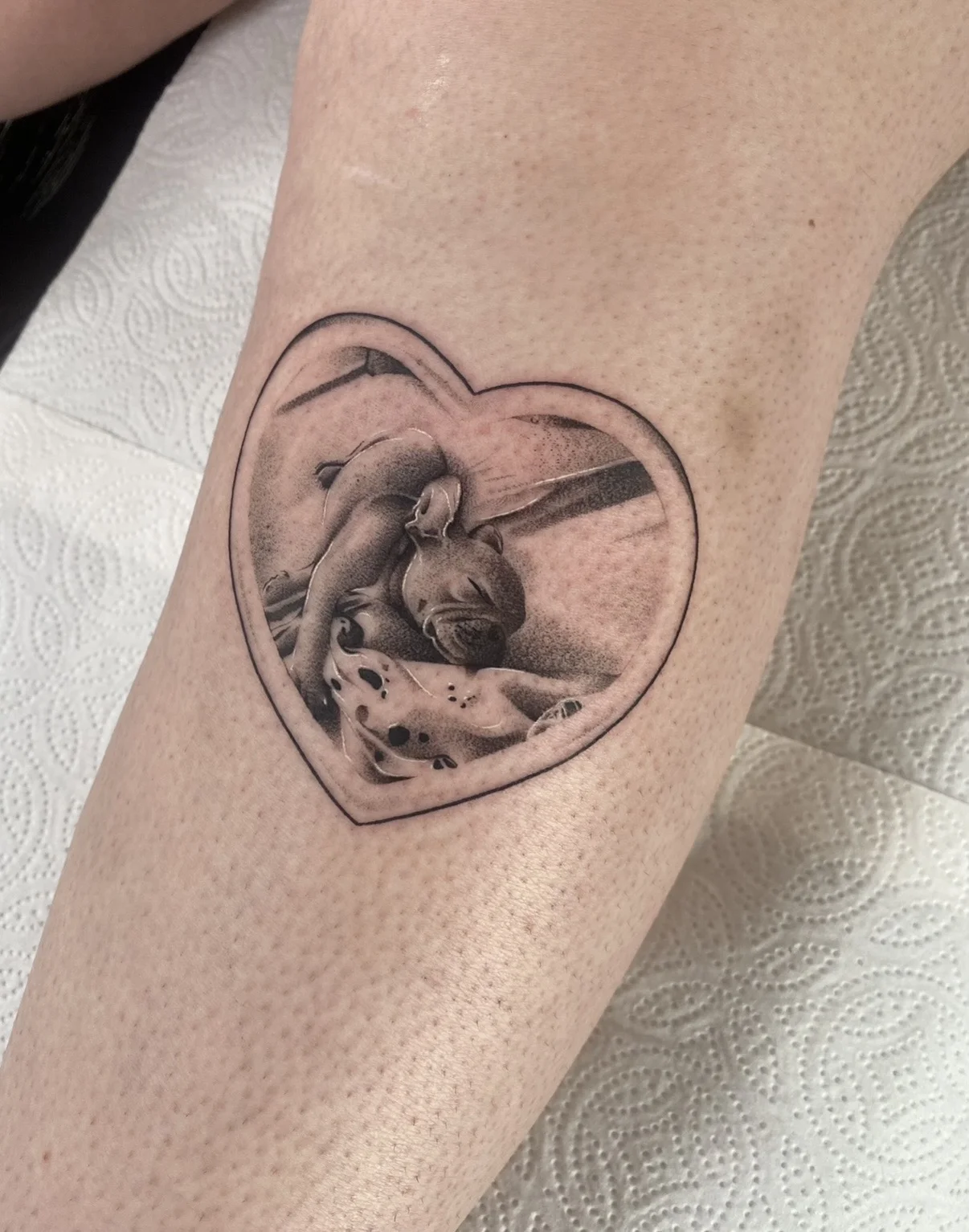 Aliye Gaygusuz
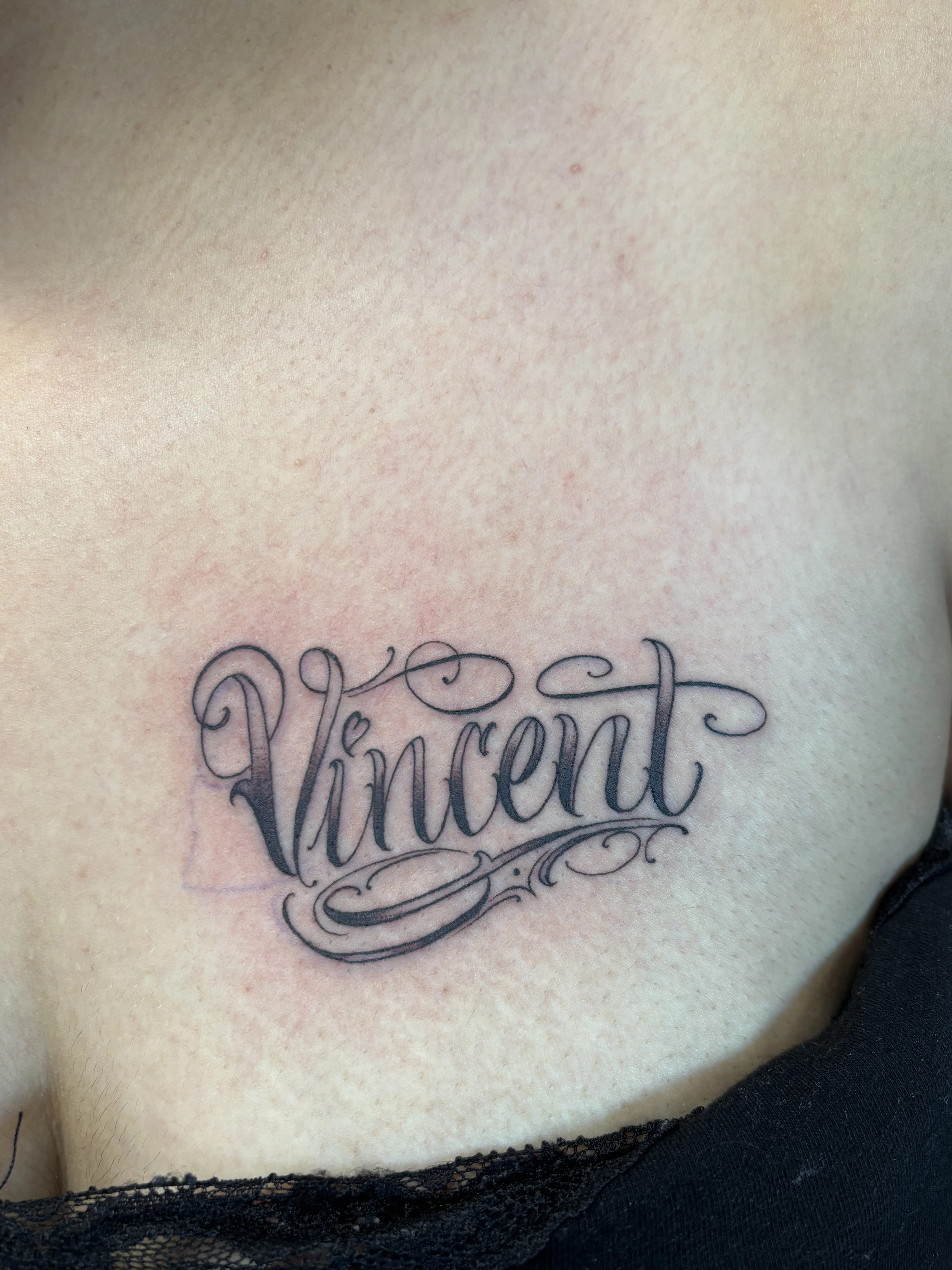 Bbydee
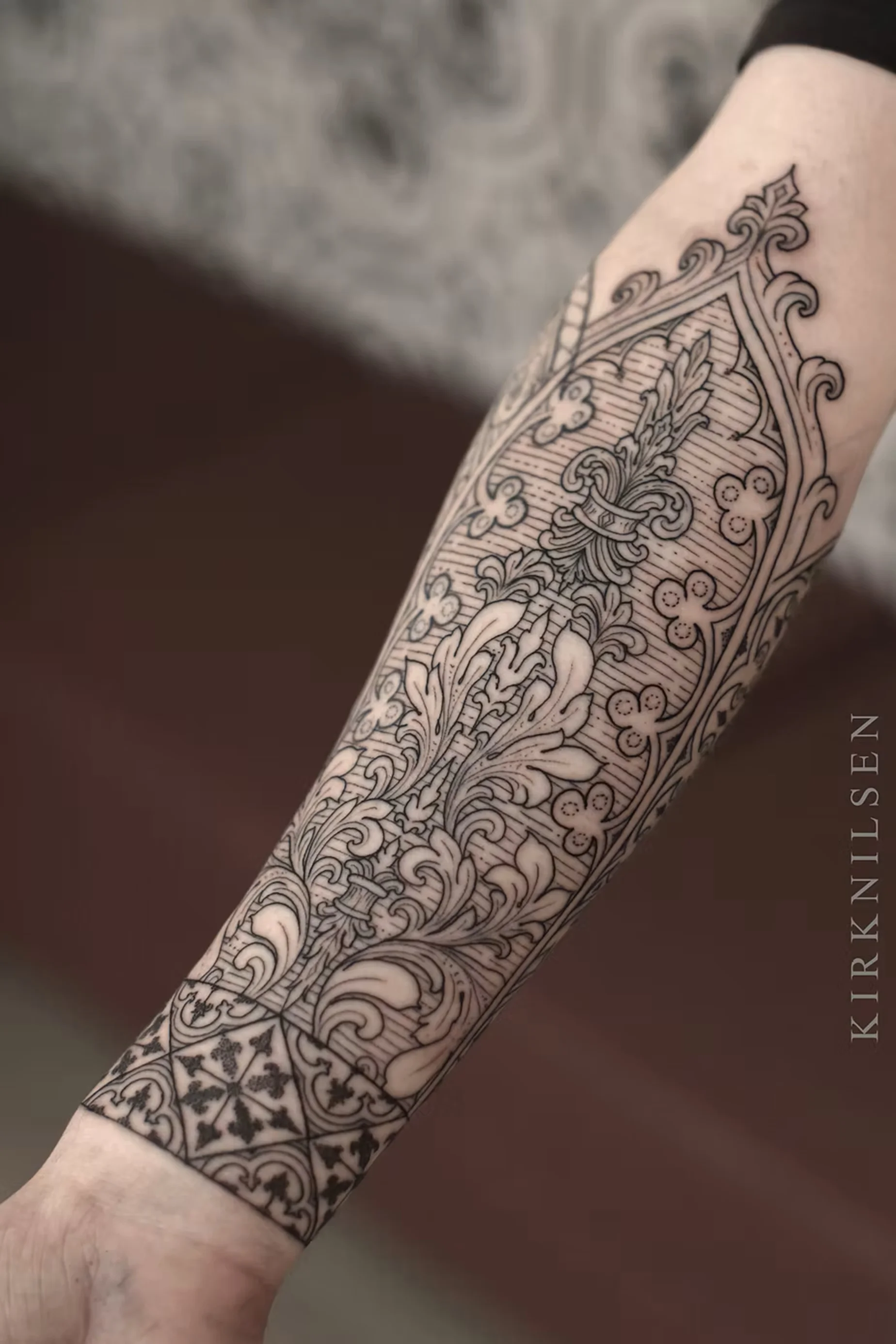 Kirk Nilsen
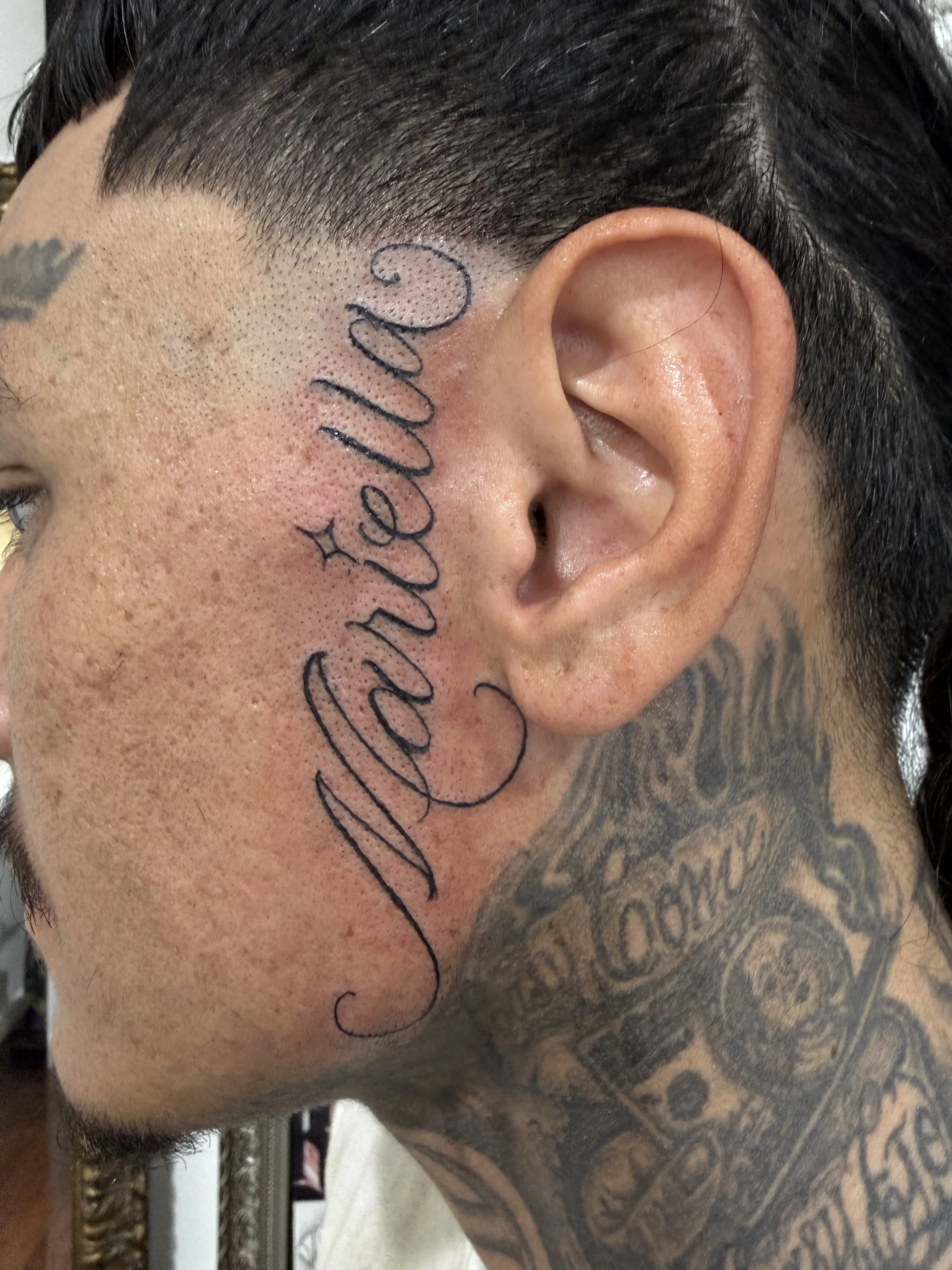 Bumpy Munoz
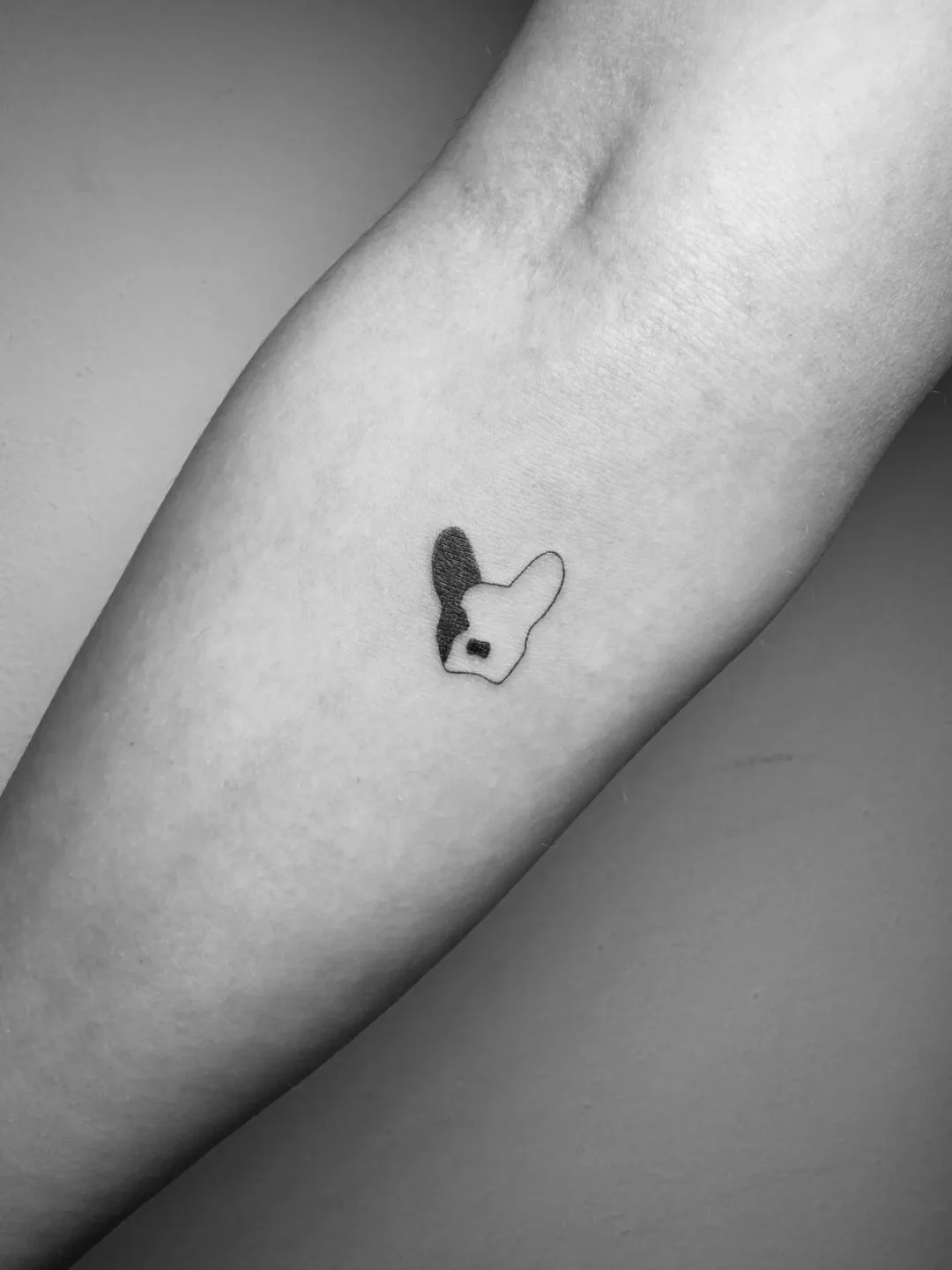 Daniel Winter
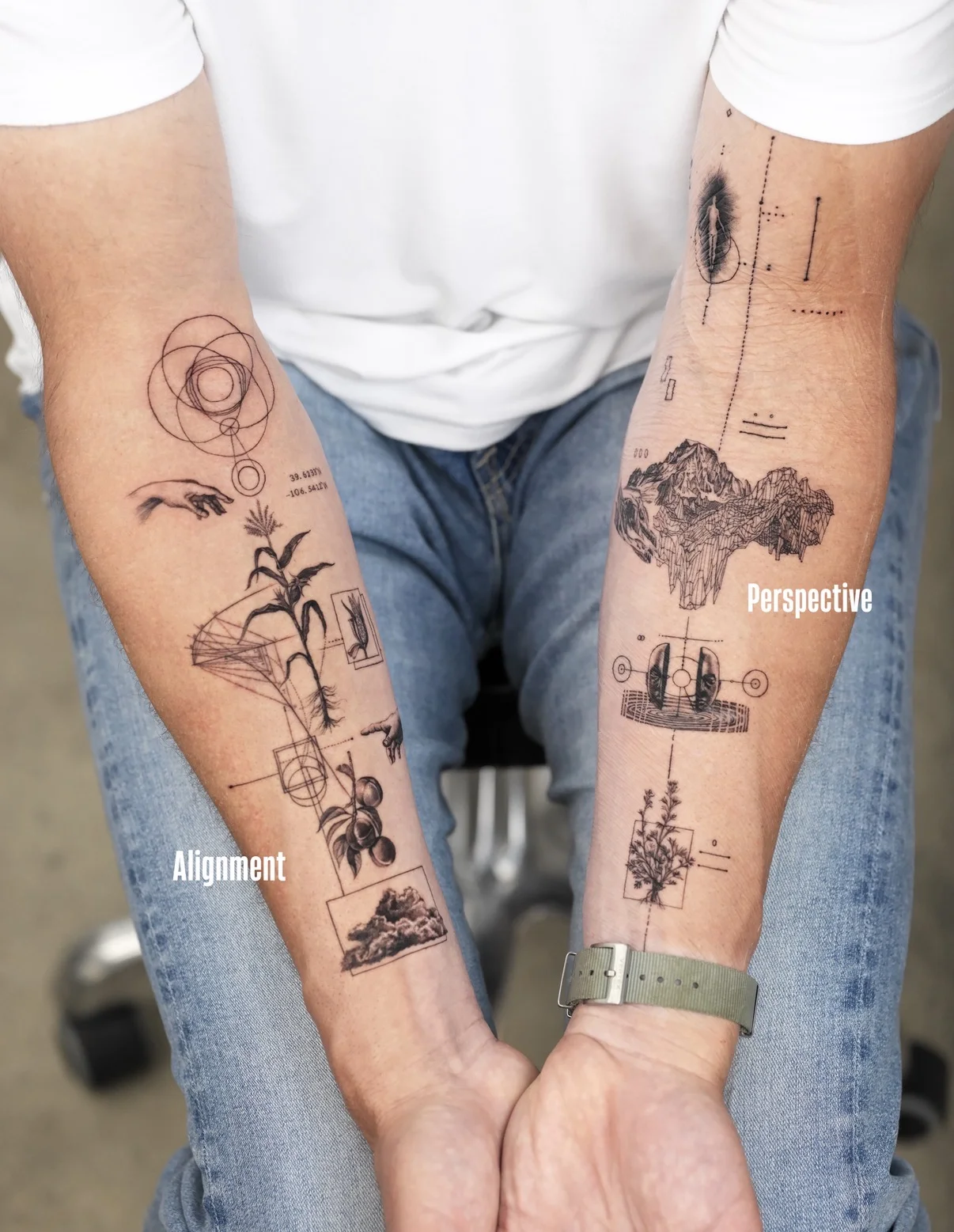 Kimshine
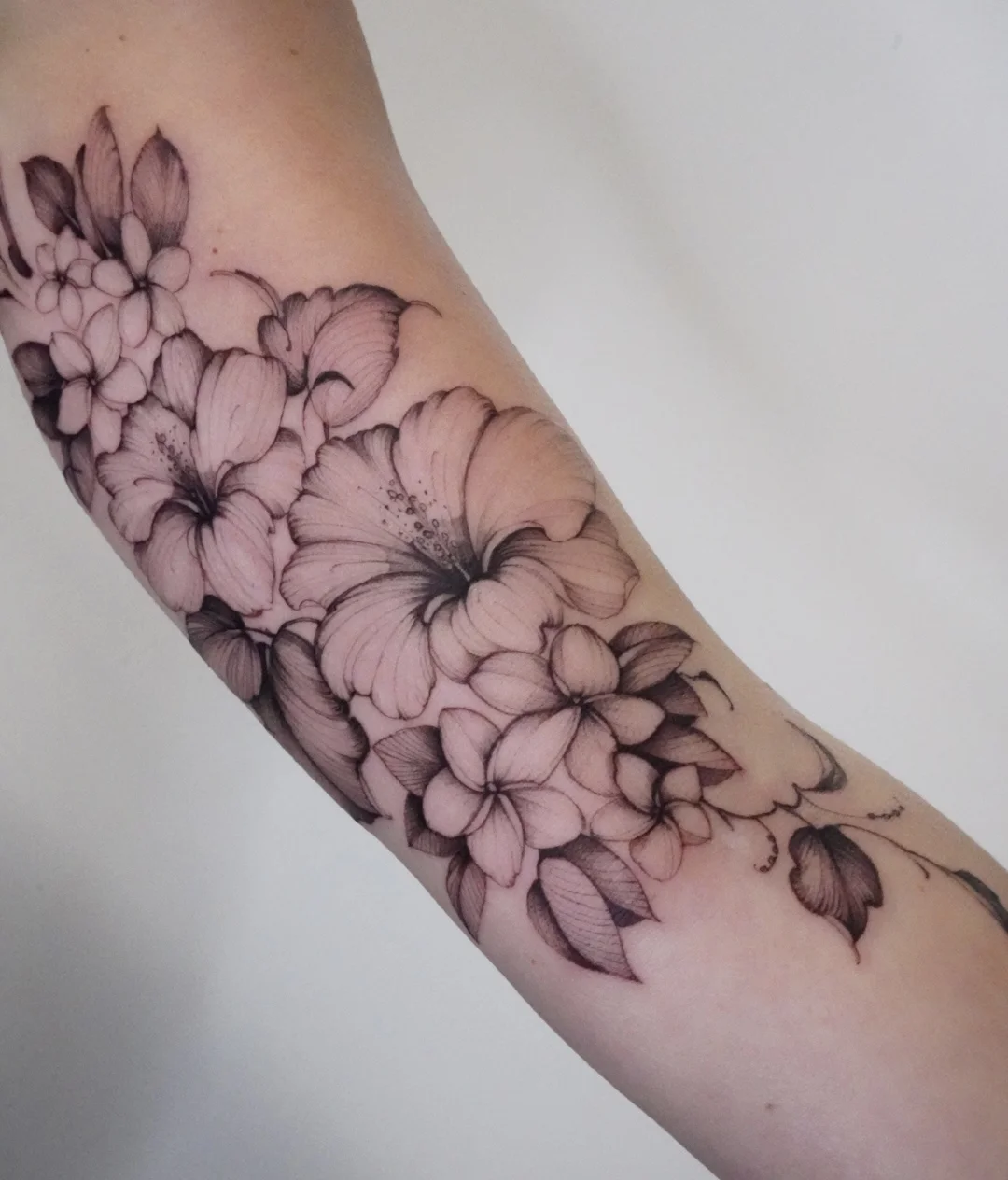 Ami
Ami
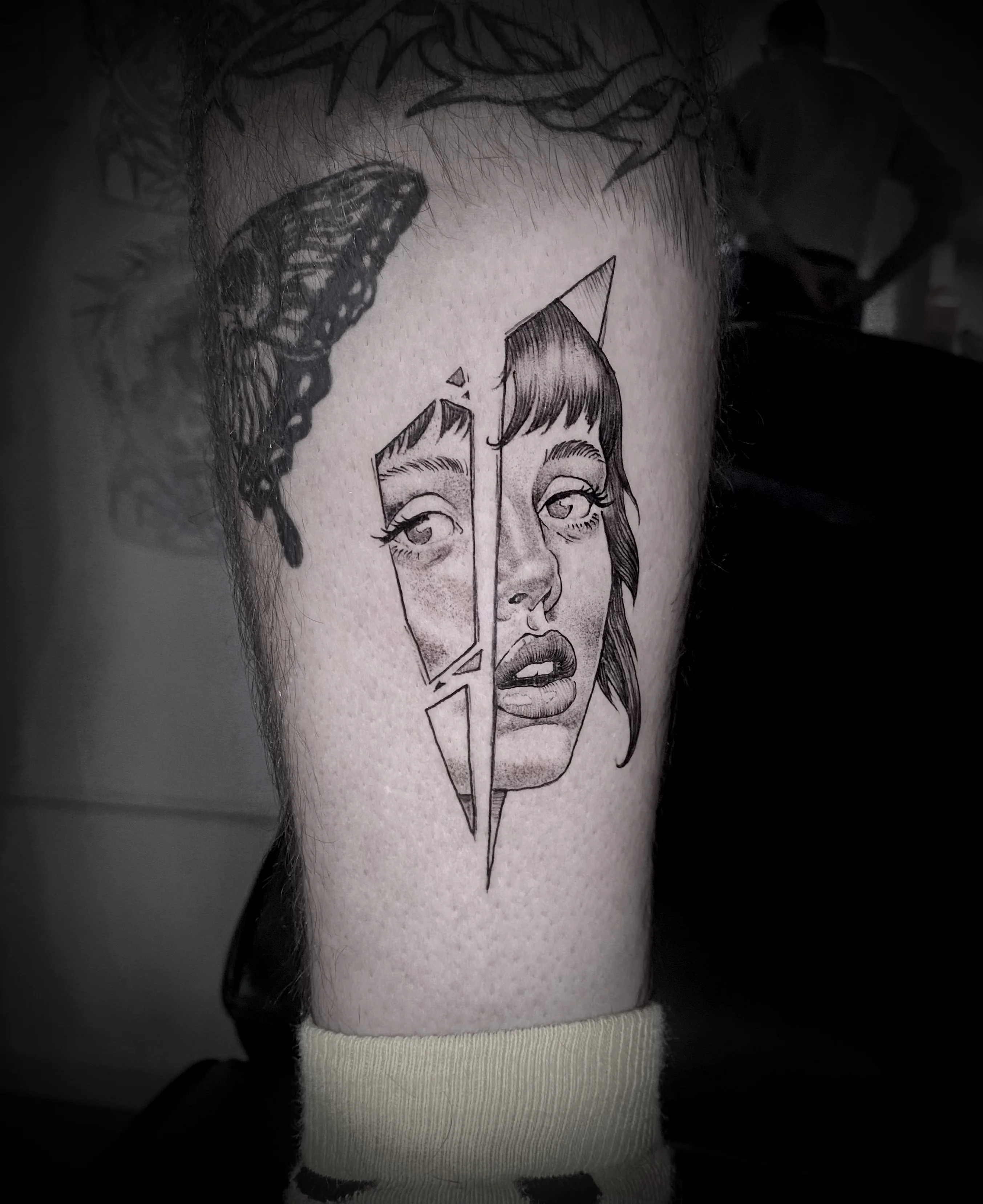 Sam
Sam
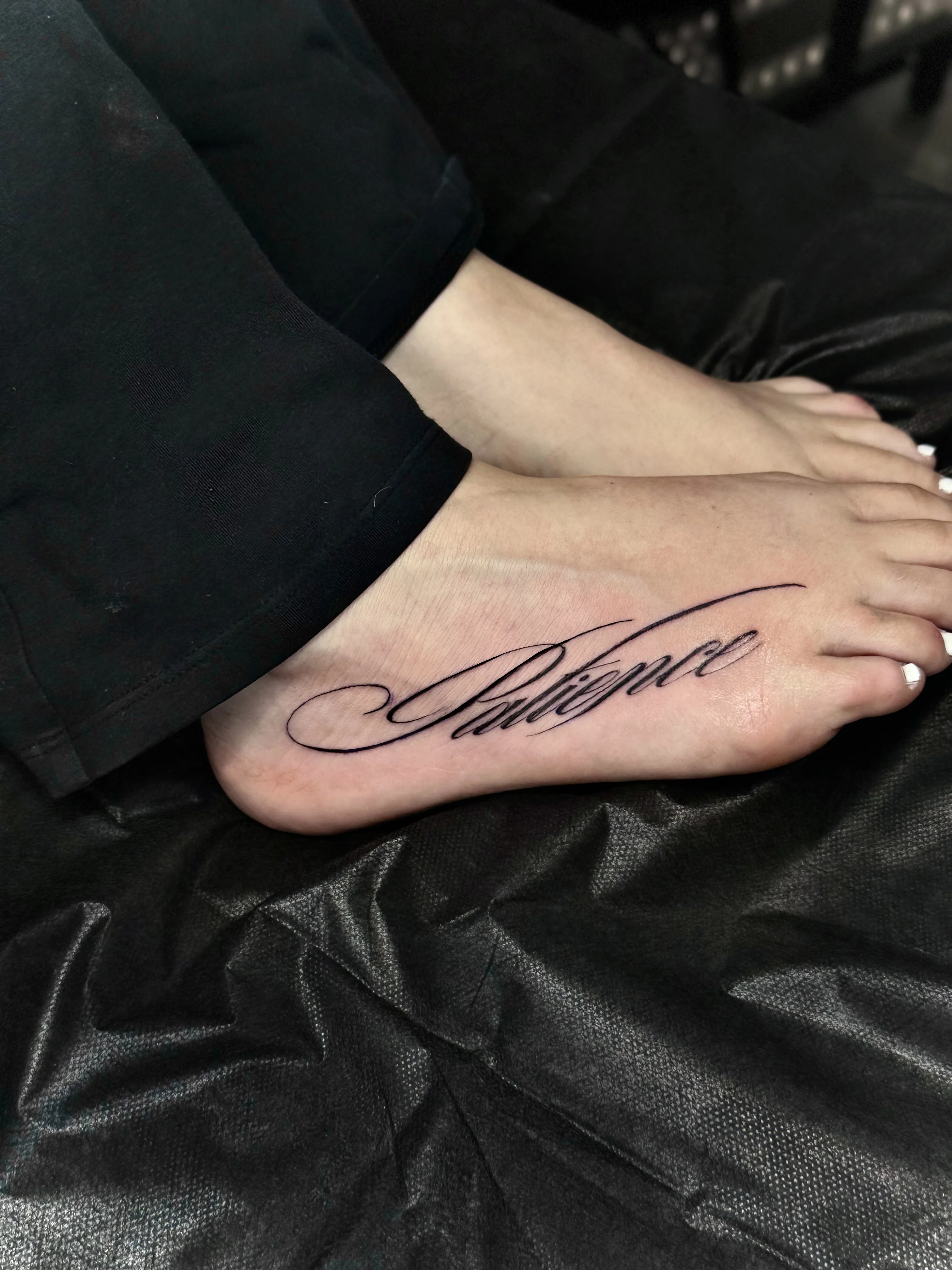 Churry Tattoos
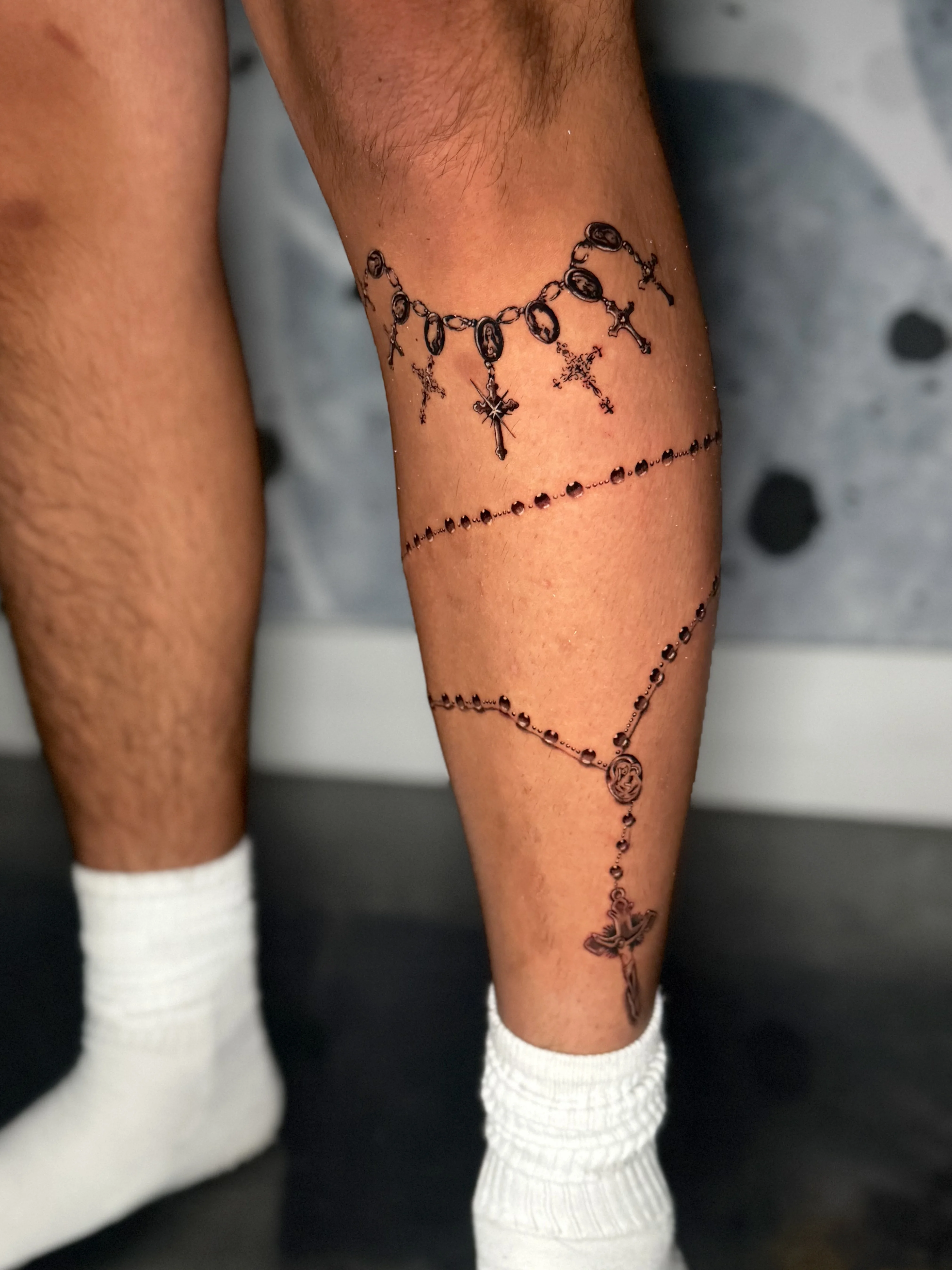 Rhea
Rhea
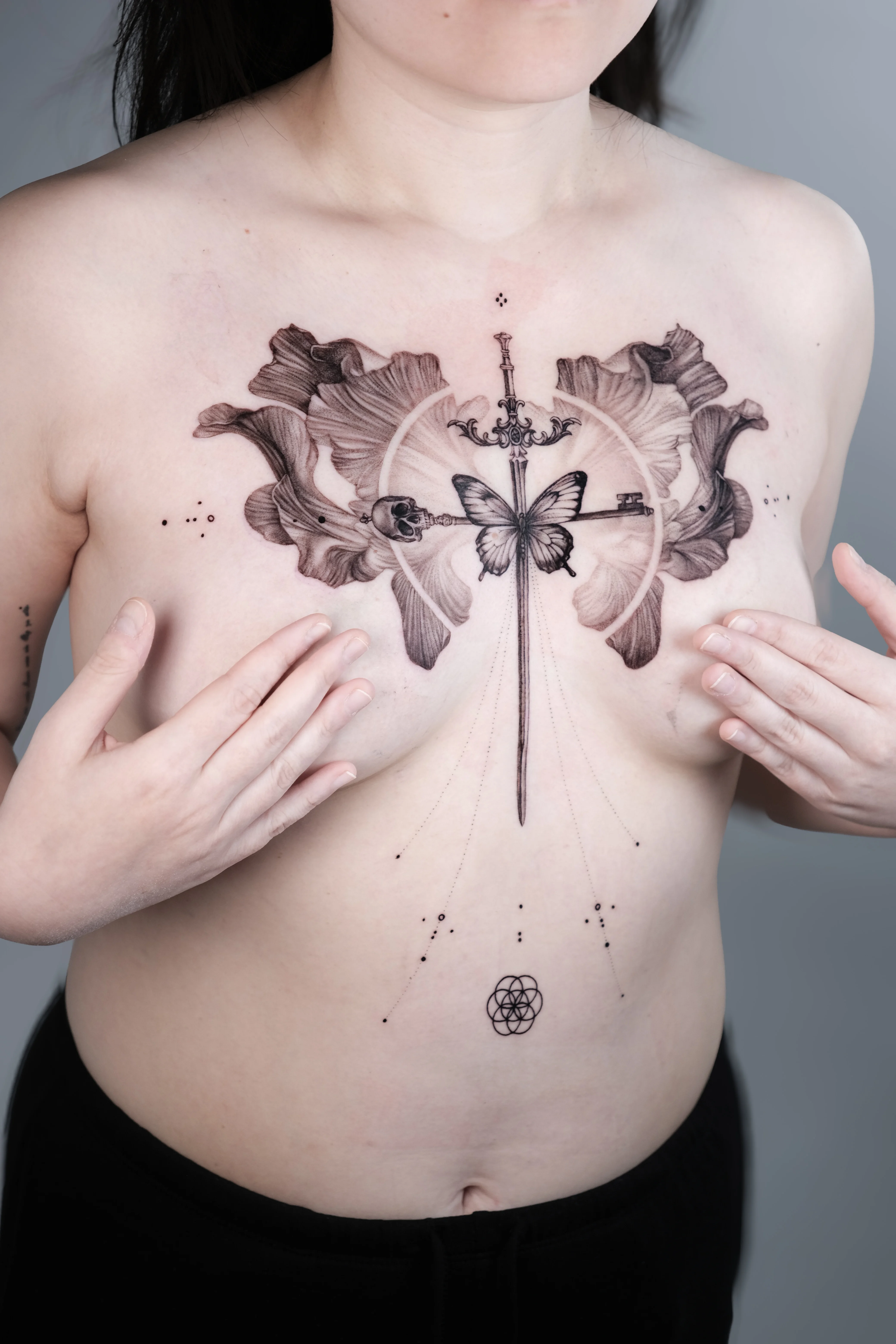 Scorpio tattss
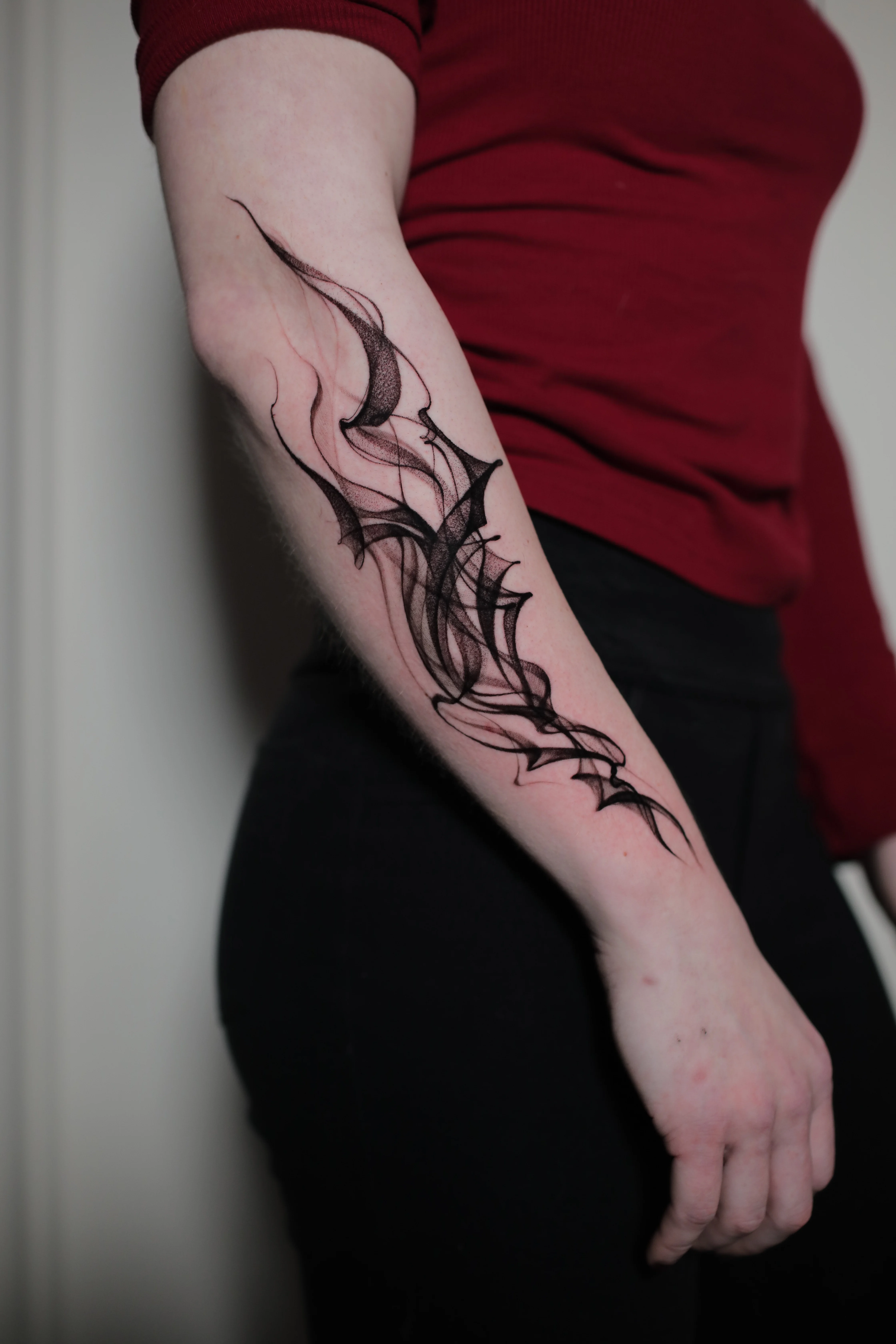 Konstantin Strokin
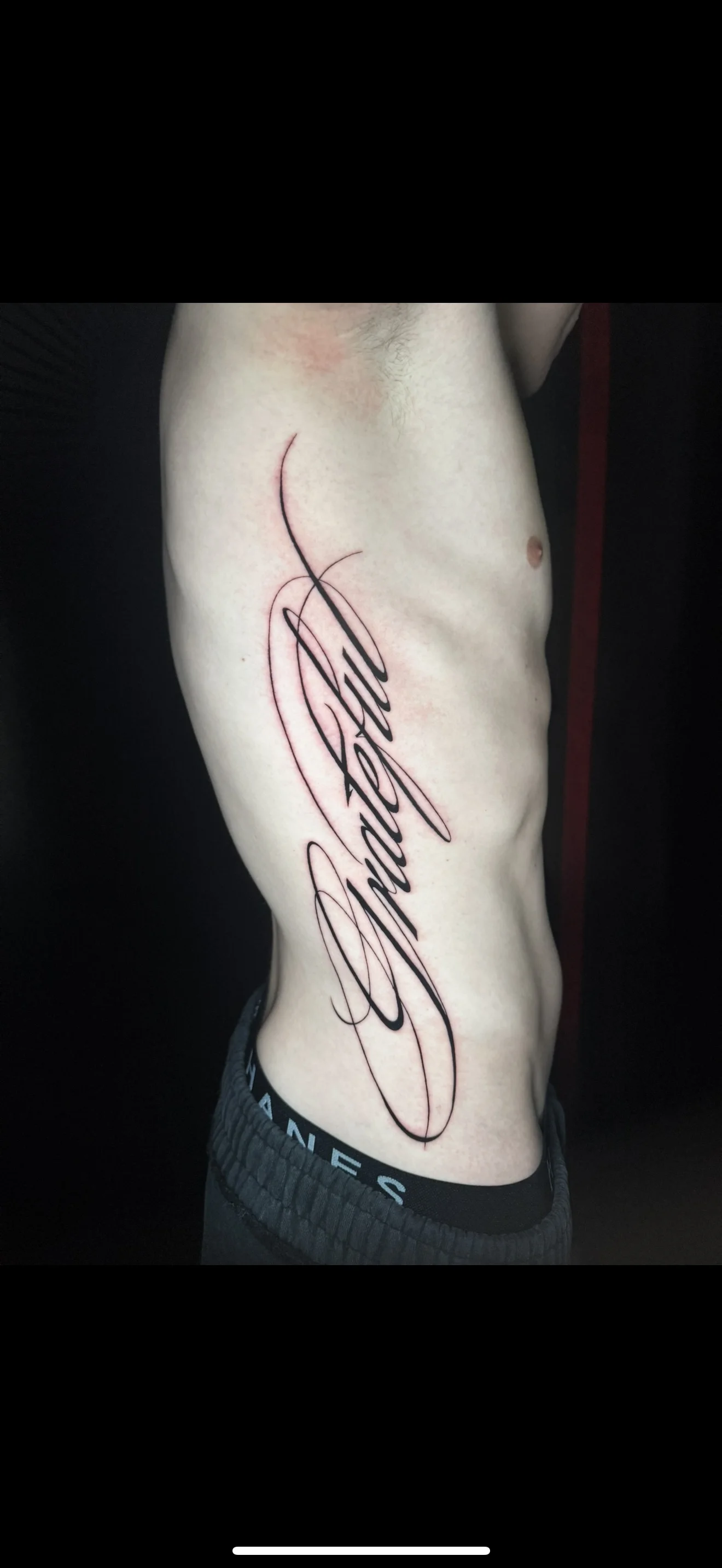 Bethany Villagomez
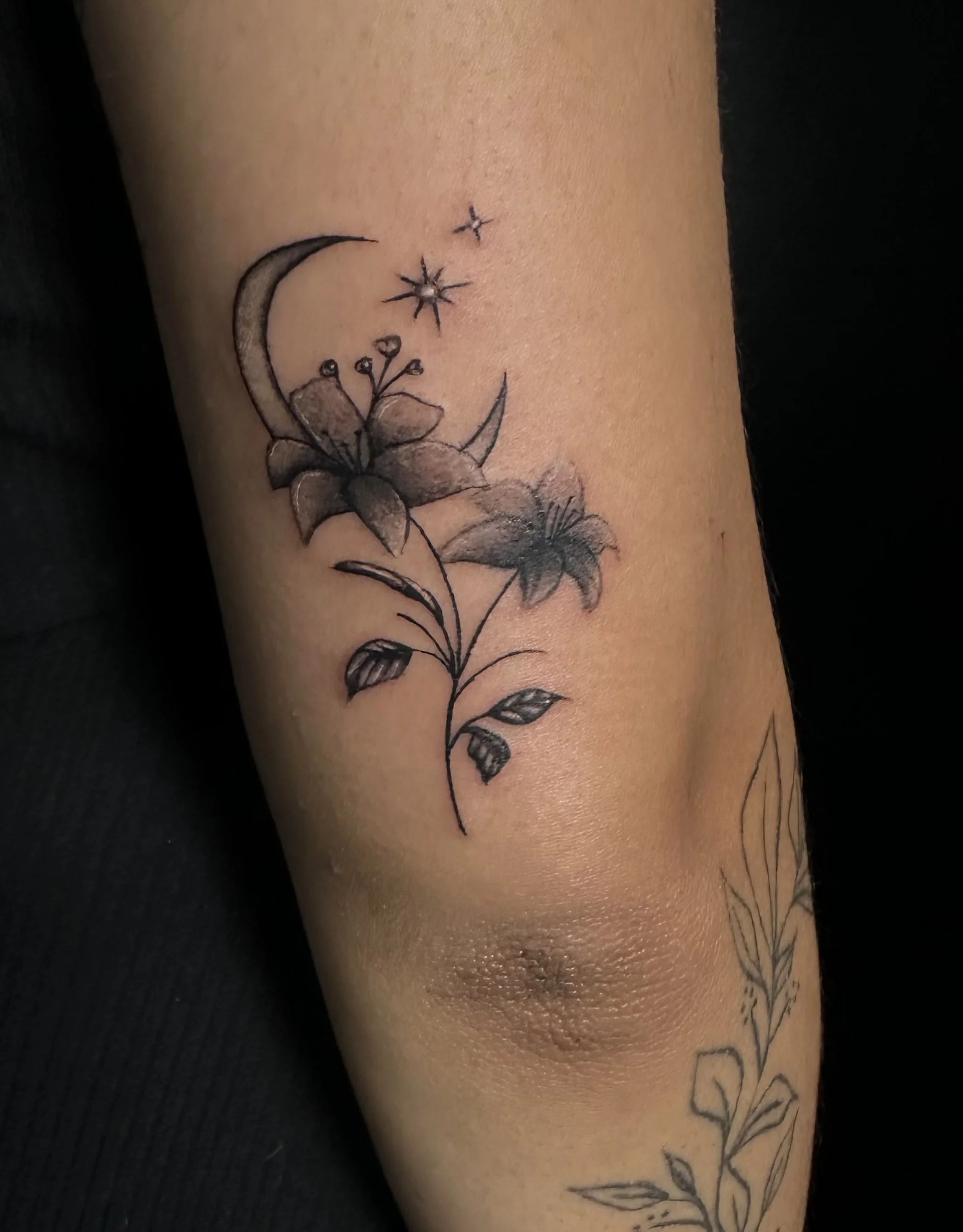 Krybaby
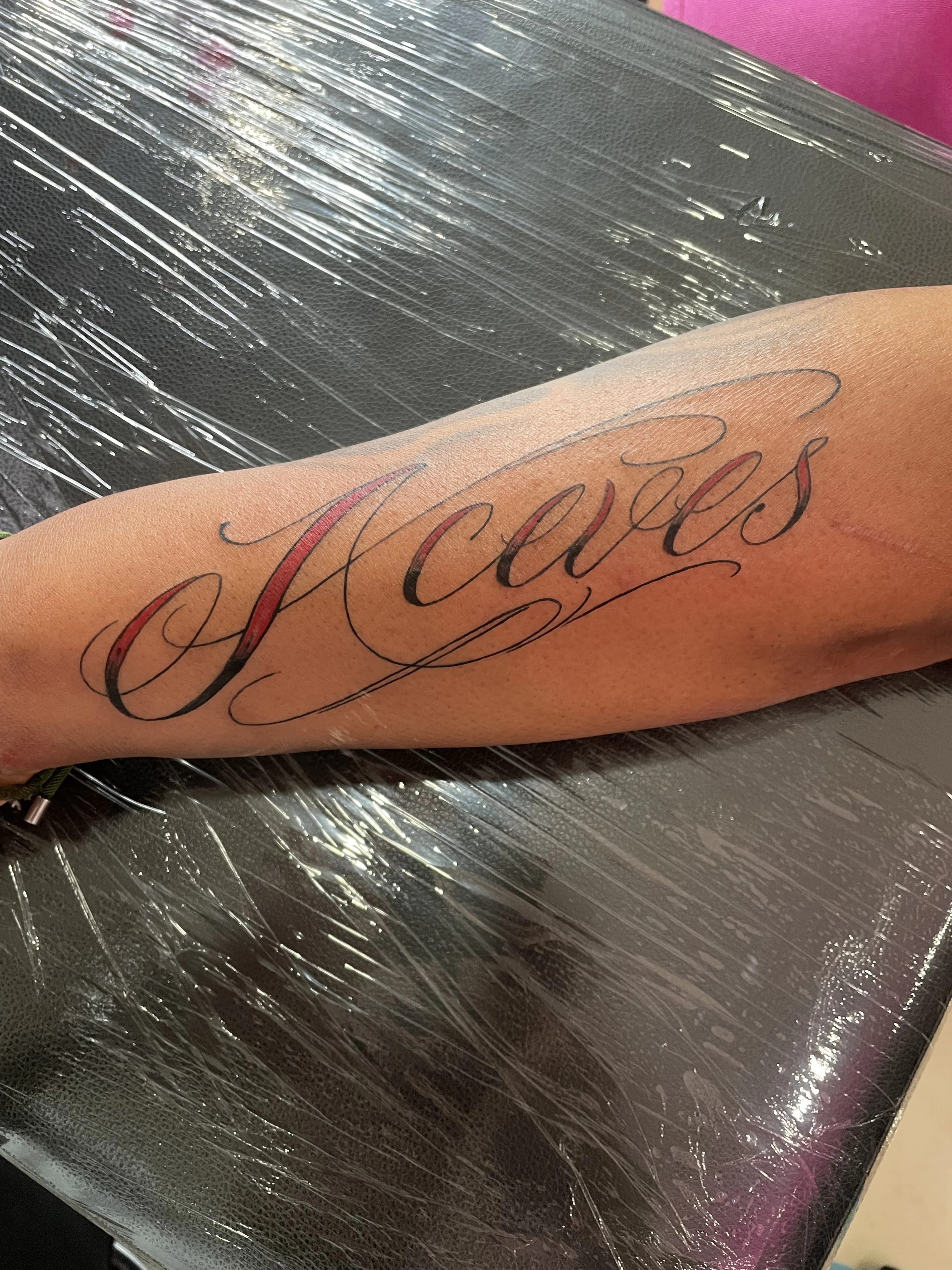 Jc_TheArtist
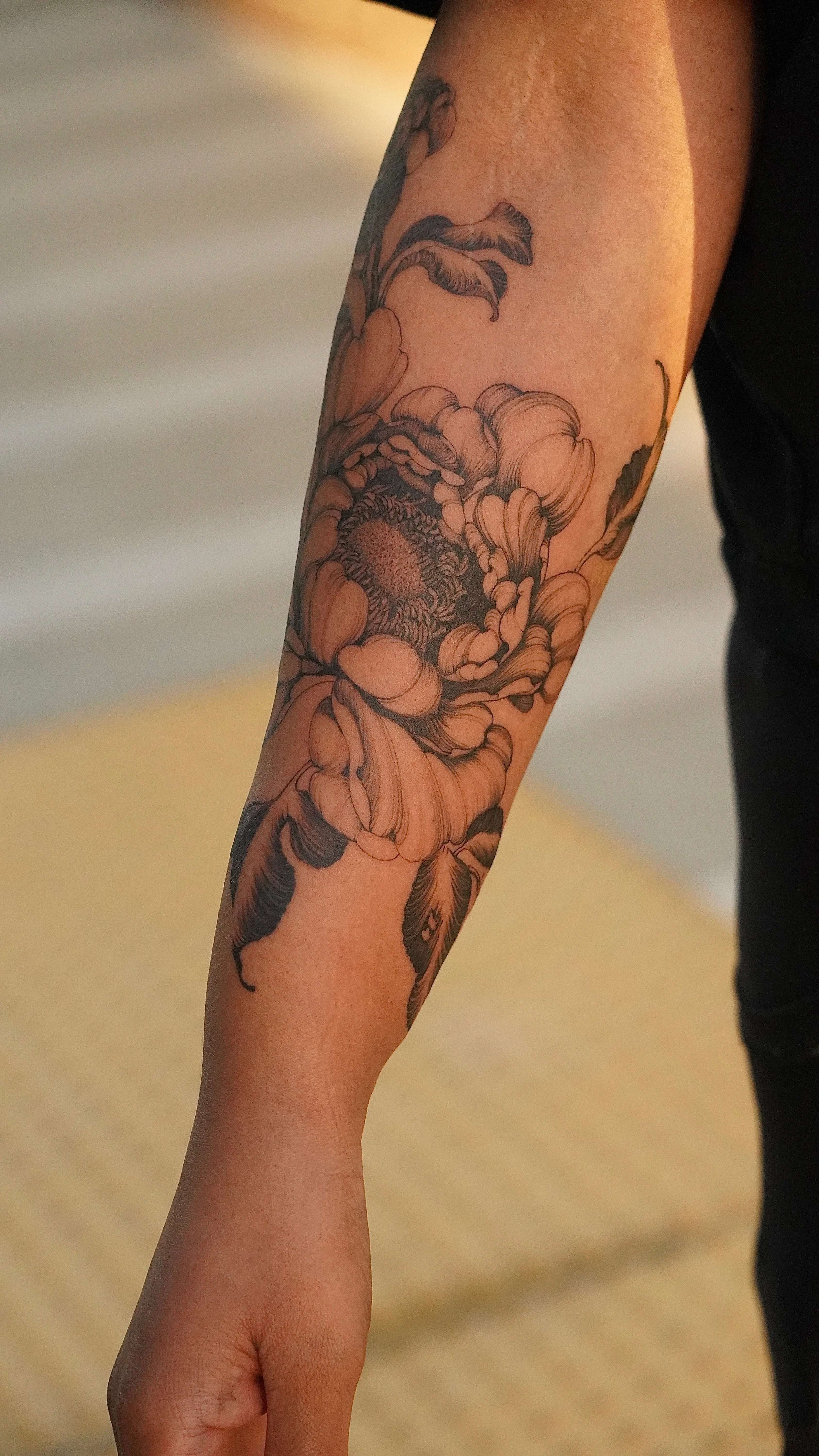 Sam Leng
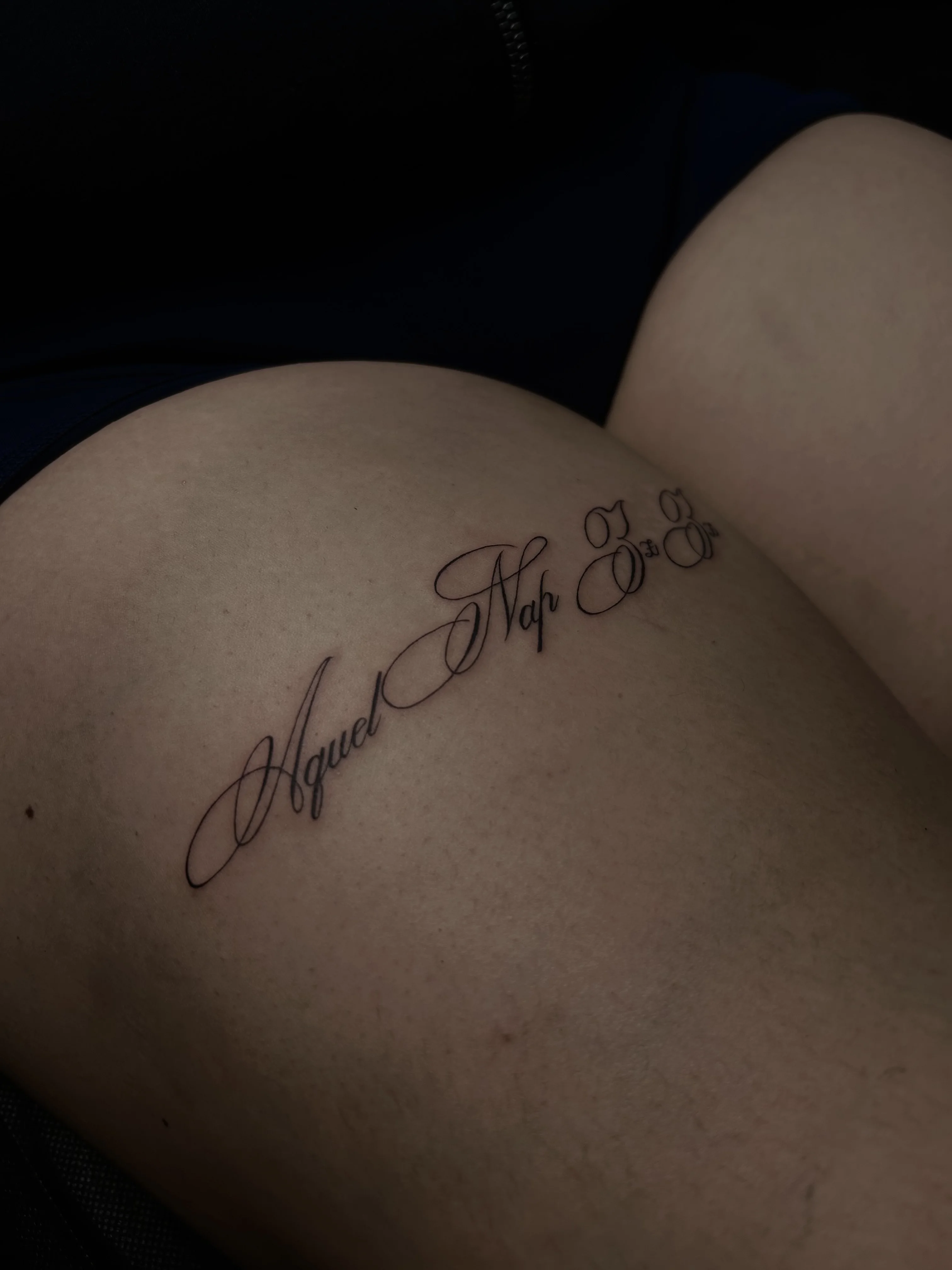 Mia Chavez
Common Questions
What is a fine line tattoo?
It's a style that uses a single needle or very small needle groupings to create thin, delicate lines. It ranges from small symbols and script to detailed illustrations built entirely from fine linework.
Do fine line tattoos fade?
They can fade or blur more than bolder styles if the lines are too thin, too close together, or placed in high-friction spots. Choosing an artist with strong healed work, giving the design enough size, and using sunscreen all help.
Can you get a fine line neck tattoo?
Yes, the neck is a popular spot for fine line work. Talk with your artist about sizing the design so the lines have enough space to stay clear as it heals and ages.
Are fine line tattoos less painful?
Many people find small fine line pieces quicker, but pain depends far more on placement and your own sensitivity than on the style.
How do I find a good fine line tattoo artist?
Look for consistent, clean lines and, most of all, healed photos from a couple of years out. On Freshly Inked you can browse fine line work and open each artist's full portfolio.
Where is the best placement for a fine line tattoo?
Forearms, upper arms, ribs, collarbones, and ankles are popular because the skin moves less there. Hands and fingers are harder on thin lines.