Microrealism Tattoos & Artists
Photoreal detail compressed into small, wearable pieces. Browse real microrealism tattoos and the artists making them, then request to book the one whose work fits the direction you're picturing.
What is a microrealism tattoo?
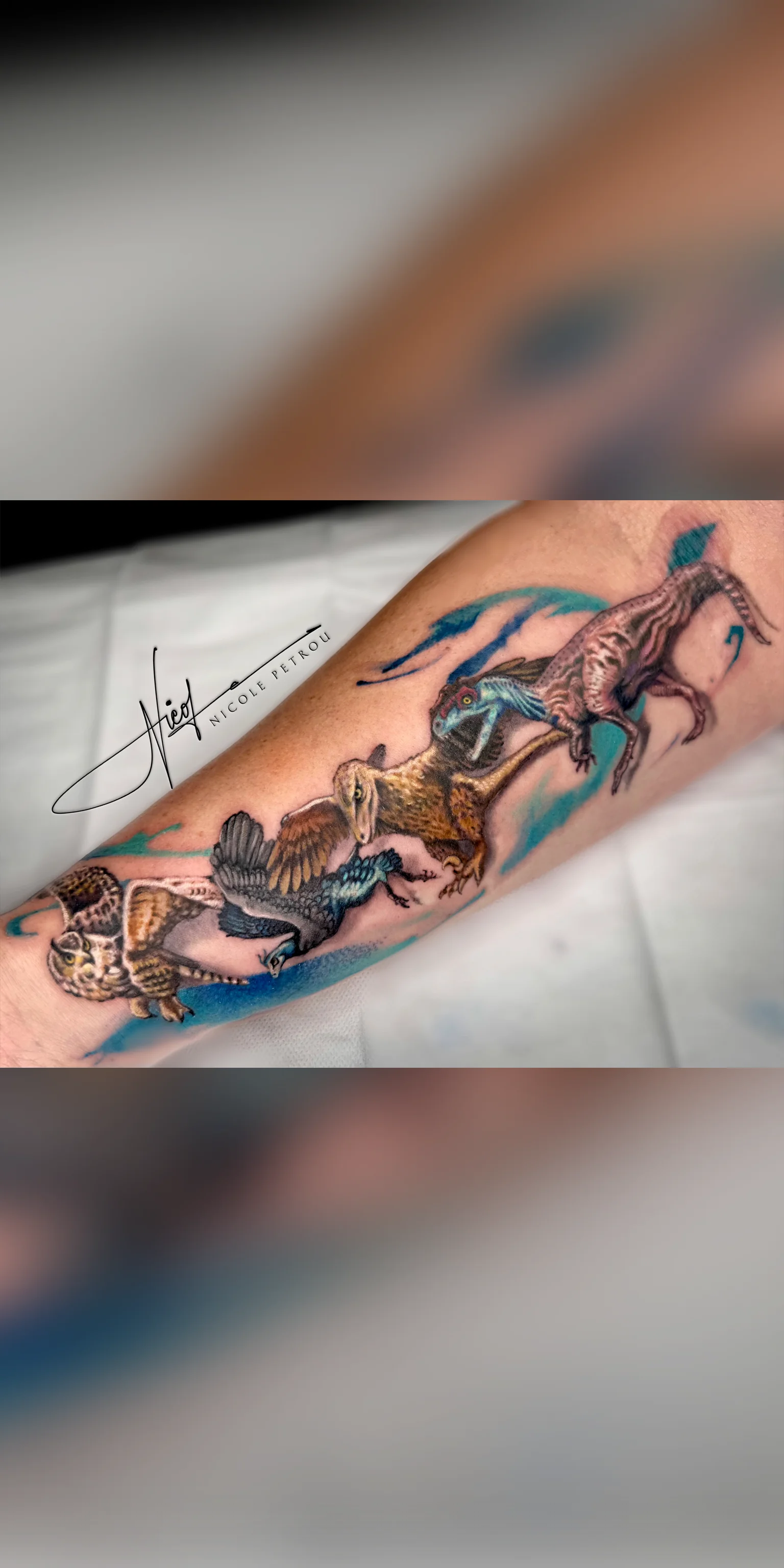
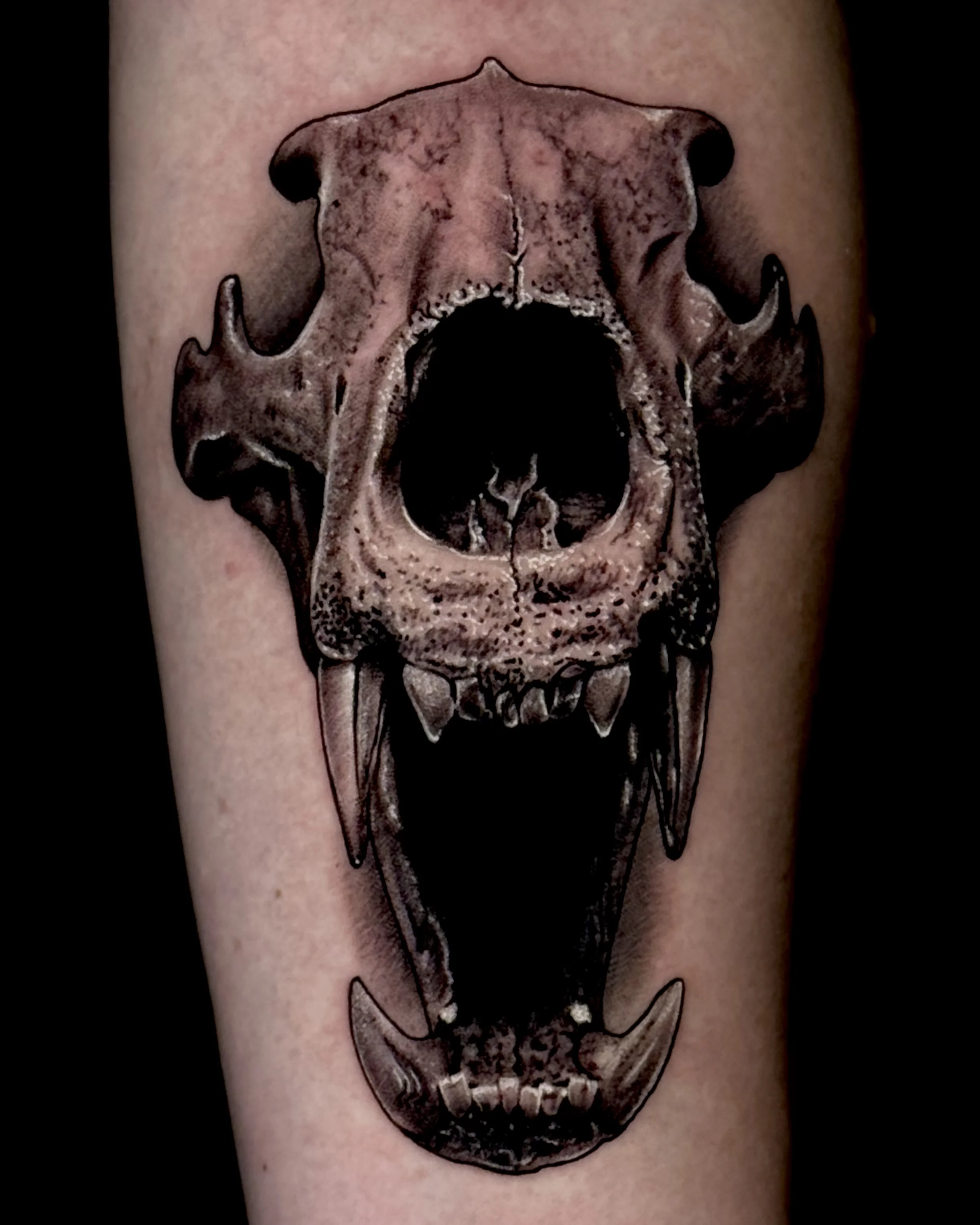
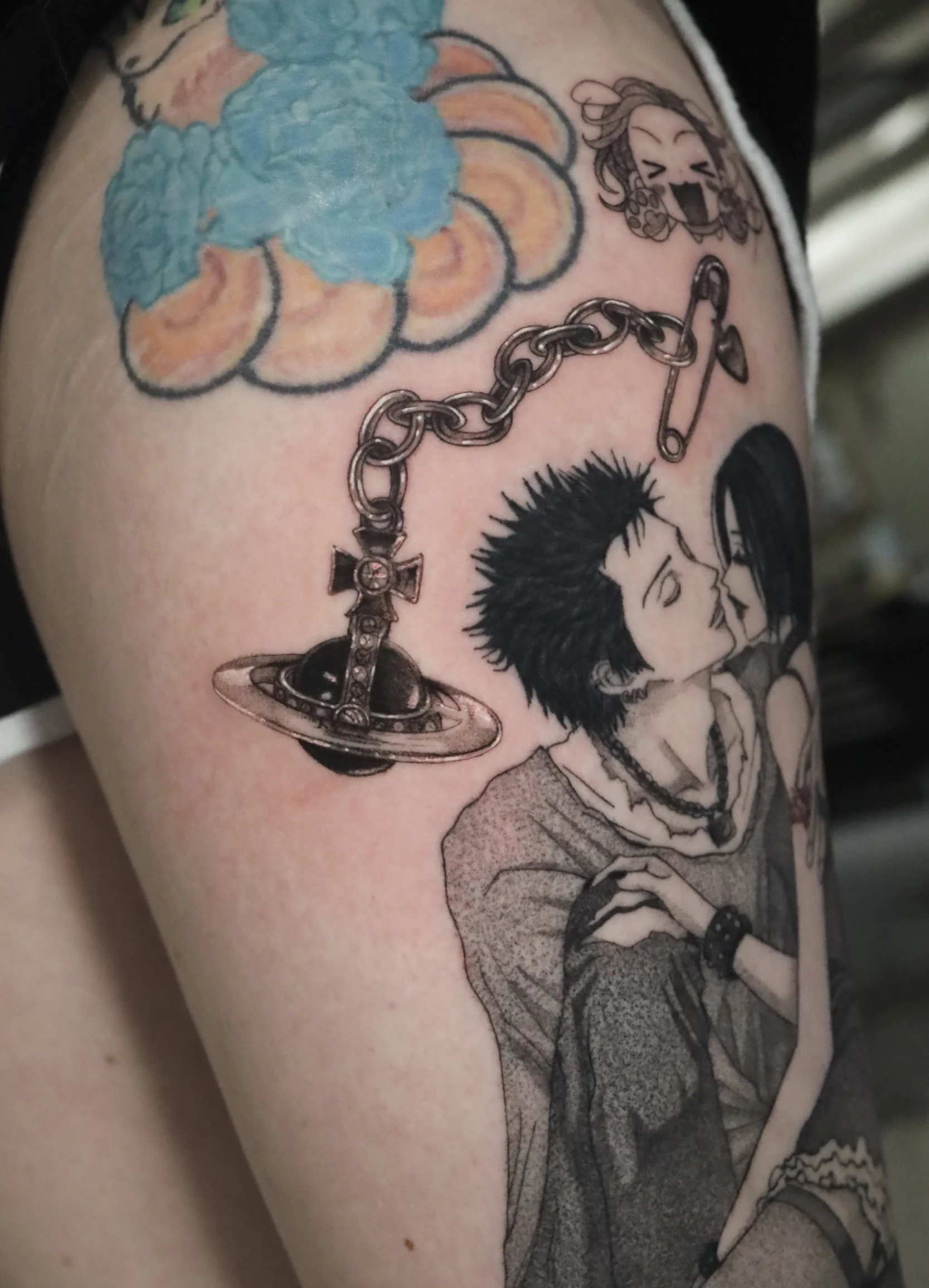
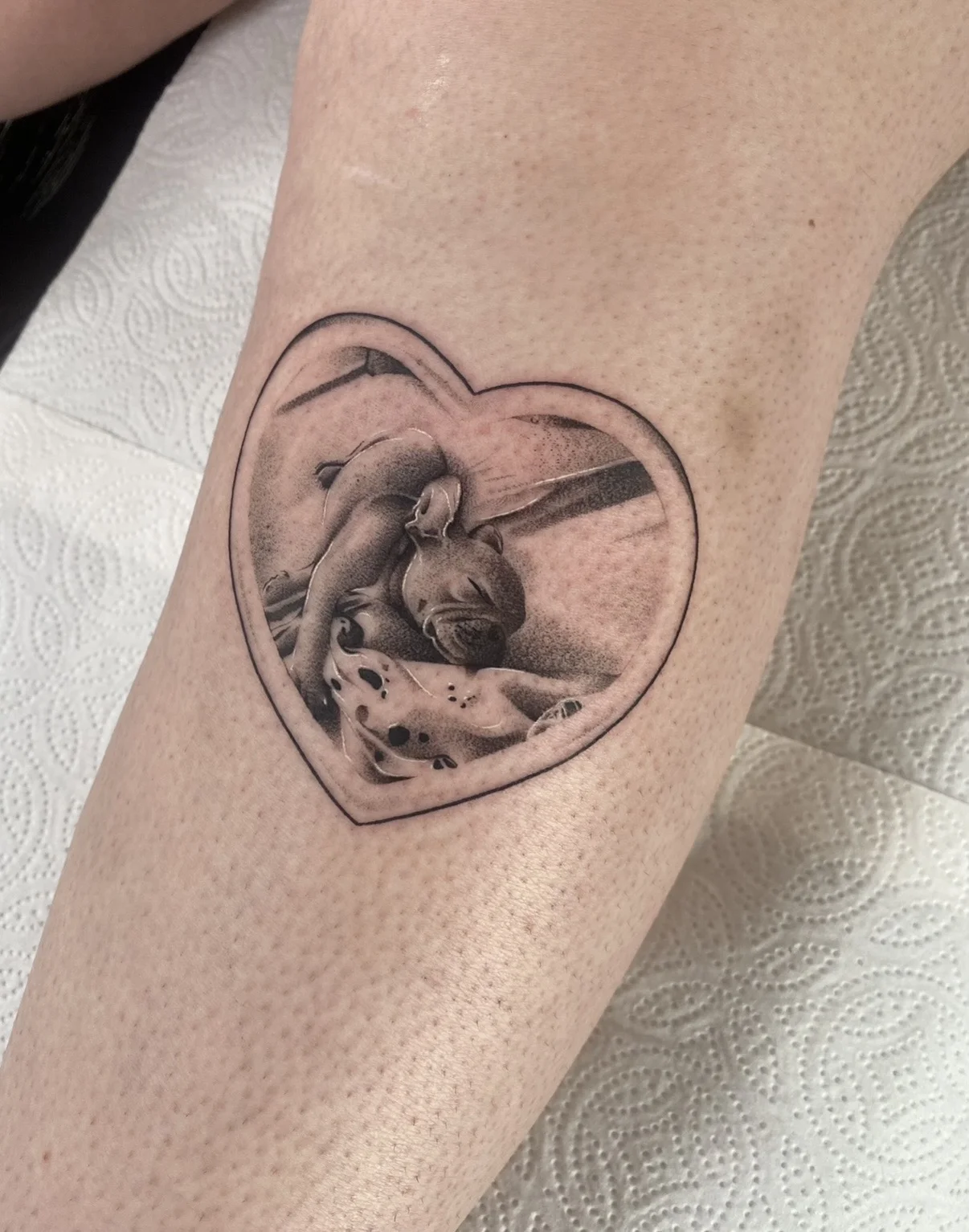
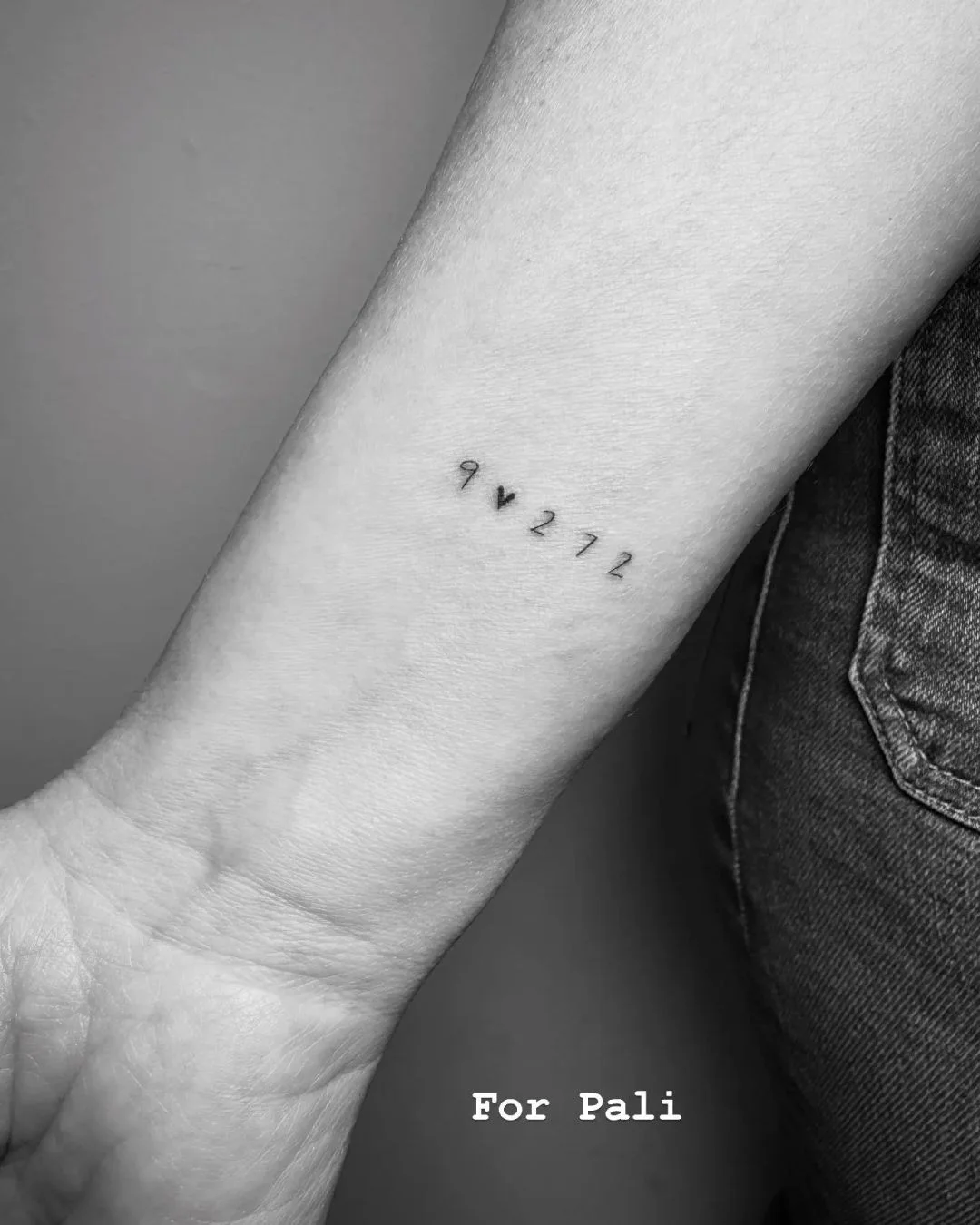
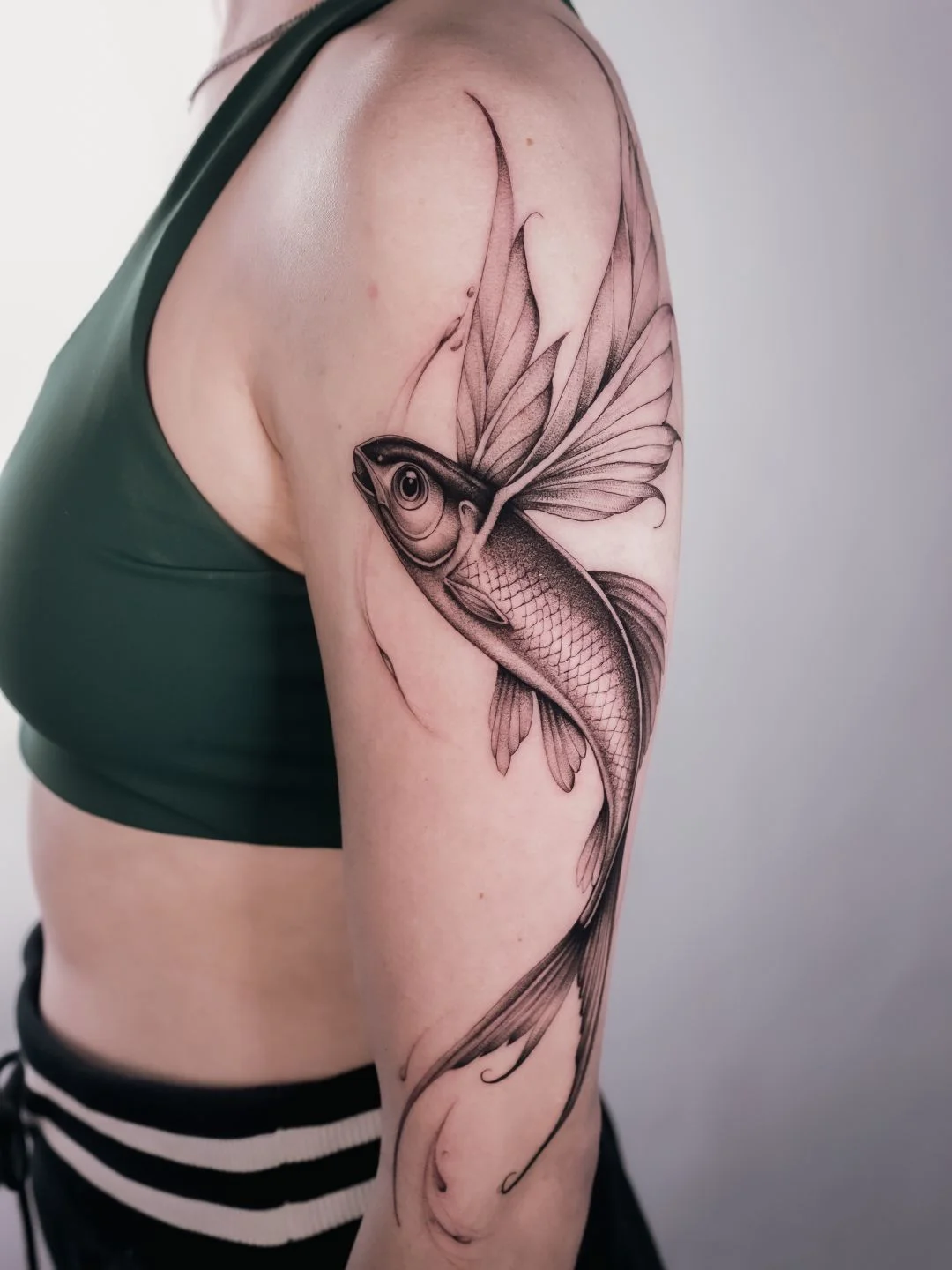
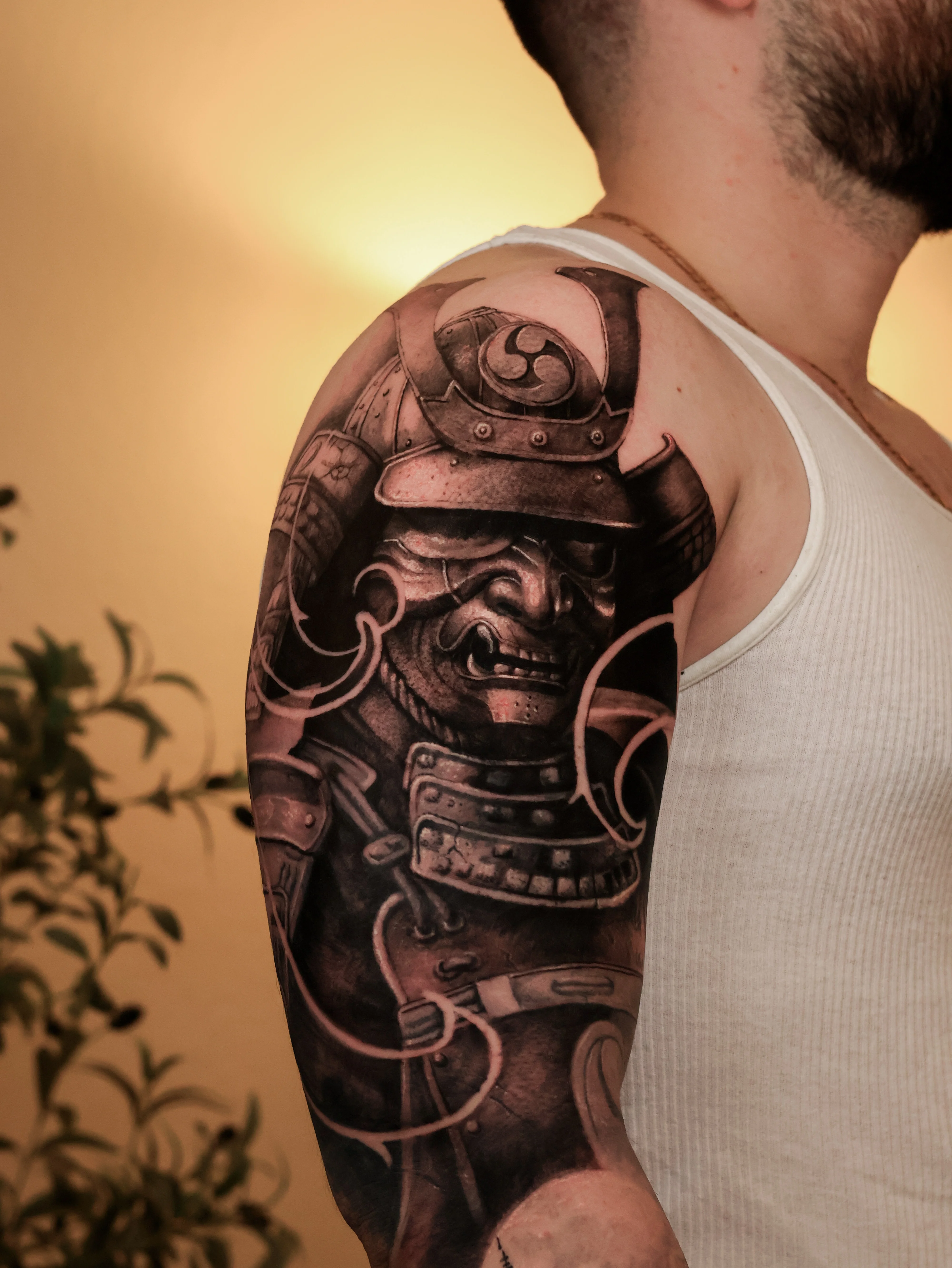
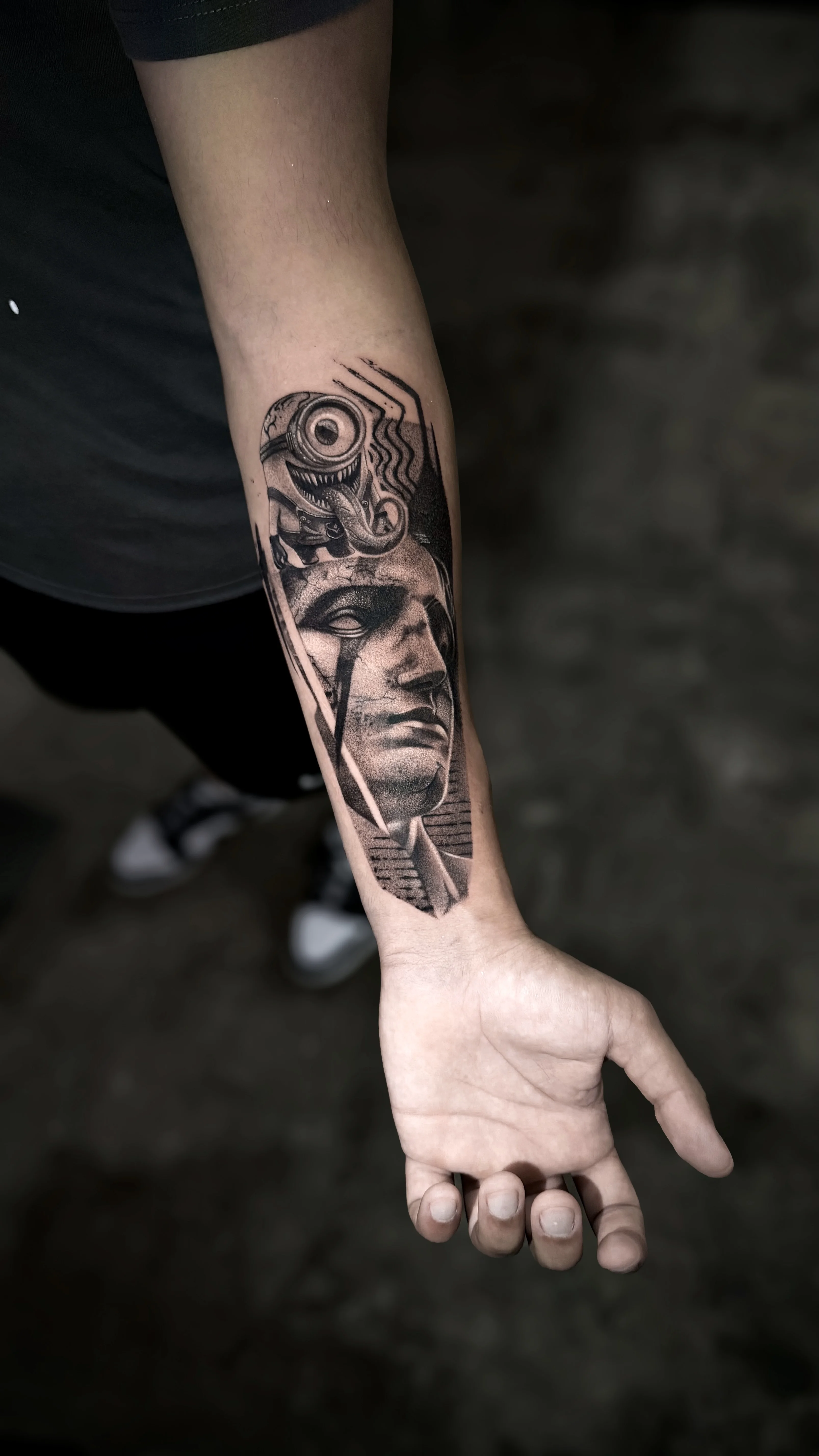
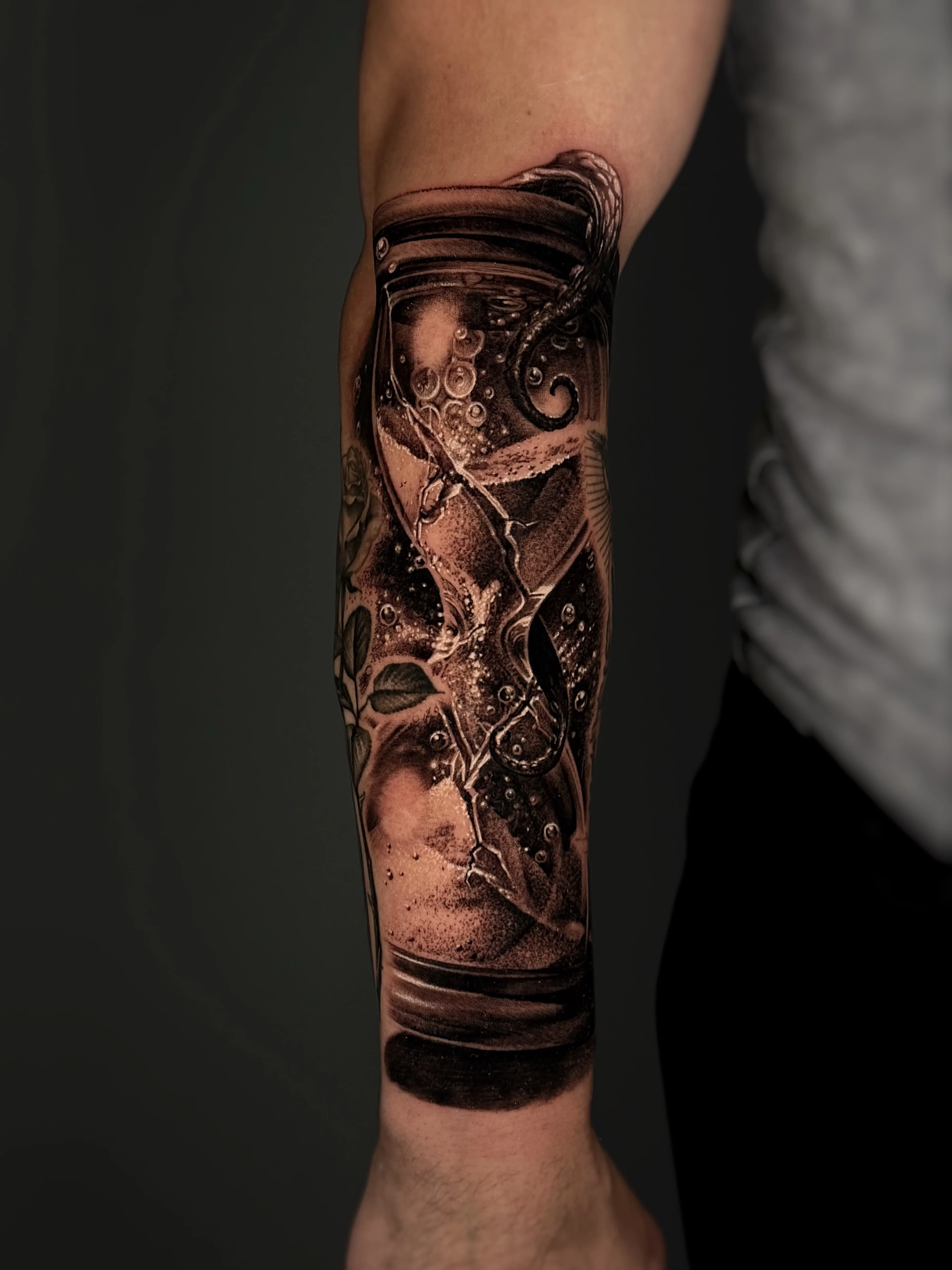
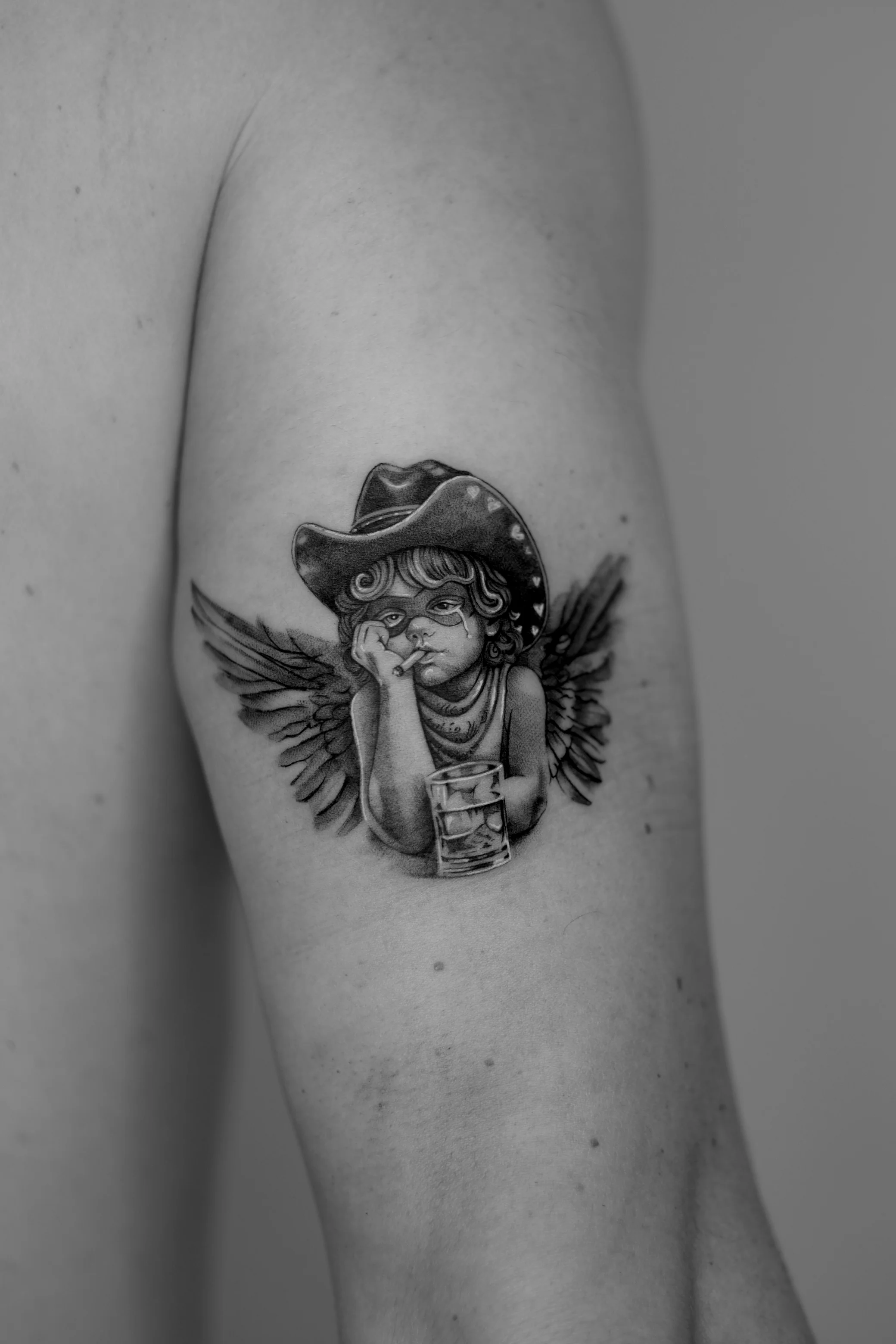
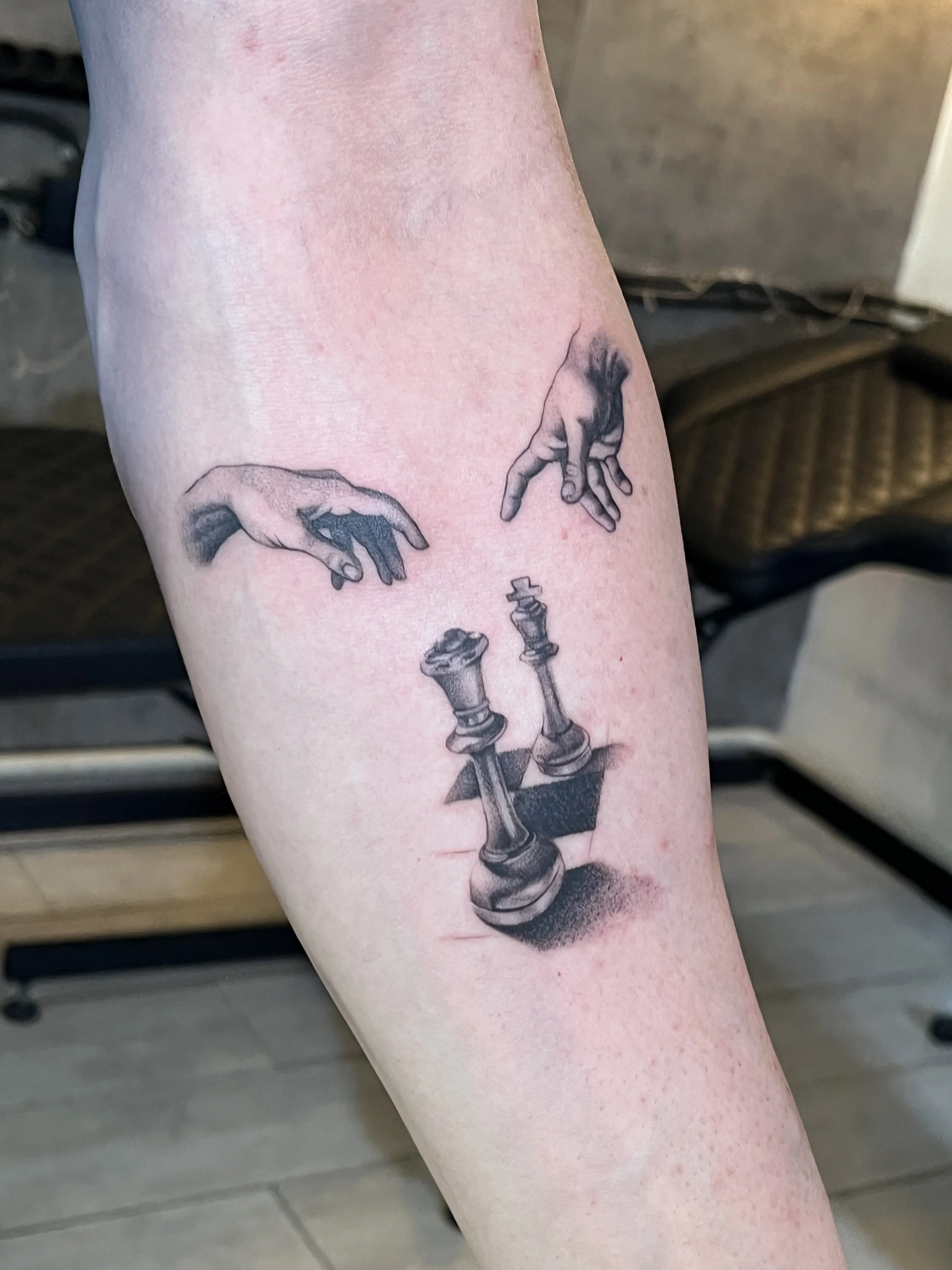
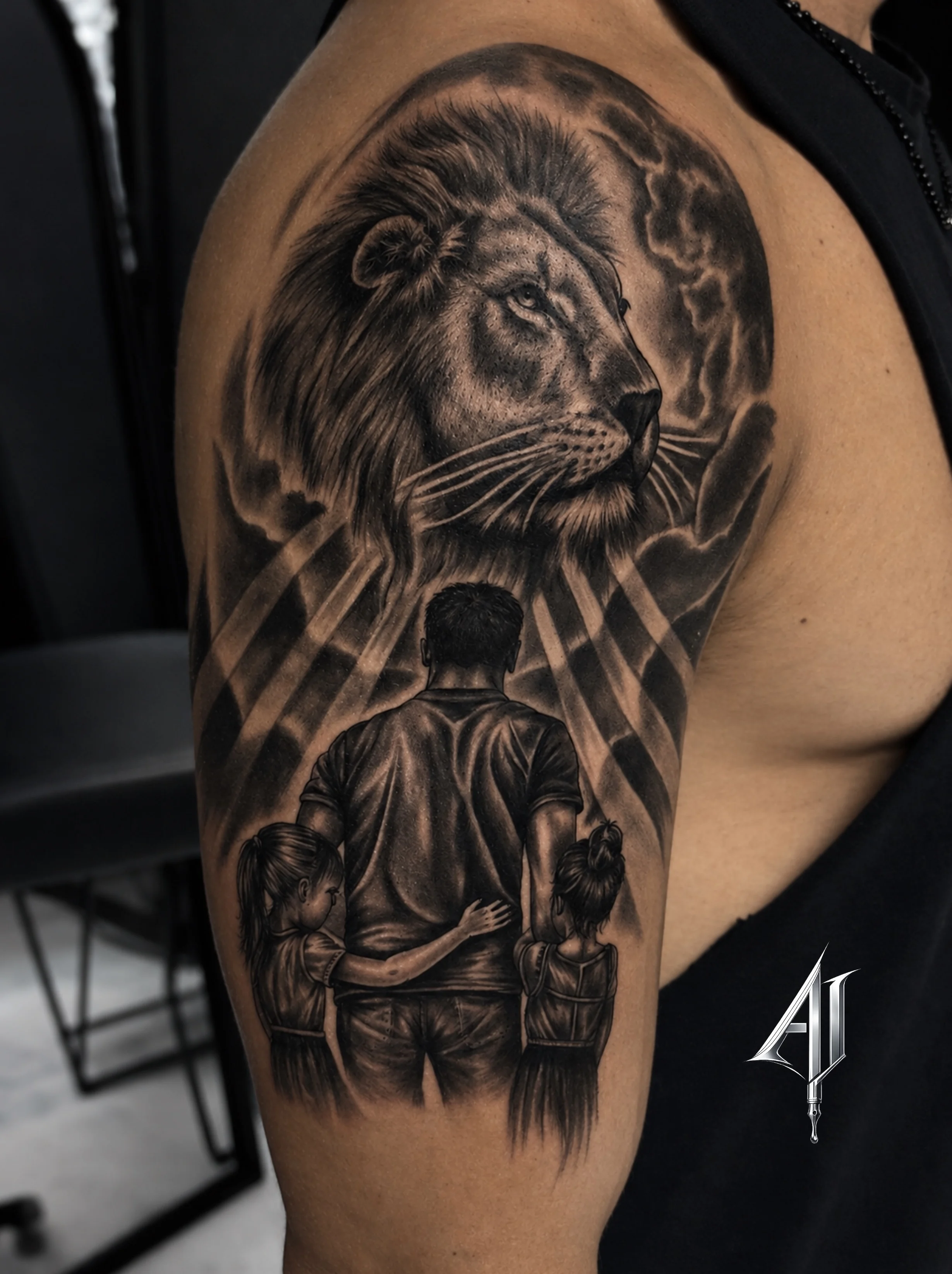
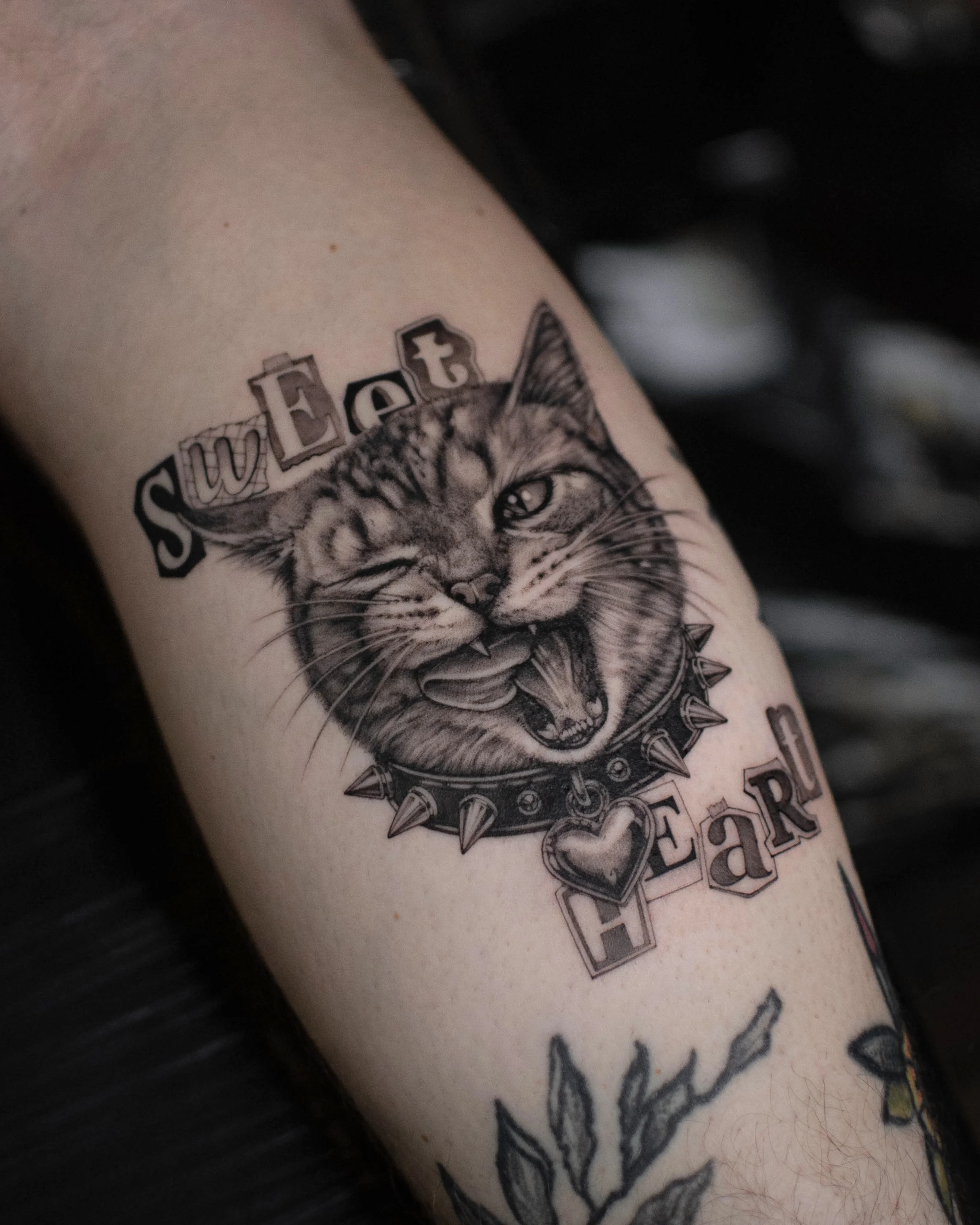
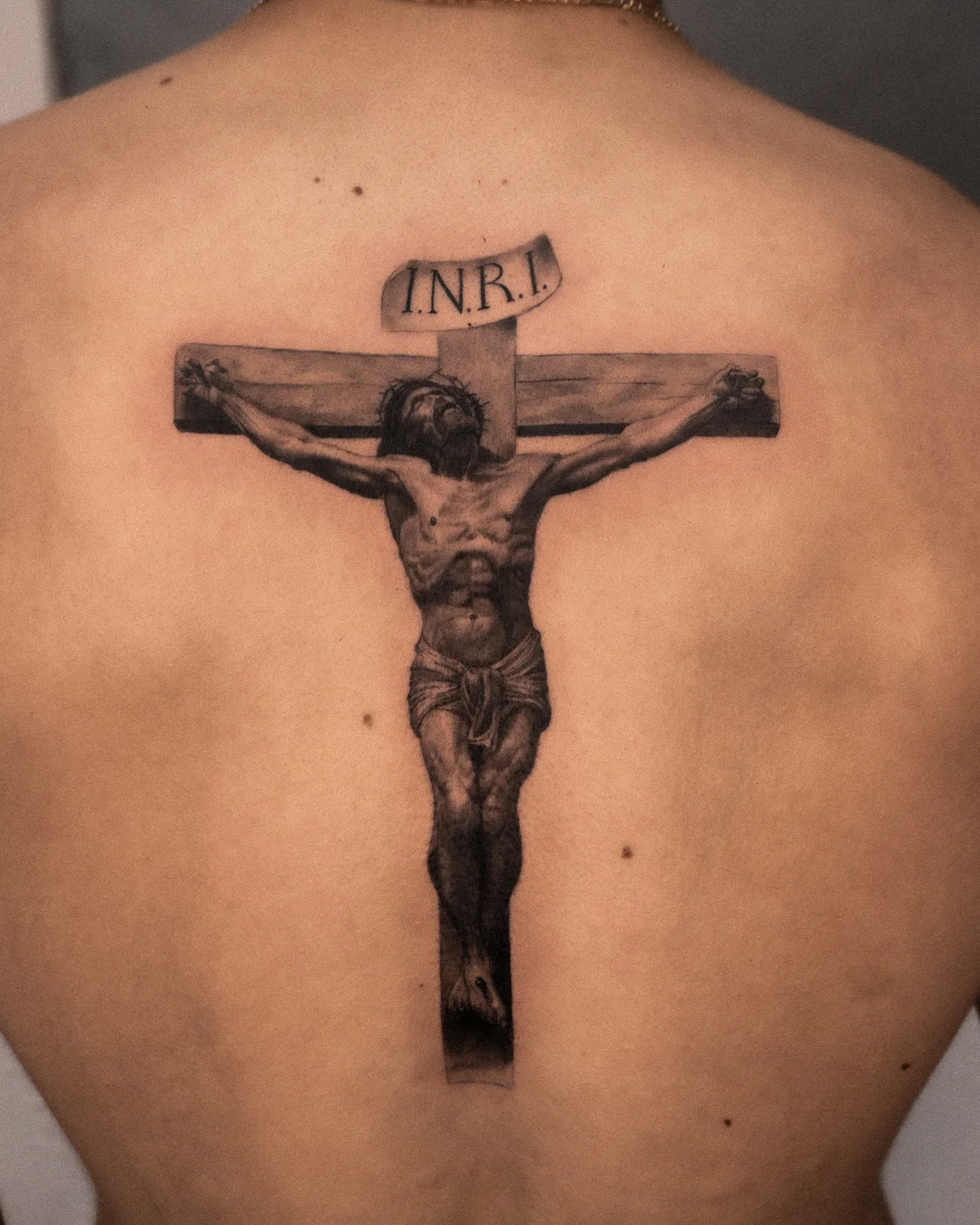
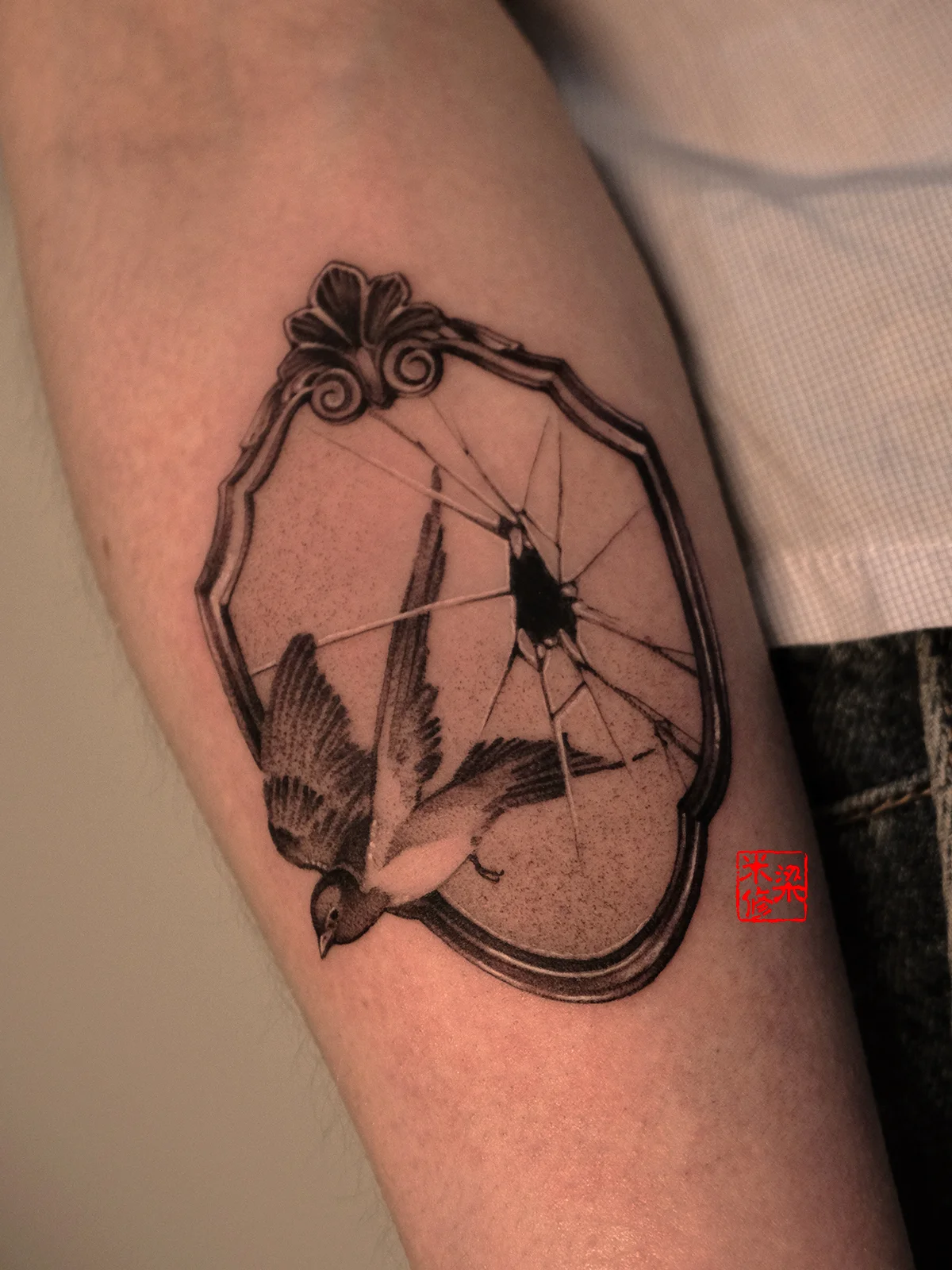
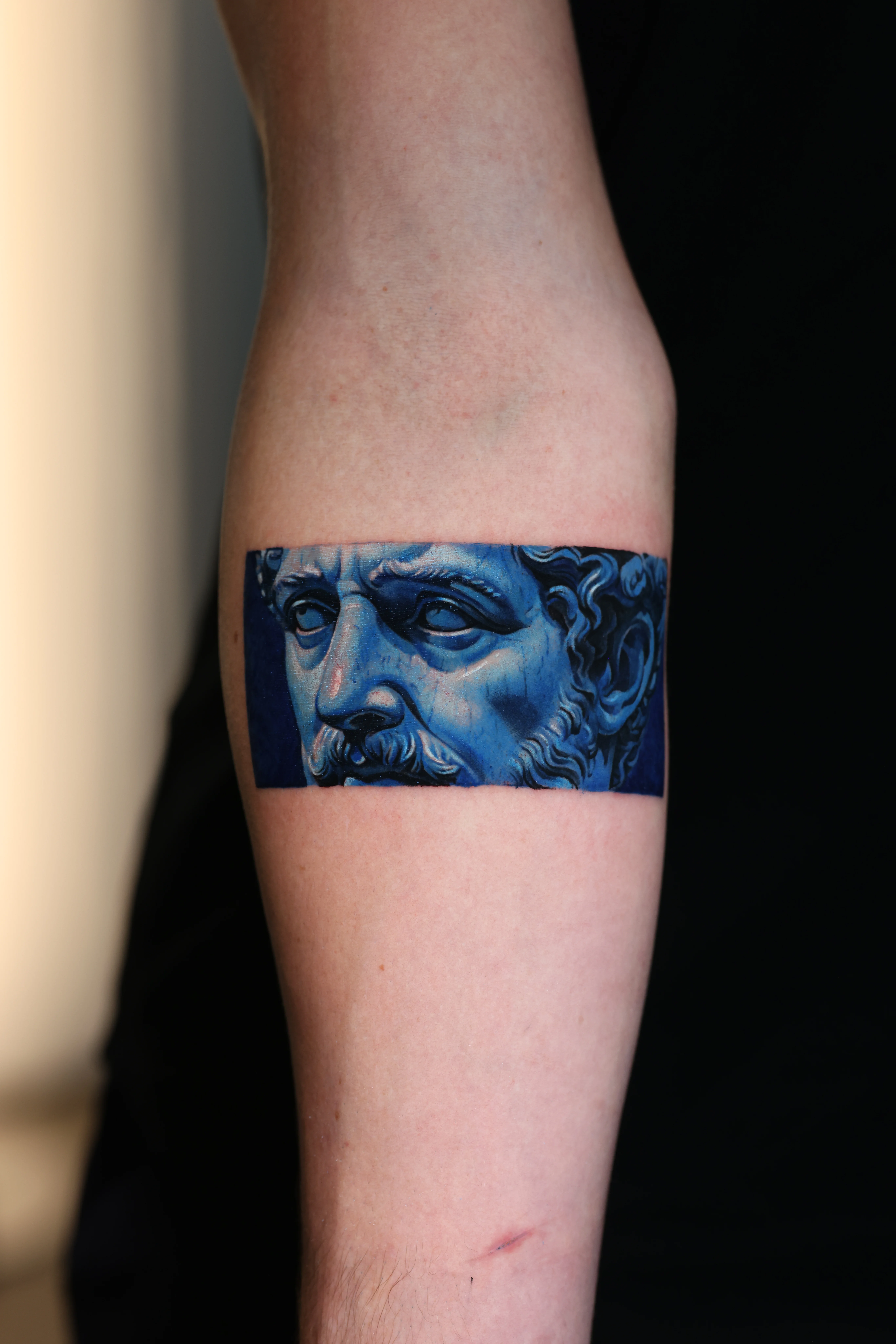
Microrealism is photoreal tattoo work scaled down. Where regular color or black and gray realism wants a large canvas to render at full depth, microrealism compresses the same kind of detail into a piece that might only be a few inches across. A miniature portrait, a tiny animal eye that looks wet and alive, a small framed scene on the forearm: the goal is an image that reads as a photograph even though it's barely bigger than a playing card.
It's one of the most technically demanding styles in tattooing. Producing a recognizable miniature in skin takes single-needle work, careful shading, and a real understanding of how detail compresses and which details have to be sacrificed so the image still reads. The artists who do this at a high level have usually spent years on realism before they start working this small.
What makes the style recognizable
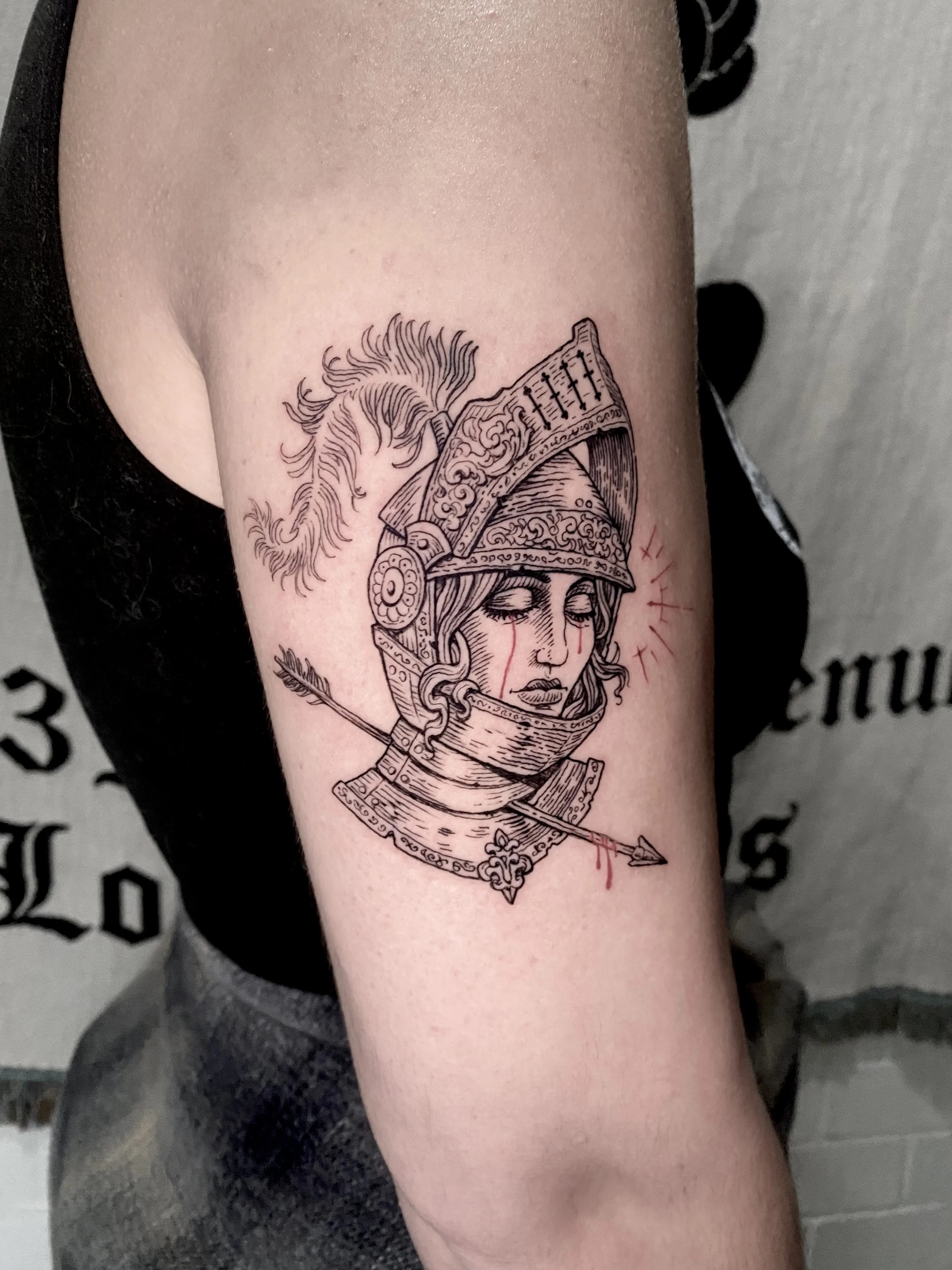
Microrealism pieces are small, dense, and finished. Instead of bold outlines, the image is built from soft gradients and fine value changes, so it looks rendered rather than drawn. You'll usually see a single focal subject, tight framing, and textures that hold up when you look closely, like the shine on metal, the grain of skin, or the reflection in an eye. Subjects tend to be personal and specific, such as portraits, pets, small objects with meaning, jewelry, and miniature scenes.
The style is built for close viewing. A microrealism tattoo is something the person wearing it gets to look at up close, and part of its appeal is that it rewards a second look rather than shouting from across the room.
How to spot a strong microrealism tattoo artist
Start with the artist's realism foundations. If their larger realism work has clean gradients, believable light, and accurate proportions, that discipline is what makes their small work possible. Then look closely at their microrealism pieces for smooth transitions without blotchy patches, edges that stay crisp without relying on heavy outlines, and enough contrast that the image still reads when you step back.
Healed photos matter more in this style than almost any other. Fresh microrealism can look incredible on day one, so ask to see pieces that are at least a year or two healed. A good artist will also talk with you about needle selection, how the piece is expected to age, and whether they recommend a touch-up after a few years. If an artist doesn't bring up aging at all, ask about it directly.
Best placements for a microrealism tattoo
Microrealism does best on areas with smooth, even skin that doesn't stretch or rub much. The inner forearm, outer forearm, upper arm, inner bicep, and calf are common choices because they give the artist a stable surface and keep the piece in a spot where you'll actually see it. Fingers, hands, feet, and the sides of the fingers are tough for any fine detail, and they're especially hard on microrealism because constant friction and sun exposure soften small details quickly. A good artist will tell you honestly if your placement is working against the design.
How microrealism tattoos age
This is the question most people searching for microrealism are really asking, and the honest answer is that it depends heavily on size, contrast, placement, and the artist. Ink naturally spreads a little under the skin over the years, and hair-thin detail is more vulnerable to that spread than the same detail at a larger size. Pieces with strong darks, clear contrast, and a bit of extra room tend to hold their read for a long time. Very tiny pieces with faint, low-contrast detail are the ones most likely to soften into a blur.
Many artists in this style recommend a touch-up window a few years after healing to sharpen highlights and deepen darks. Sunscreen on healed work makes a noticeable difference. Going a little larger than your first instinct is one of the simplest ways to help a microrealism piece last.
What affects the price and time
Microrealism is usually priced by session time and design time rather than by size alone, because a small piece can still take hours of slow, precise work. The level of detail, color versus black and gray, the artist's experience, and whether the design needs custom drawing all affect the price. Artists who specialize in this style often have waiting lists, and many ask for a consultation and a deposit before scheduling so they can plan every value transition before the needle moves.
Microrealism vs. similar styles
Black and gray realism and color realism use the same photoreal approach at a larger scale, which gives the artist more room for depth and generally ages more predictably. Fine line is also small and delicate, but it's built from thin linework rather than rendered shading, so it reads as a drawing instead of a photograph. If you love the idea of a tiny realistic piece but want something more forgiving over time, sizing up into regular realism is worth discussing with your artist.
How to find and book a microrealism tattoo artist
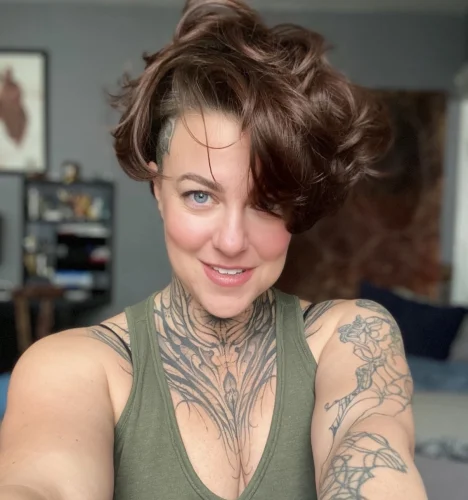
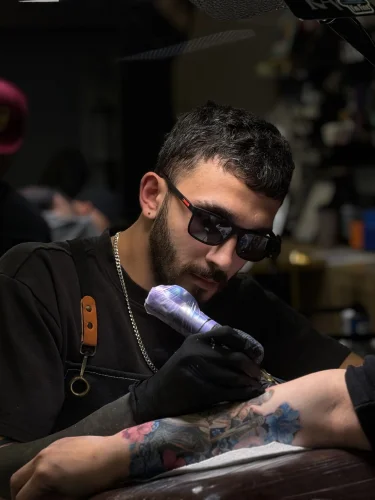
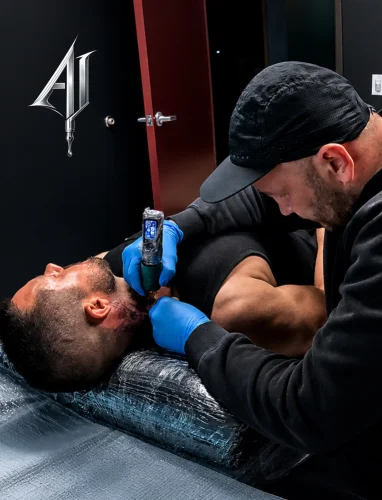
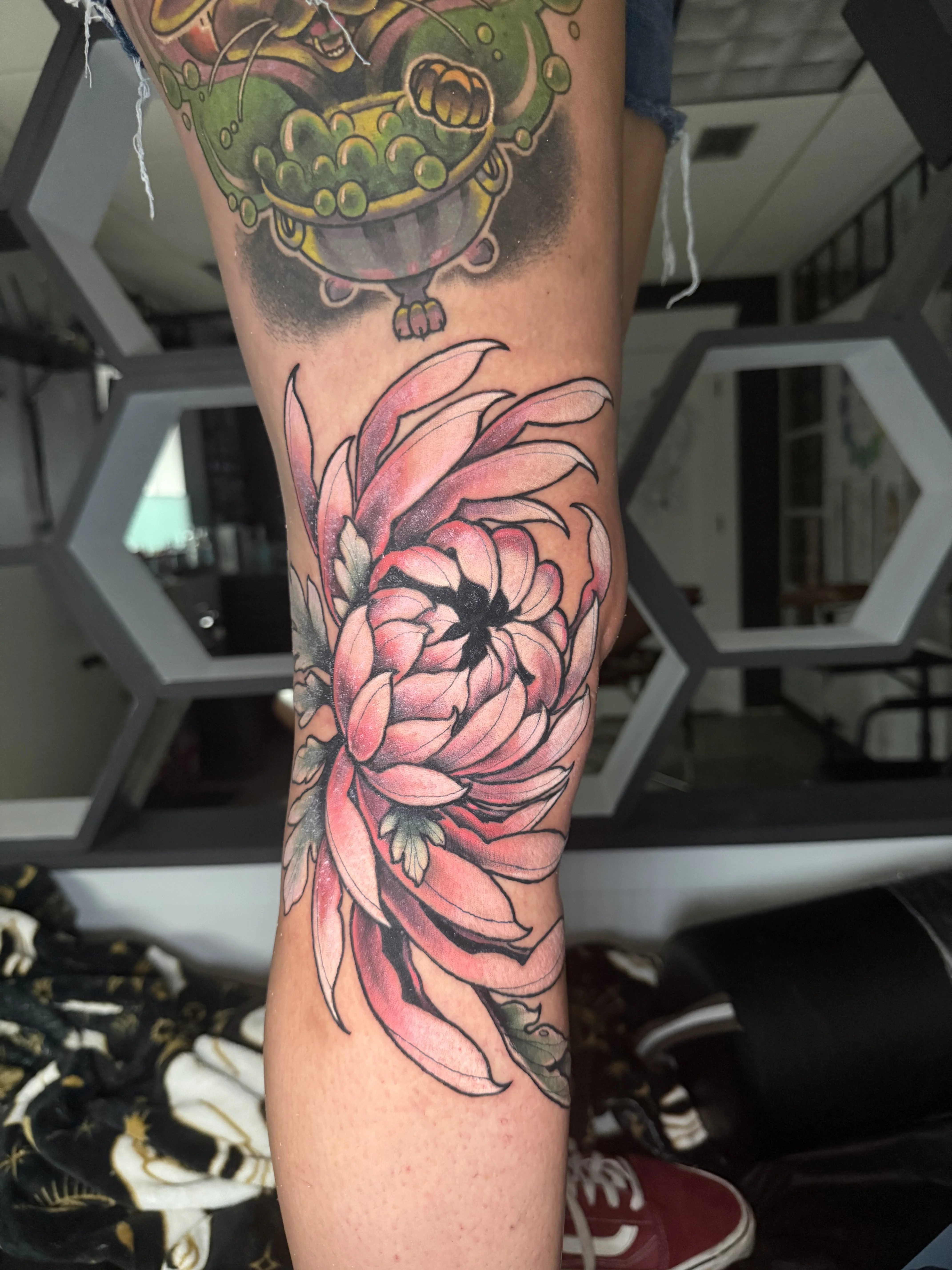
Browse the microrealism work below and save the pieces that feel closest to the direction you're picturing. Open the artist whose style fits, look closely at their healed work, and send a booking inquiry with your idea, preferred placement, and a few references. Your request goes straight to the artist, and they take it from there.
Artists





The Work
Common Questions
What is a microrealism tattoo?
A microrealism tattoo is photoreal work done at a small size, like a miniature portrait or a tiny, detailed animal eye. It uses fine needles and soft shading instead of bold outlines so the image reads like a photograph.
Do microrealism tattoos last?
They can last well when they're sized appropriately, built with strong contrast, and placed on skin that doesn't rub or see much sun. Very small, faint details are the most likely to soften over time, and many artists recommend a touch-up a few years after healing.
What's the difference between microrealism and fine line tattoos?
Both are small and delicate, but fine line is built from thin linework and reads like a drawing, while microrealism uses rendered shading to look like a photograph.
How big should a microrealism tattoo be?
Big enough for its detail to stay readable as it ages. Your artist will usually suggest a minimum size based on the subject, and going a little larger than your first instinct often helps the piece hold up.
Where is the best placement for a microrealism tattoo?
Smooth, even areas like the forearm, upper arm, inner bicep, and calf work best. Fingers, hands, and feet are harder on fine detail because of friction and sun exposure.
How do I find a microrealism tattoo artist?
Browse the microrealism work on this page, open the artists whose style fits, and look at their healed pieces before you book. Send your idea and references through the booking inquiry and the artist takes it from there.