Watercolor Tattoos & Artists
Soft washes, bleeding color, and painterly splashes on skin. Browse real watercolor tattoos and the artists making them, then request to book the one whose work fits the direction you're picturing.
What is a watercolor tattoo?
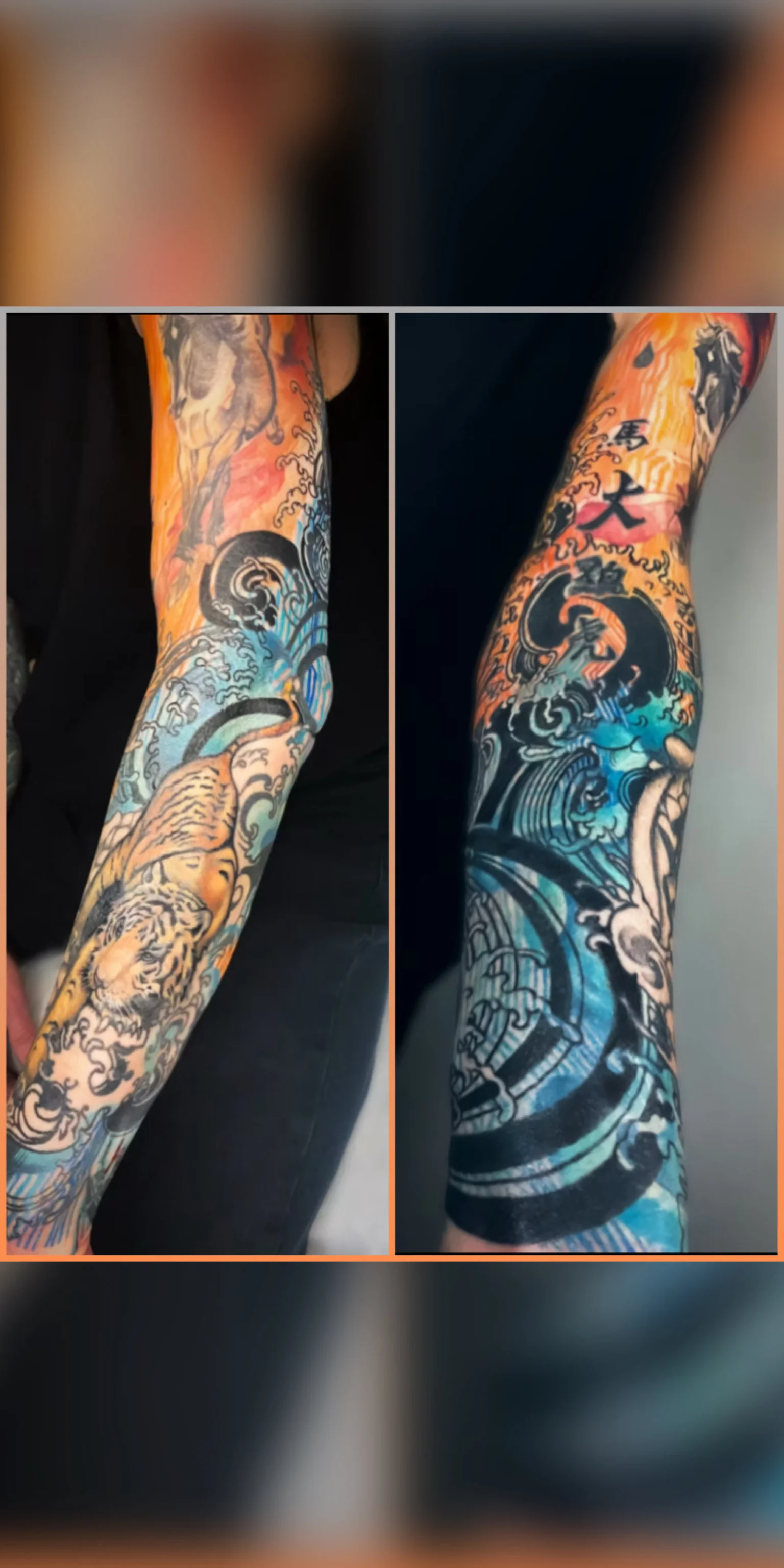
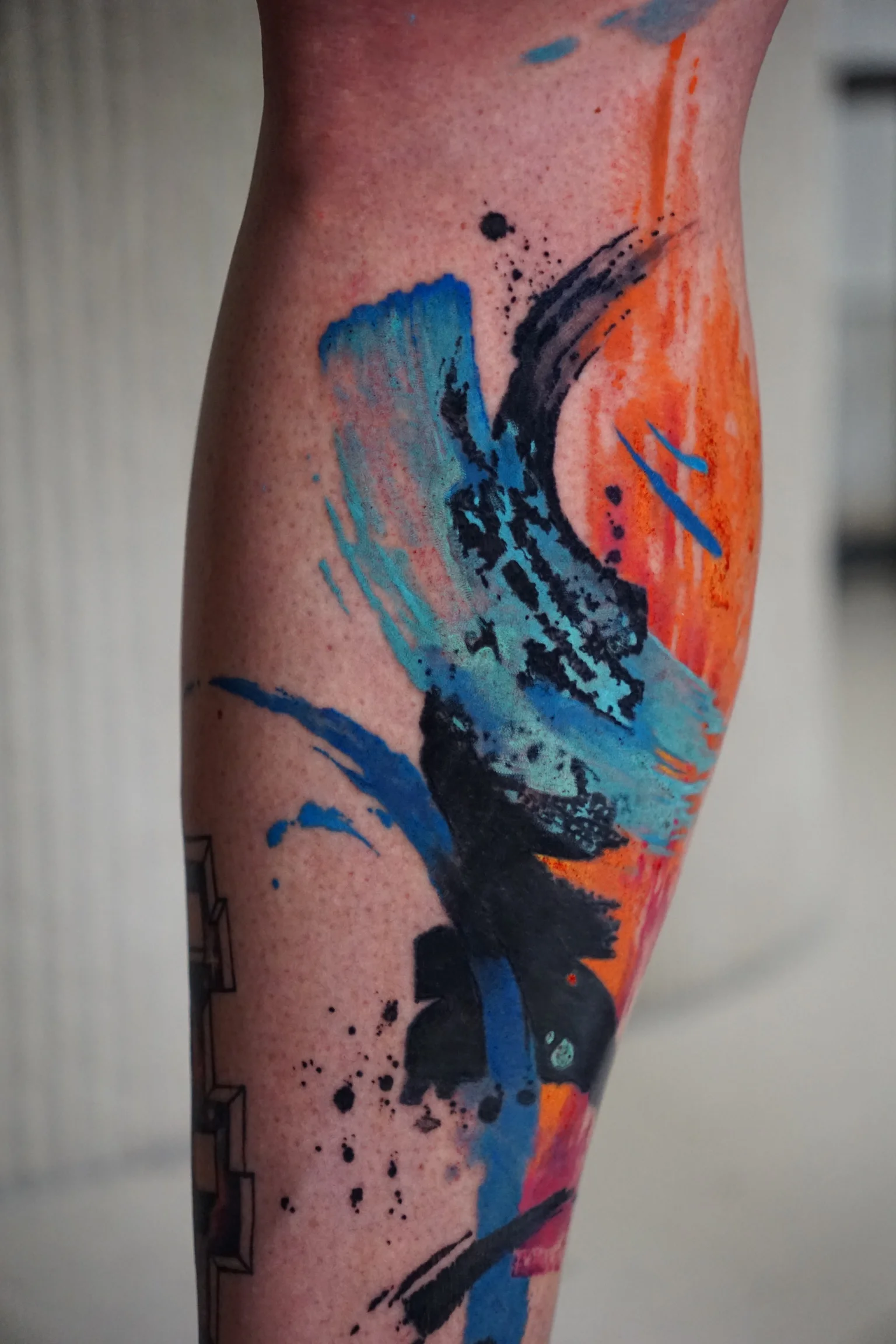
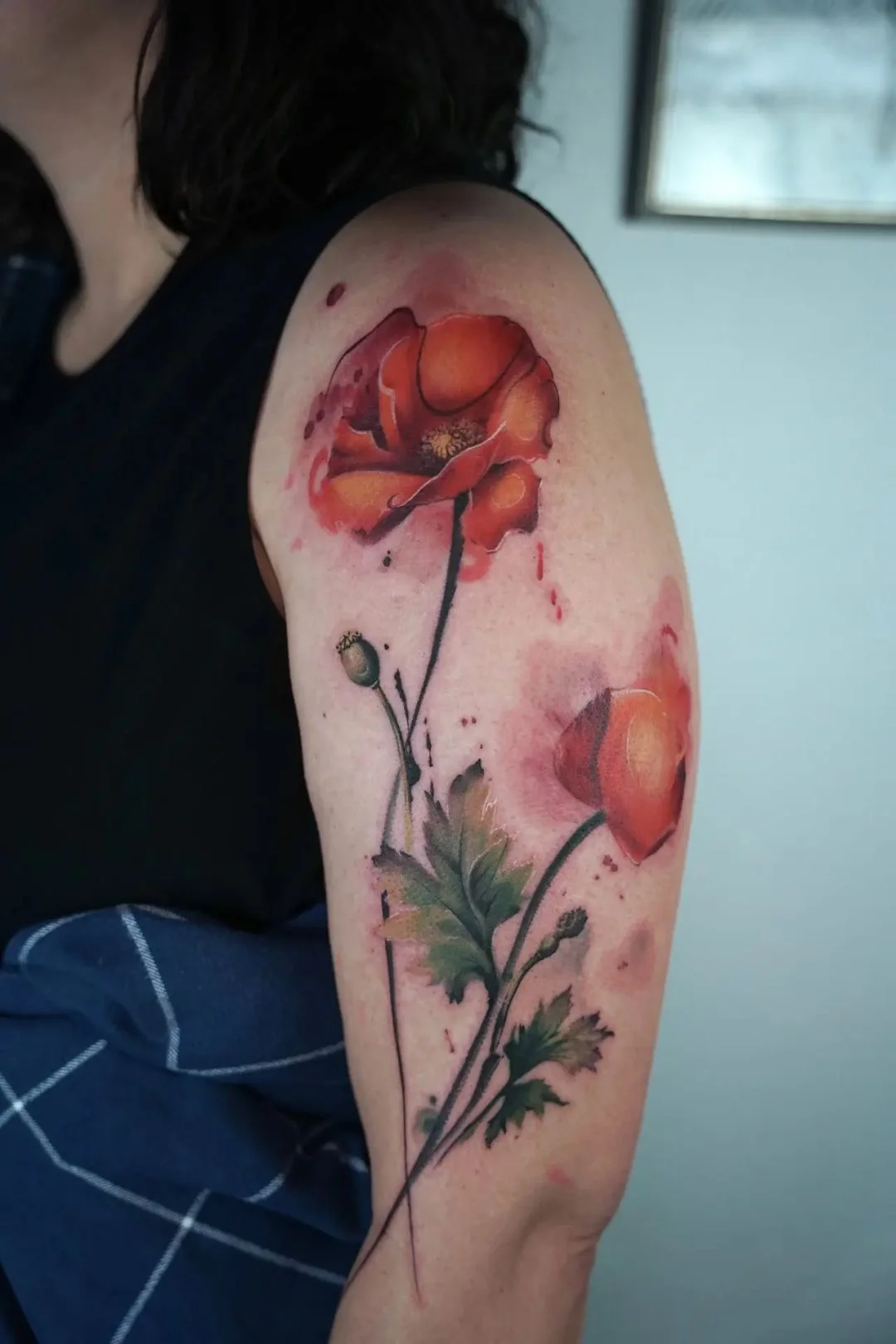
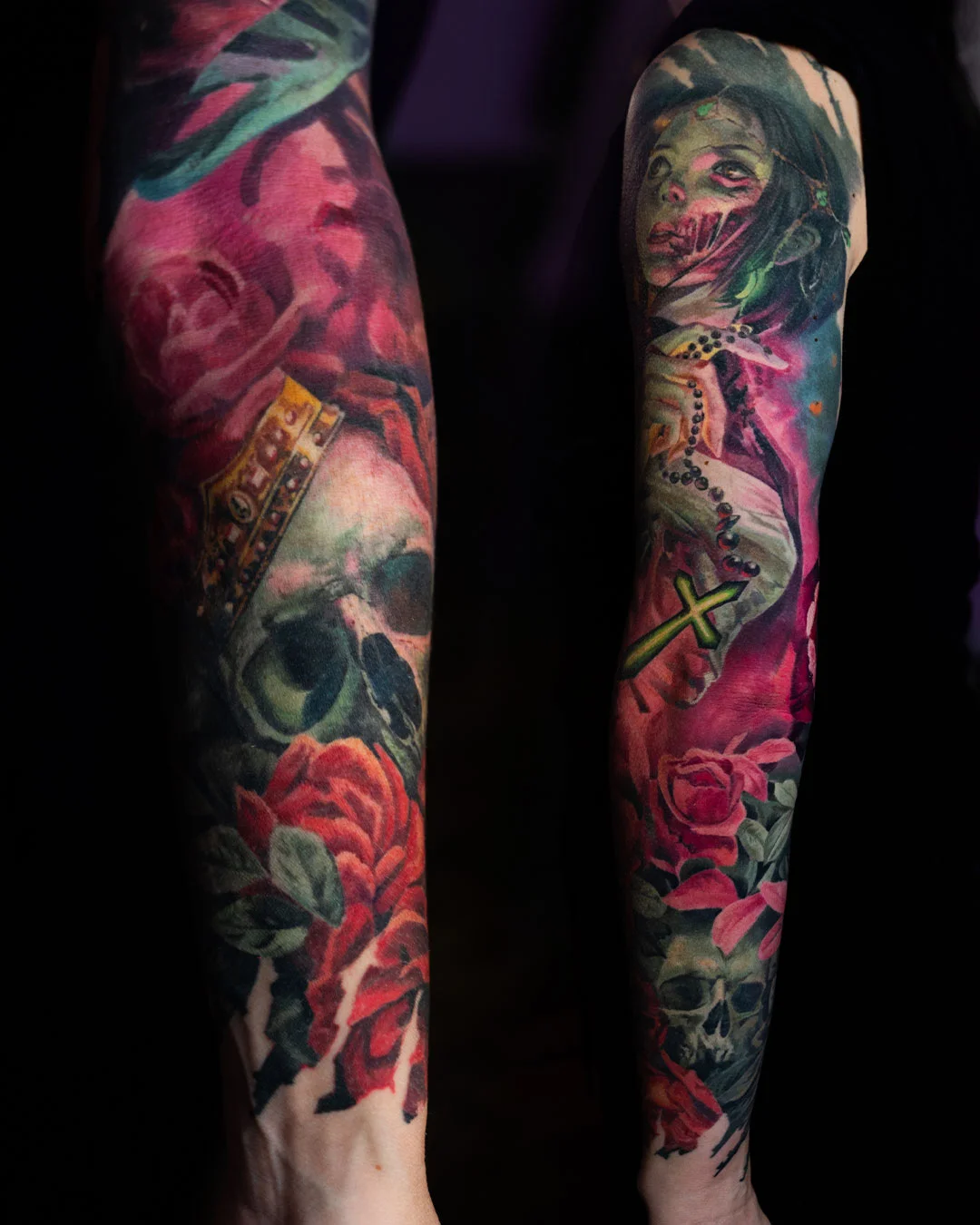
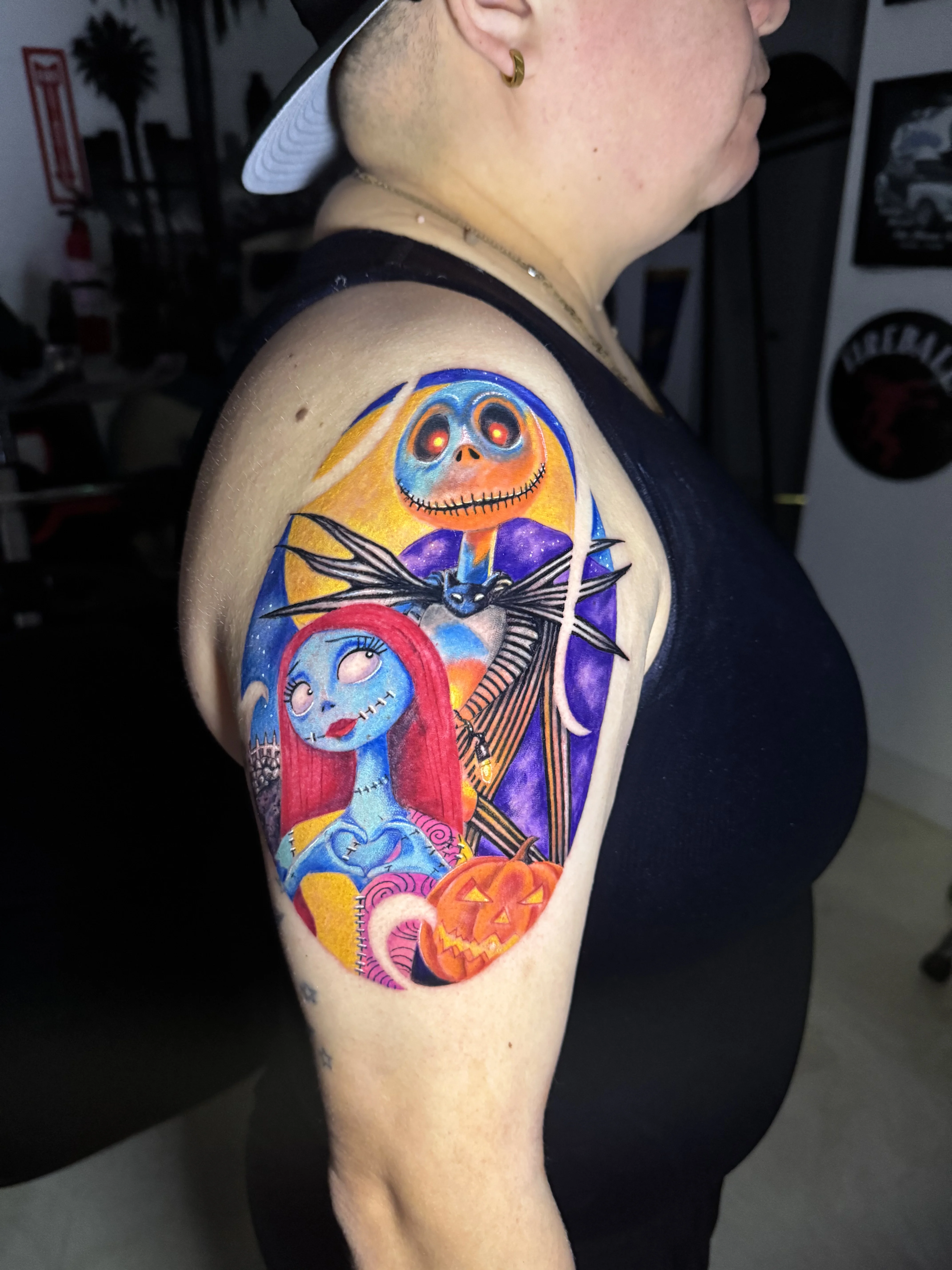
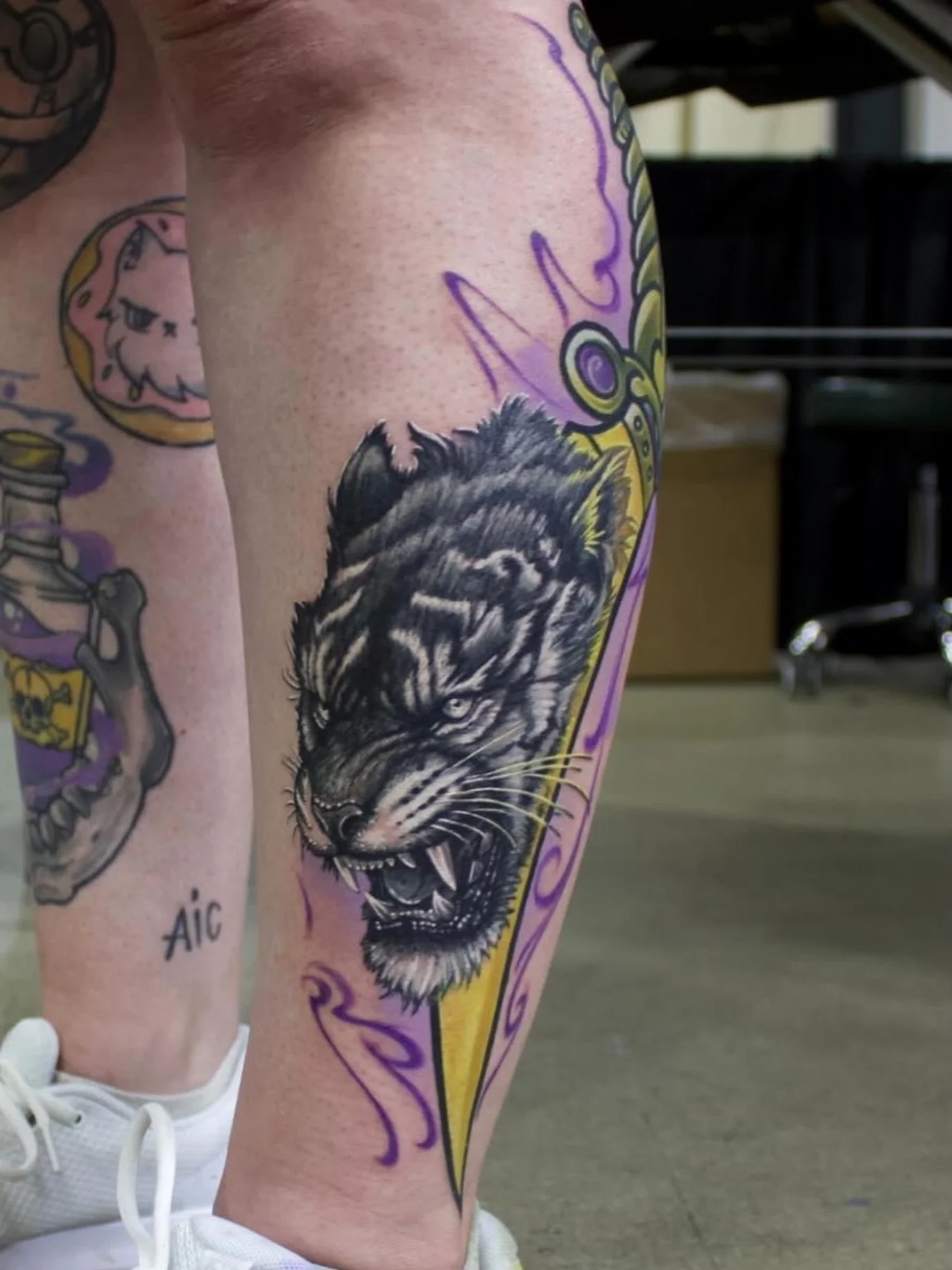
Watercolor tattooing tries to capture the look of an actual watercolor painting on skin. Color washes bleed into one another, edges stay soft, splashes and drips spill past the main image, and color fades into the skin instead of sitting inside hard outlines. It's one of the most visually distinctive styles in tattooing, and it appeals to people who want something expressive and painterly rather than the bold, defined look of traditional work.
It's also the style that calls for the most honest conversation about aging. The same soft edges that make watercolor beautiful are the parts most likely to change over time, so the artists who do it well build their pieces with longevity in mind from the start.
What makes the style recognizable
Watercolor pieces are built around color and movement. You'll usually see a central subject, like a flower, an animal, a bird, or an abstract shape, surrounded by washes of color that look brushed on, with splatters, drips, and gradients that blend from one hue into the next. Some artists add a light layer of black linework or a few sketchy outlines to give the image structure, while others go almost entirely without lines.
Common subjects on Freshly Inked's watercolor work include nature, abstract shapes, and vibrant color in blues, purples, and oranges, often with a delicate, artistic feel that reads more like a painting than a drawing.
How to spot a strong watercolor tattoo artist
The most important thing to look for is healed work. Watercolor is the style where the gap between how a tattoo looks the day it's done and how it looks a few years later is widest, so ask to see pieces that are at least two or three years healed. Fresh photos alone don't tell you much.
Next, look at how the artist anchors their washes. Many experienced watercolor artists use hidden linework, carefully chosen darker tones, or areas of stronger saturation underneath the soft color so the composition still reads as it settles. Smooth blends without patchiness, color choices that work well together, and splashes that feel deliberate rather than random are signs of an artist who understands the style instead of just imitating it.
Best placements for a watercolor tattoo
Placement matters more with watercolor than with bolder styles. Areas with even skin tone, less sun exposure, and less friction tend to hold watercolor work cleaner. The inner arm, upper arm, calf, ribs, shoulder blade, and back all work well and give the color washes room to spread out. Hands, feet, fingers, and spots that rub against clothing all day are tough on soft color and usually aren't a good match for this style. If you're set on a high-wear spot, ask your artist about adding more structure to the design.
It also helps to think about how a watercolor piece fits with tattoos you already have or might want later. Soft washes can be hard to connect to bold, heavily outlined work, so a good artist will often suggest a color palette and edge treatment that leaves room for what comes next. Sharing a few references for the mood and palette you love, instead of a single finished design, gives the artist space to create something original for your placement.
How watercolor tattoos age
Watercolor work as a genre has aged less predictably than most styles. Without bold outlines holding everything in place, soft washes can lighten, blur, or shift over the years, especially in areas that see a lot of sun. That doesn't mean a watercolor tattoo can't last, but it does mean the design choices matter. Pieces with some underlying structure, stronger saturation in key areas, and enough size tend to hold up best.
Sunscreen is especially important for healed watercolor work, since bright pigments are some of the first to fade in the sun. Many people plan for a touch-up down the road to refresh the color.
What affects the price and time
Watercolor tattoos are usually custom pieces, so the price comes mostly from design time and session time. Size, the number of colors, how much blending the piece needs, and the artist's experience all move the cost. Soft color layering can take longer than people expect because the artist builds up washes gradually. Most artists quote after a consultation, and many ask for a deposit to hold your spot.
Watercolor vs. similar styles
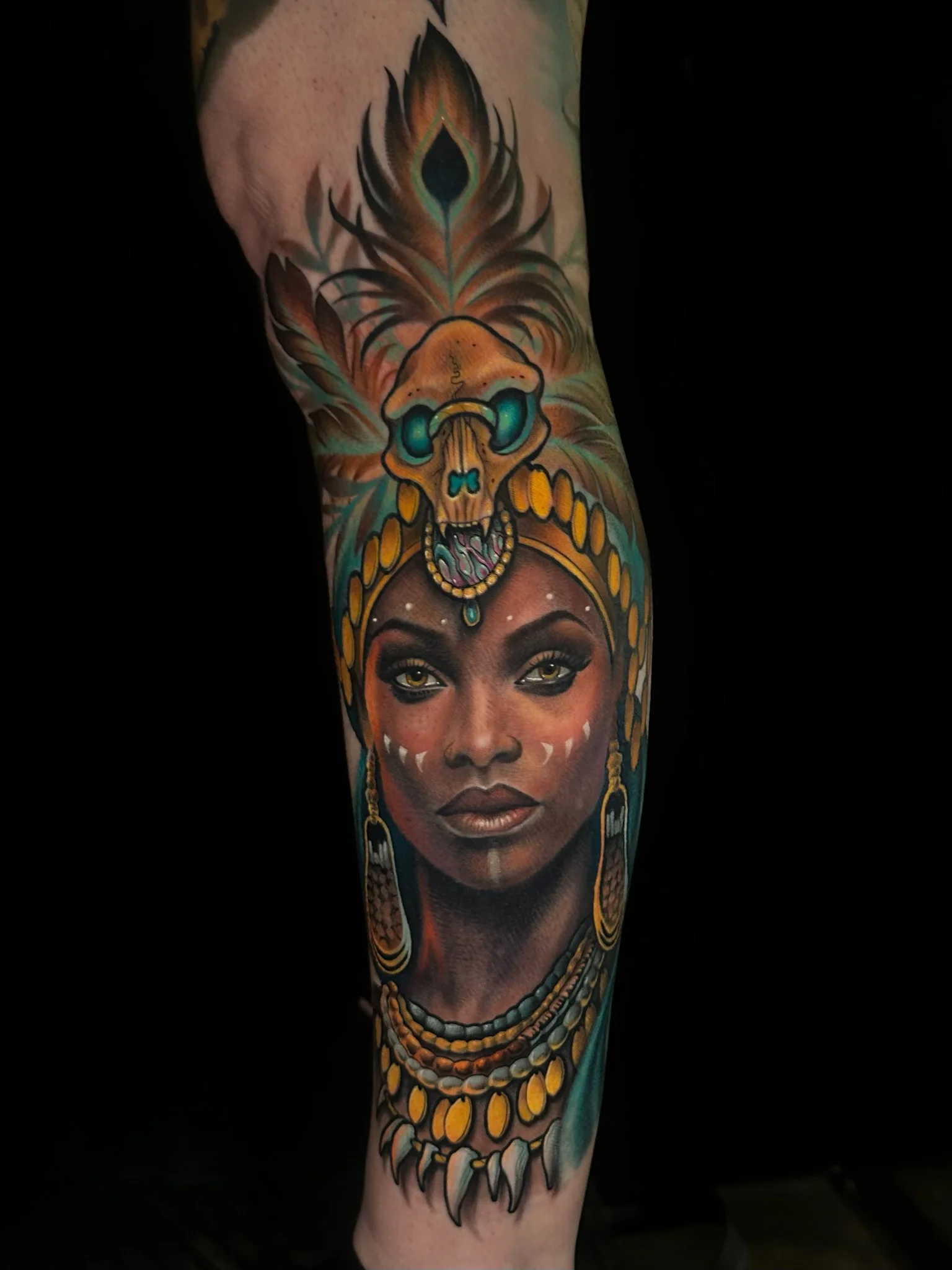
Illustrative tattoos can share watercolor's artistic, painterly feel but rely more on linework to hold the image together, which usually ages more predictably. Color realism uses full color too, but aims for a photographic look rather than loose brushwork. Neo-traditional work combines rich color with bold outlines, which is a good middle ground if you love color but want more structure.
How to find and book a watercolor tattoo artist
Browse the watercolor work below and save the pieces that feel closest to the direction you're picturing. Open the artist whose style fits, ask to see healed pieces, and send a booking inquiry with your idea, placement, and a few references. Your request goes straight to the artist, and they take it from there.
Artists
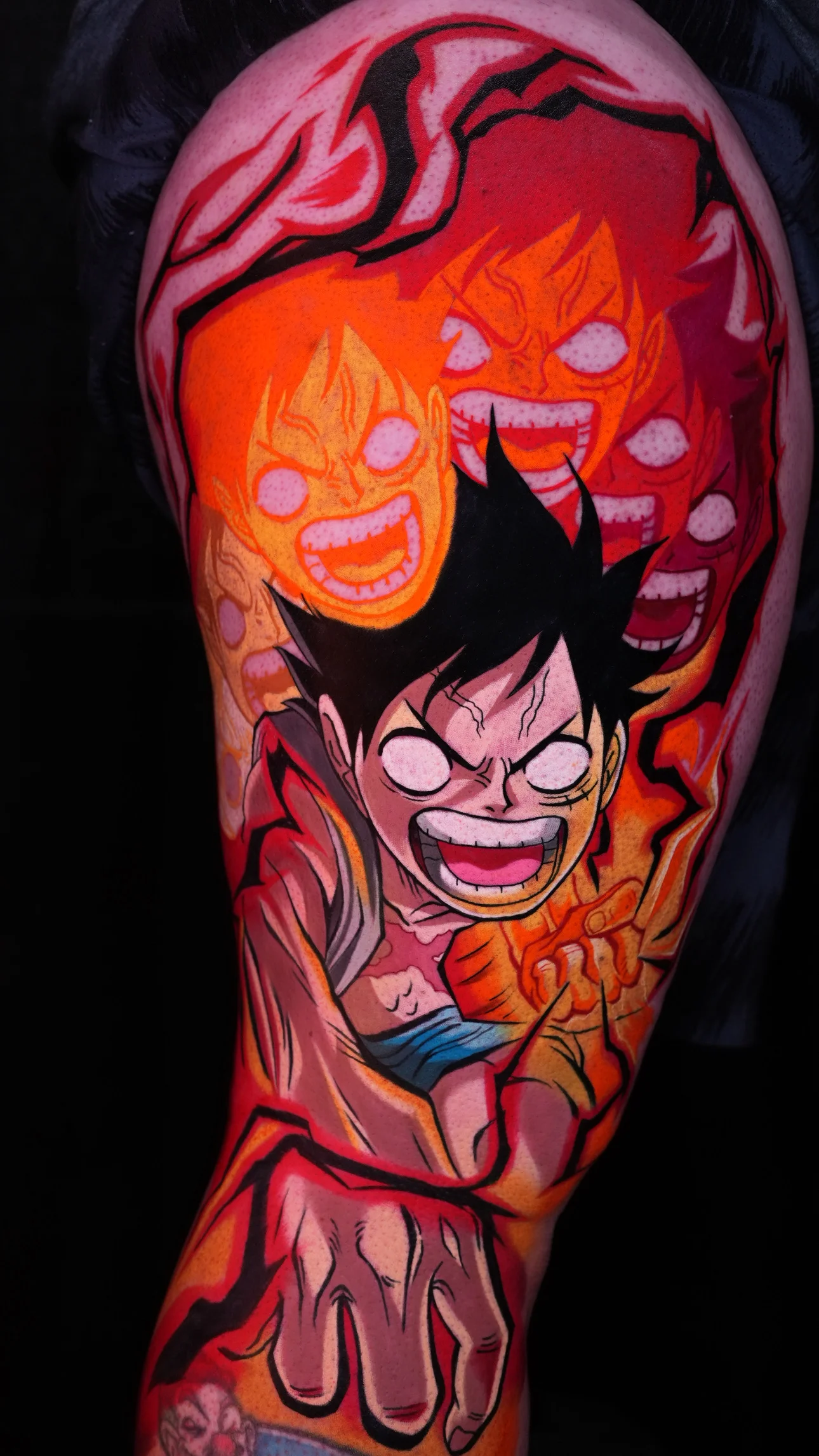
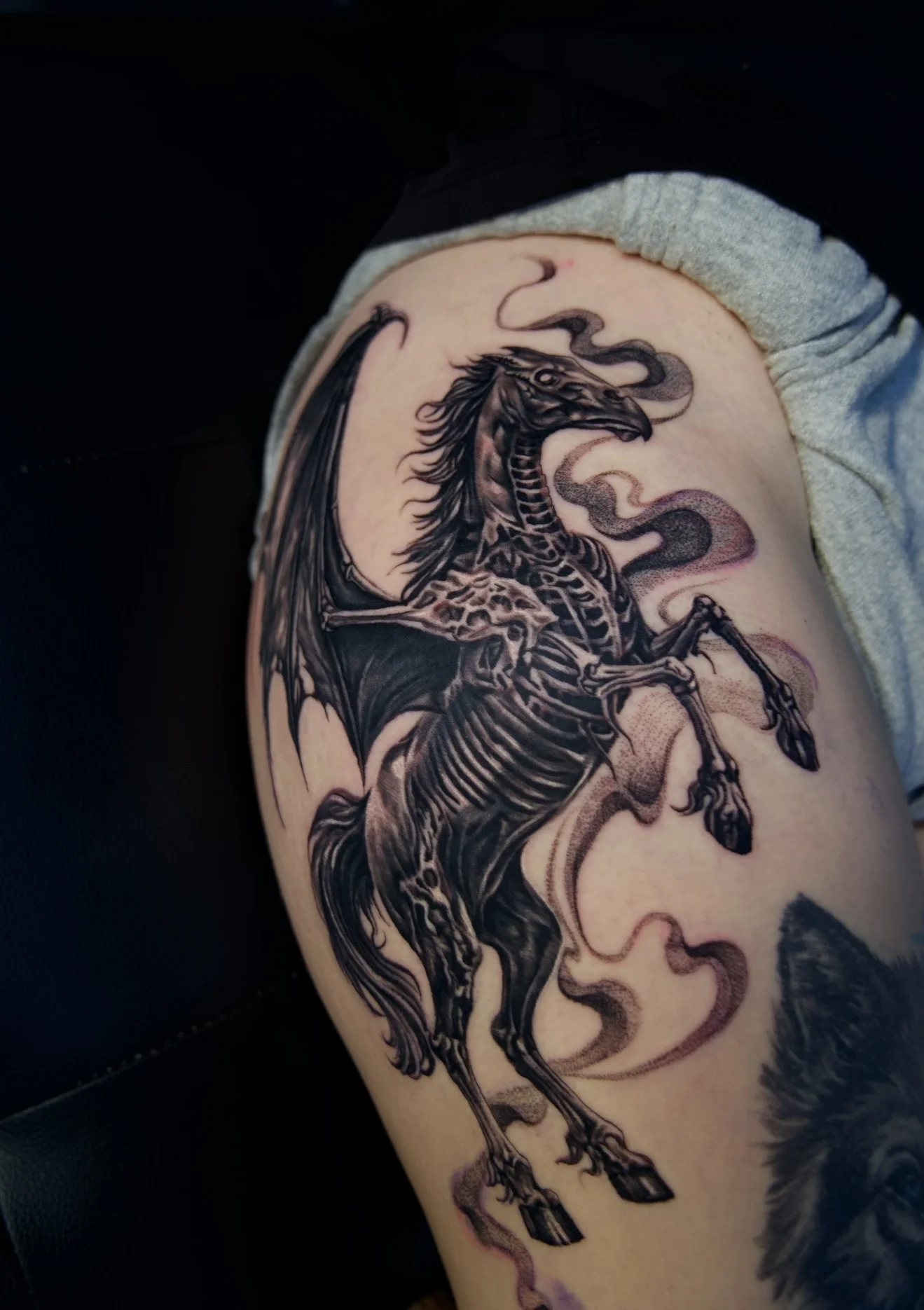
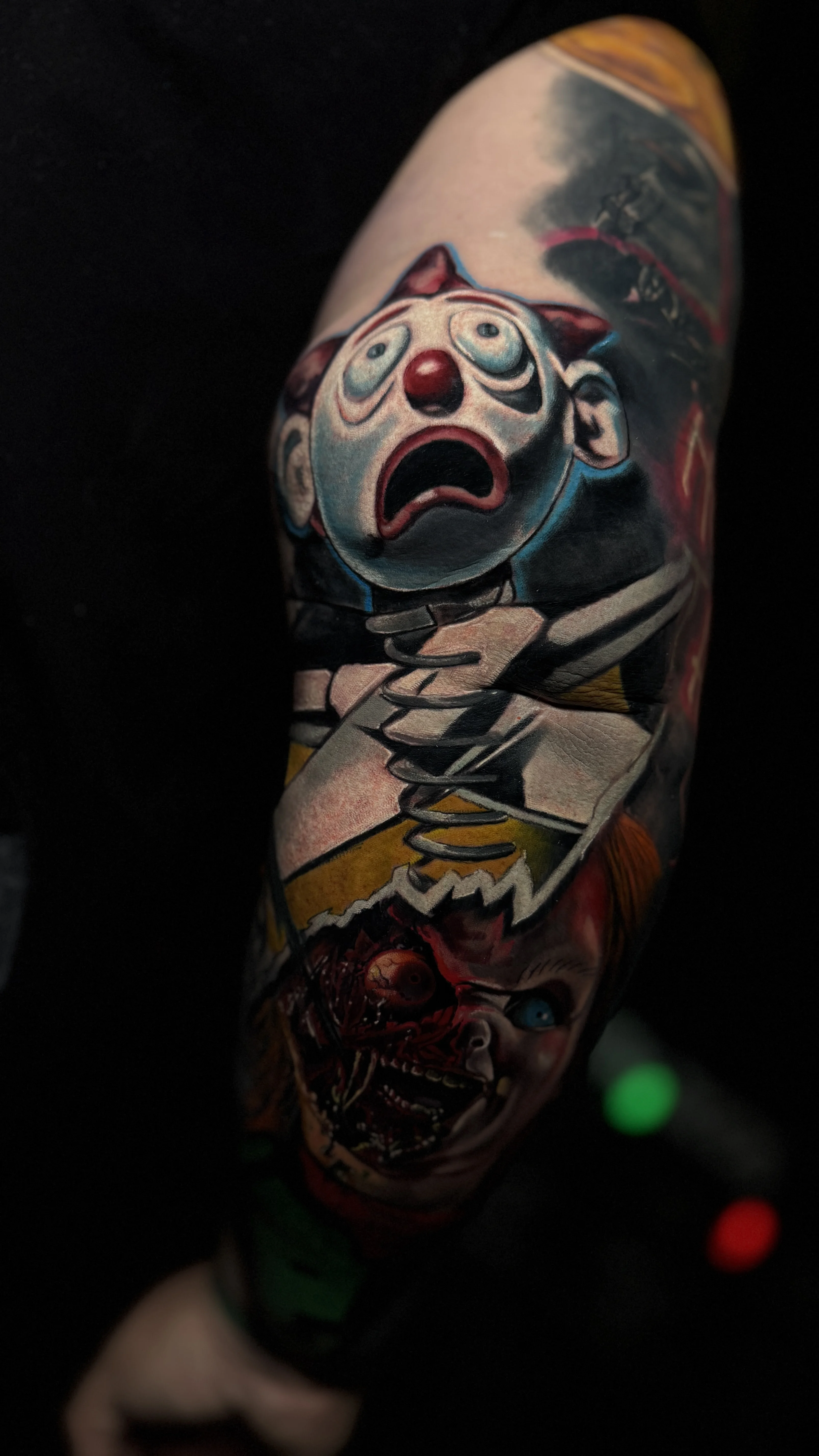
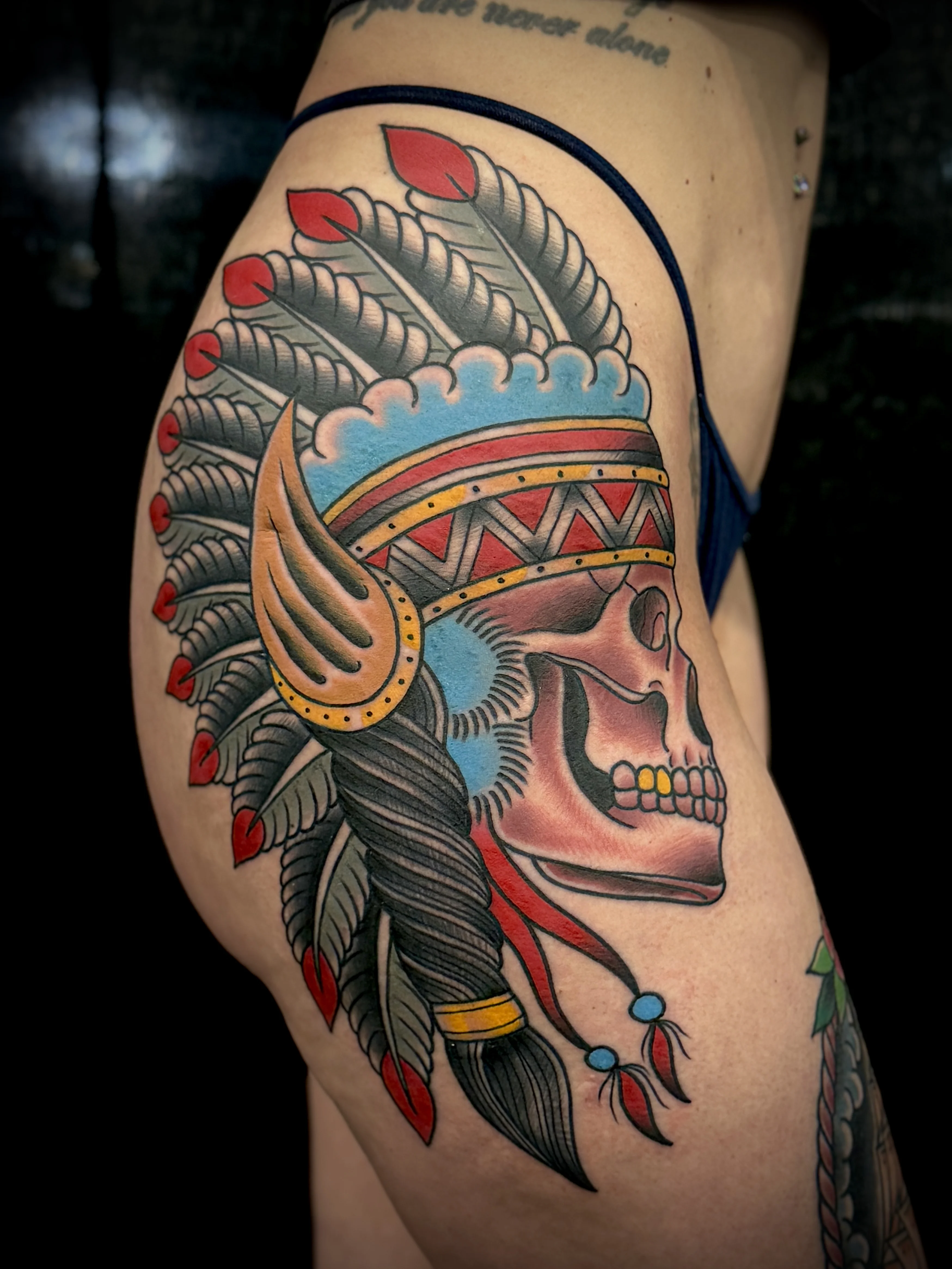
The Work
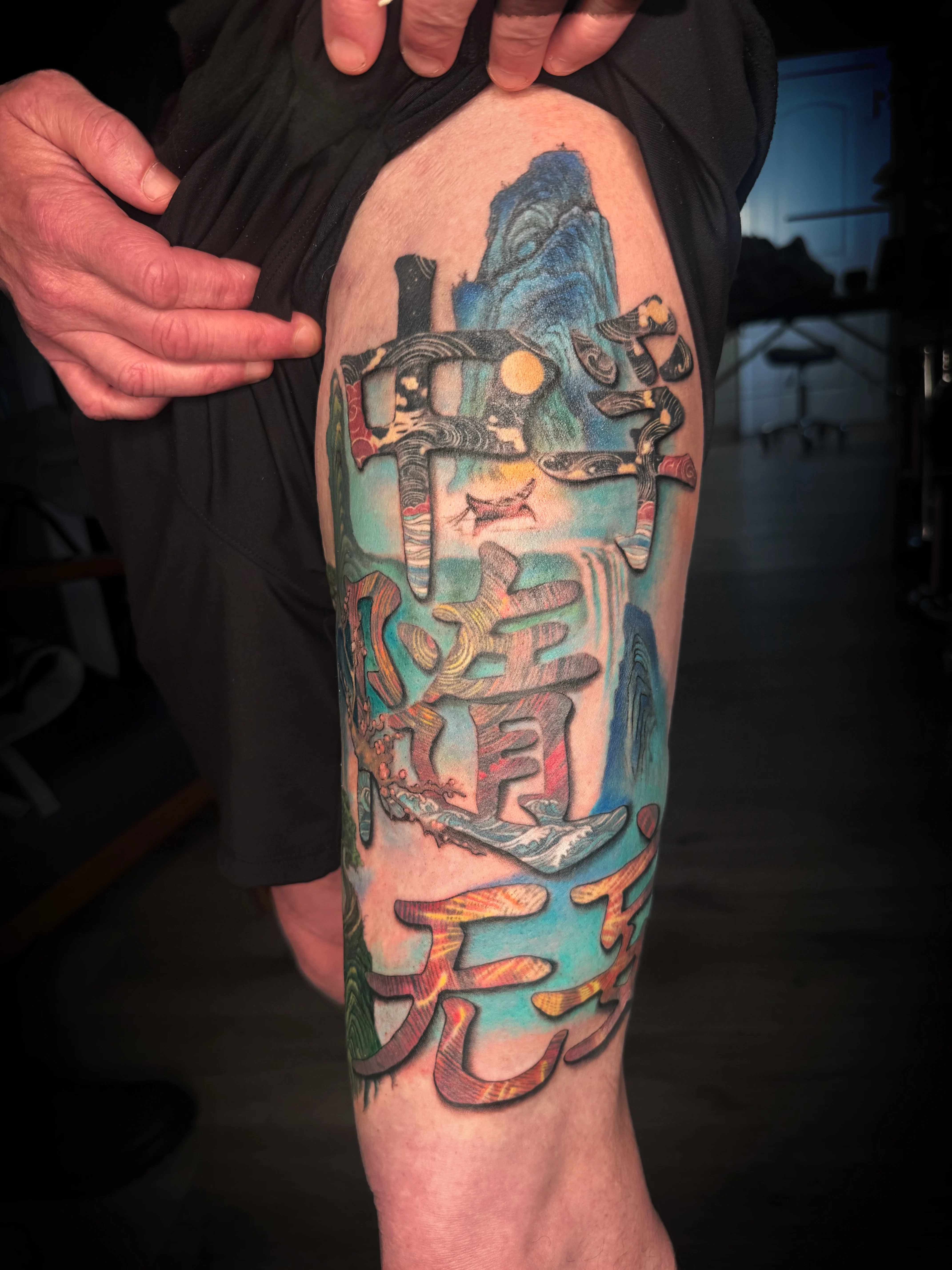 Nicole Petrou
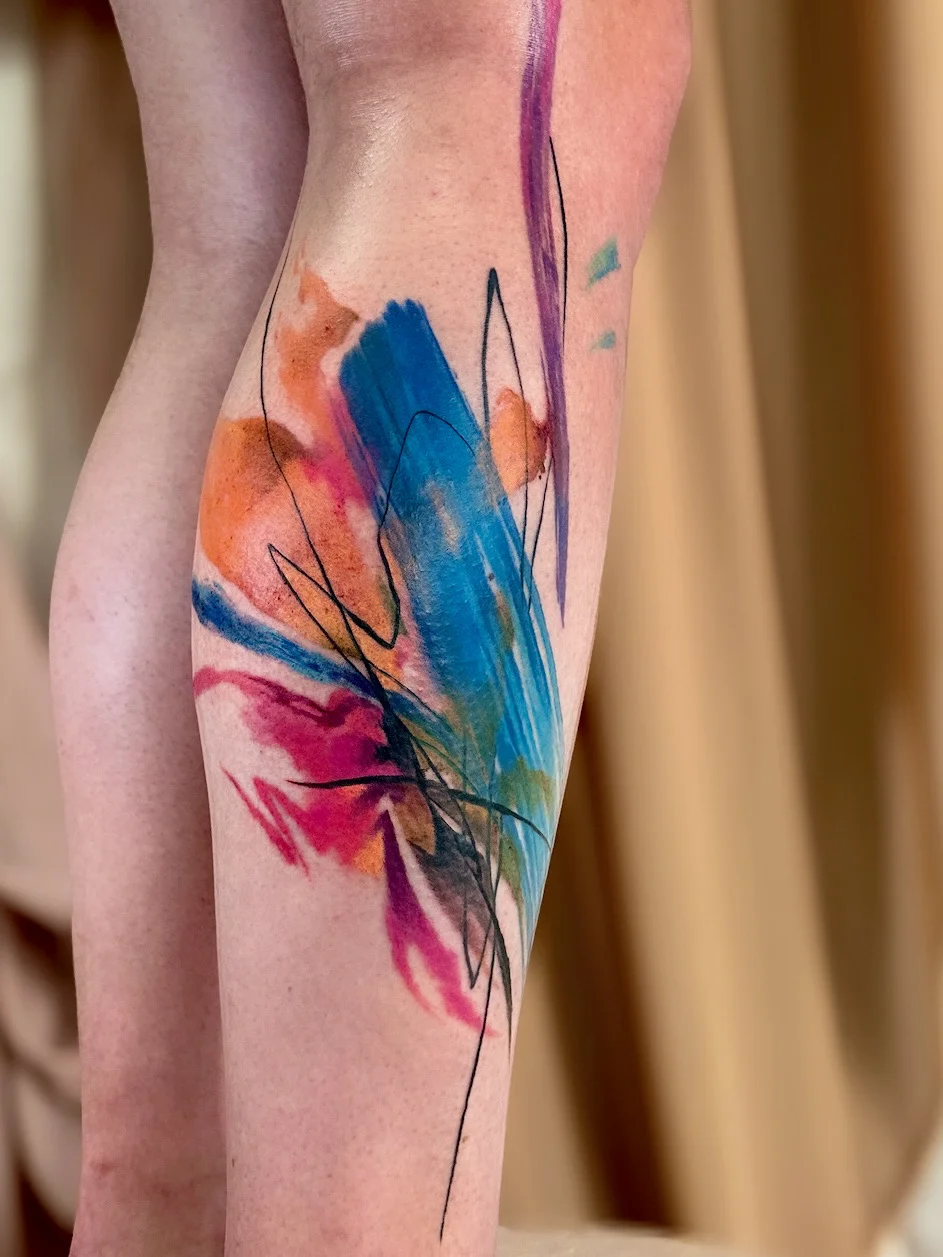 Aleksandra Stojanoska
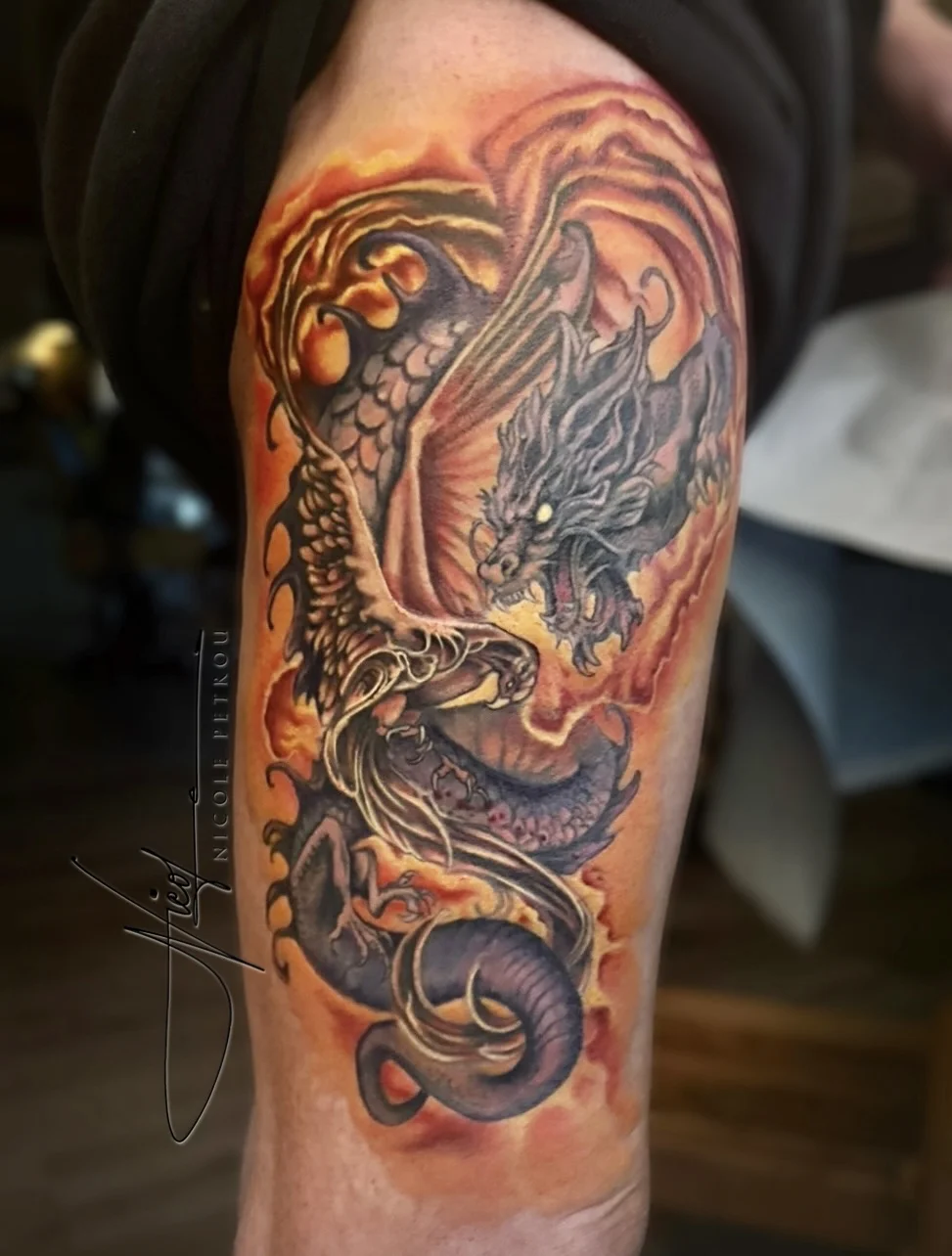 Nicole Petrou
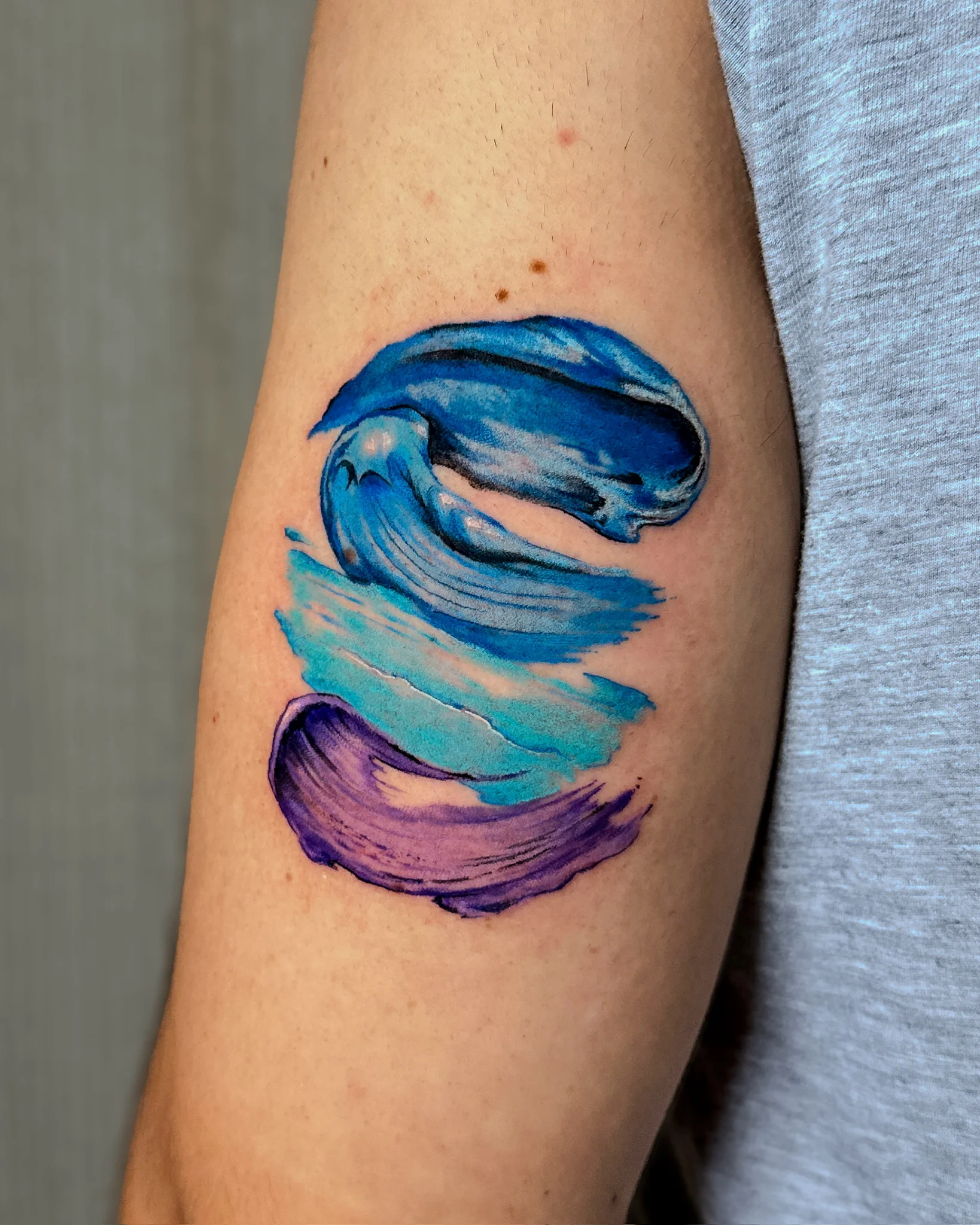 Aleksandra Stojanoska
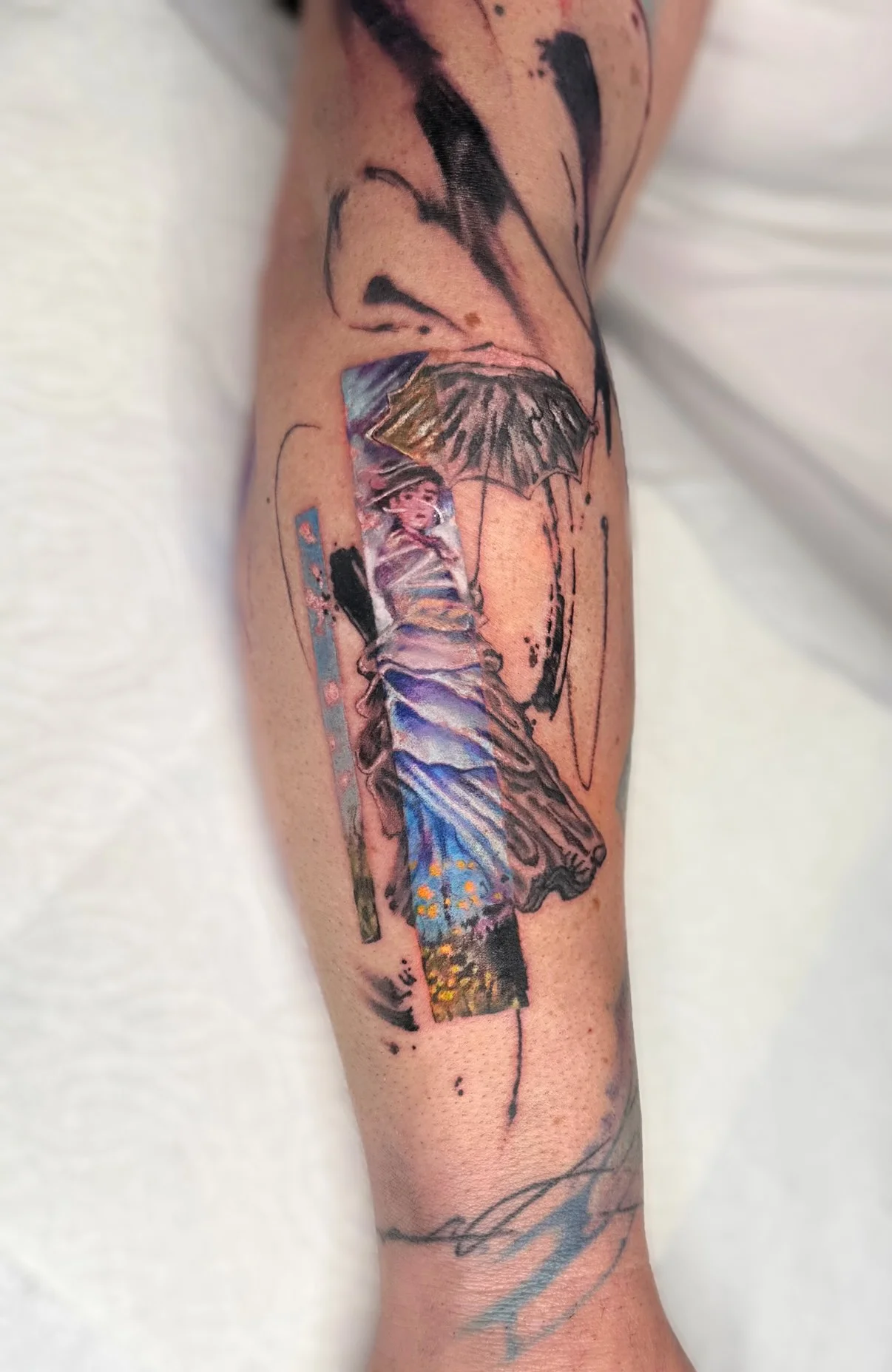 Nicole Petrou
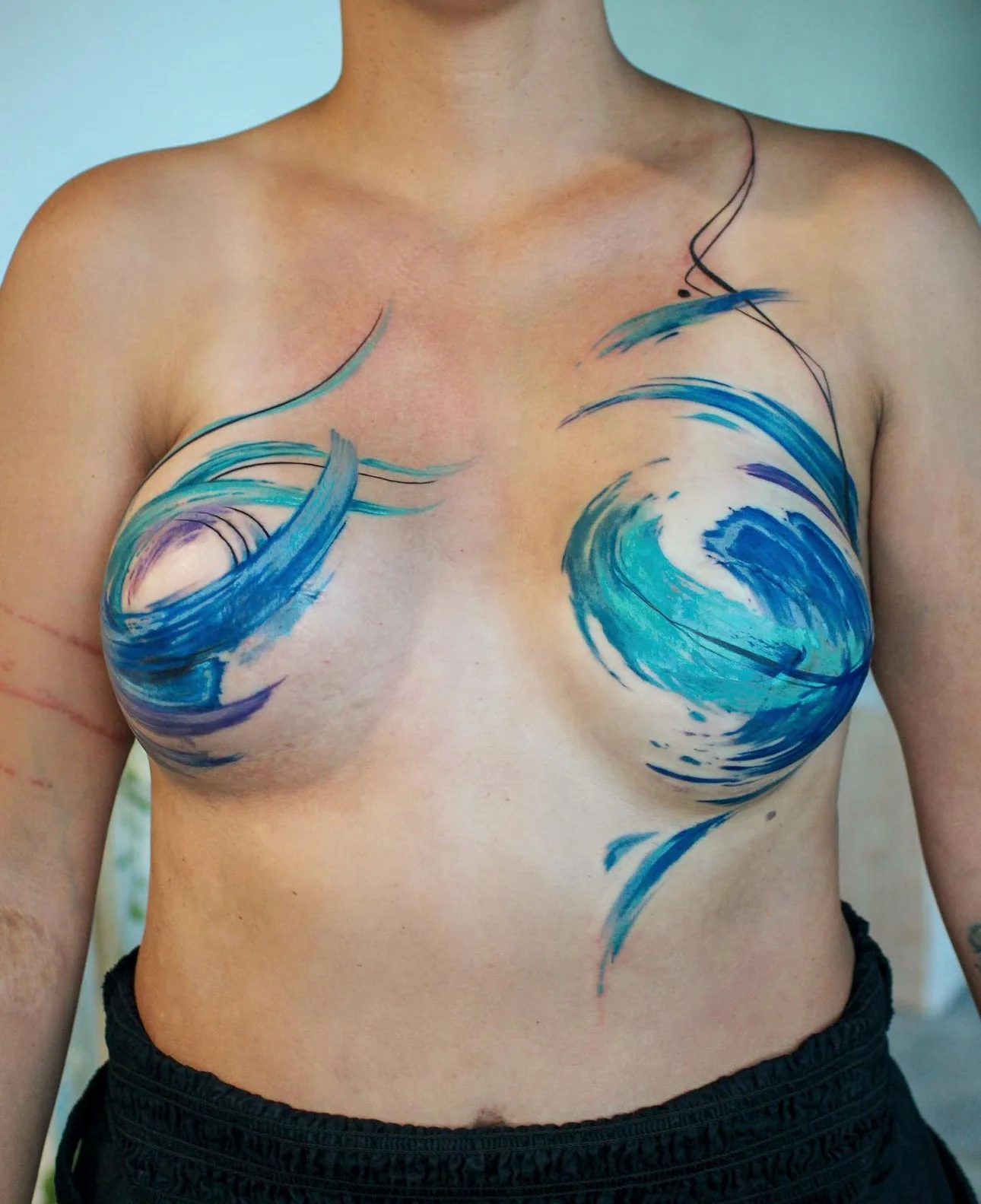 Aleksandra Stojanoska
Nicole Petrou
Aleksandra Stojanoska
Jerrra Blues
Aleksandra Stojanoska
Nicole Petrou
Aleksandra Stojanoska
Jerrra Blues
Common Questions
What is a watercolor tattoo?
A watercolor tattoo imitates the look of a watercolor painting, with soft color washes, blended edges, and splashes or drips, often without heavy outlines.
Do watercolor tattoos fade faster?
Watercolor tattoos can soften or fade more than bolder styles because they don't have strong outlines holding the color in place. Good placement, some underlying structure, and sunscreen all help them last longer.
What should I look for in a watercolor tattoo artist?
Ask to see healed work that's at least two or three years old, and look for smooth blends, deliberate splashes, and some kind of structure under the soft washes.
Where is the best placement for a watercolor tattoo?
Areas with even skin and less sun and friction, like the inner arm, upper arm, calf, ribs, and back, tend to hold watercolor work best. Hands, feet, and fingers are tough on soft color.
What's the difference between watercolor and illustrative tattoos?
Both can look artistic and painterly, but illustrative tattoos rely more on linework, while watercolor tattoos rely on soft washes of color with little or no outlining.
How do I find a watercolor tattoo artist?
Browse the watercolor work on this page, open the artists whose style fits, and look at their healed pieces. Send your idea and references through the booking inquiry and the artist takes it from there.