Color Realism Tattoos & Artists
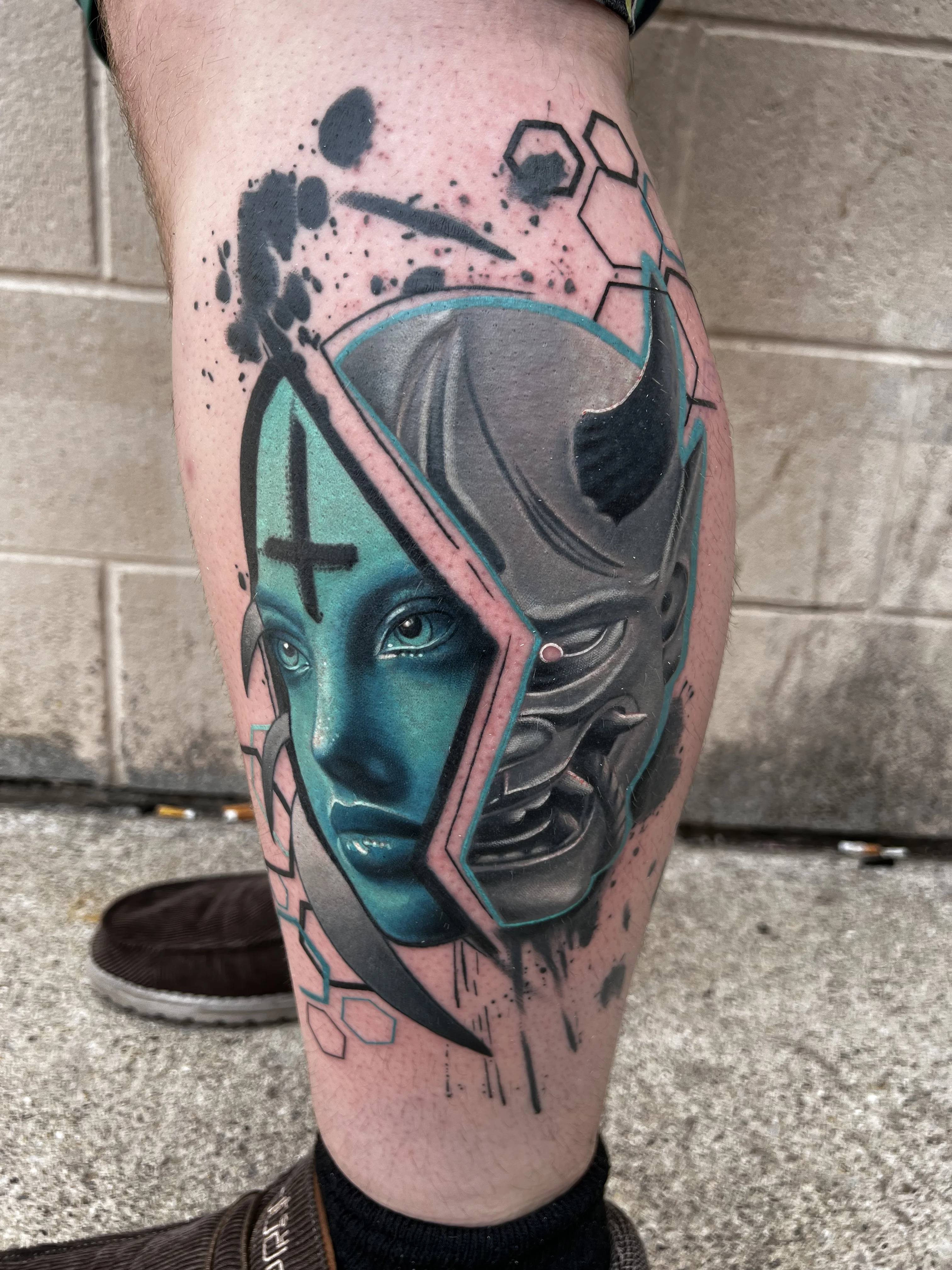
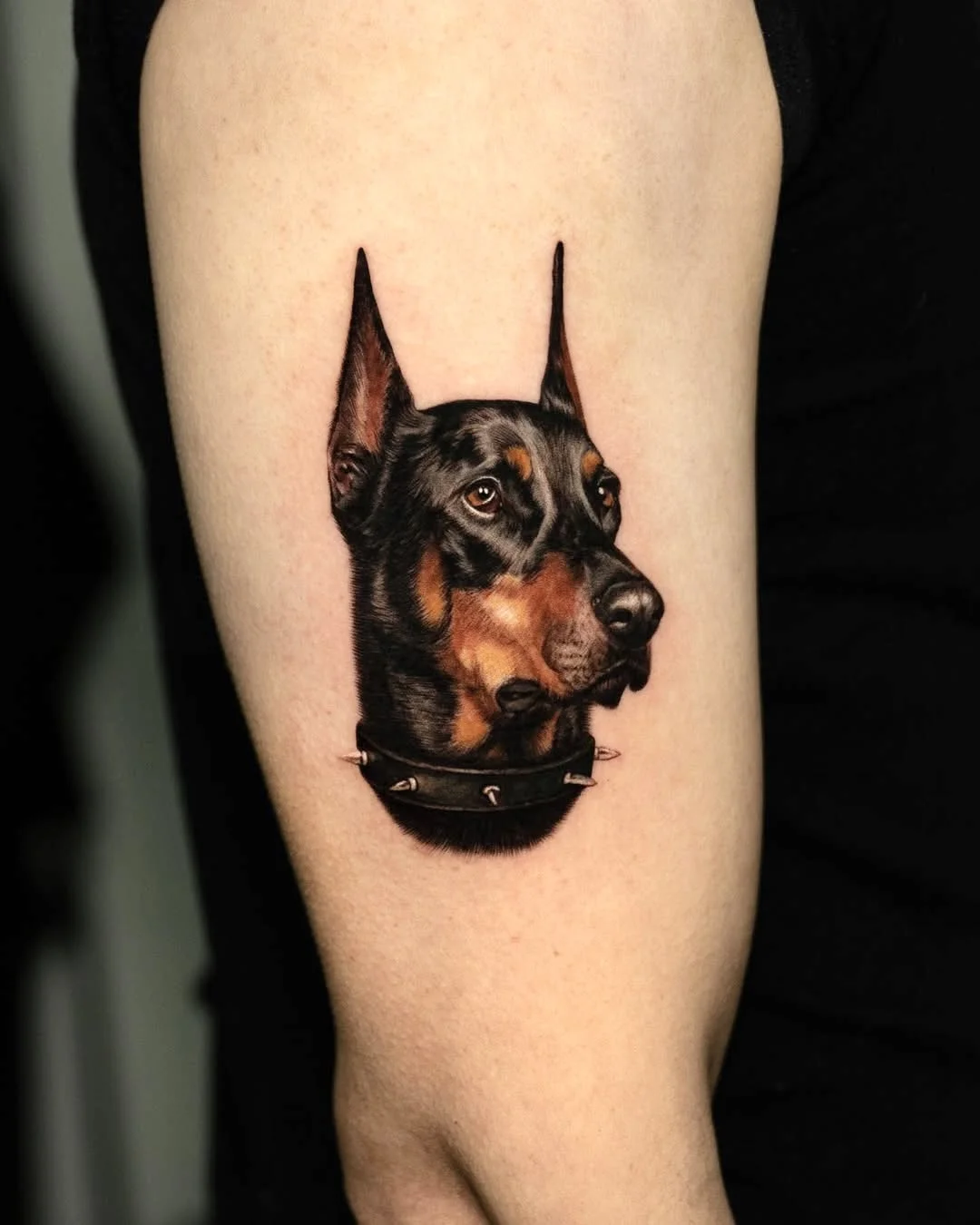
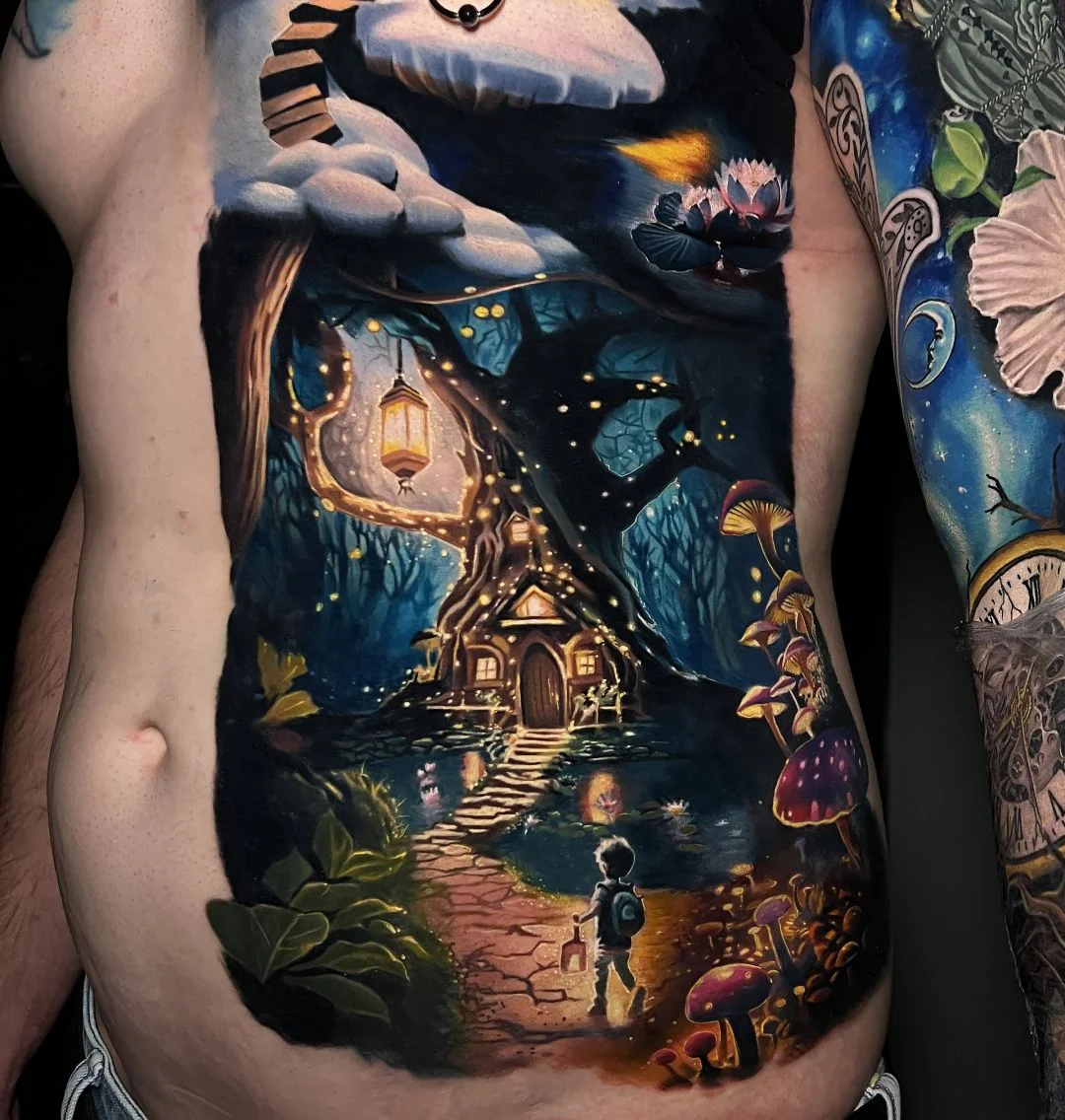
Photoreal tattoos in full color, where skin tones, fur, light, and sky carry the image. Browse real color realism tattoos and the artists making them, then request to book the one whose work fits the direction you're picturing.
What is a color realism tattoo?
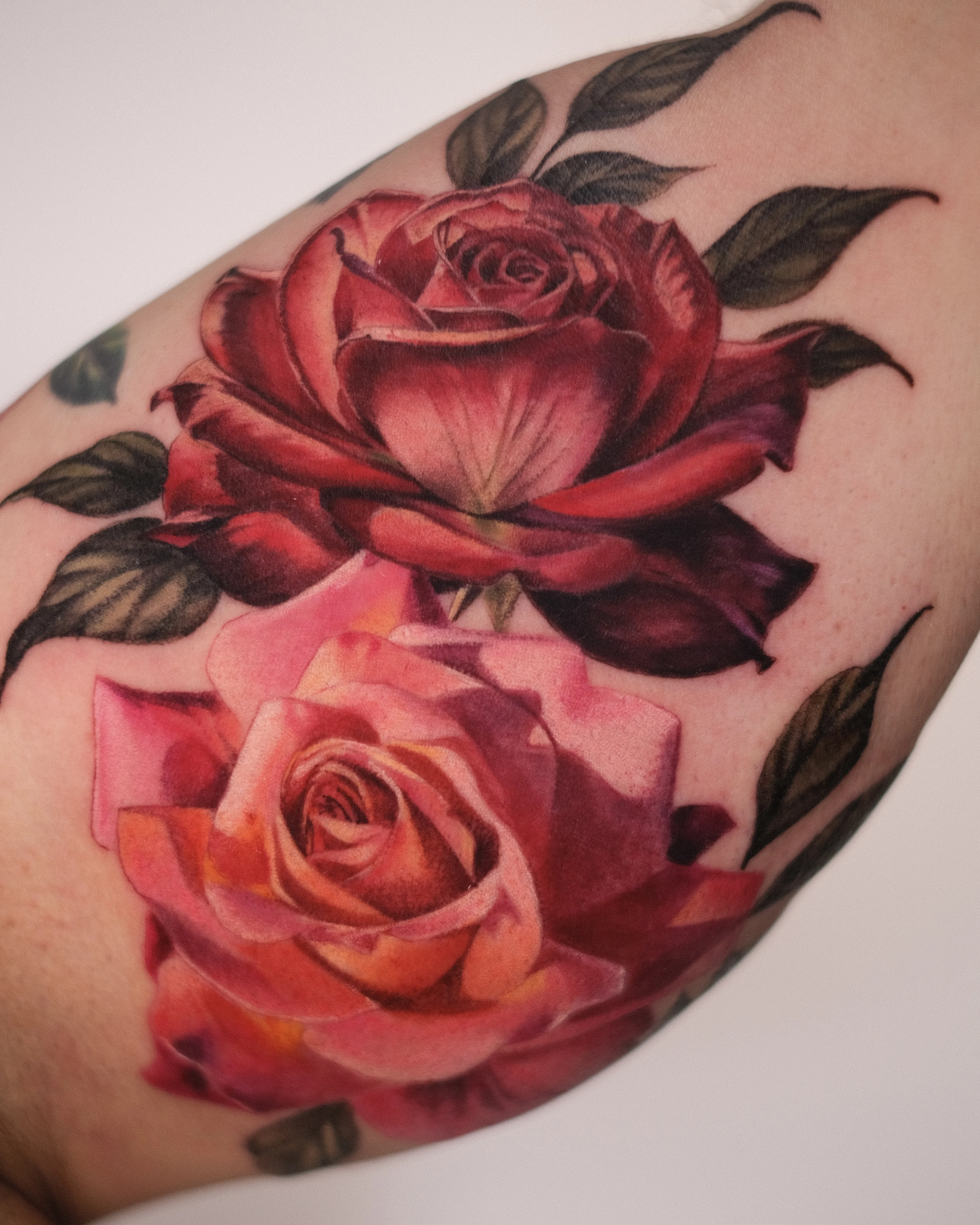
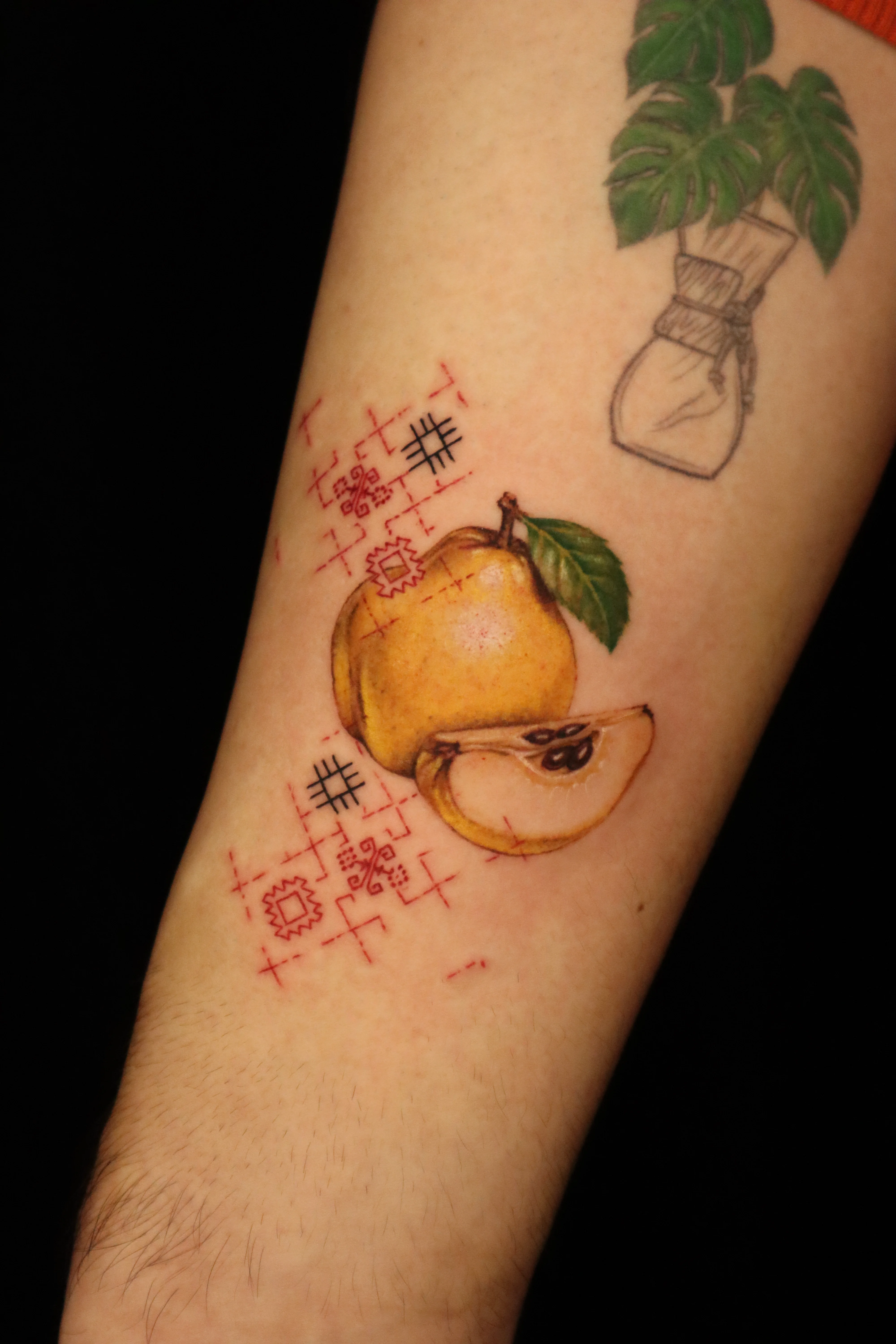
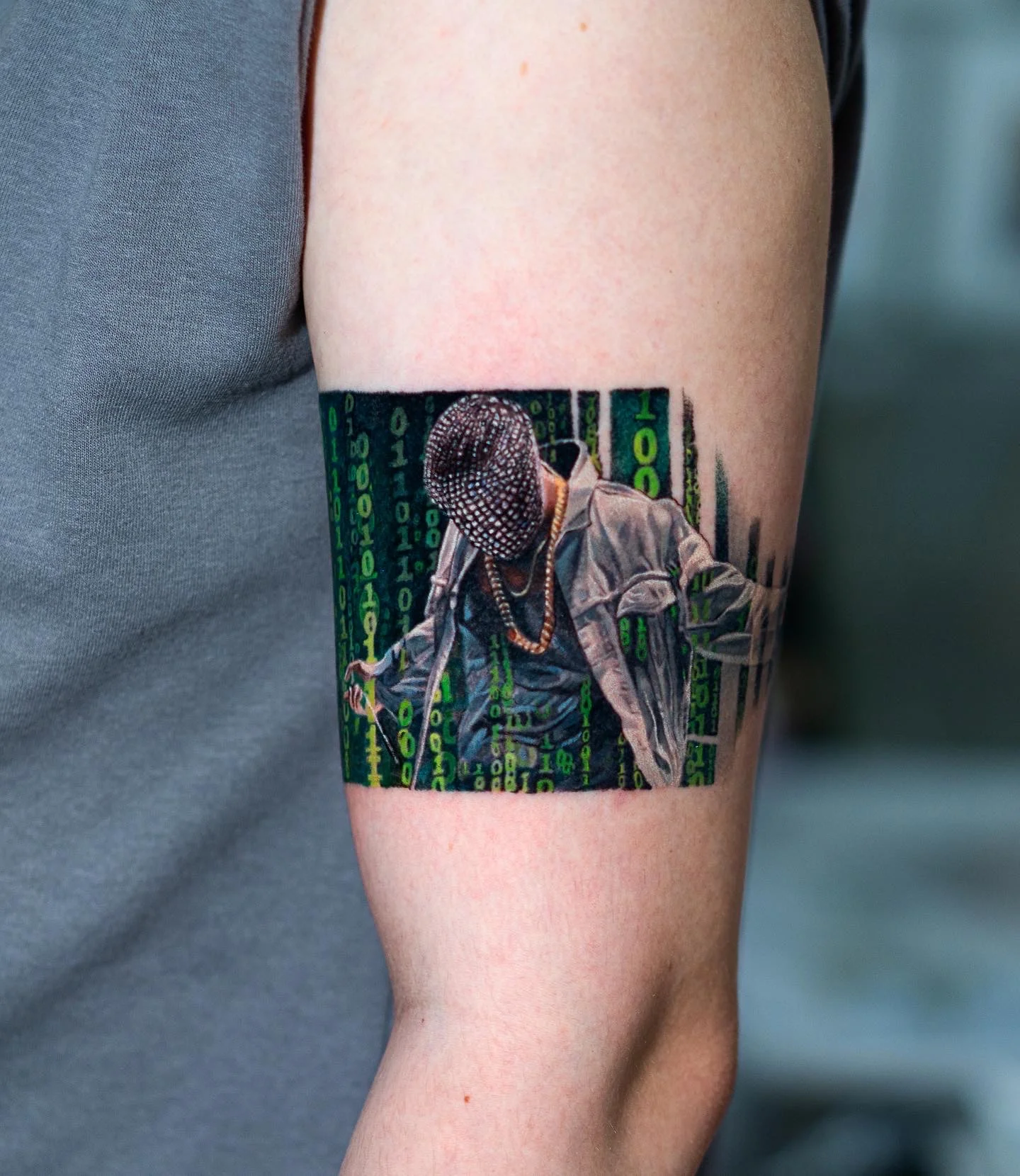
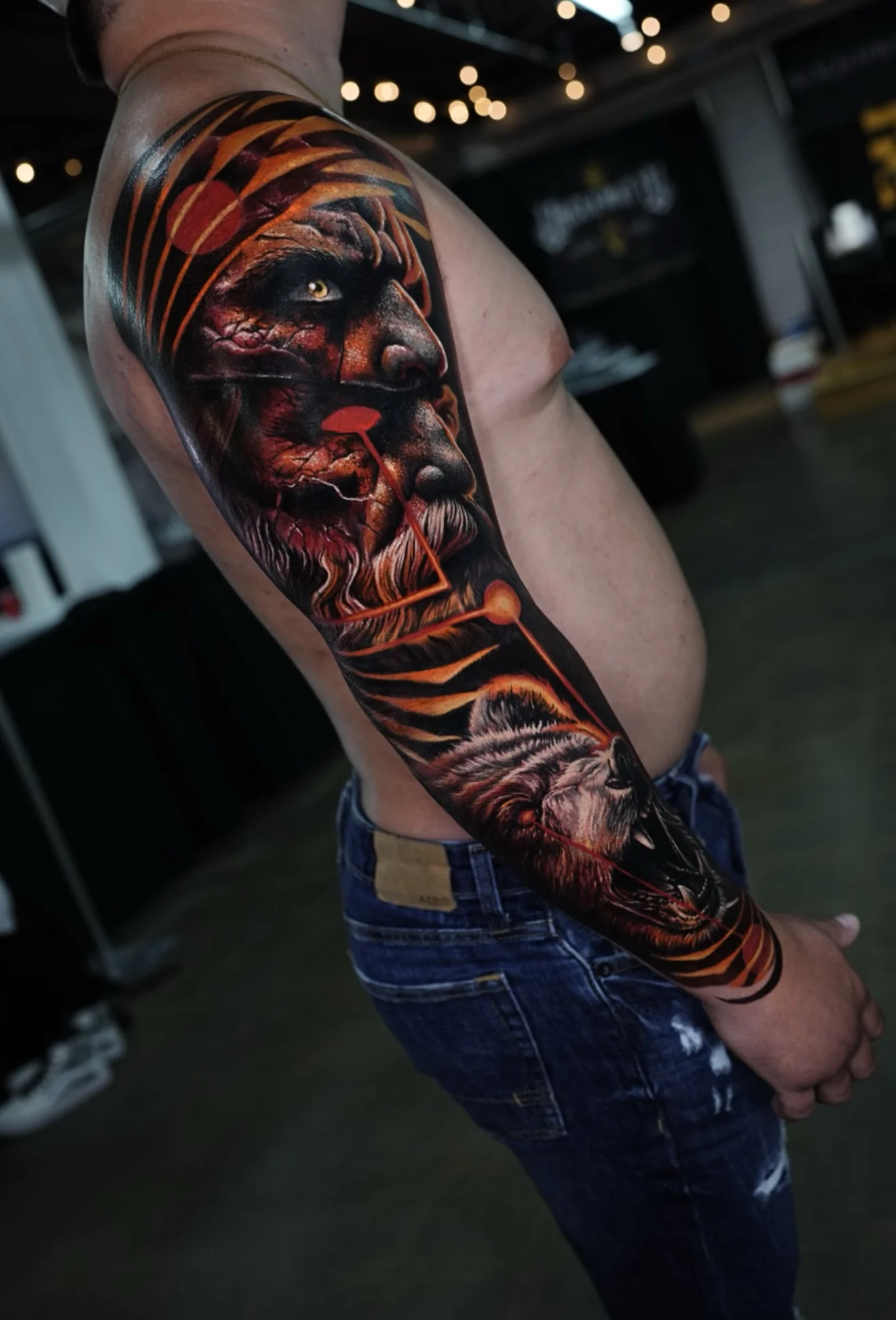
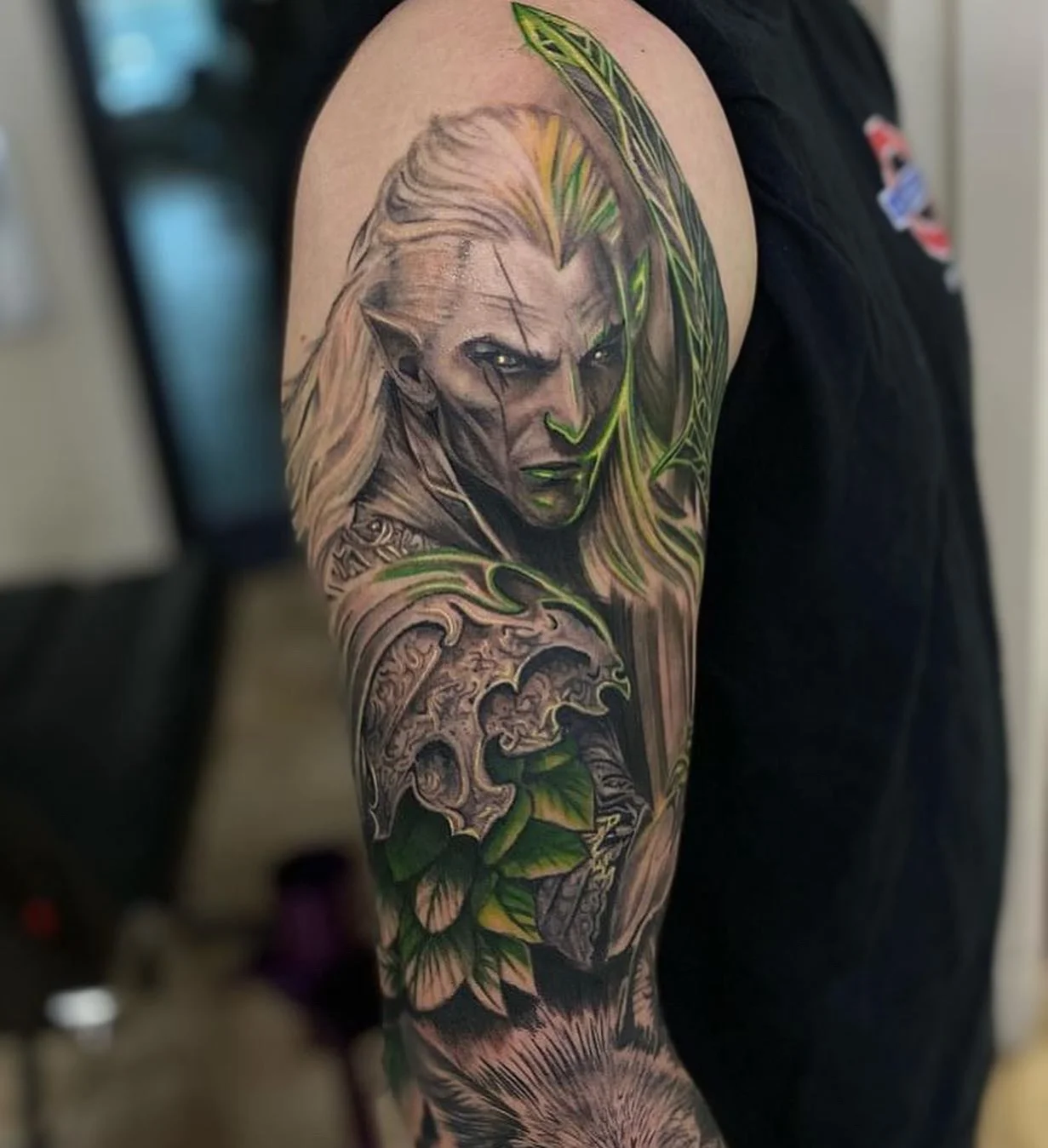
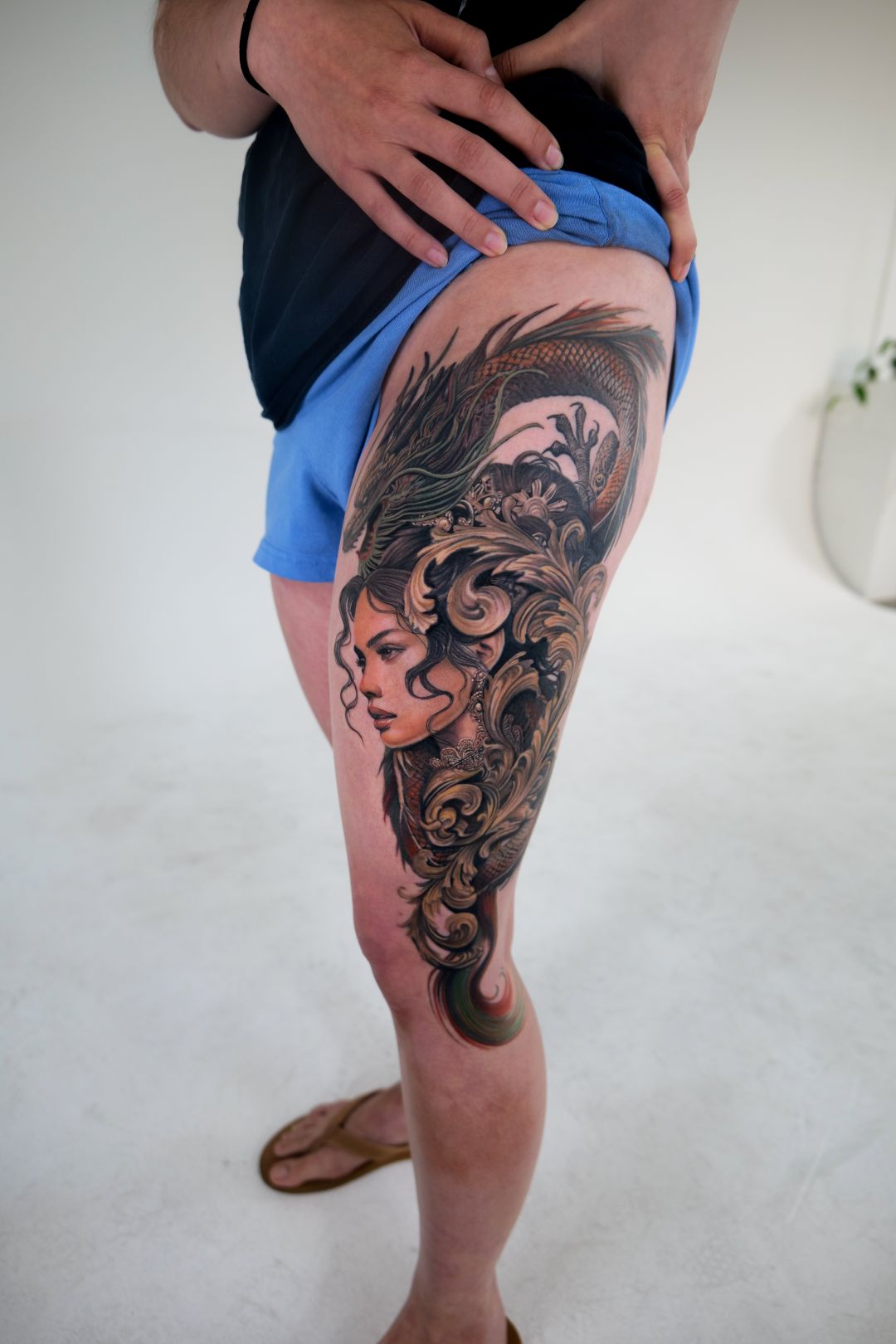
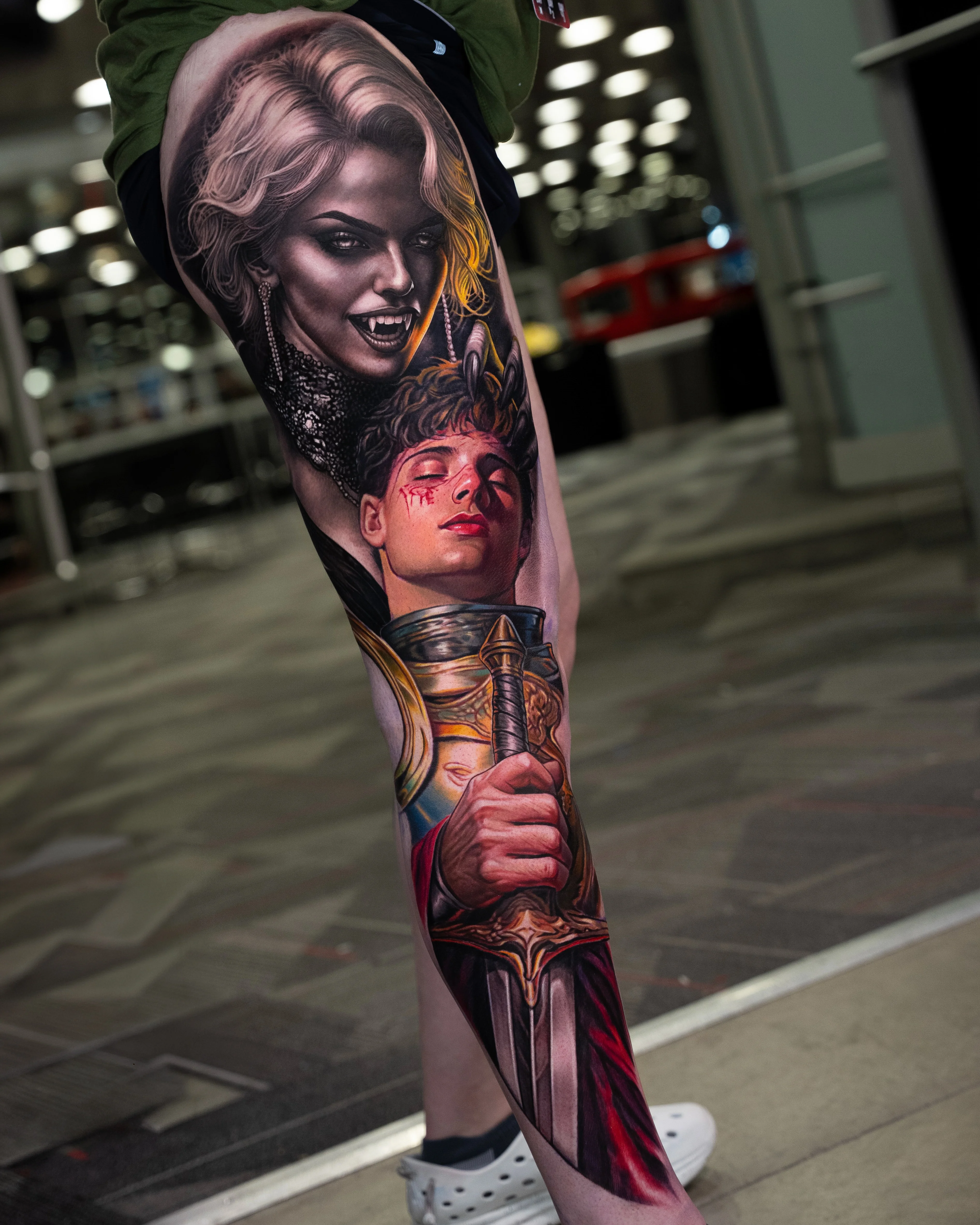
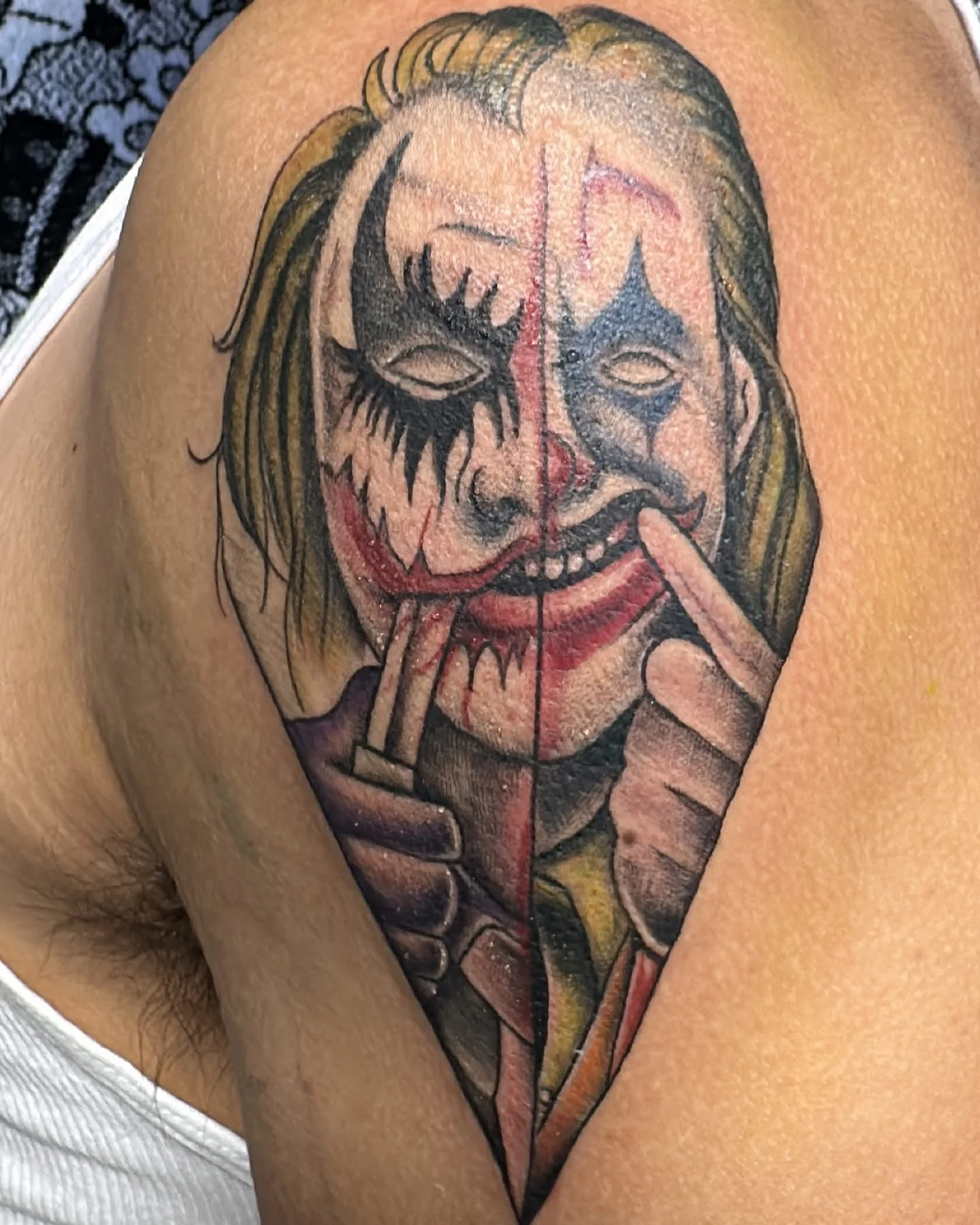
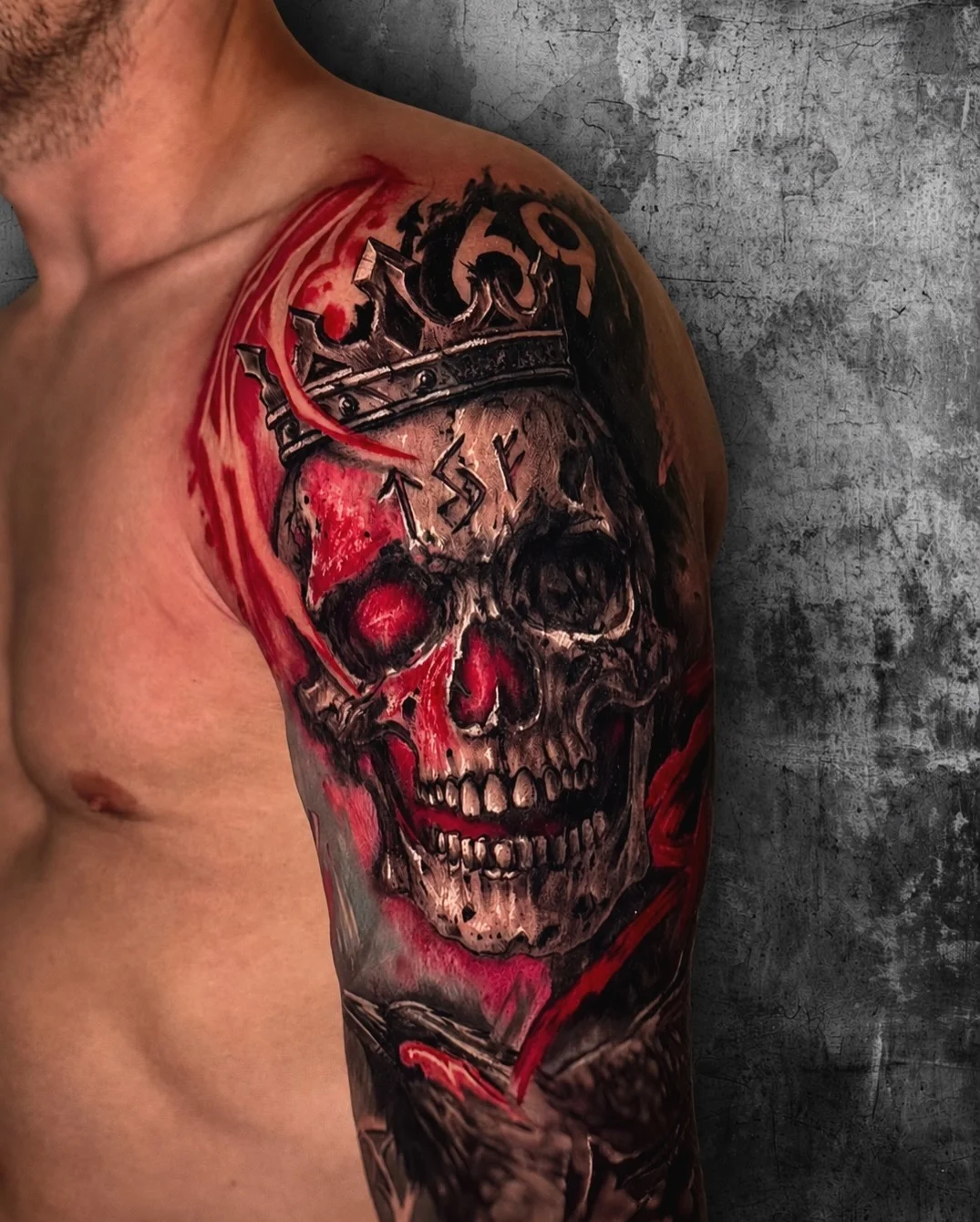
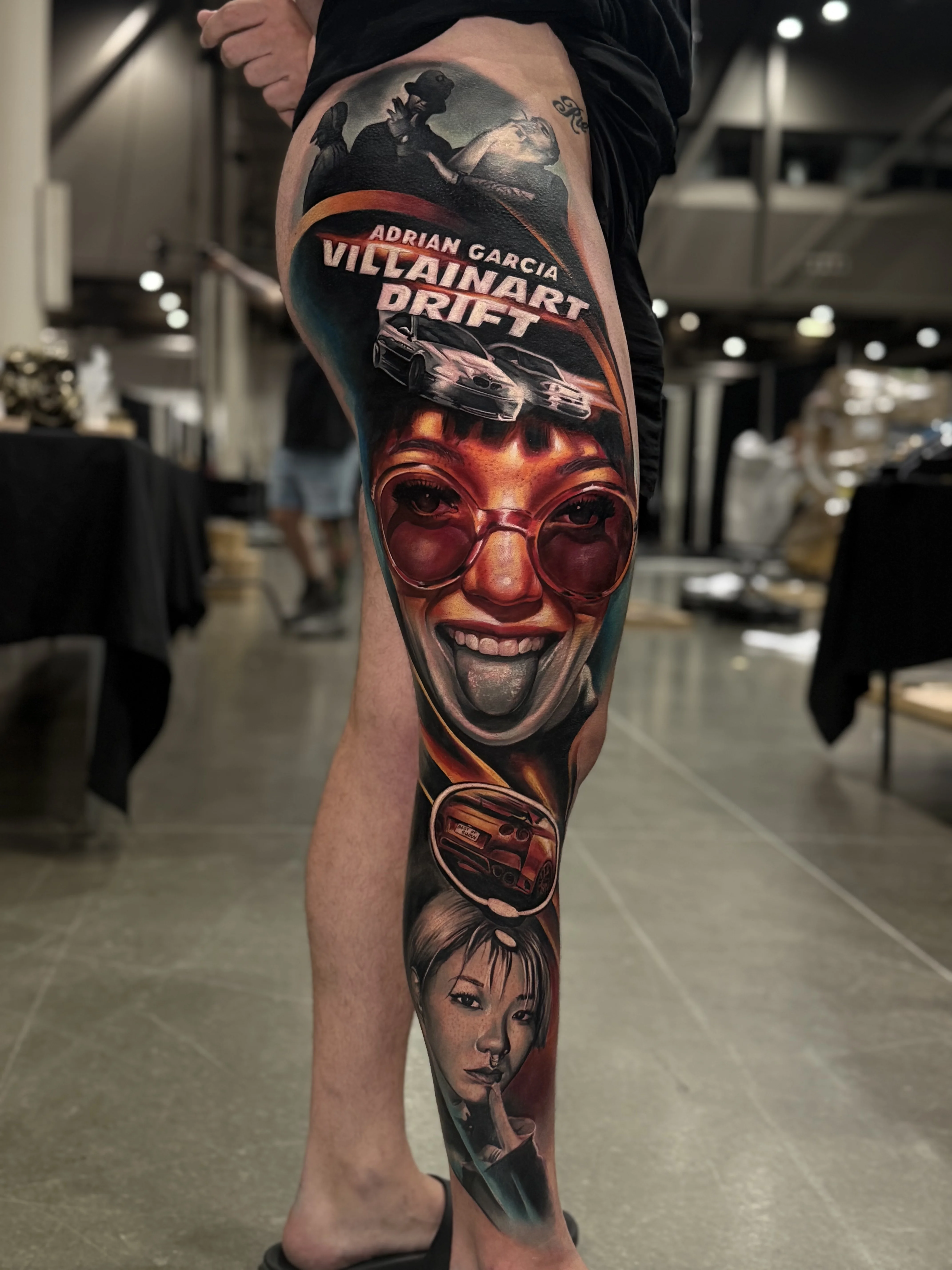
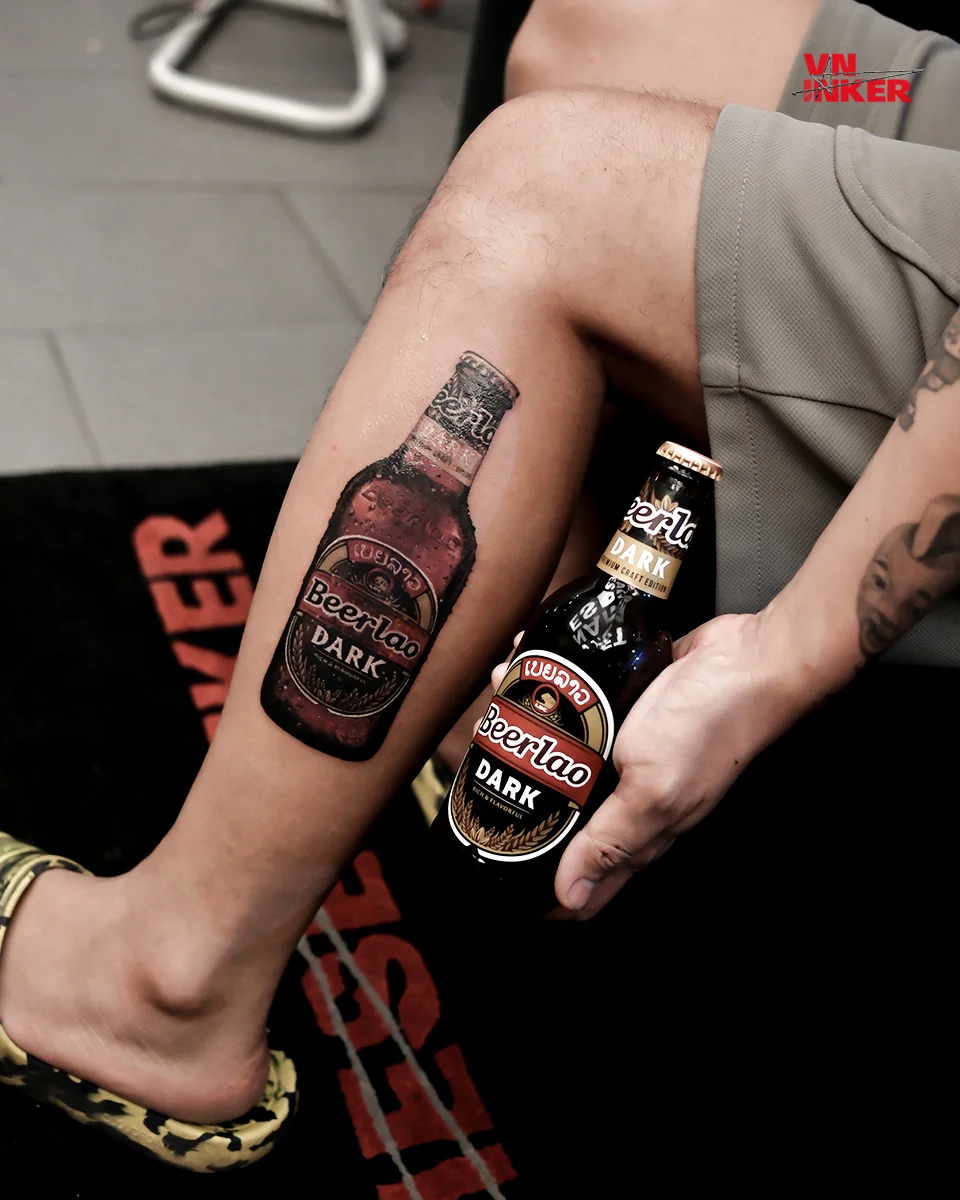
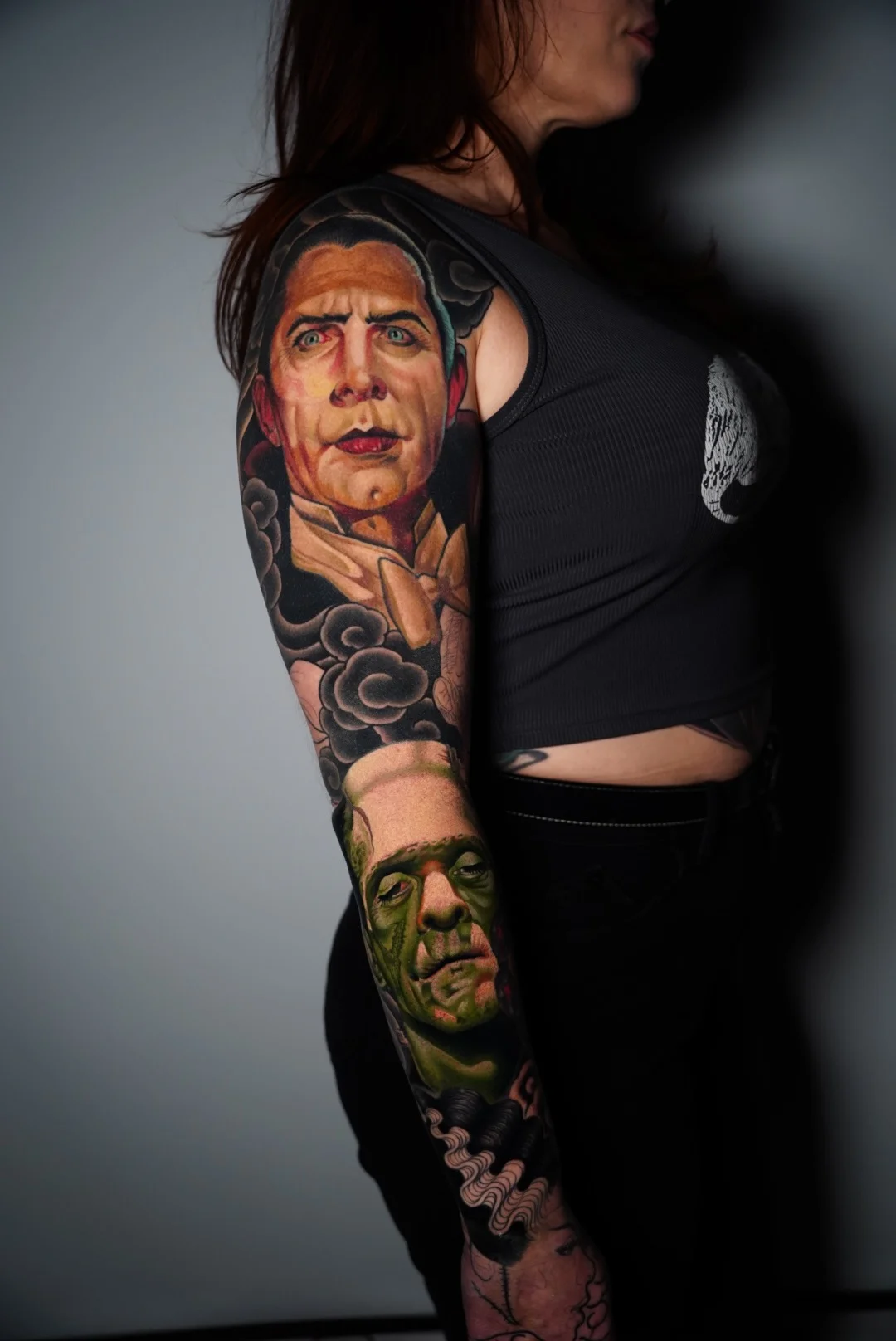
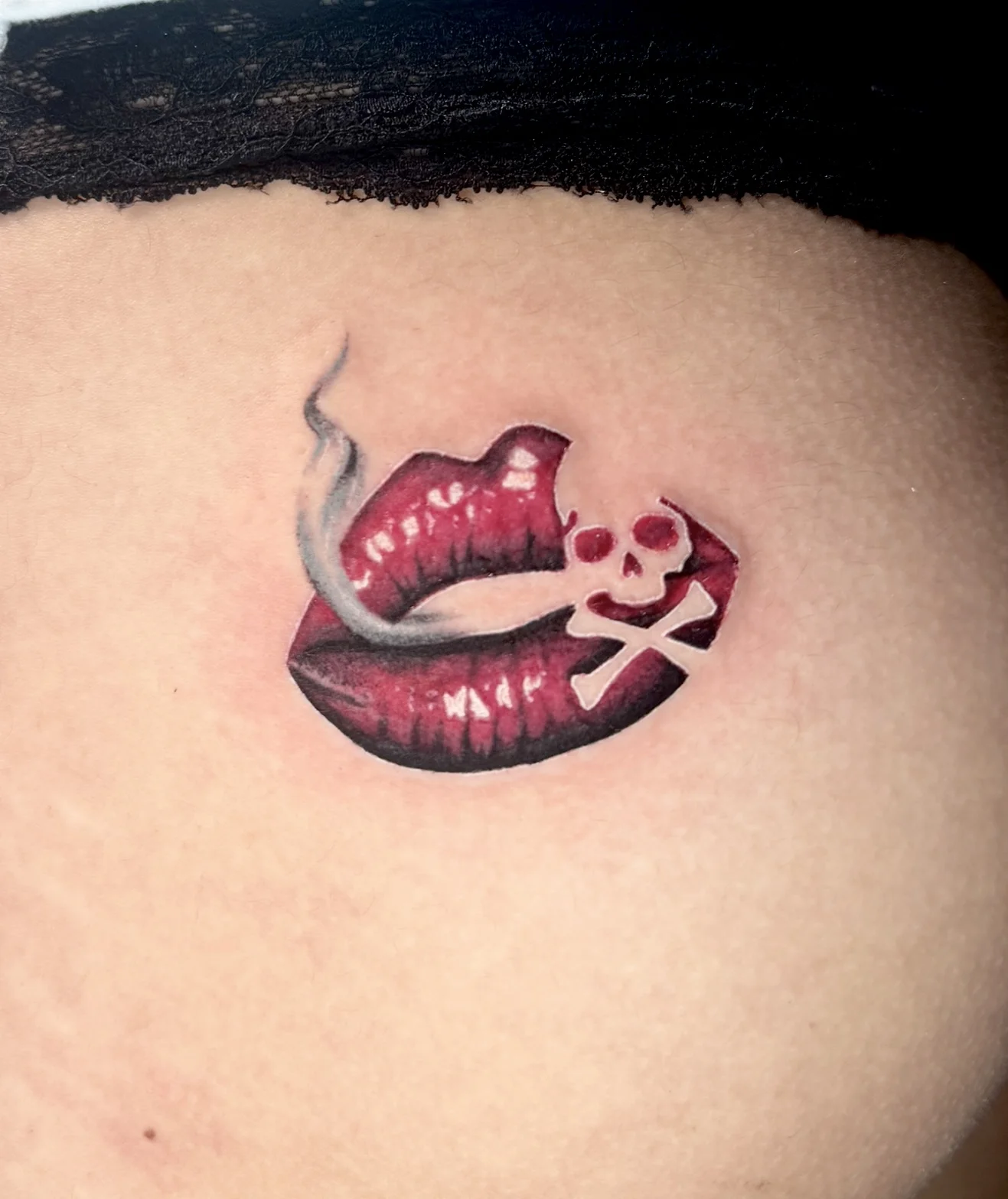
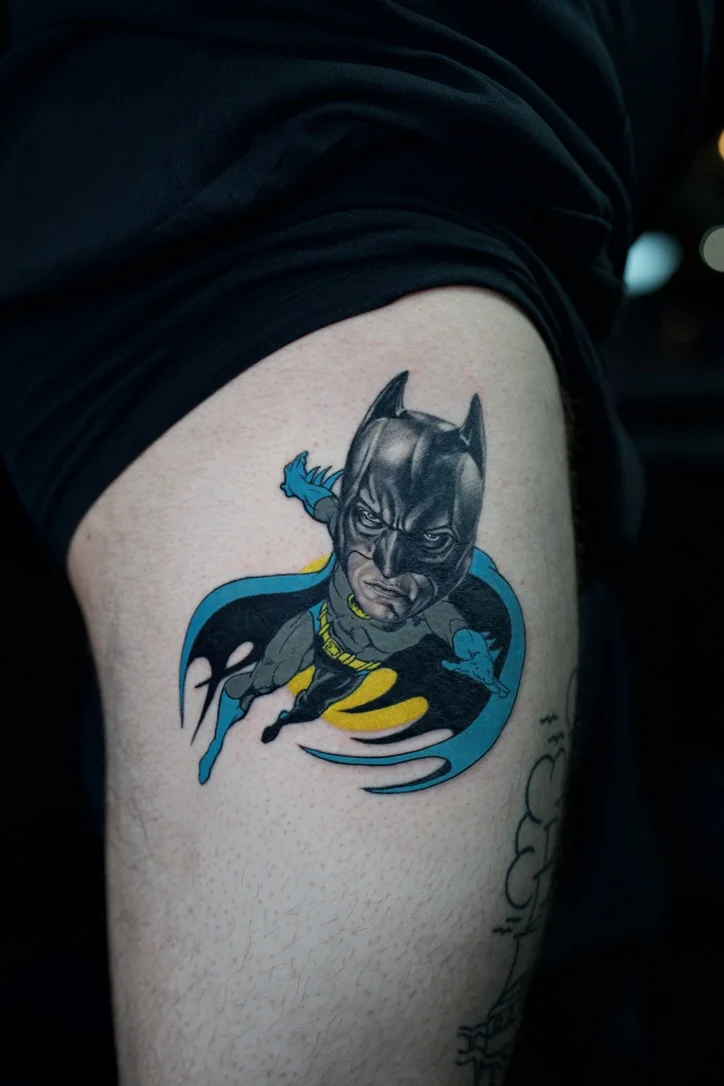
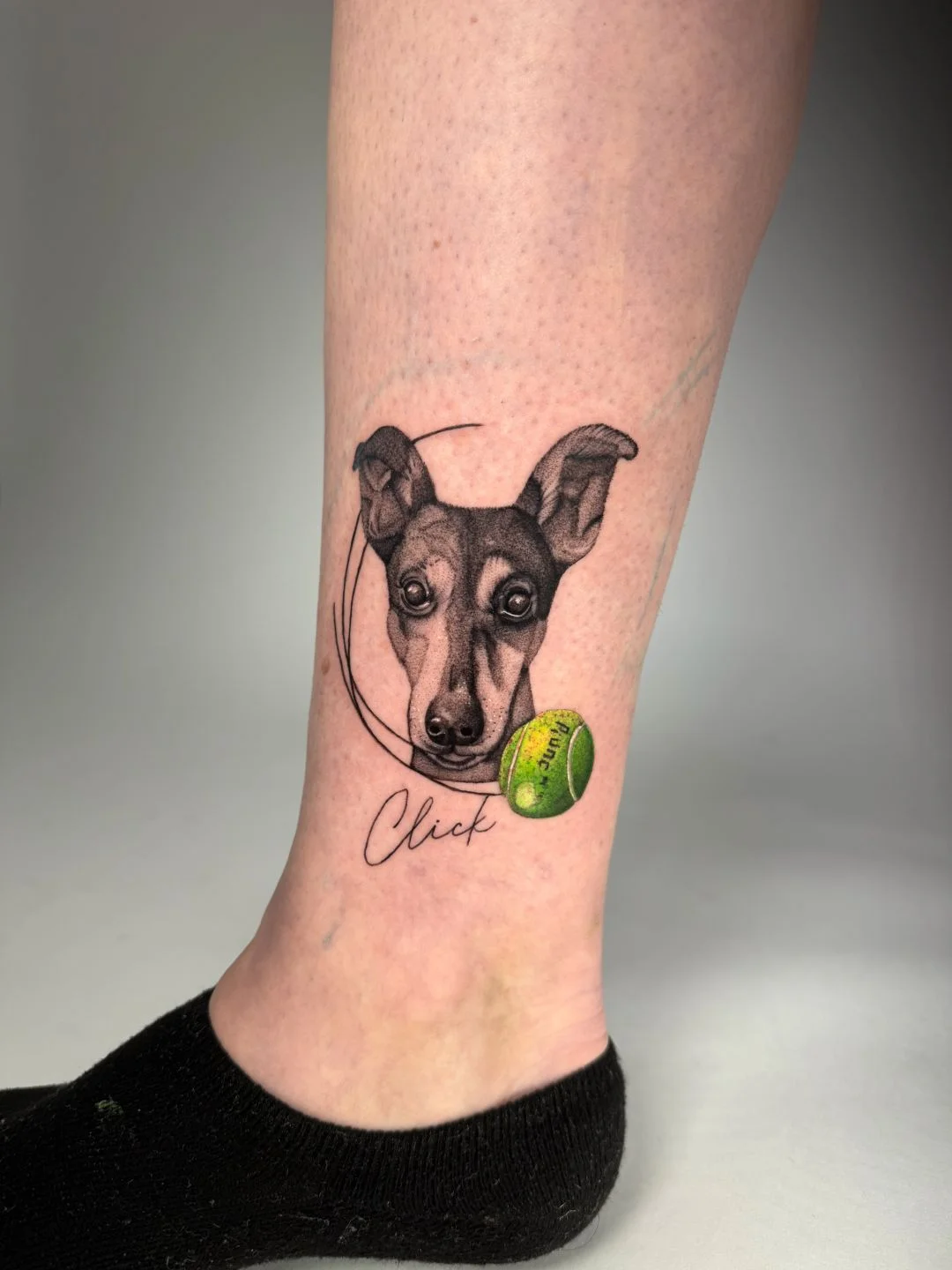
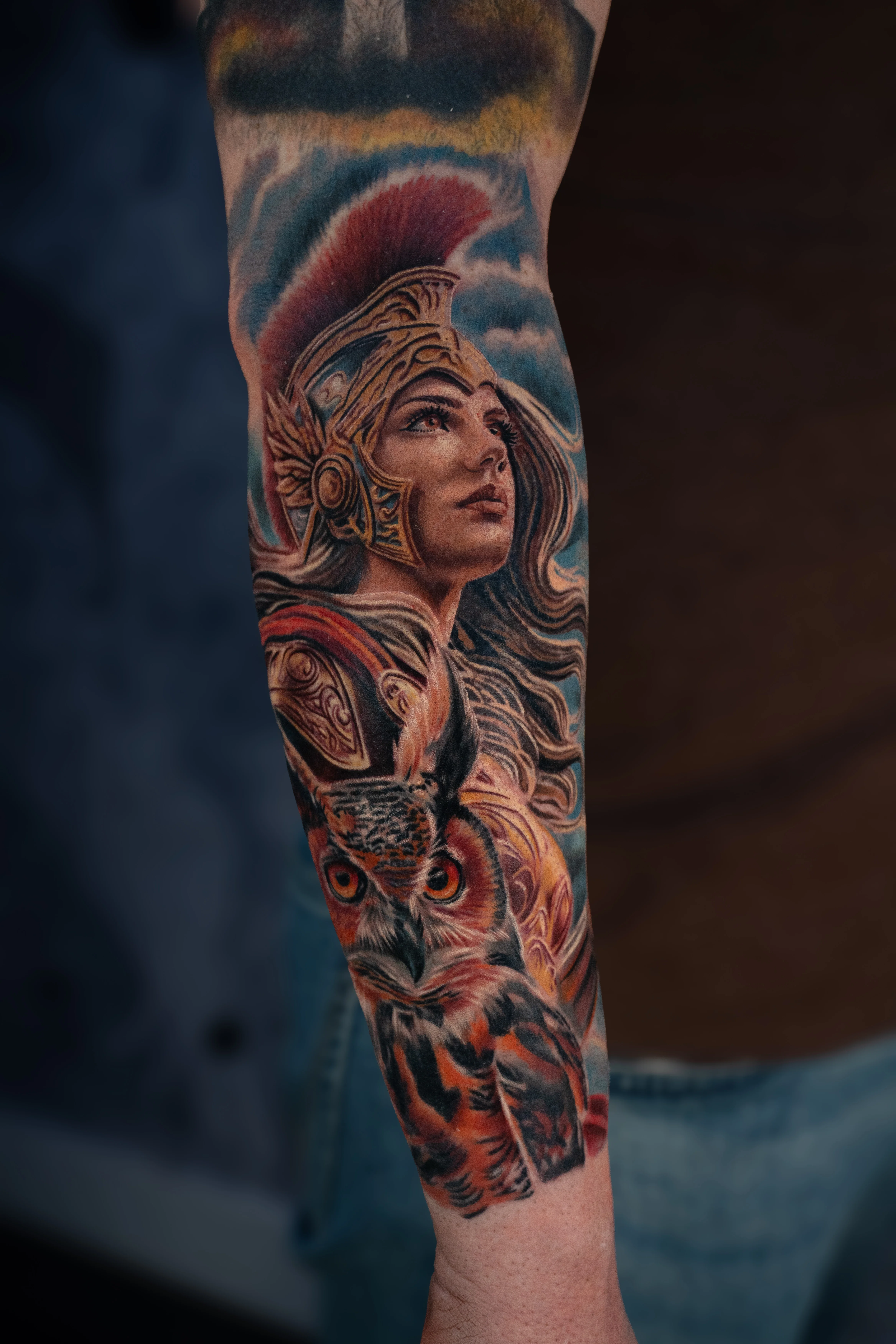
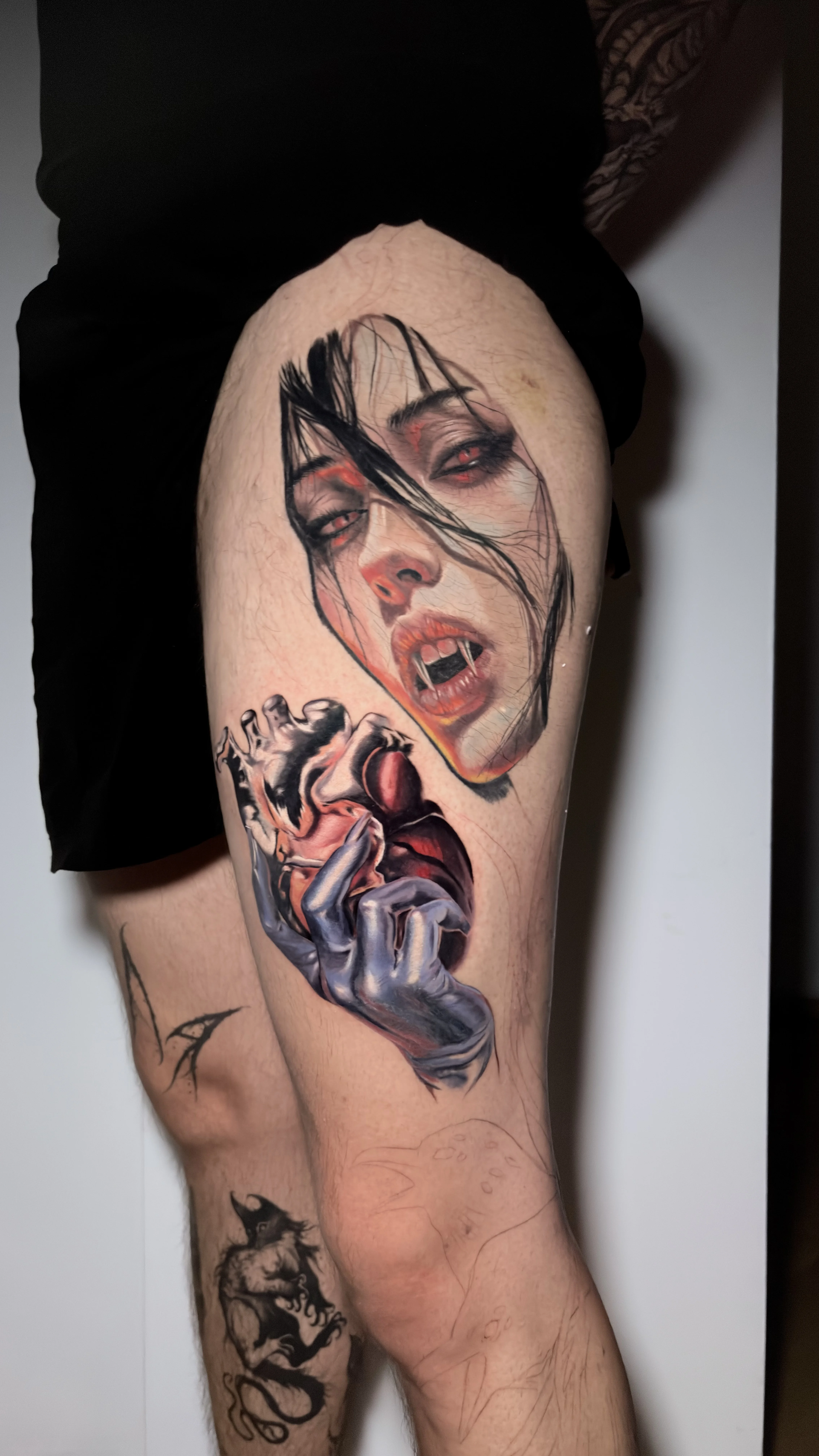
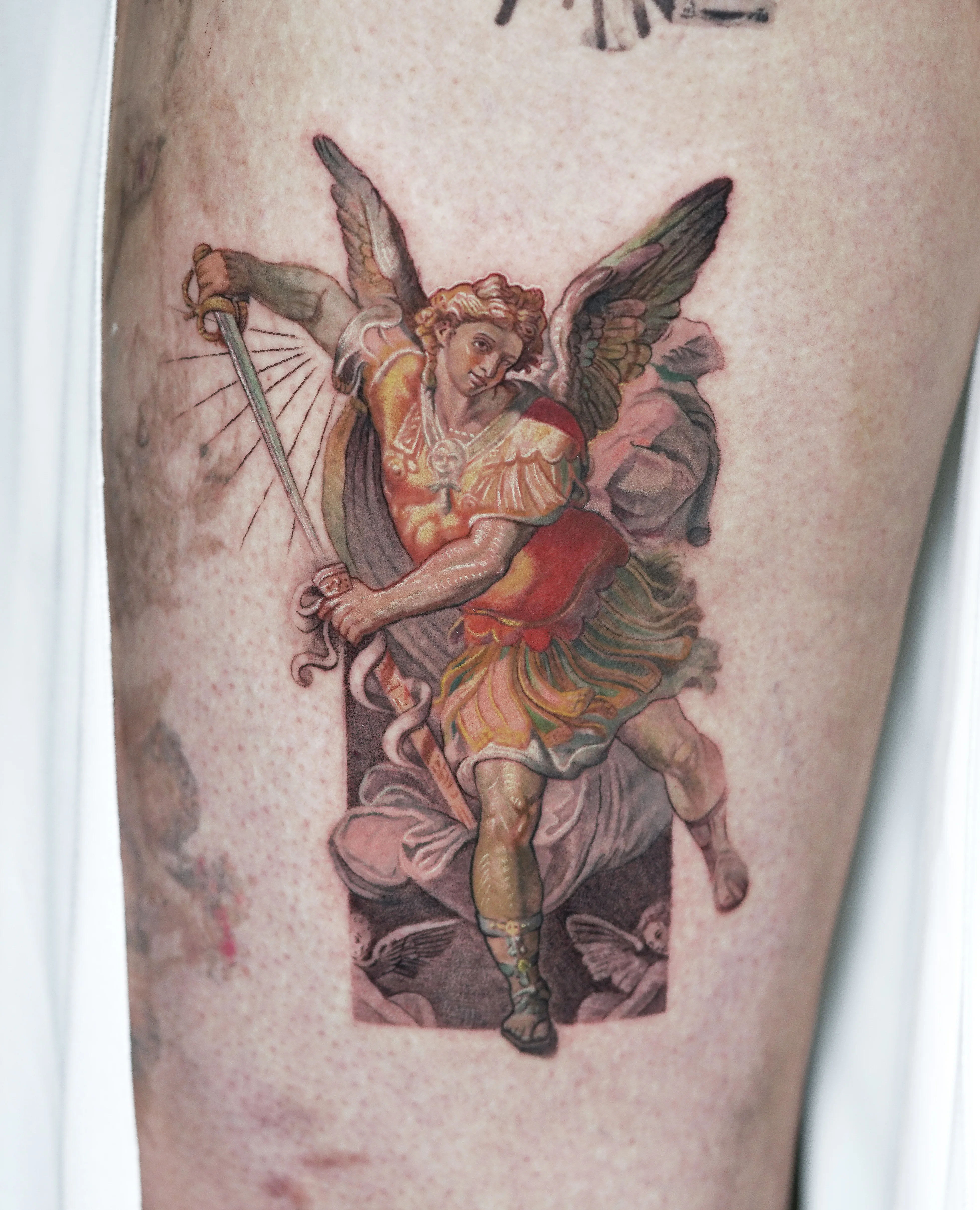
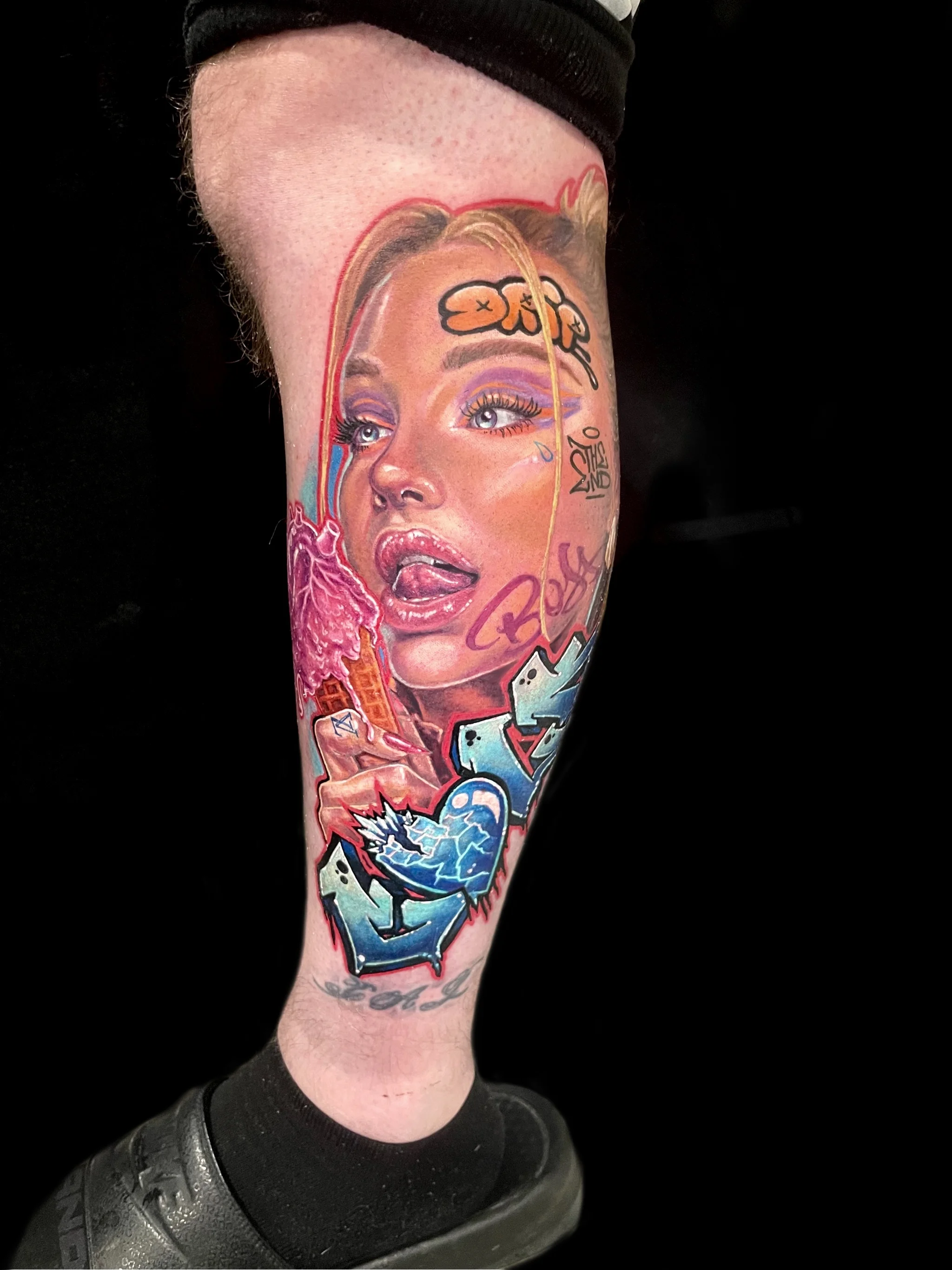
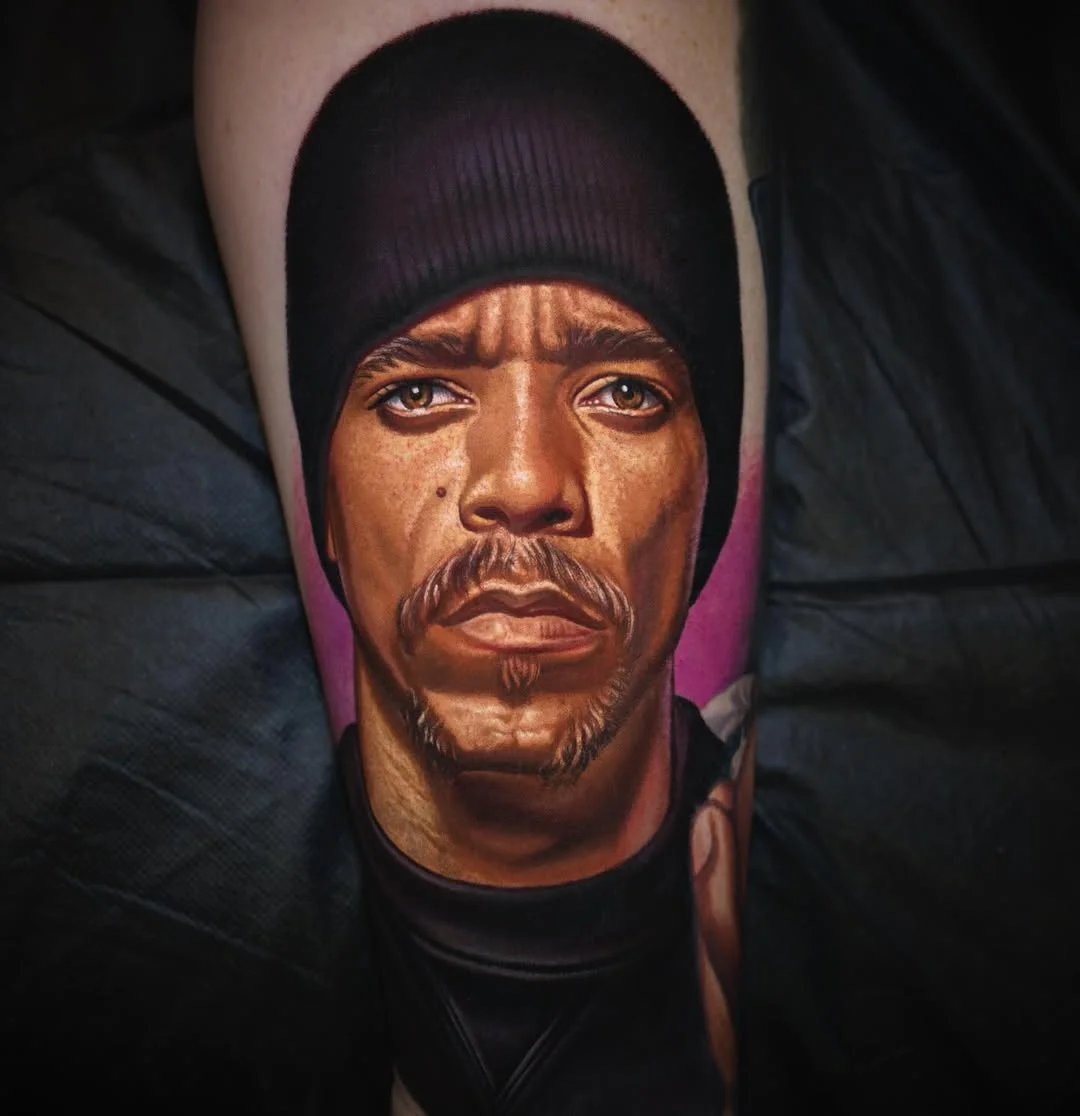
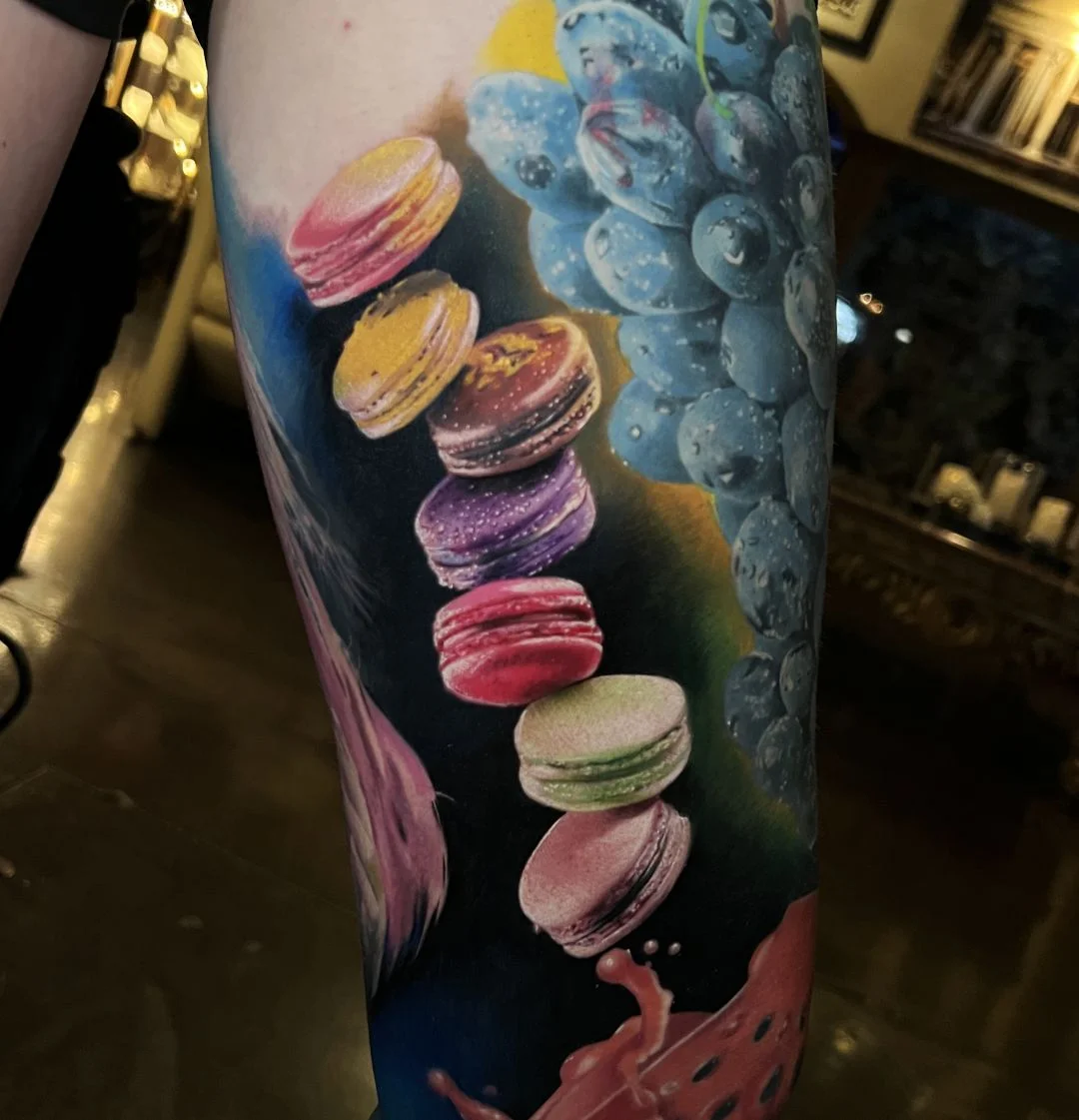
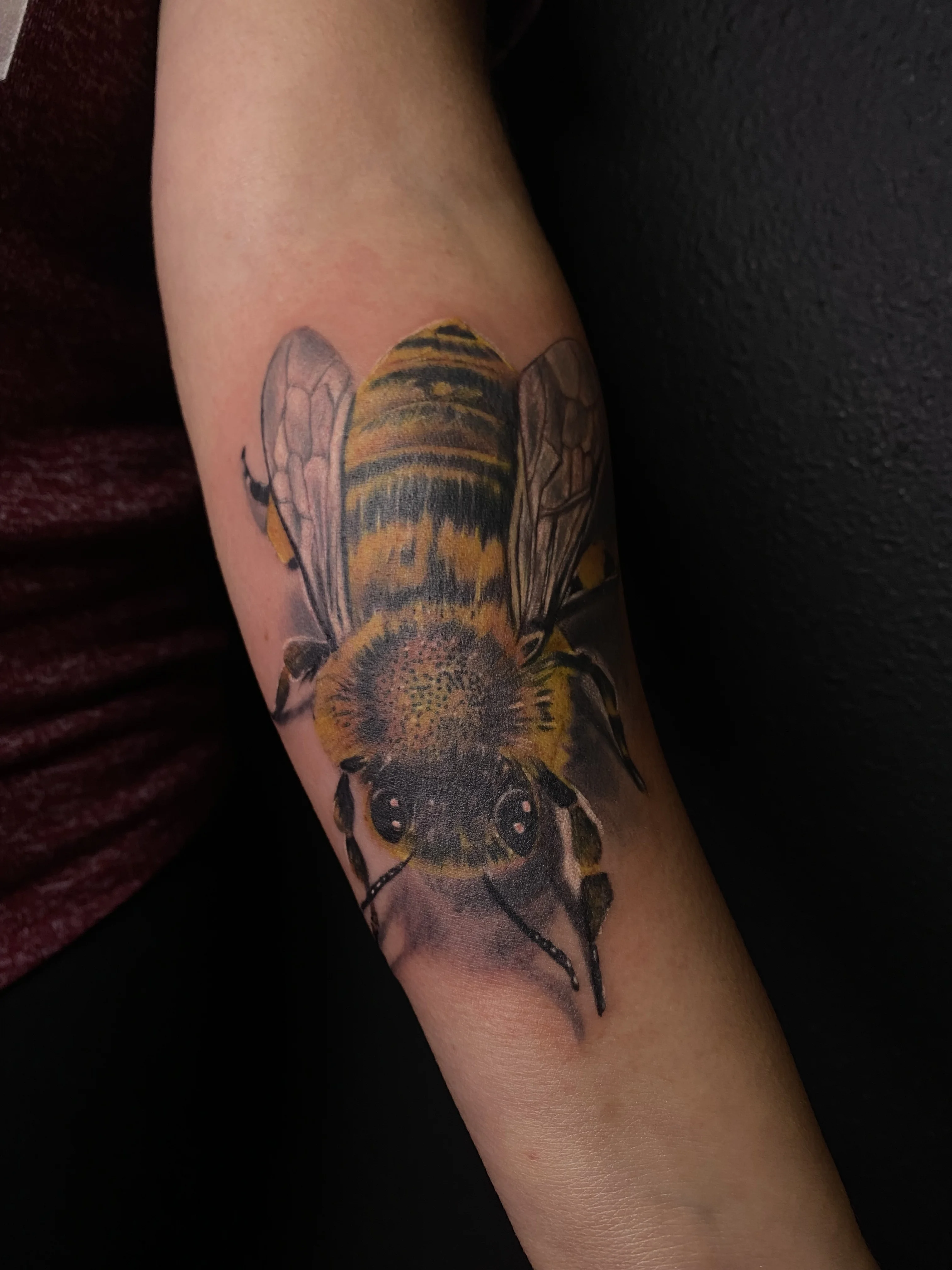
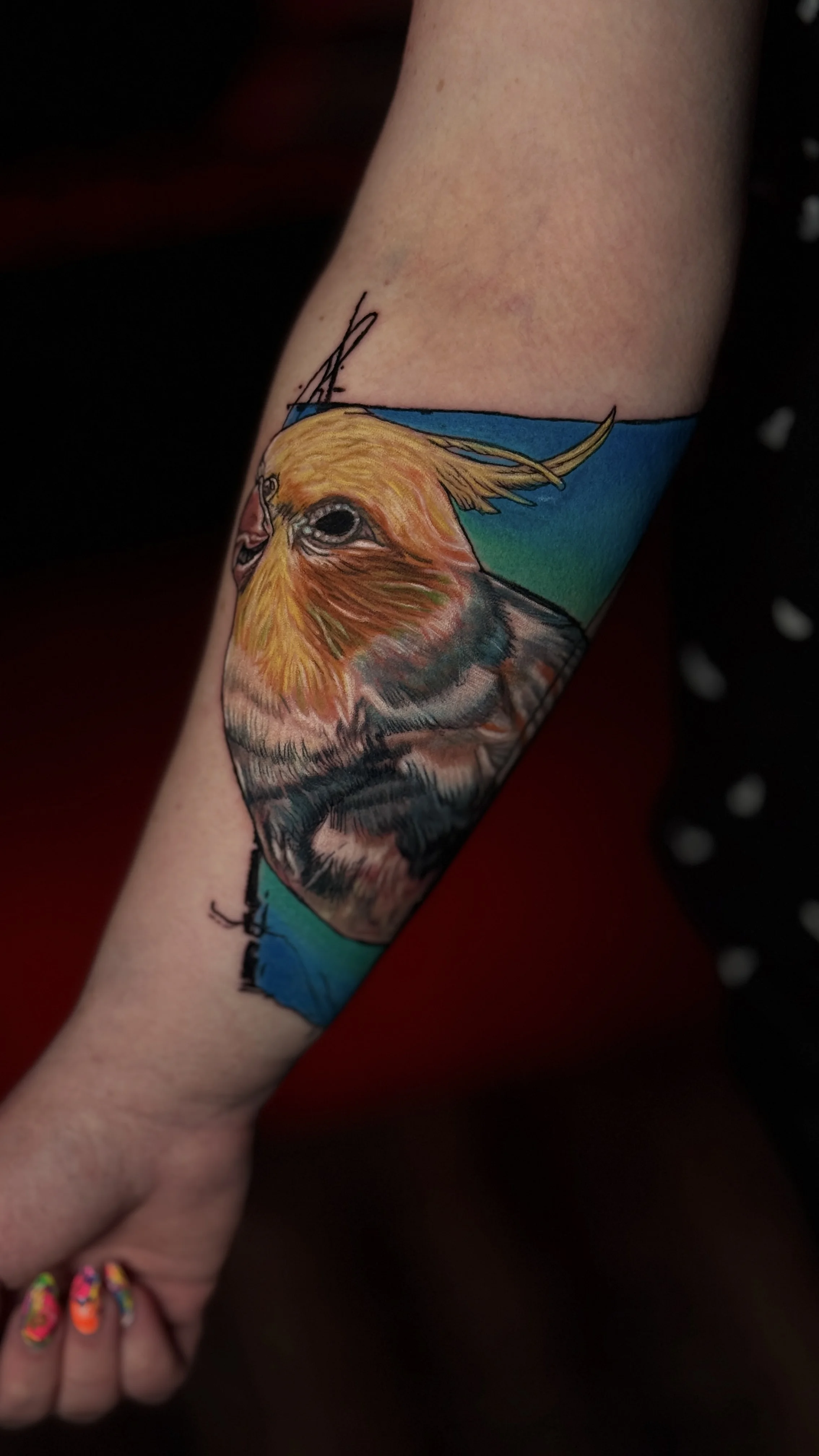
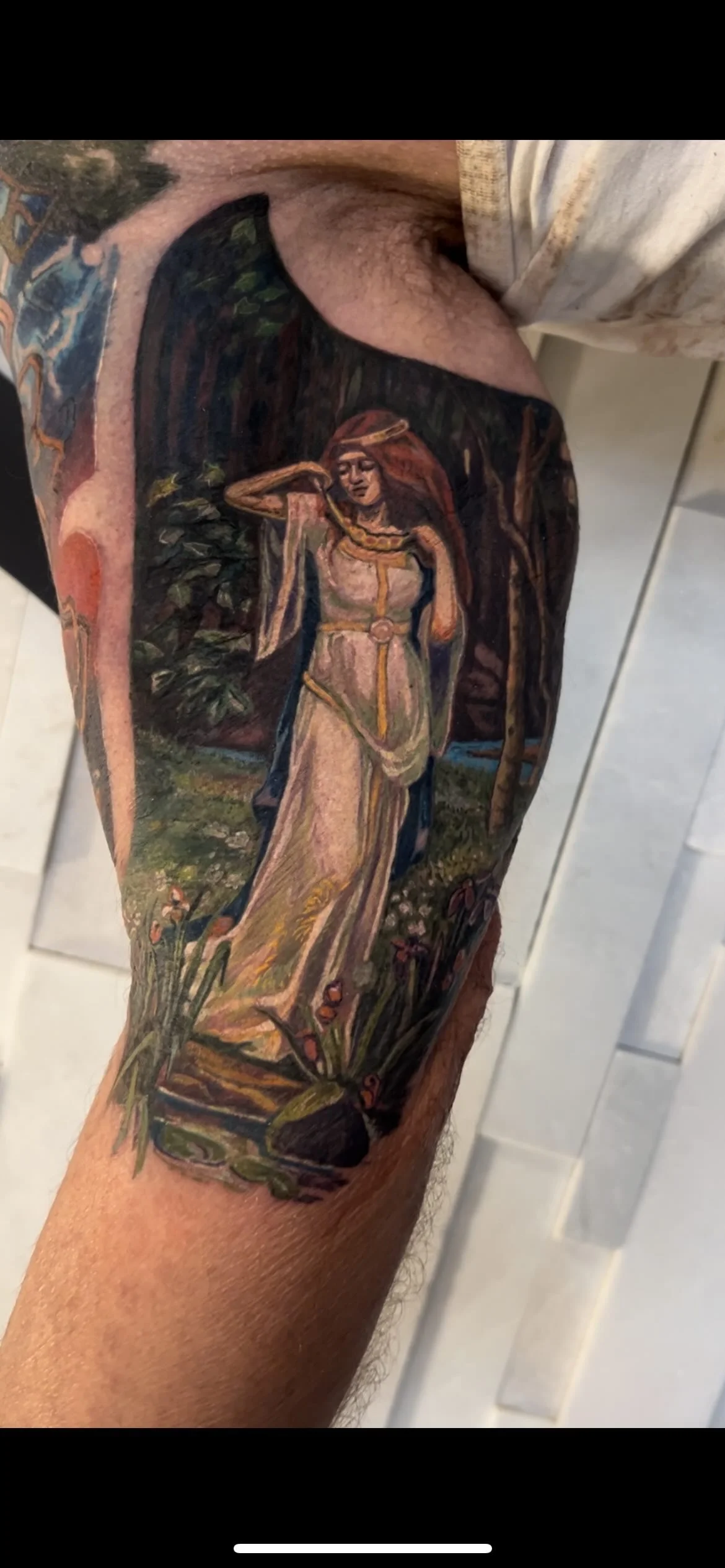
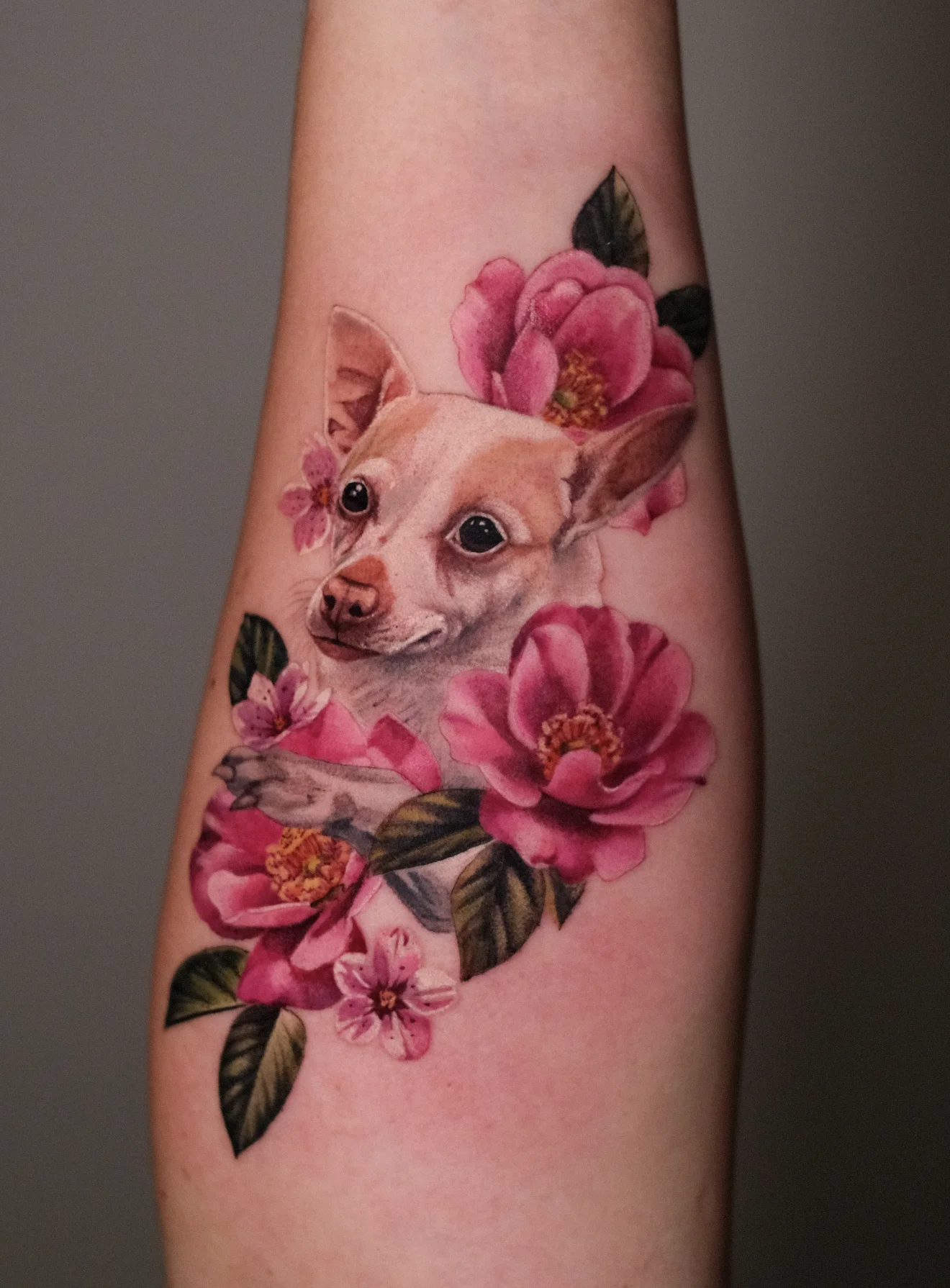
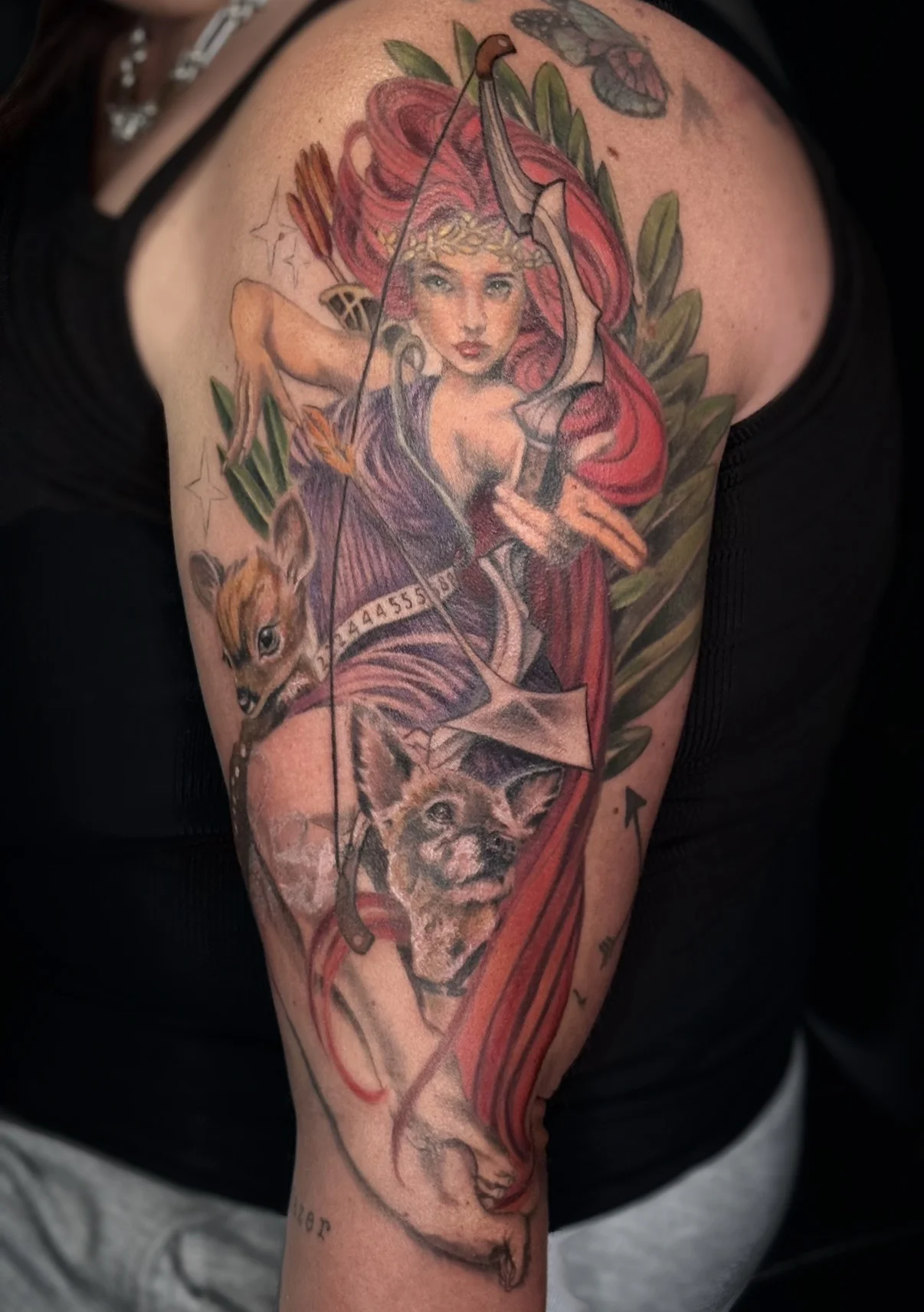
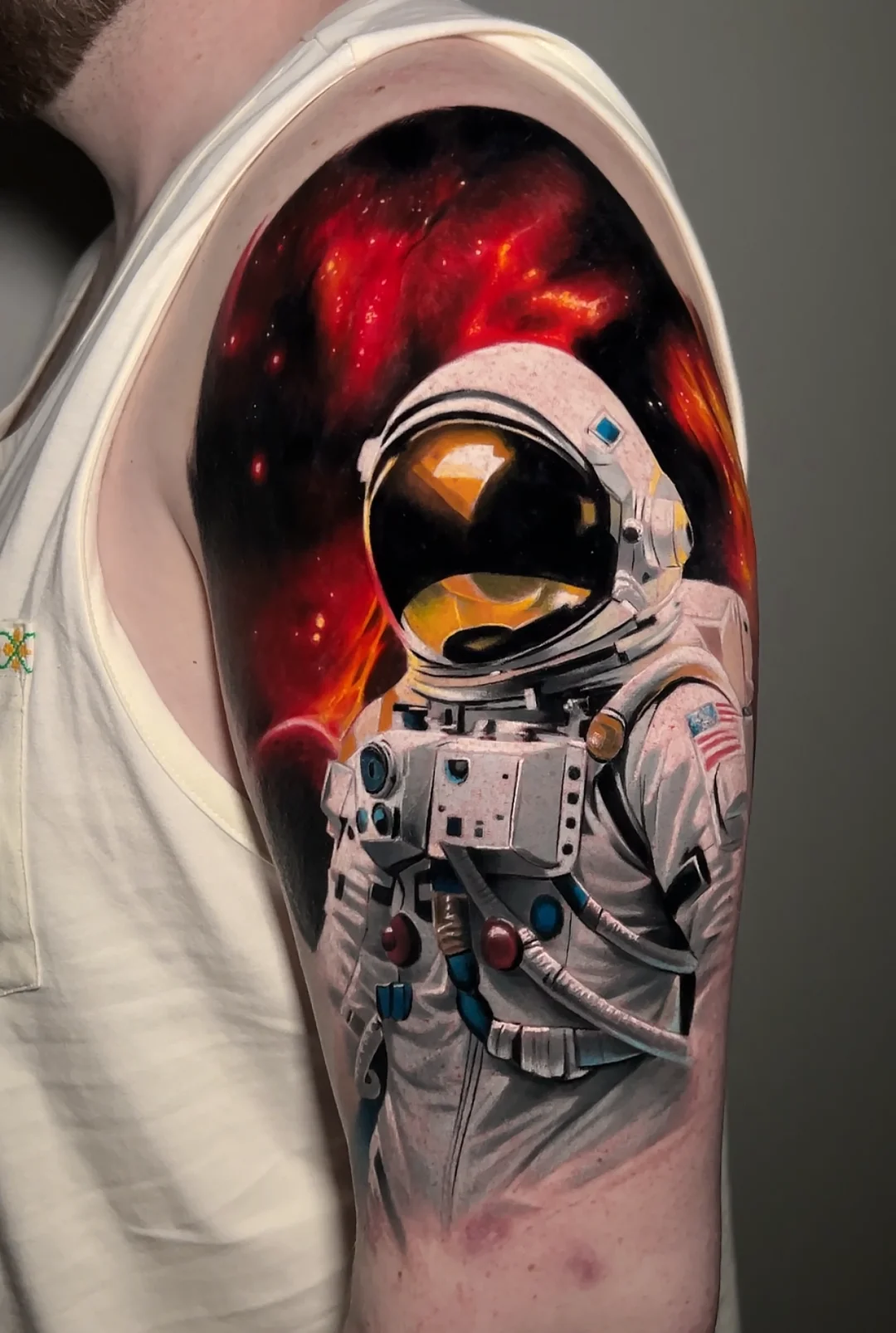
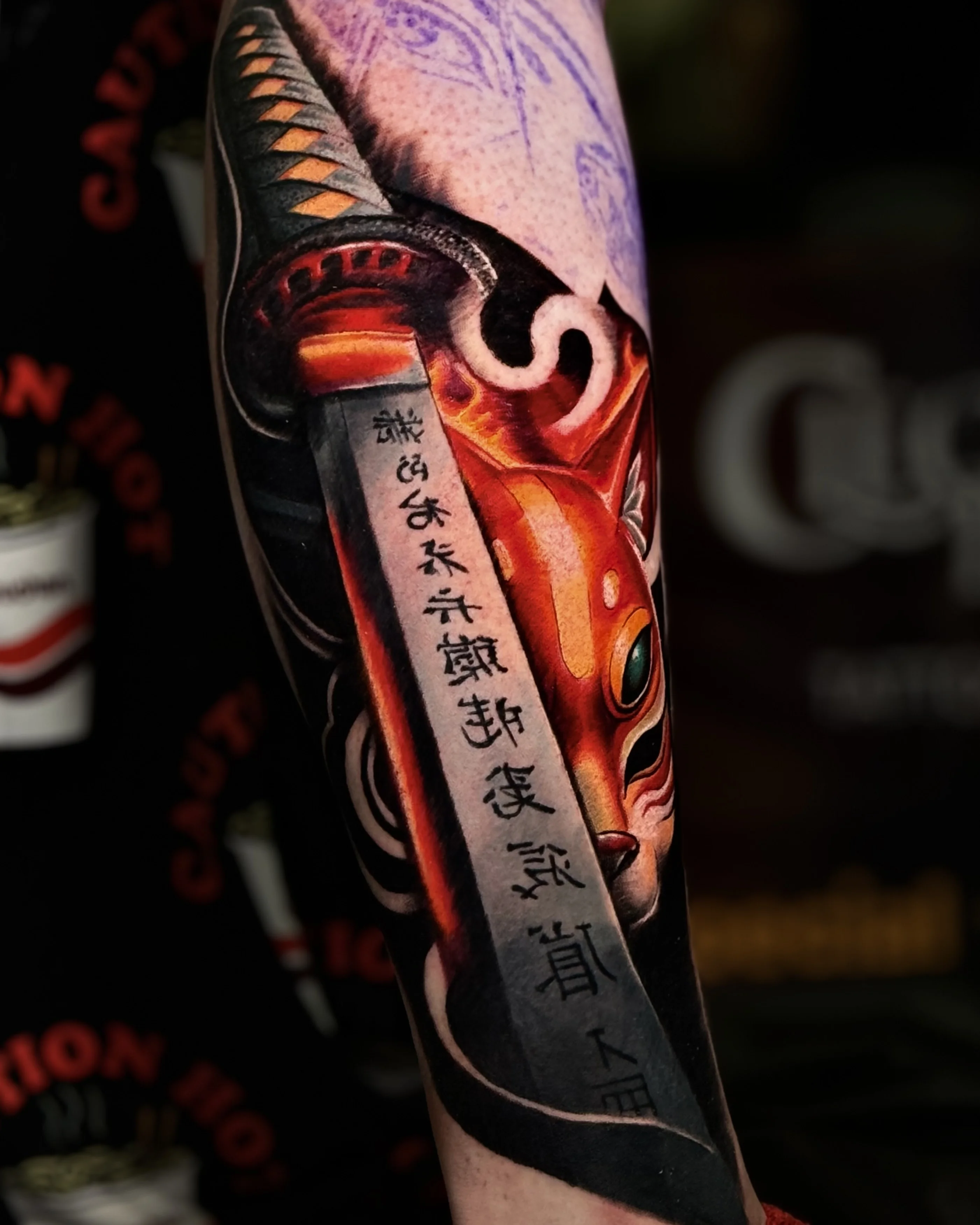
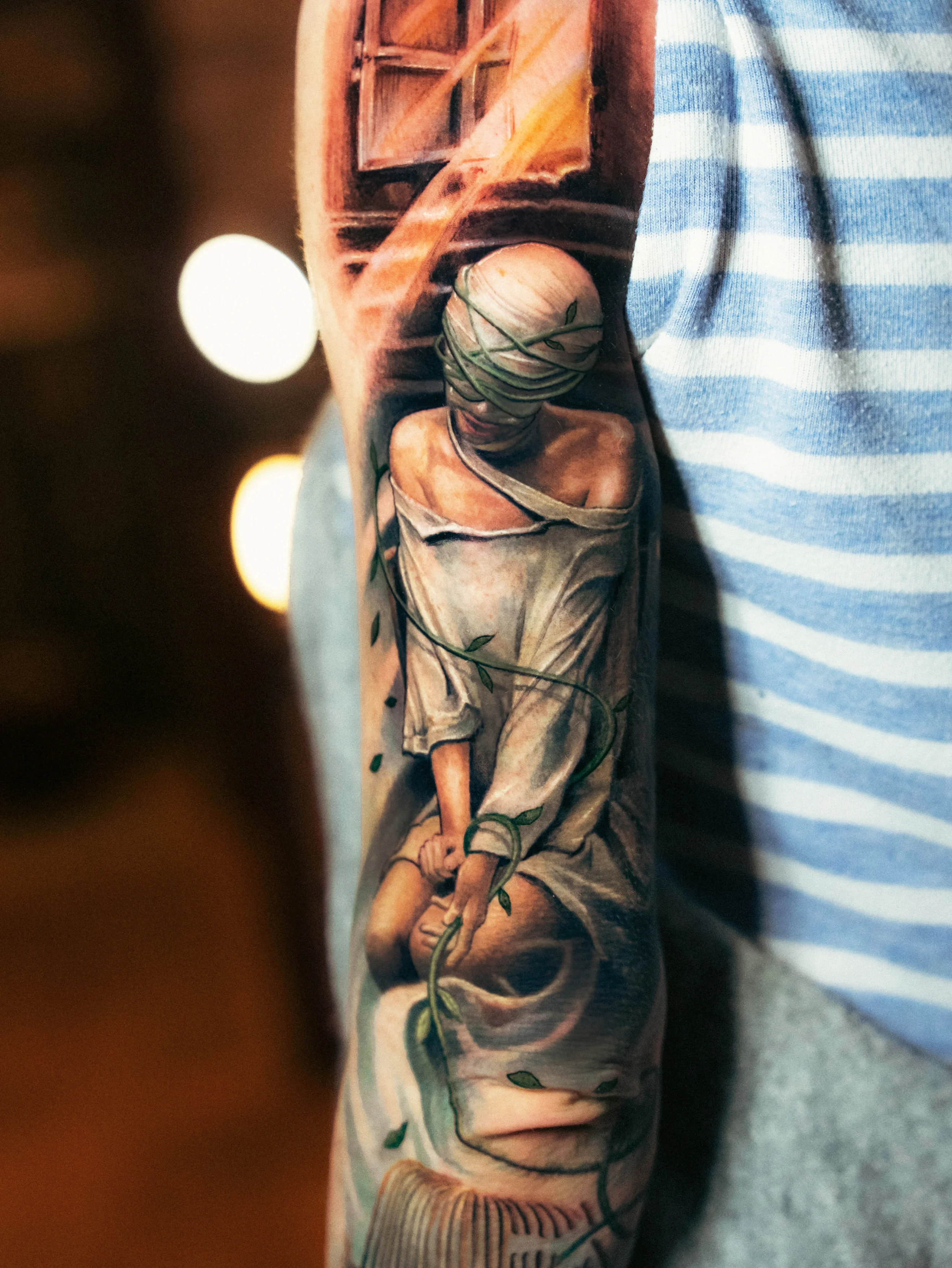
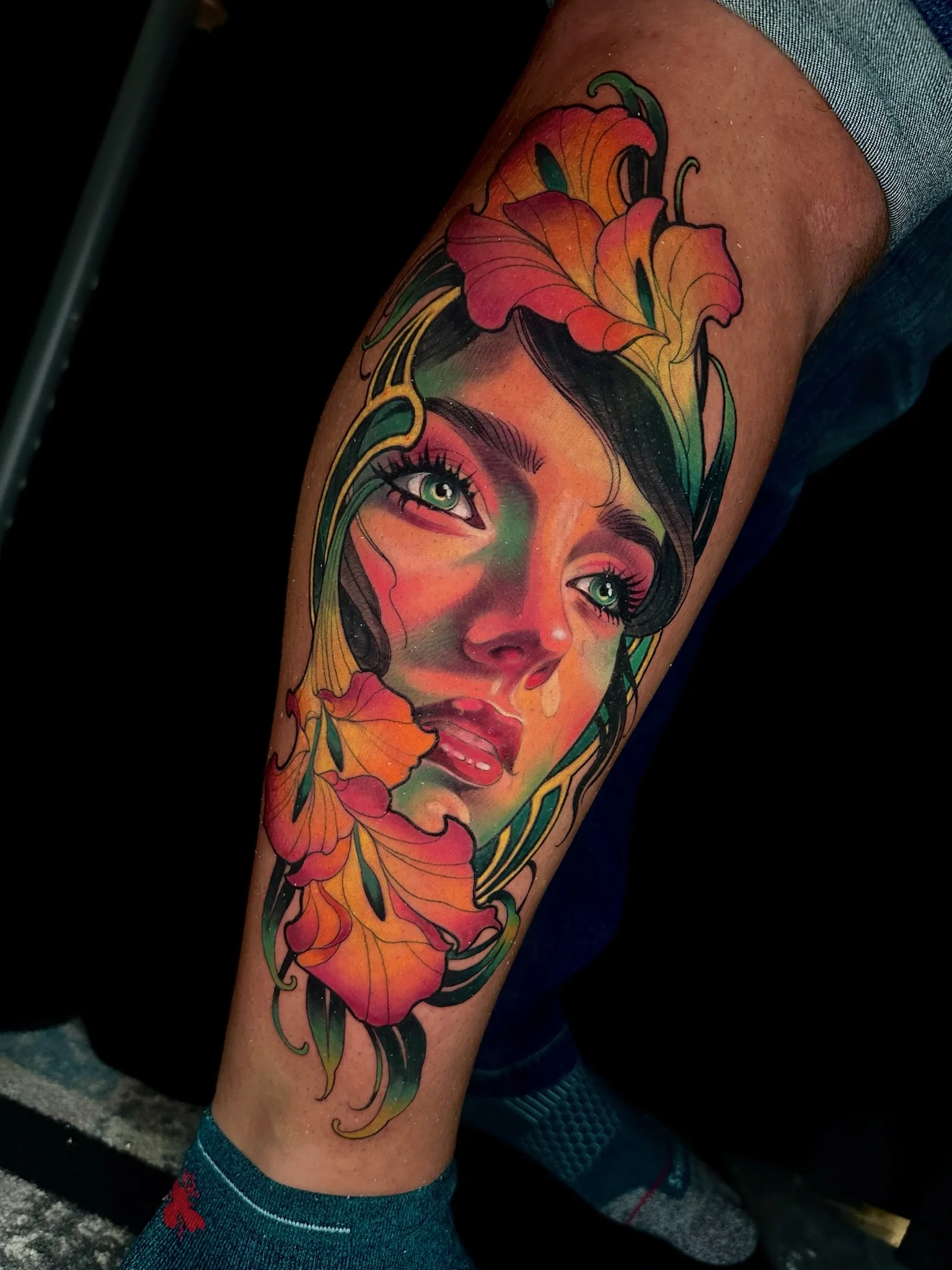
Color realism is photoreal tattooing in full saturation. Where black and gray builds an image from grayscale values, color realism uses the whole palette to render skin tones, fabric, fur, sky, and everything in between. A reference photo gets translated stroke by stroke into skin, with the goal of producing something that reads as a printed image rather than a drawing. You'll also see it spelled colour realism, and it often overlaps with what people search for as realistic color tattoos.
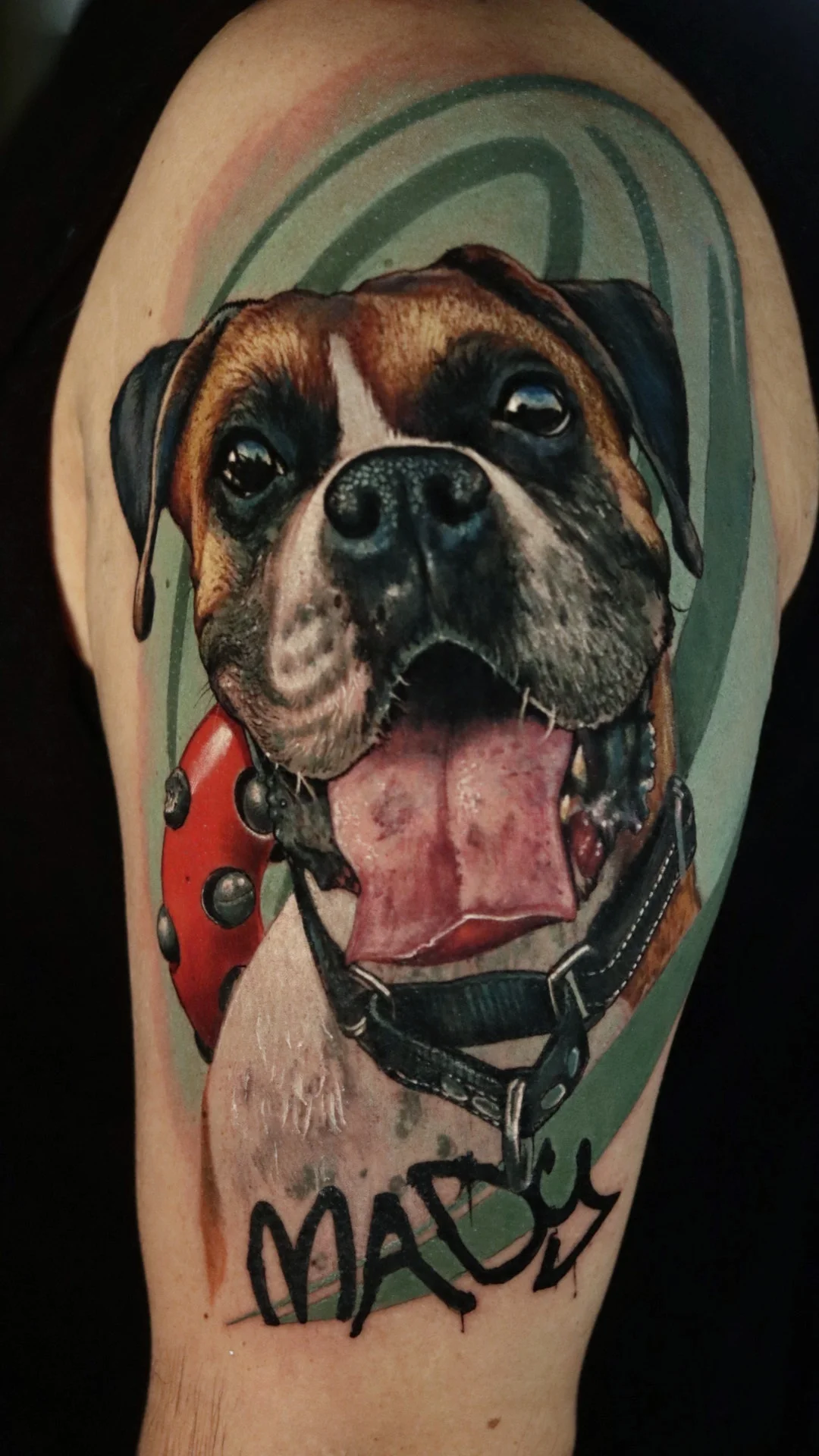
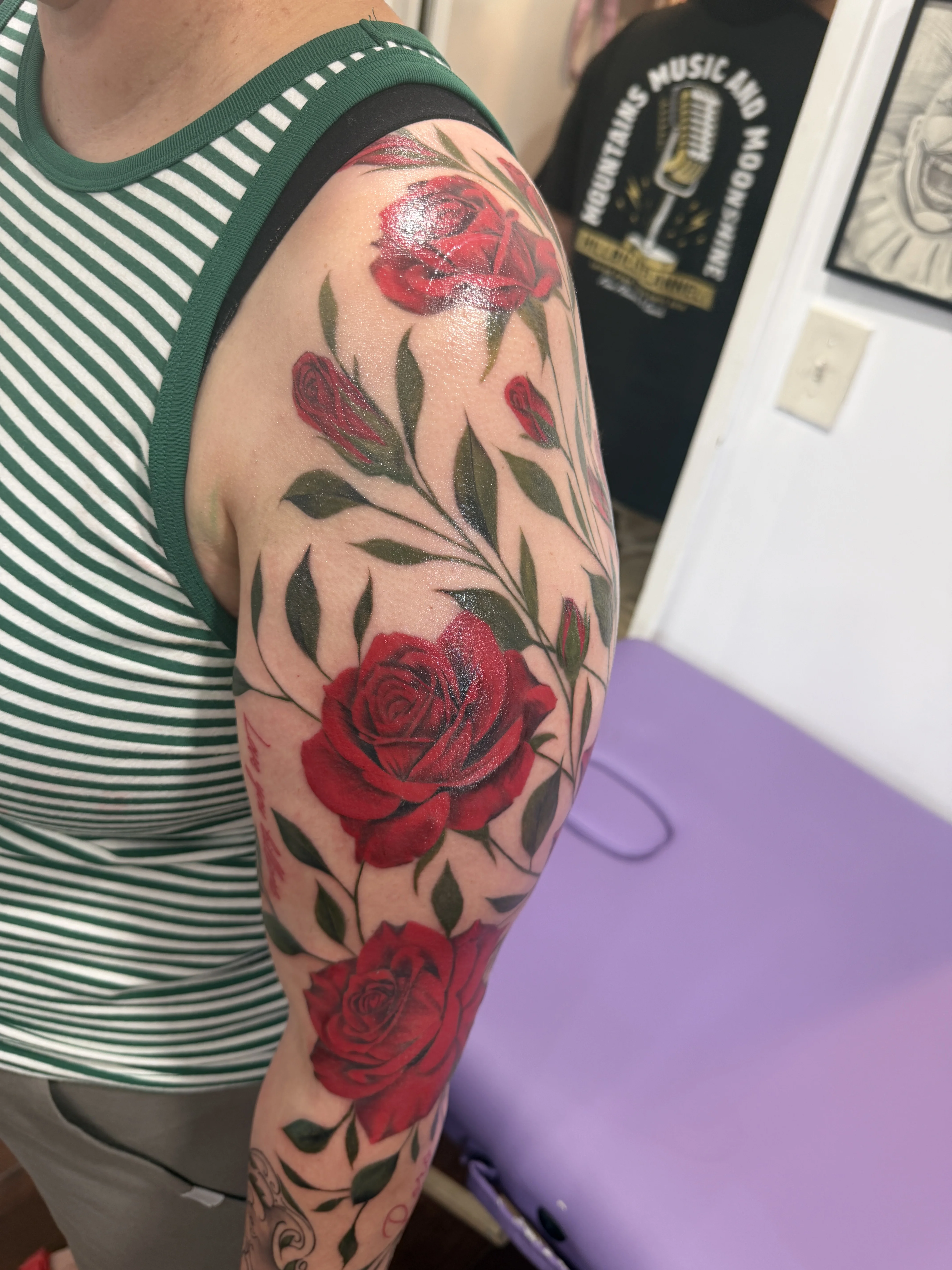
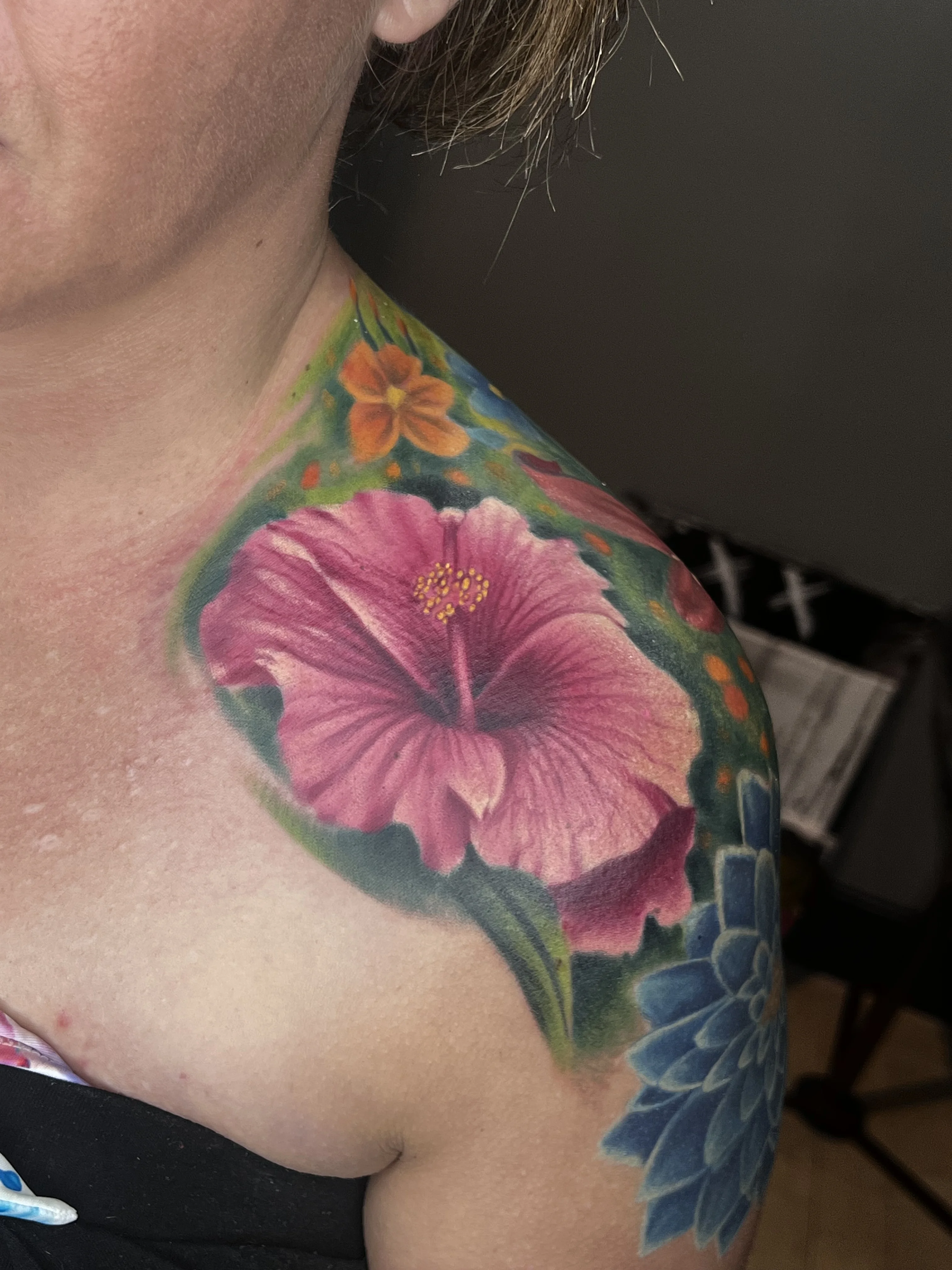
This style is built for subjects that need color to work. Portraits where skin tone matters, animals where fur color carries the realism, flowers, and landscapes where the light and sky are the whole point. If an idea would lose most of its impact in black and gray, color realism is usually the right call.
What makes the style recognizable
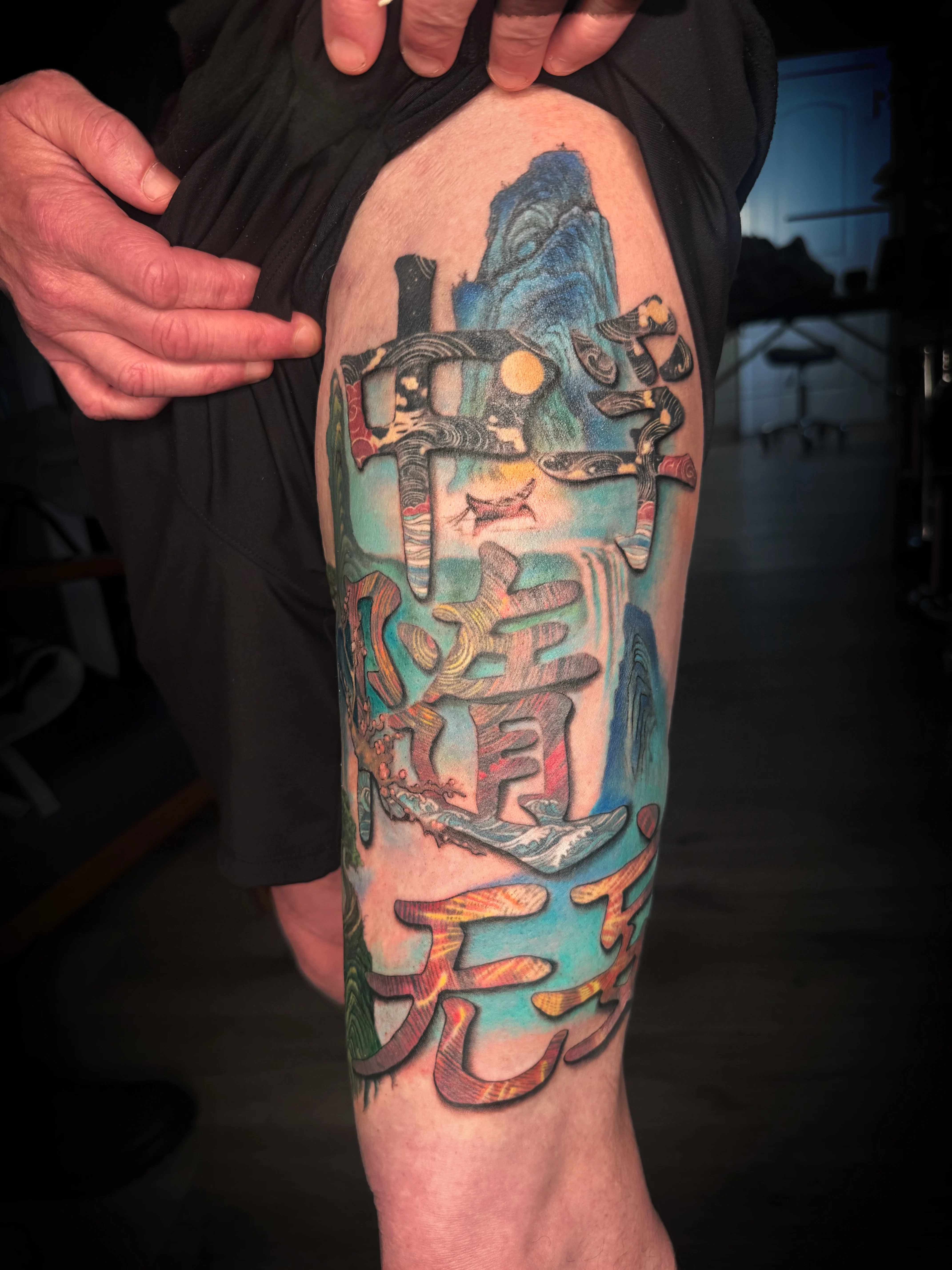
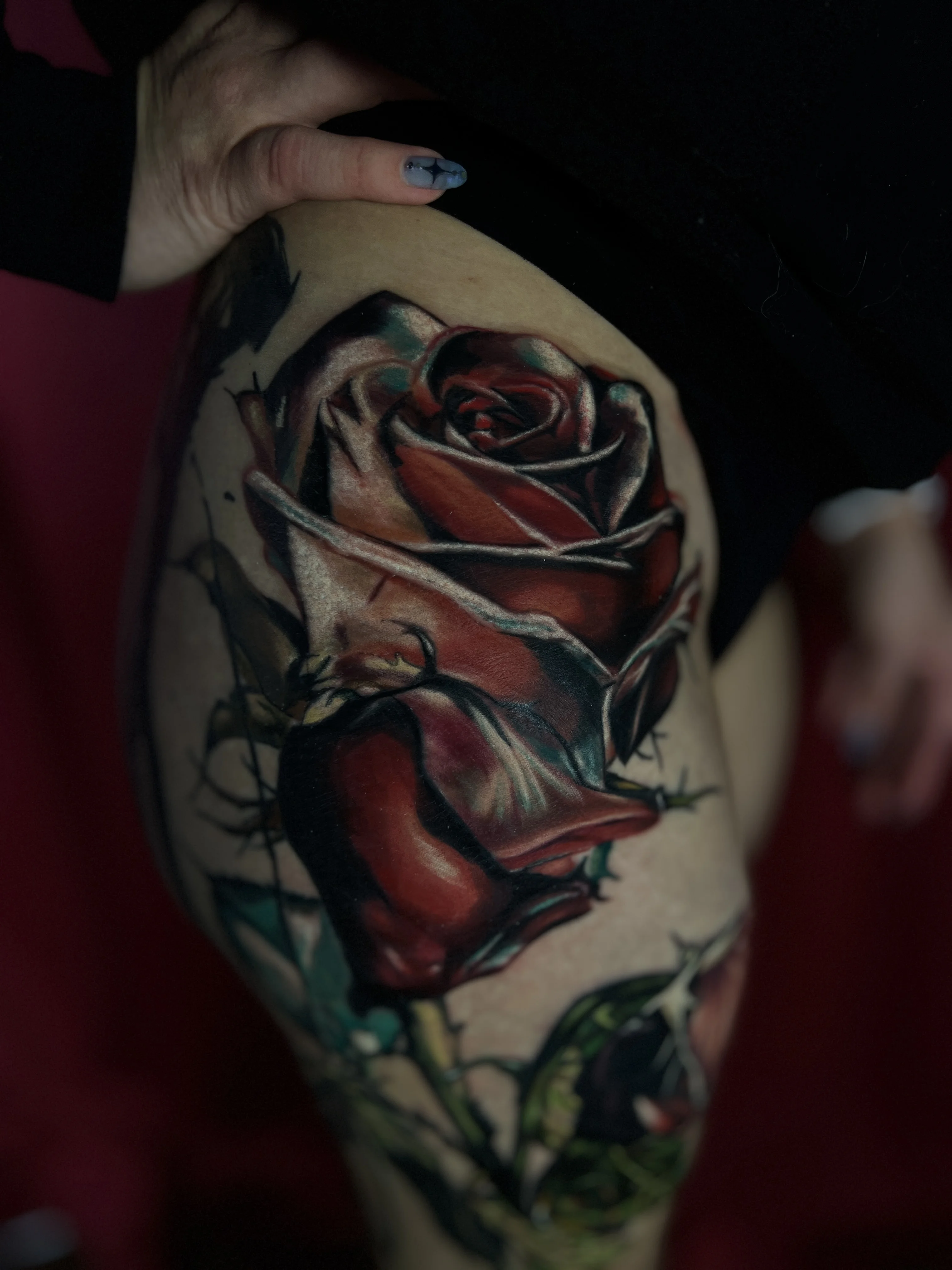
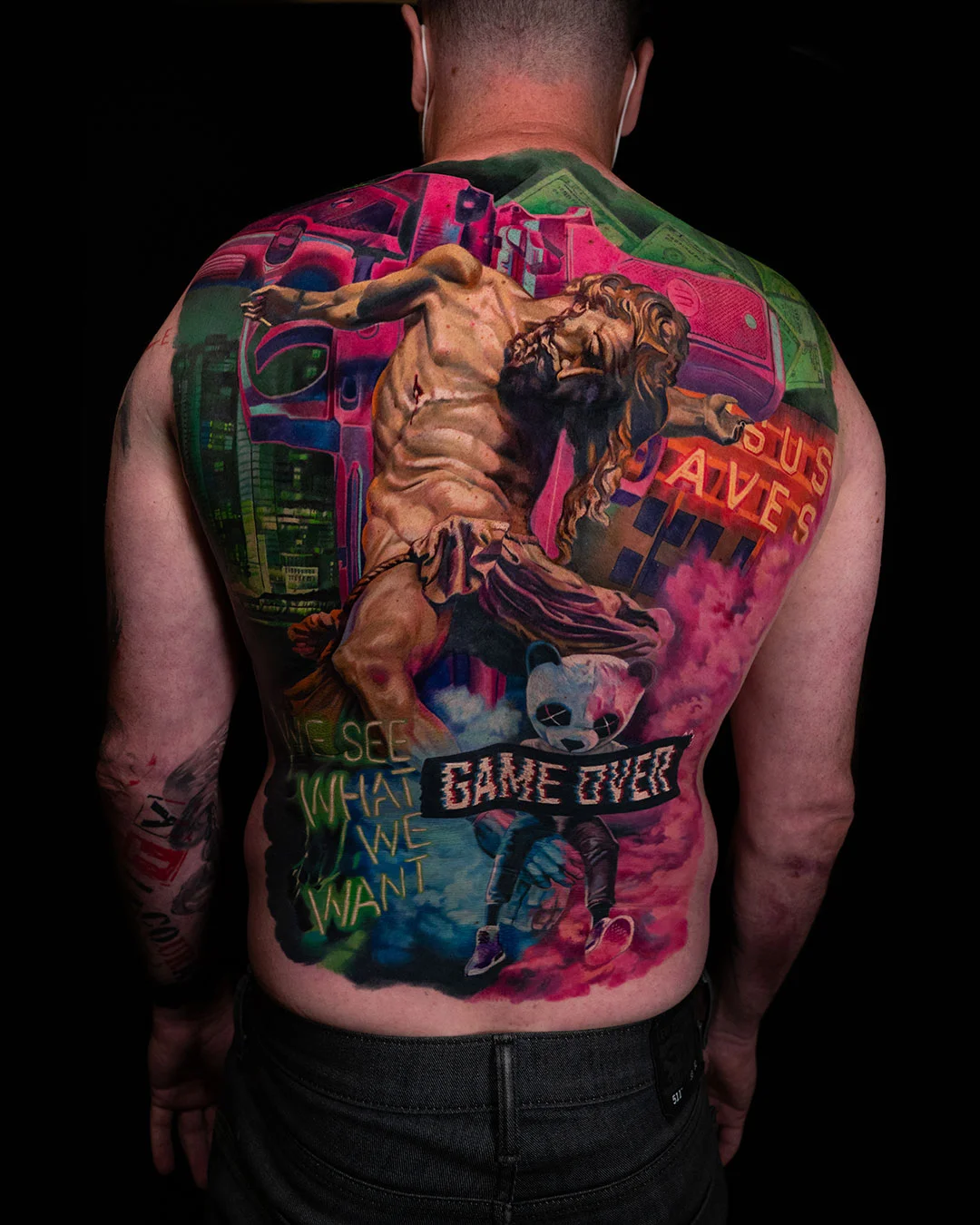
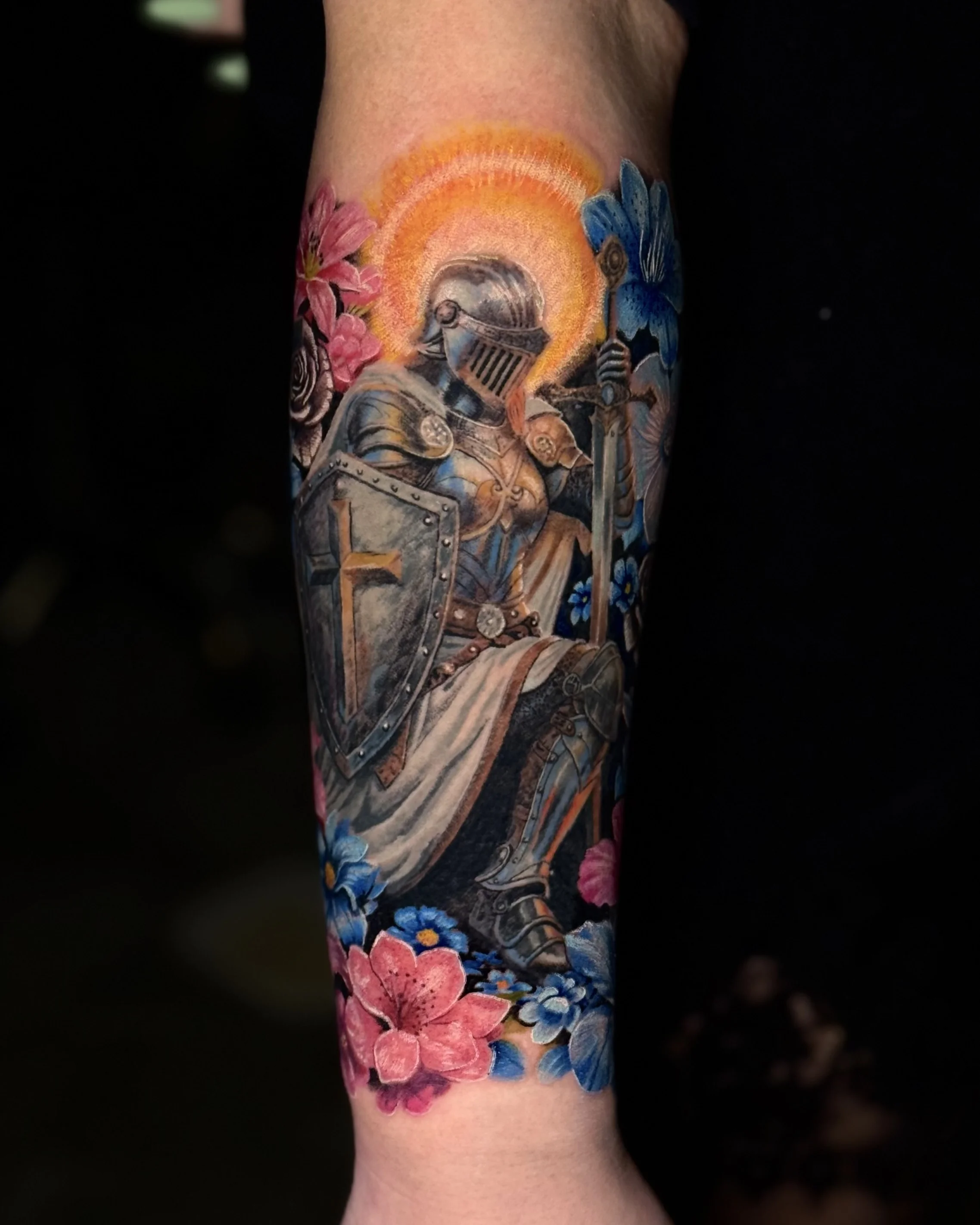
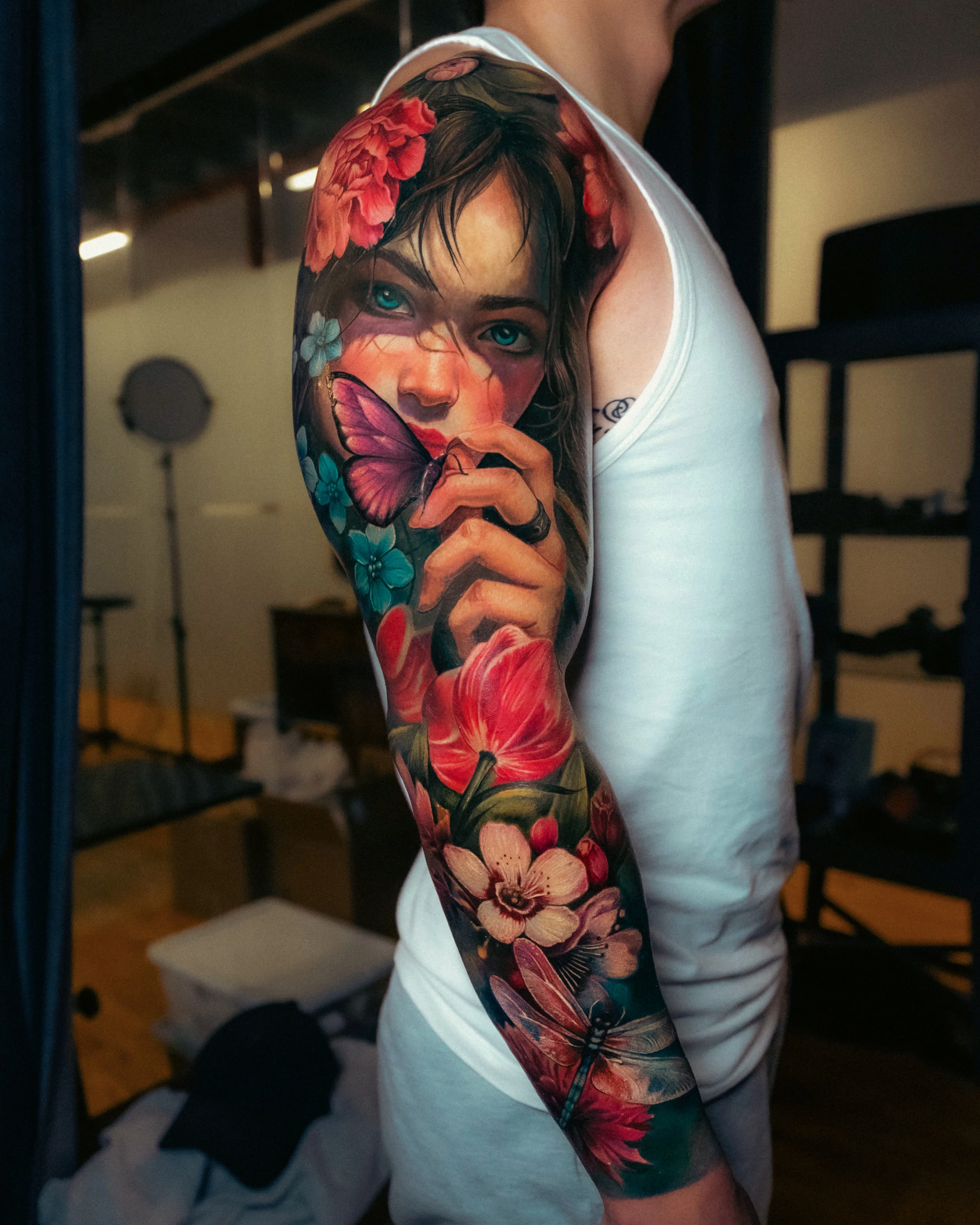
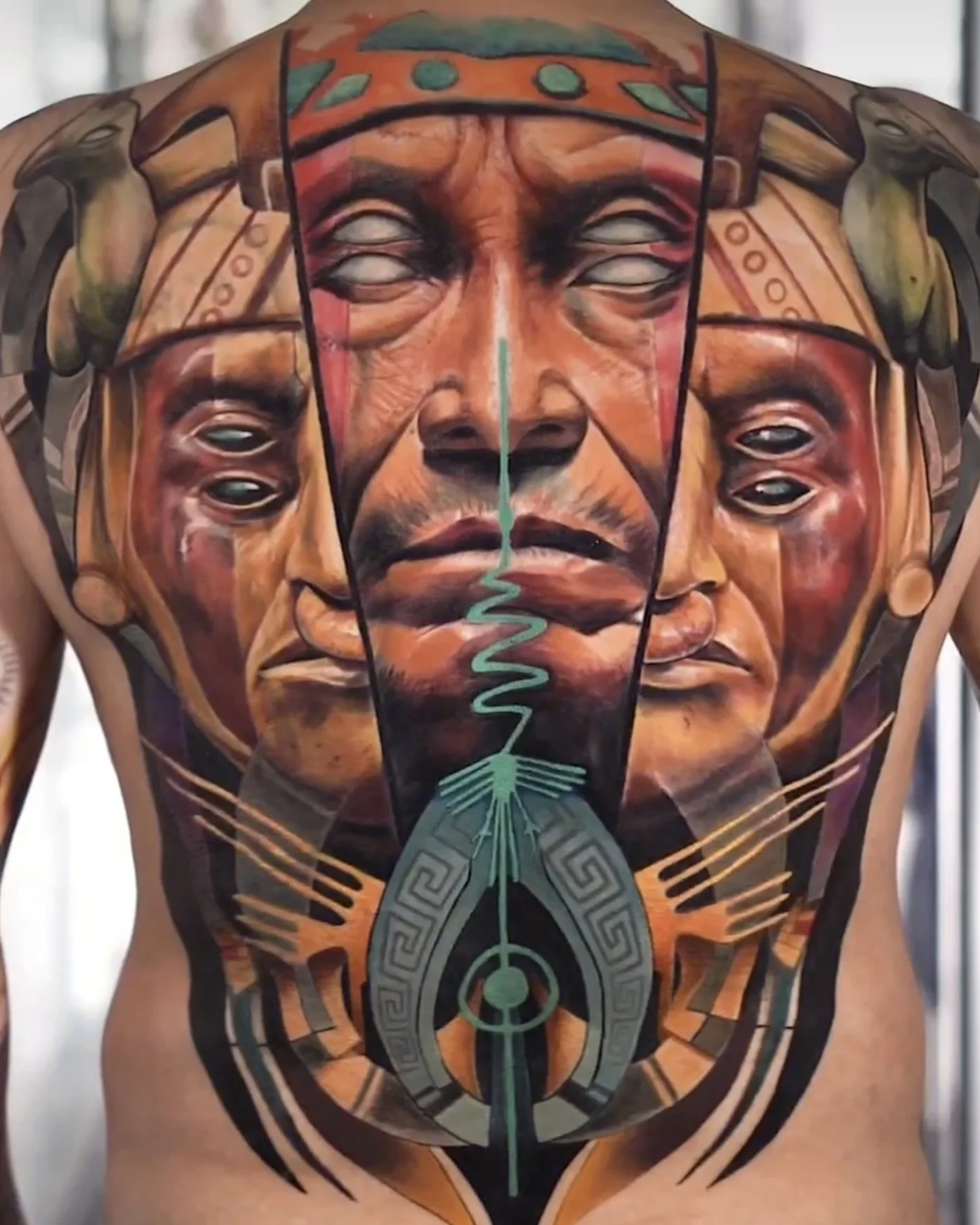
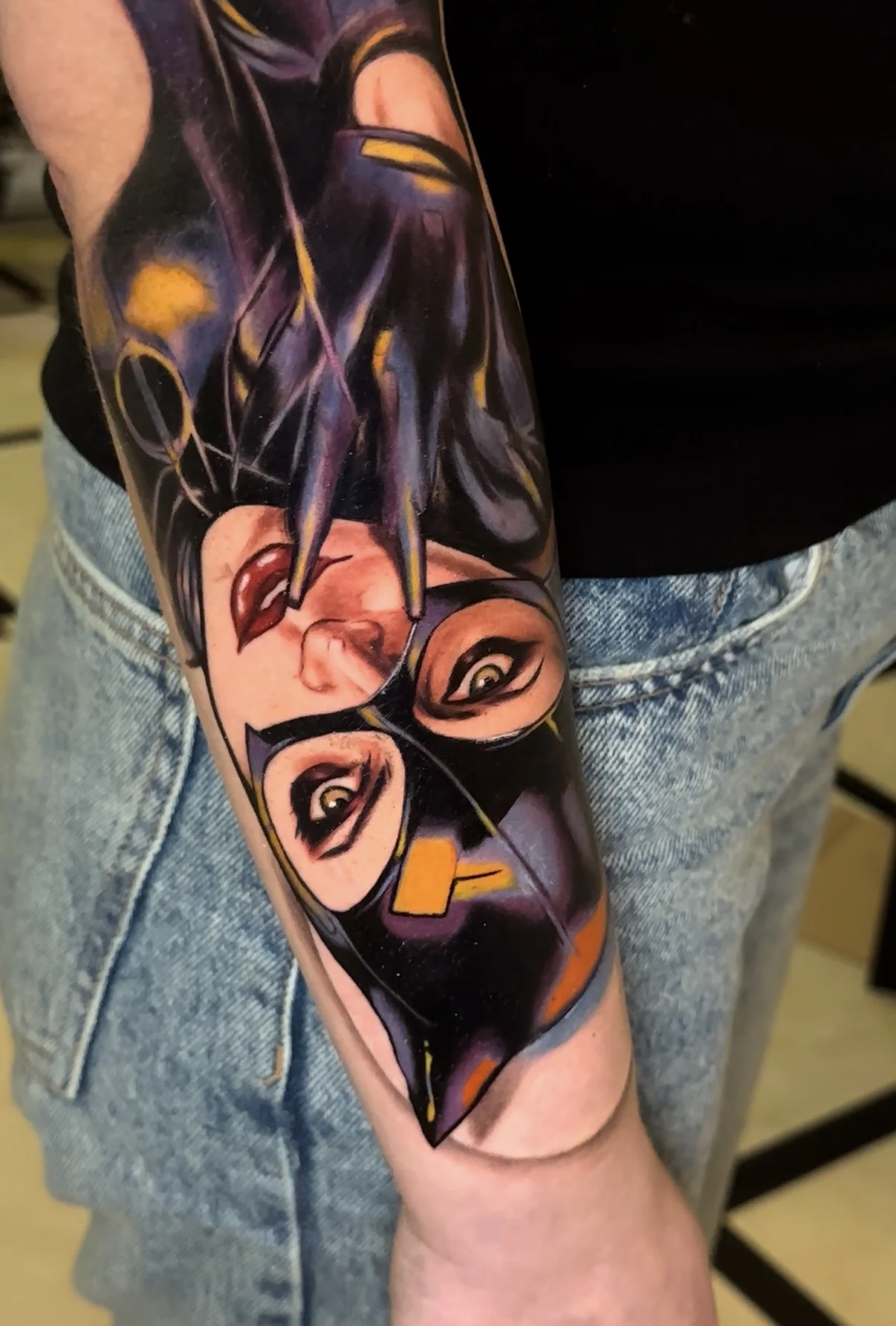
Color realism is defined by blending. Instead of flat fills inside outlines, the artist layers and saturates color until it shifts smoothly from one tone to the next, the way it does in a photograph. Strong pieces have a clear light source, deep shadows that still carry color, and highlights that pop against them. The best work feels vivid without looking cartoonish.
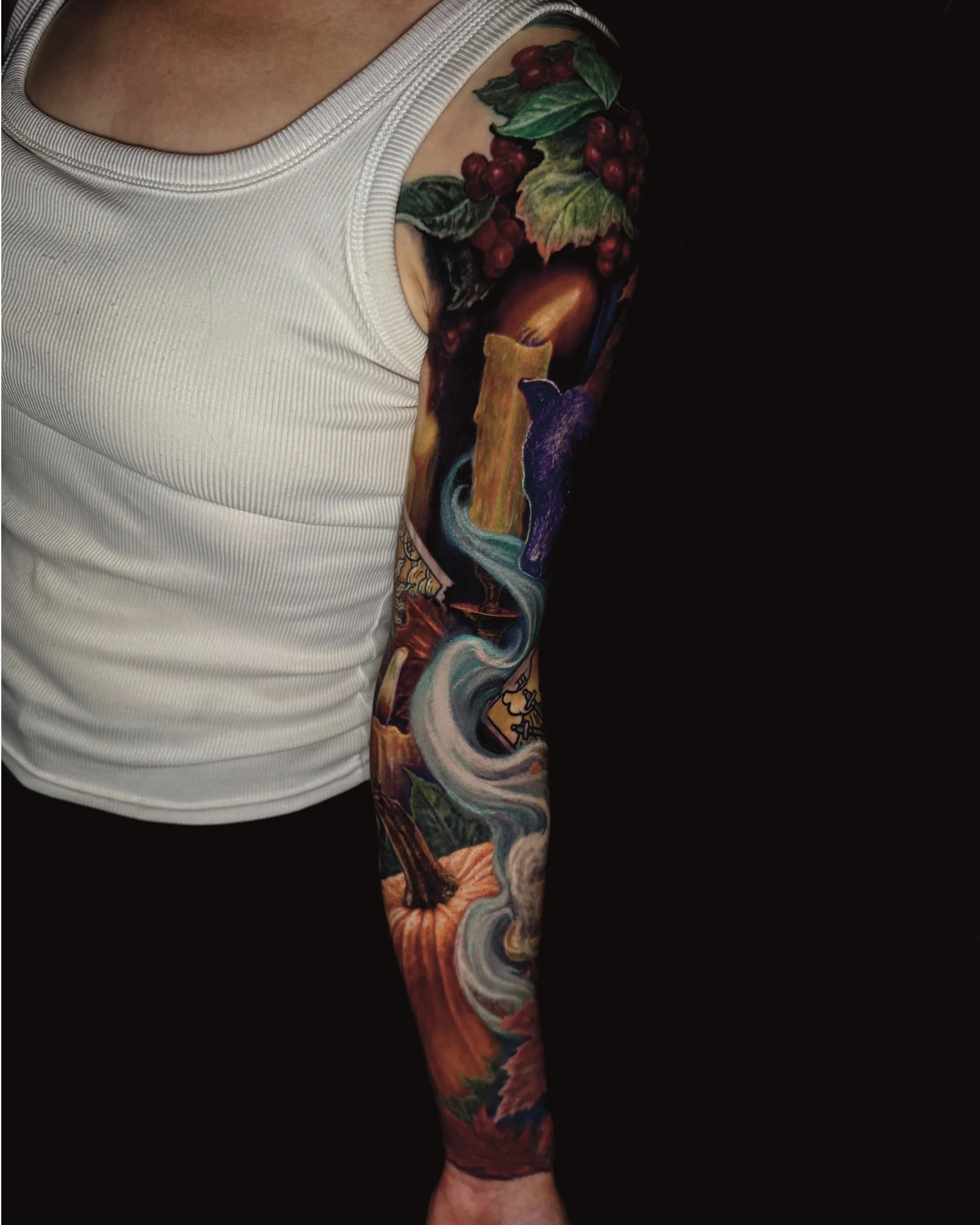
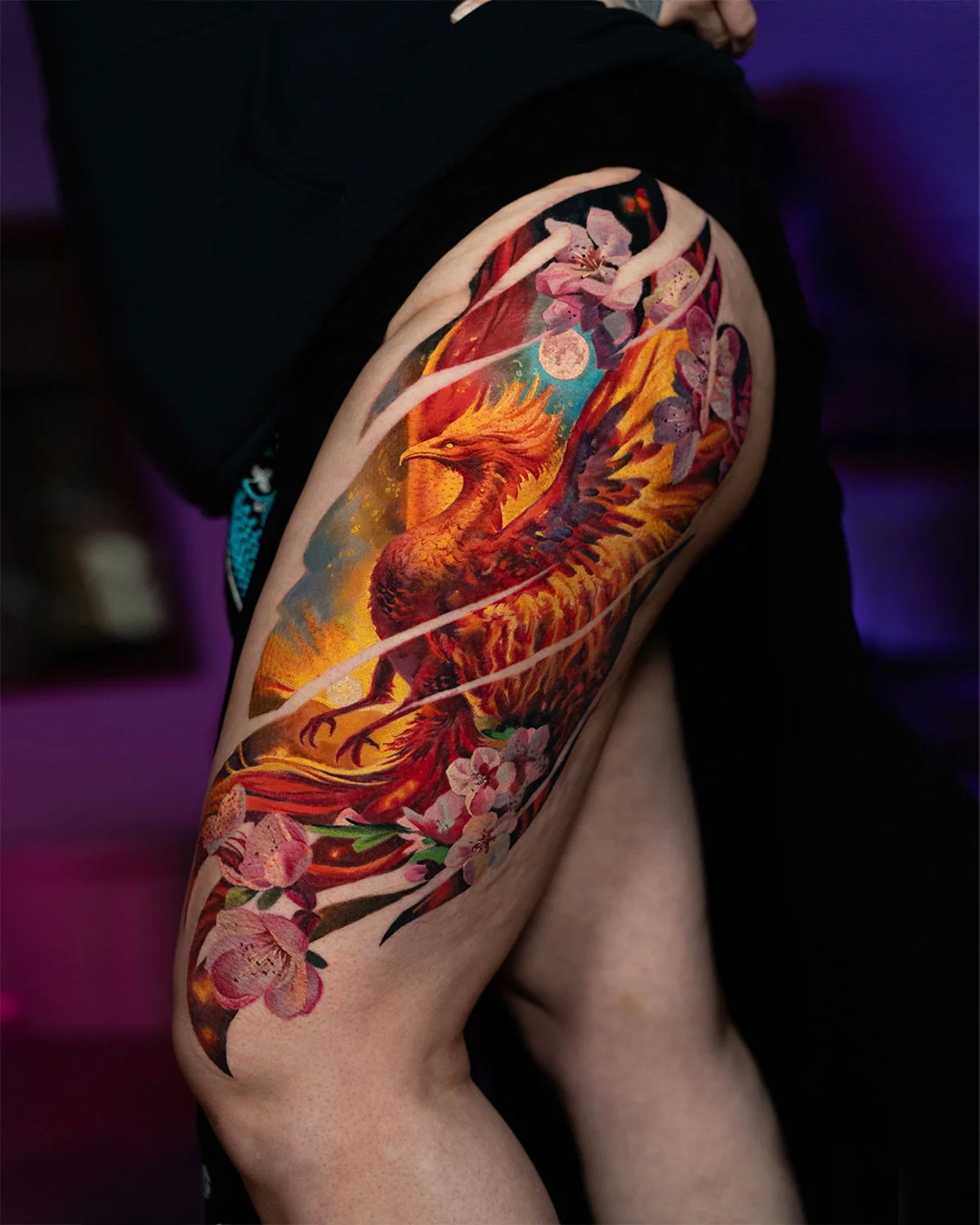
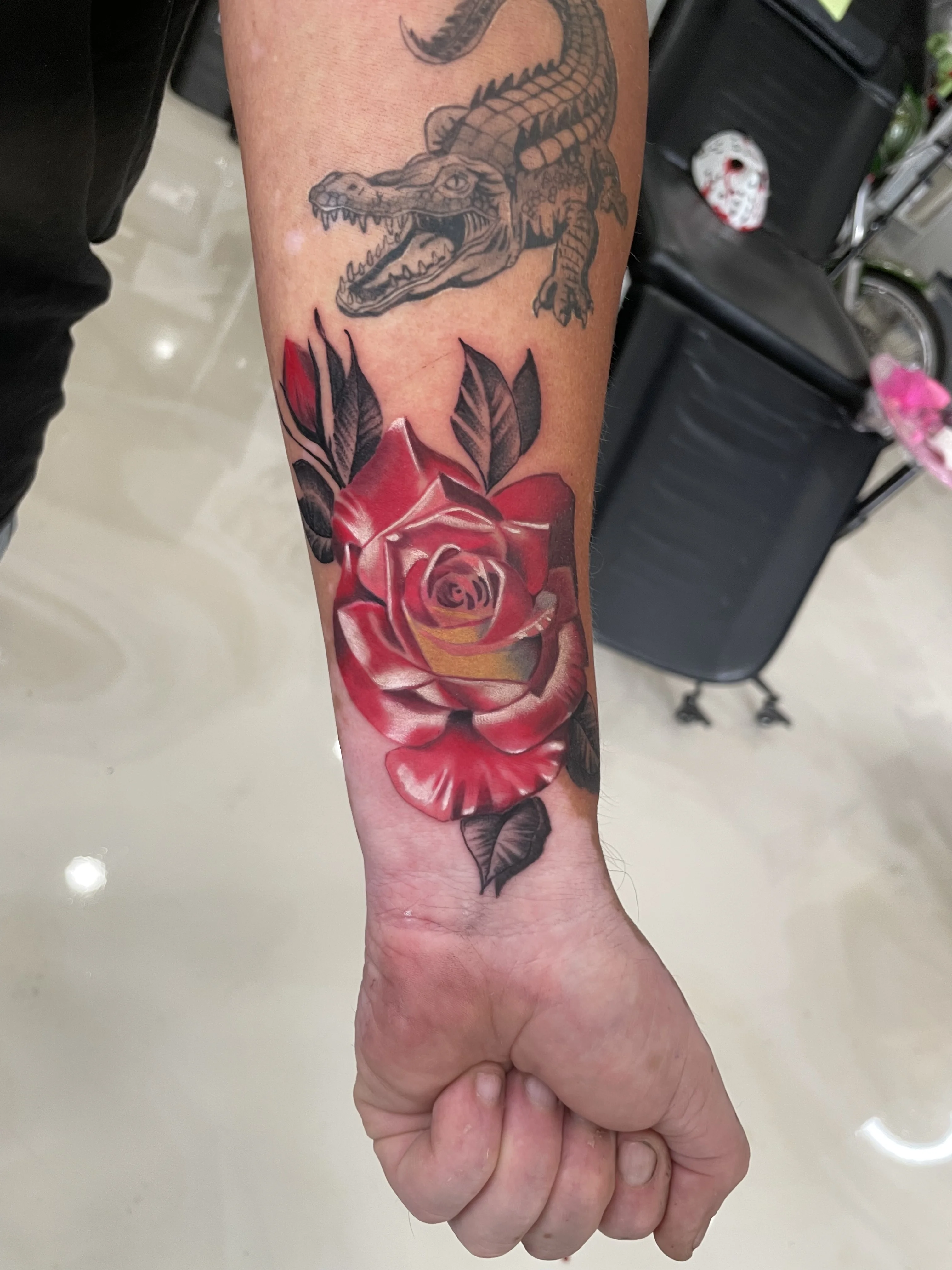
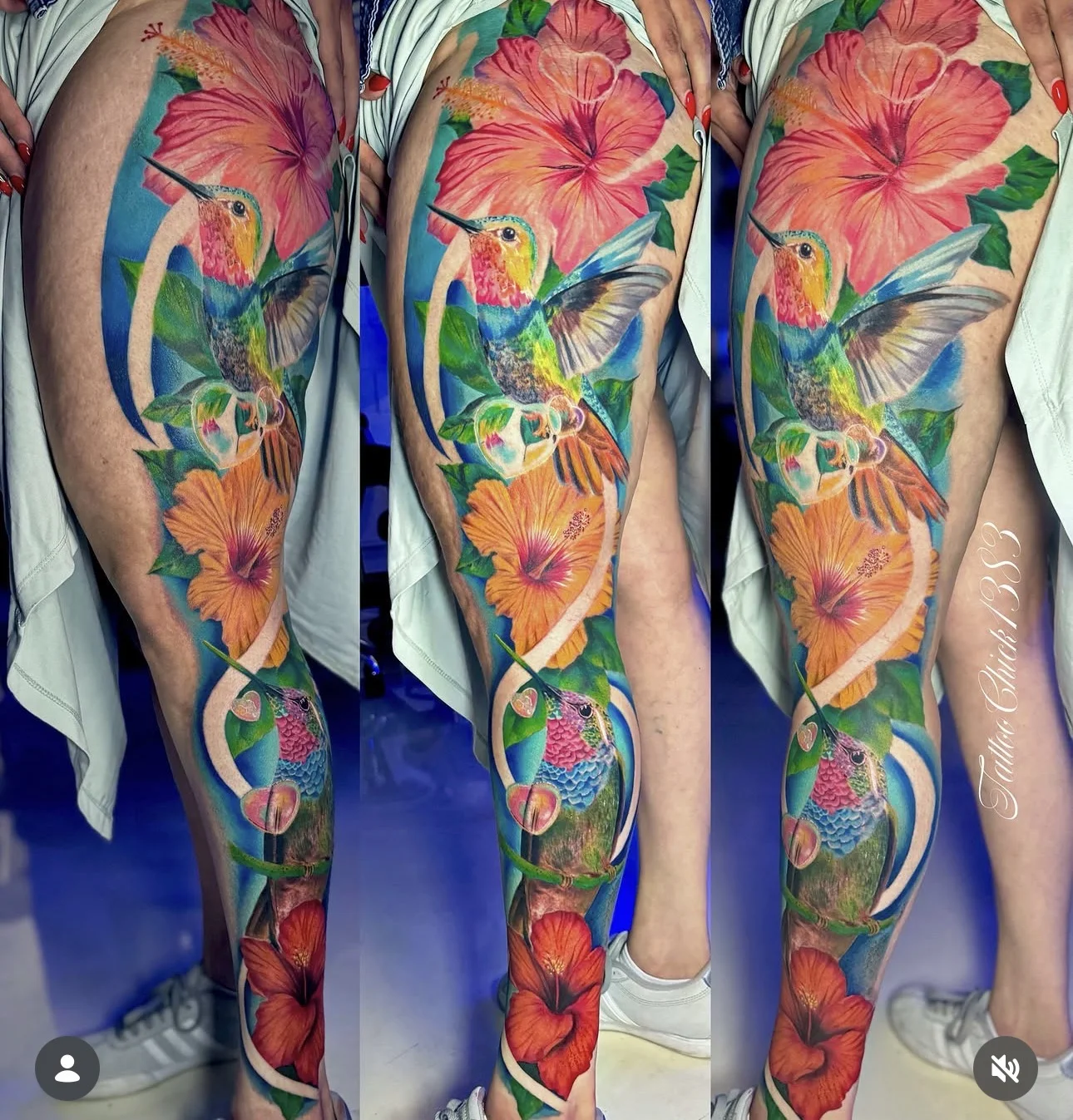
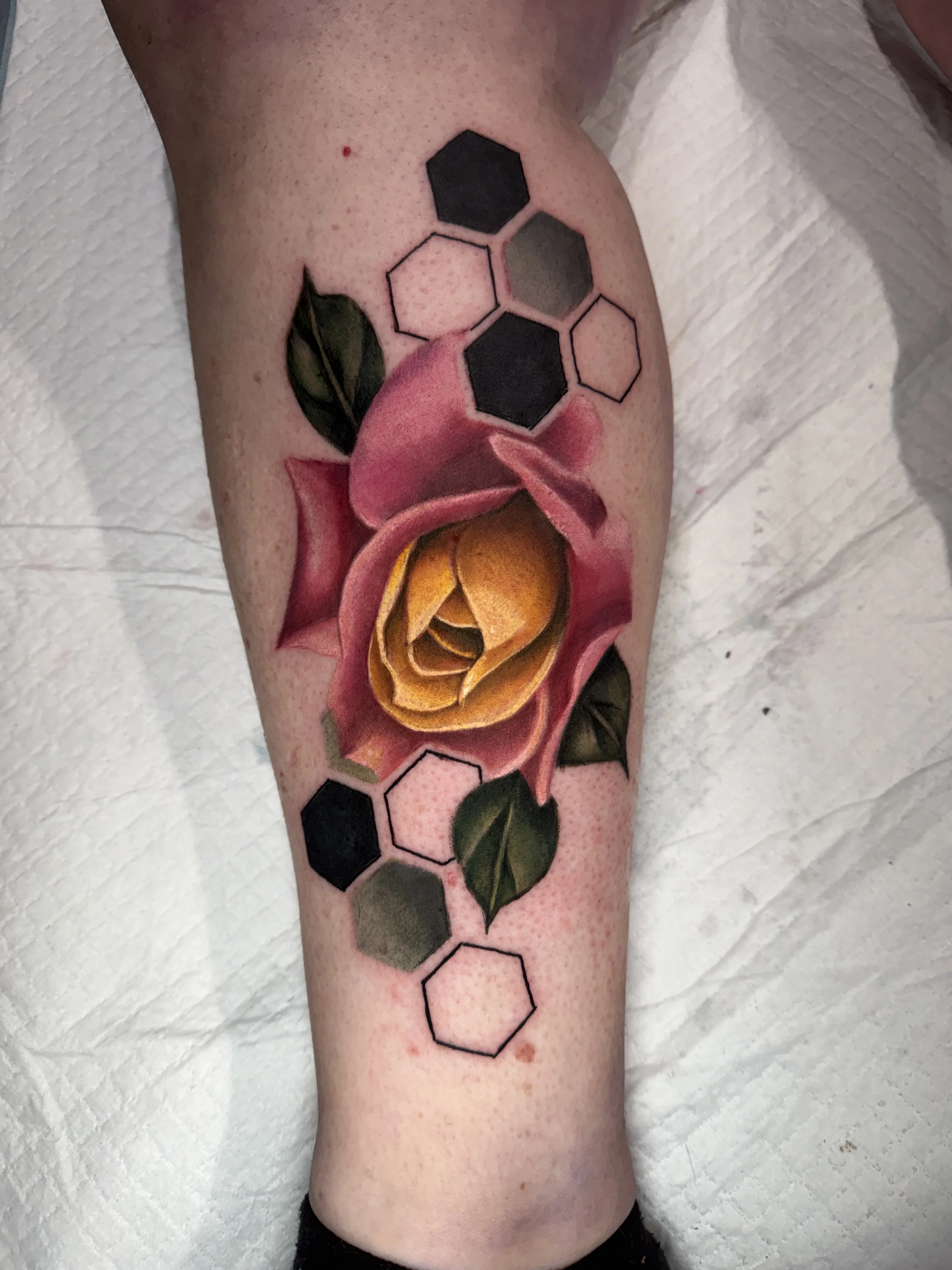
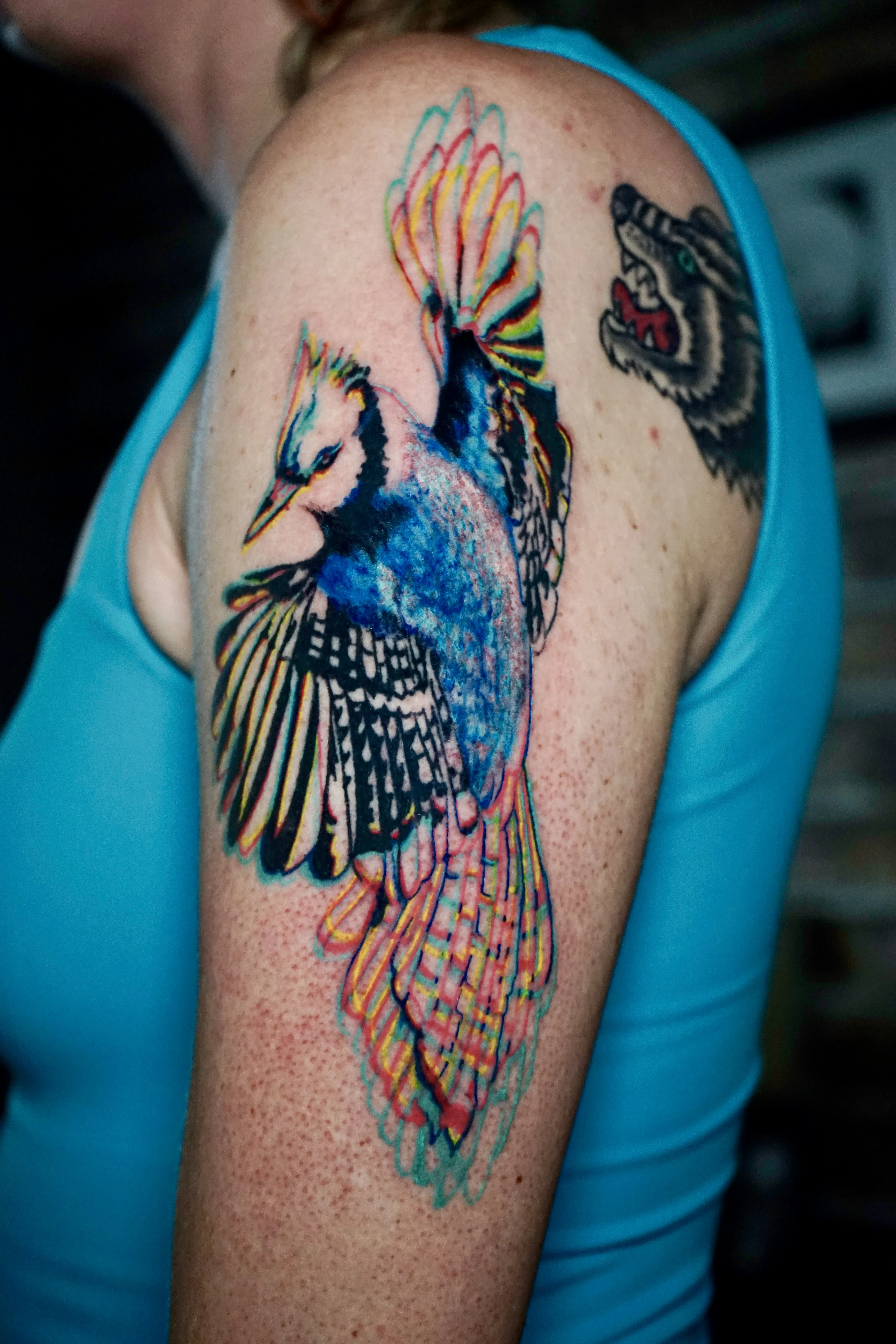
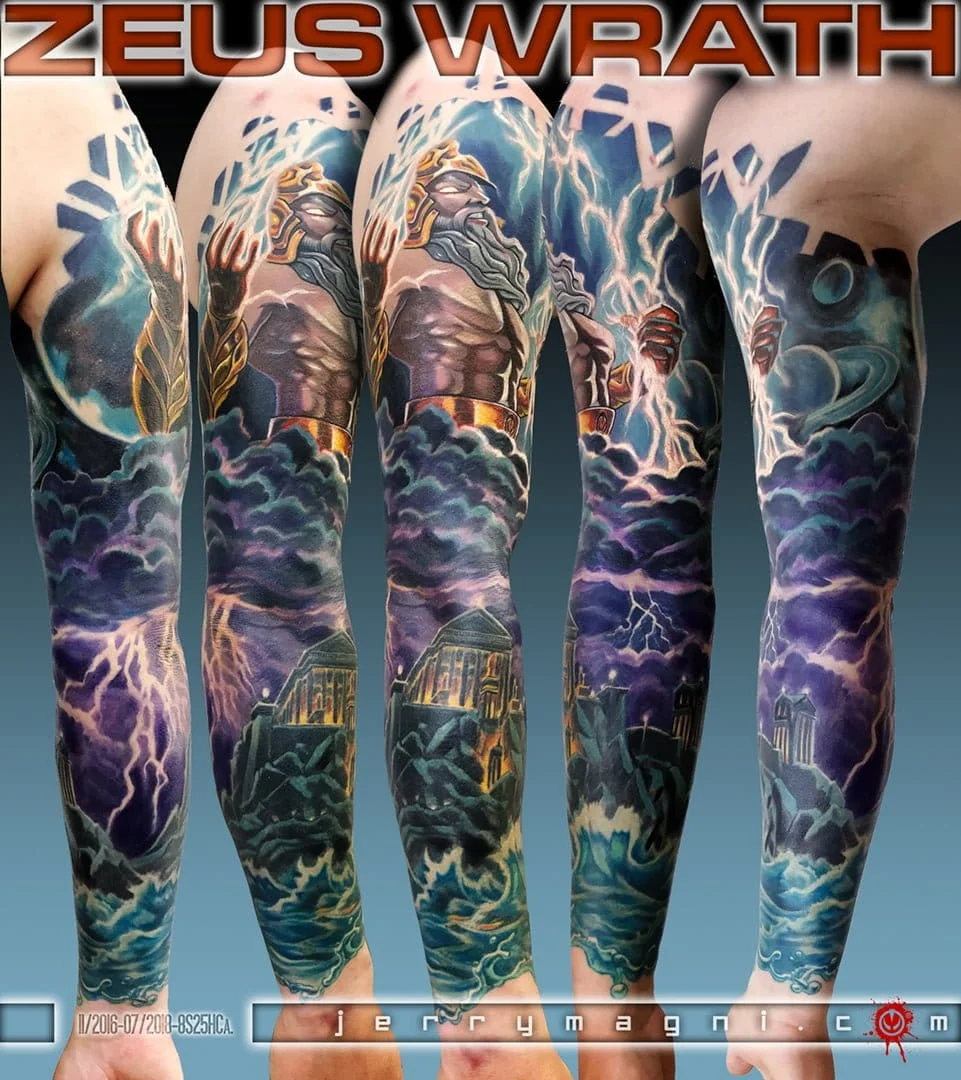
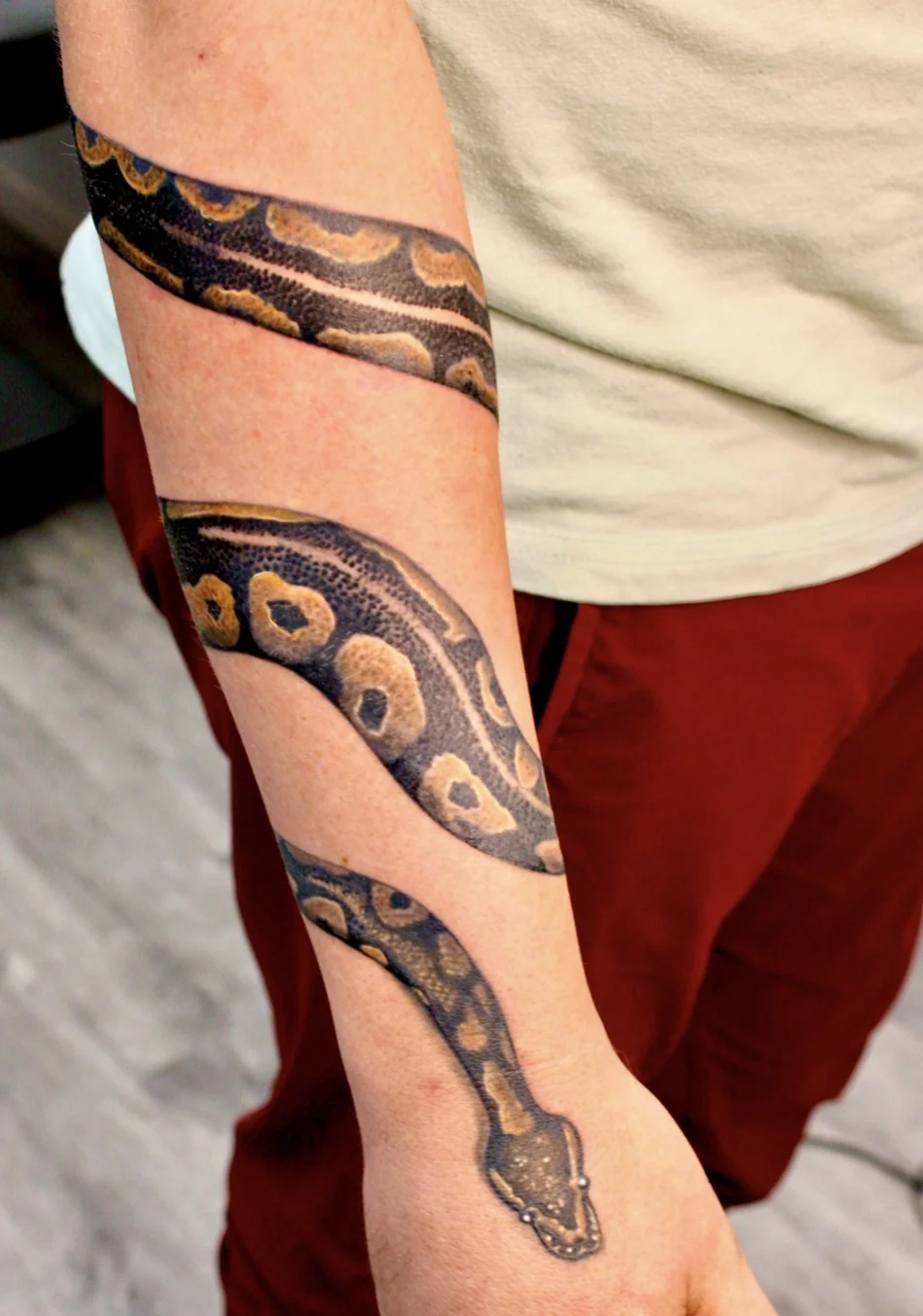
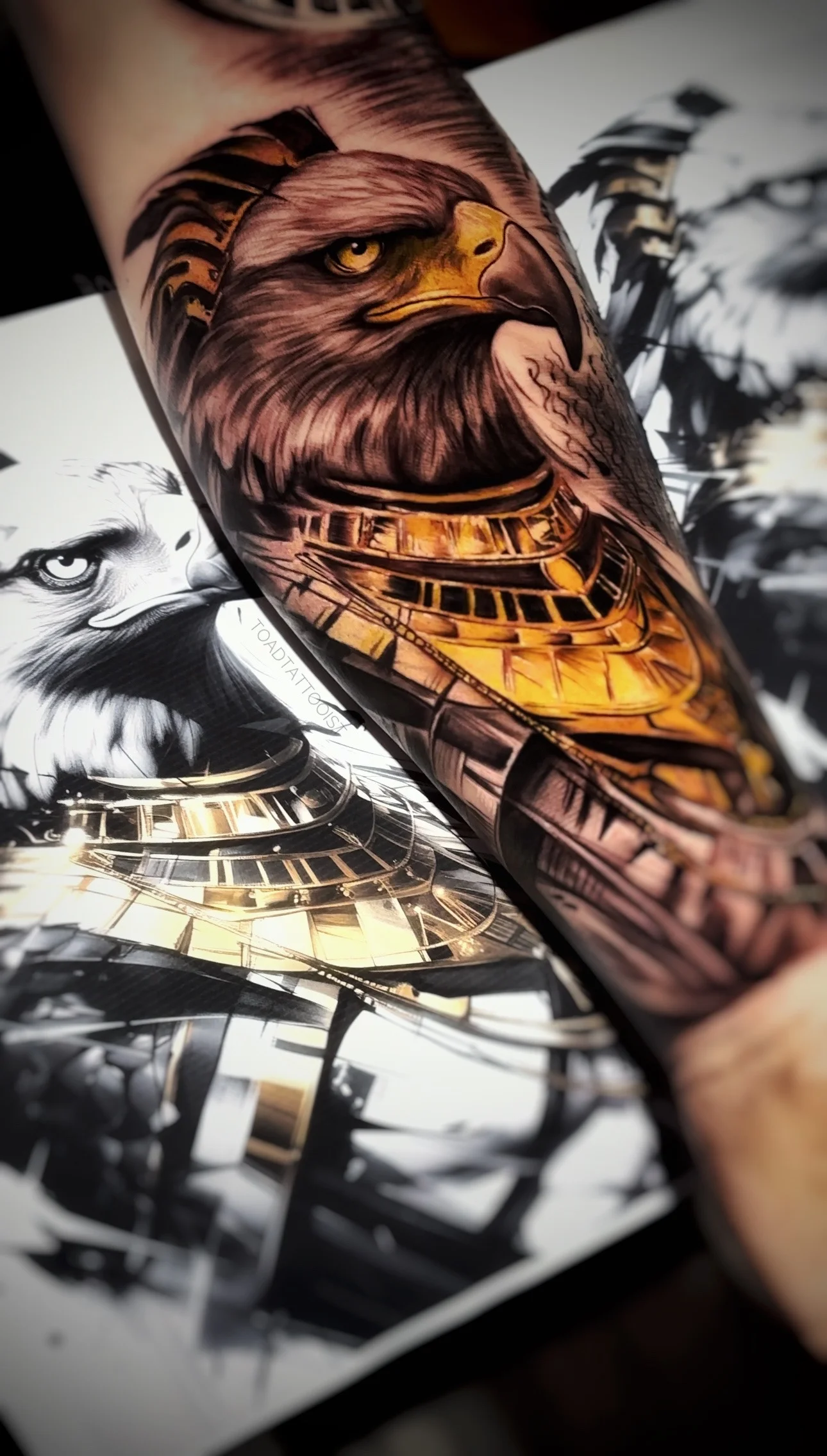
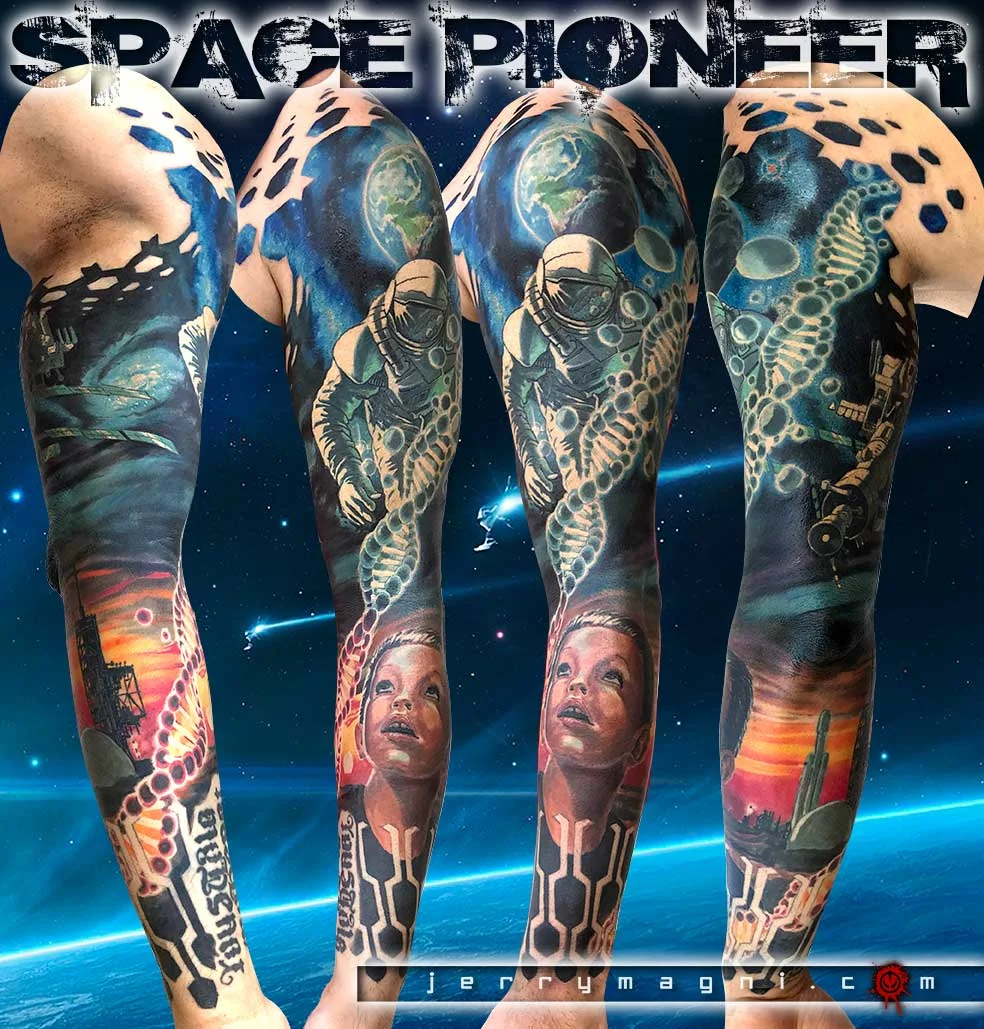
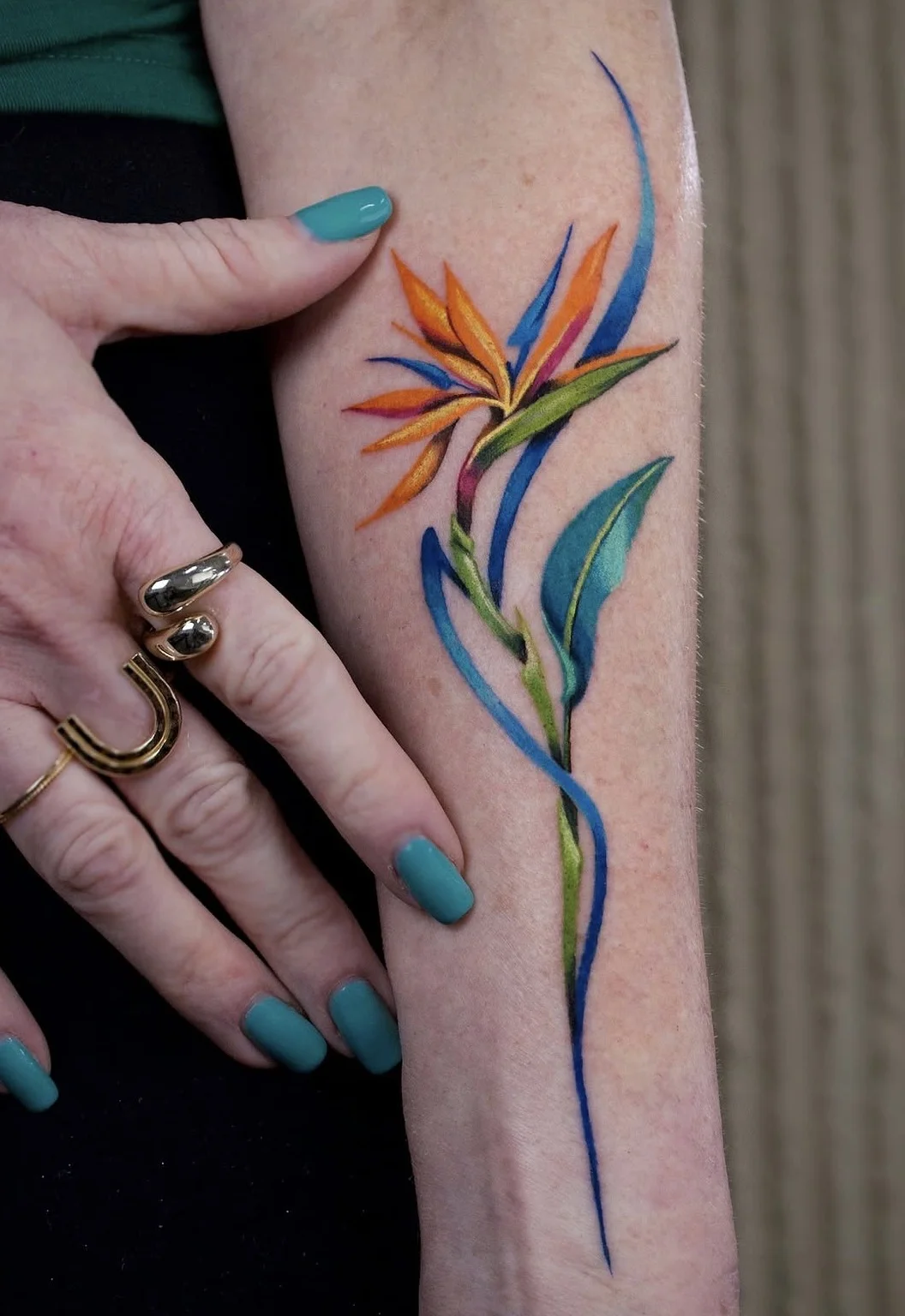
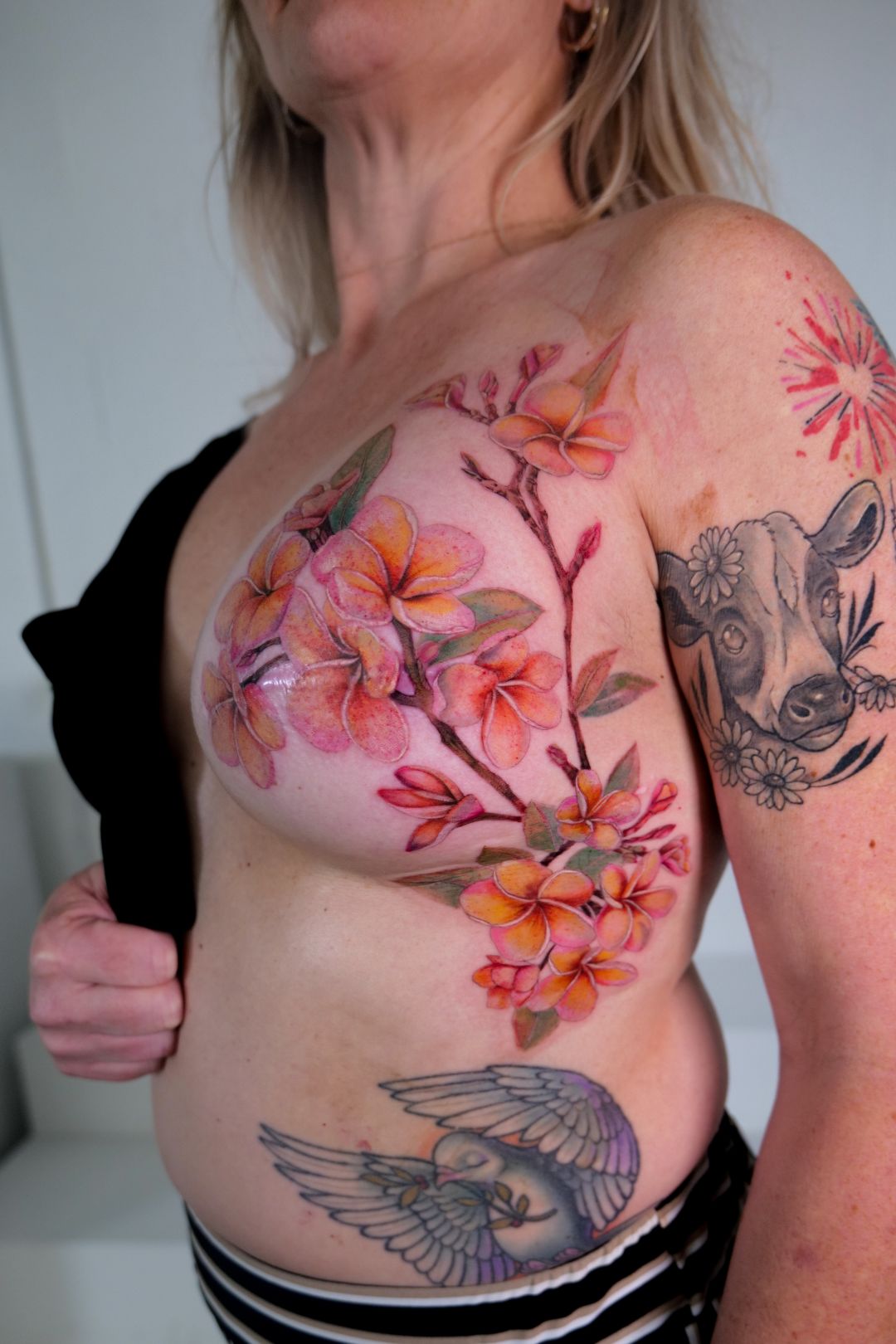
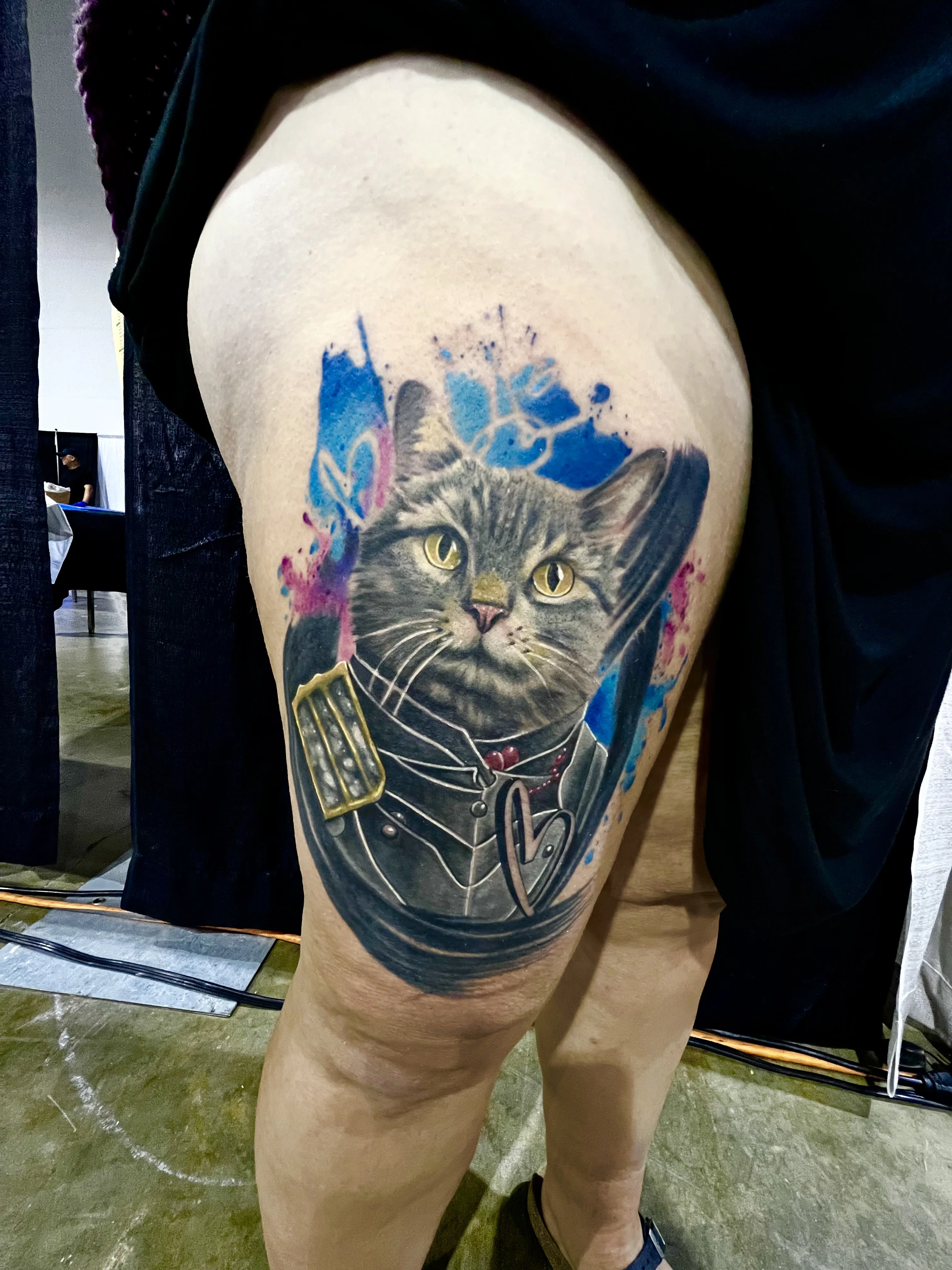
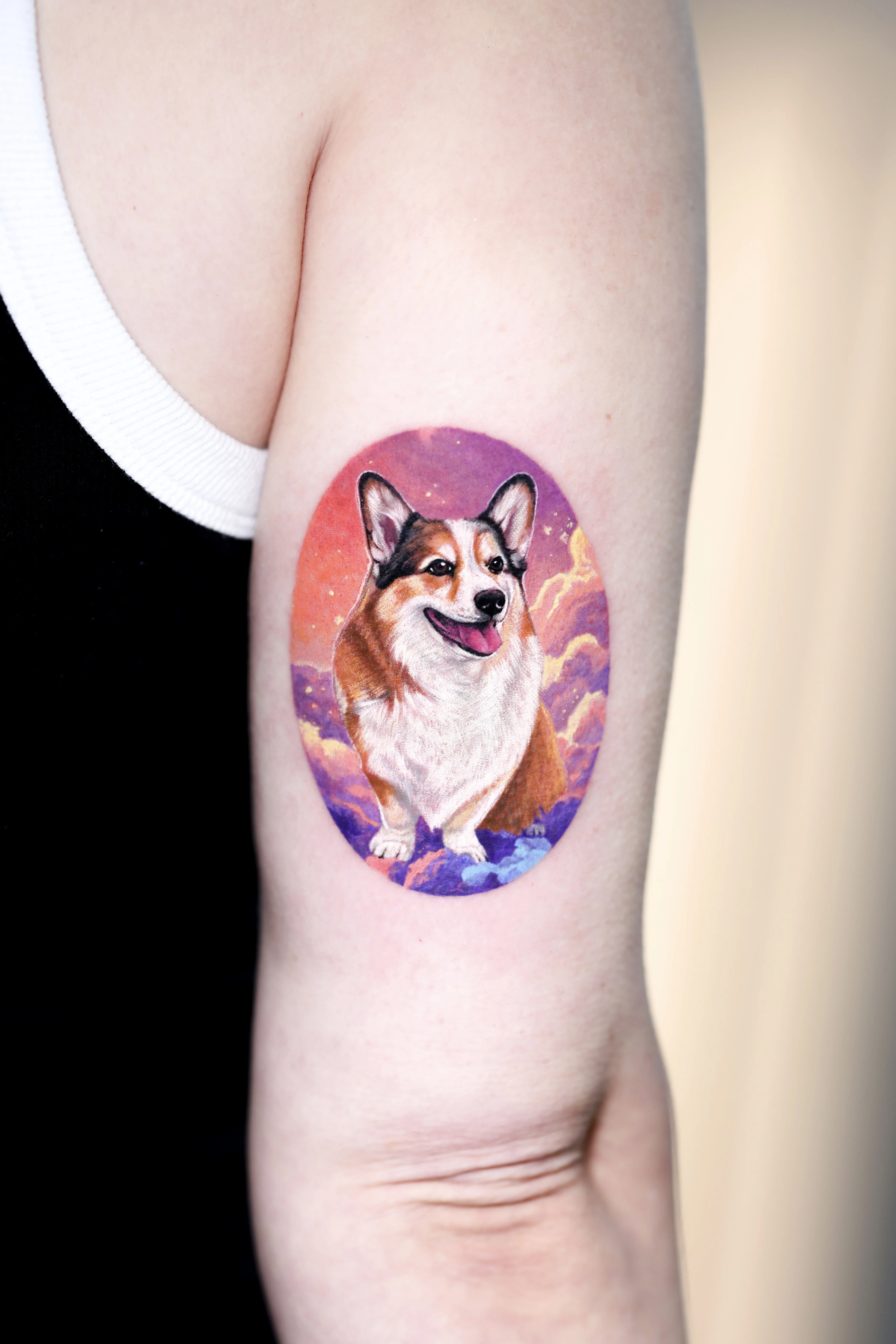
Common subjects in the color realism work on Freshly Inked include animals, nature scenes, flowers, portraits, and bold, vibrant compositions built around reds, blues, greens, and oranges. Sleeves and forearm pieces are especially common.
How to spot a strong color realism tattoo artist
The technical demands are heavier than black and gray. Color shifts as it heals and ages, sun fades certain pigments faster than others, and skin acts as a translucent underlayer that changes how every color settles. An artist working in color realism has to think about chemistry as much as composition.
When you look through a portfolio, look for color choices that account for skin tone and saturation that stays smooth rather than patchy. Most of all, ask to see healed photos from a few years out. The artists doing the most respected color work can show pieces that still read clean long after the fresh photos were taken, and that's the clearest sign the technique holds up.
Best placements for a color realism tattoo
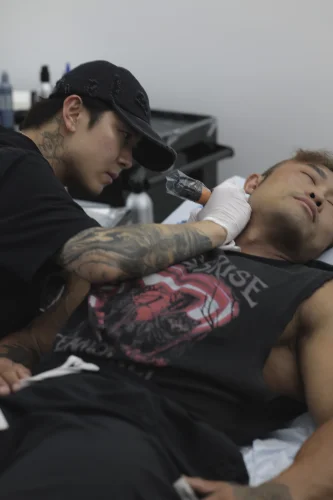
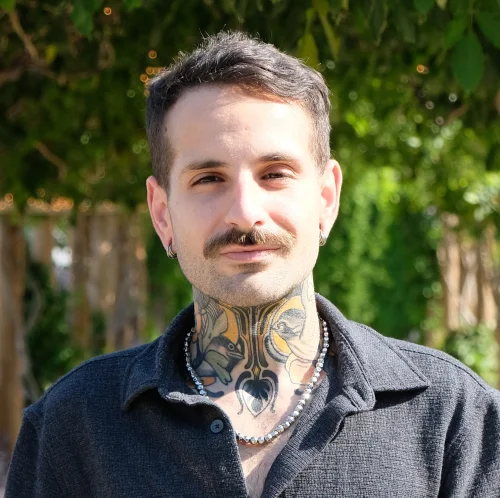
Placement matters more than with most styles. Color realism benefits from larger canvases such as full panels, half sleeves, full sleeves, and thigh pieces, where the artist can layer values without compressing detail. Forearms and calves also work well, anywhere the skin is relatively even-toned and sees less friction. Neck pieces are a popular request, and a good artist will talk honestly with you about how size and sun exposure affect color in more visible spots.
A good consultation for color realism usually covers your skin tone, how much sun the placement gets, and which colors in your reference will translate well. Some colors that look striking on a screen sit differently over certain skin tones, and an experienced artist will suggest adjustments so the finished piece reads the way you're picturing it on your own skin rather than on a monitor.
How color realism tattoos age
Color realism needs a little more care over time than black and gray. Sun exposure is the biggest factor, since some pigments fade faster than others, so sunscreen on healed work makes a real difference. Pieces with strong contrast and enough size for their detail hold up best. Many collectors plan for a touch-up session down the line to refresh saturation, and it's worth asking your artist how they approach that before you start.
What affects the price and time
Color realism is almost always custom, and the price usually reflects design time plus hours in the chair. Size, the number of colors and subjects, the level of detail, and the artist's experience all move the number. Color work often takes longer than the same piece in black and gray because of the layering involved, and large projects are typically spread across several sessions. Most artists quote after a consultation and take a deposit to hold your spot.
Color realism vs. similar styles
Black and gray realism uses the same photoreal technique without color, and it generally ages more predictably. Watercolor uses color more loosely, with soft washes and painterly edges instead of photographic detail. Neo-traditional uses rich color too, but with bold outlines and an illustrated look. If you want the color to feel like a photograph, color realism is the style to look at.
How to find and book a color realism tattoo artist
Browse the color realism work below and save the pieces that feel closest to the direction you're picturing. On Freshly Inked, color realism artists are working in cities including Los Angeles, New York City, West Hollywood, Anaheim, San Jose, and Tacoma. Open the artist whose work fits, look through their full portfolio, and send a booking inquiry with your idea and a few references. Your request goes straight to the artist, and they take it from there.
Artists



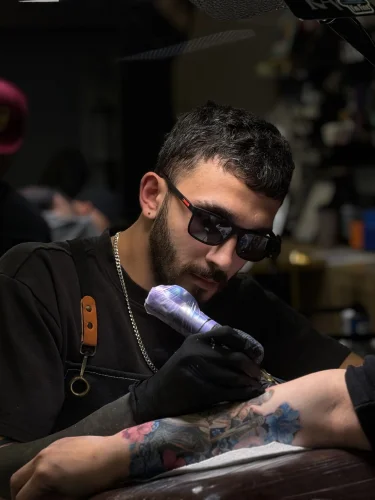
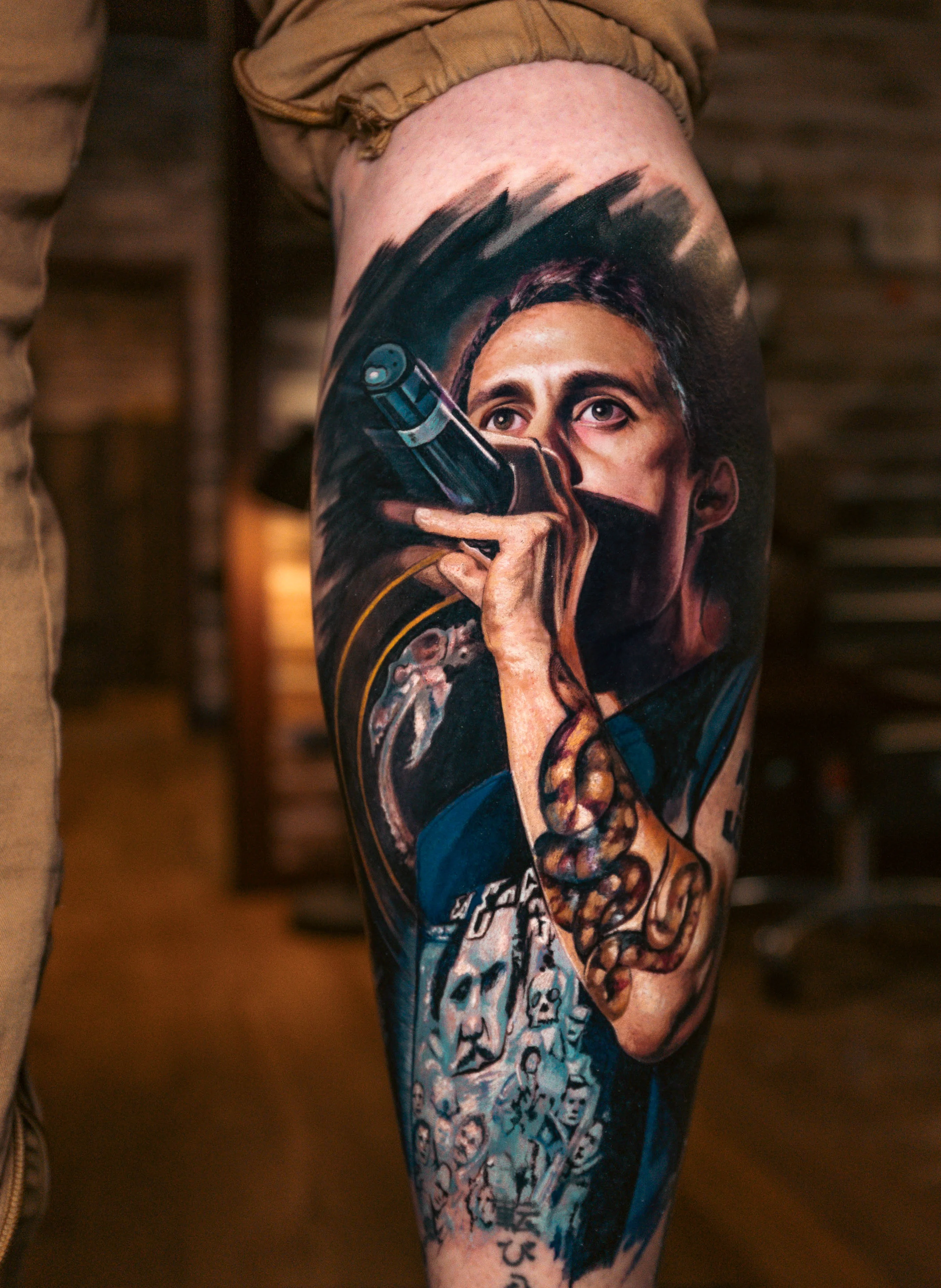
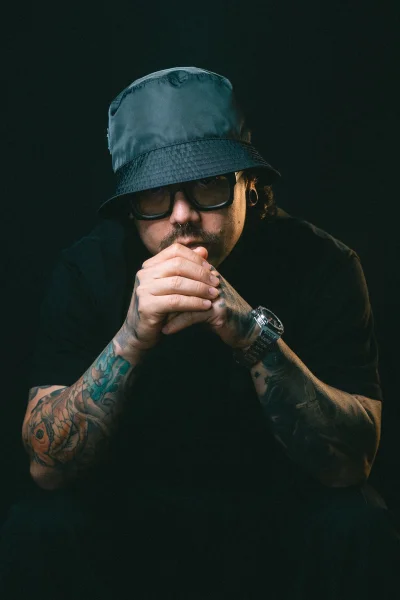
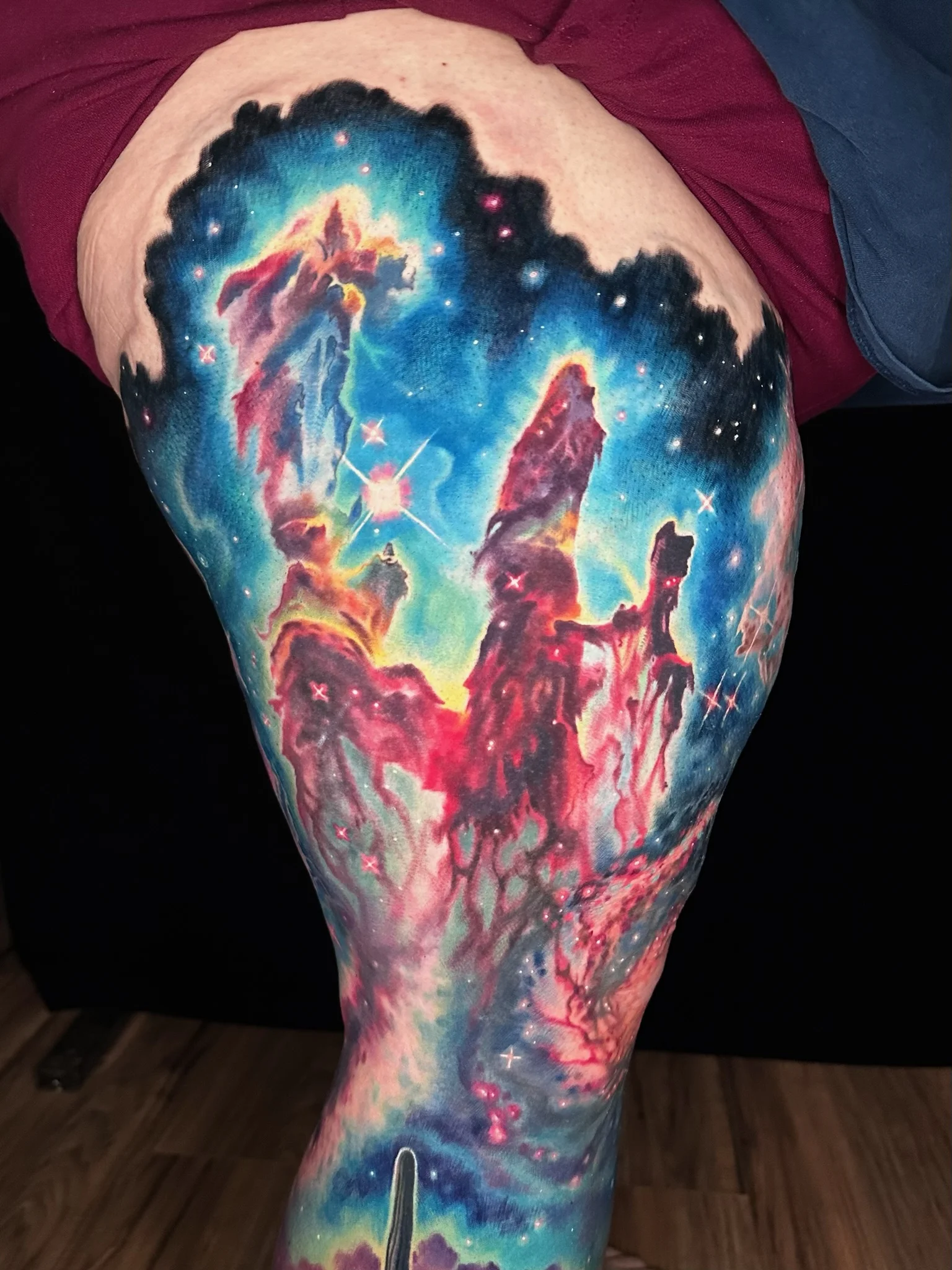





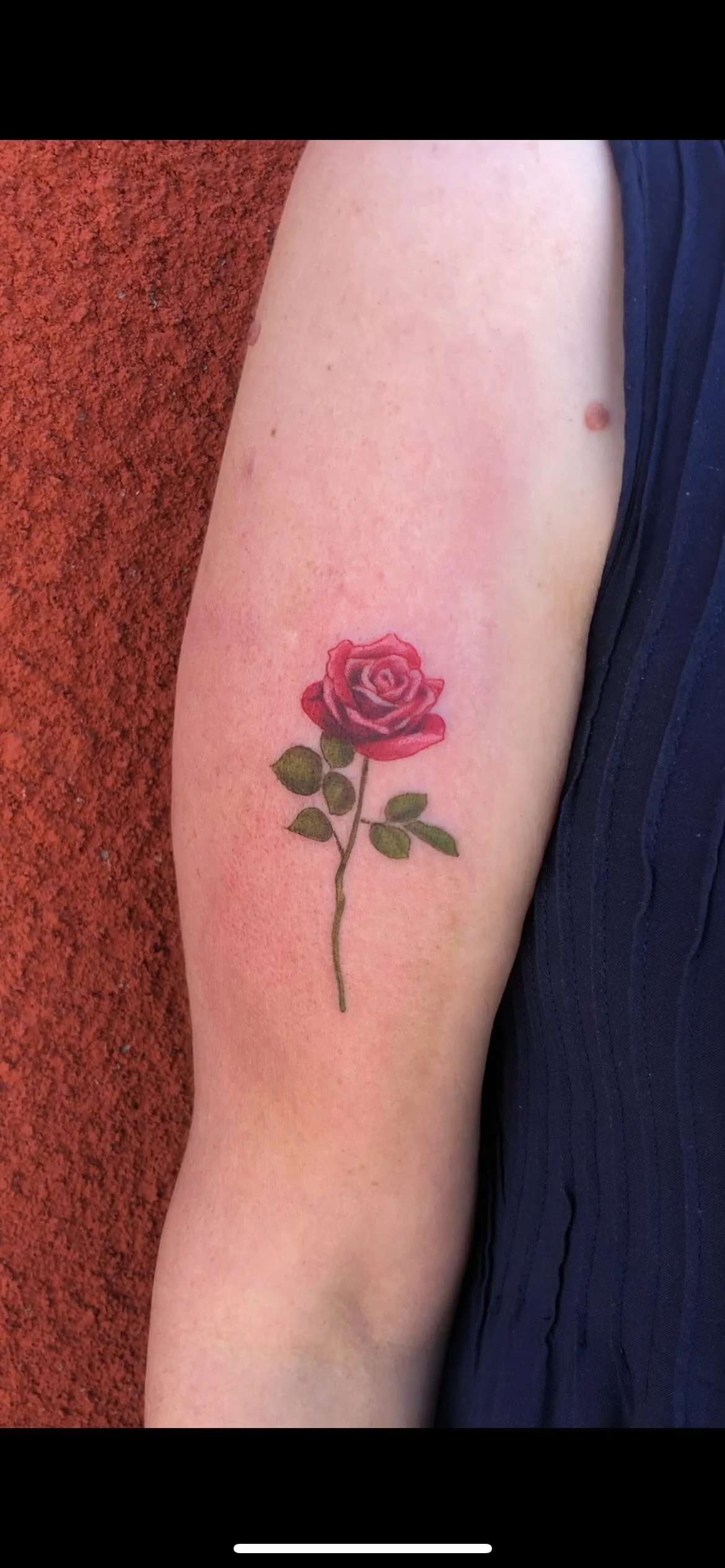
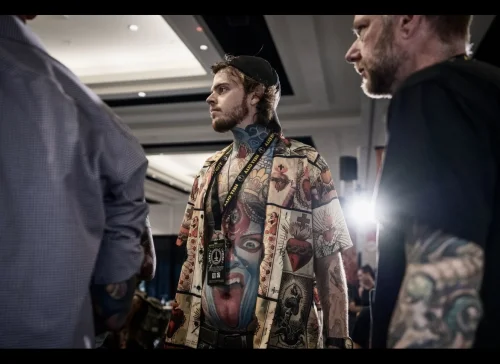
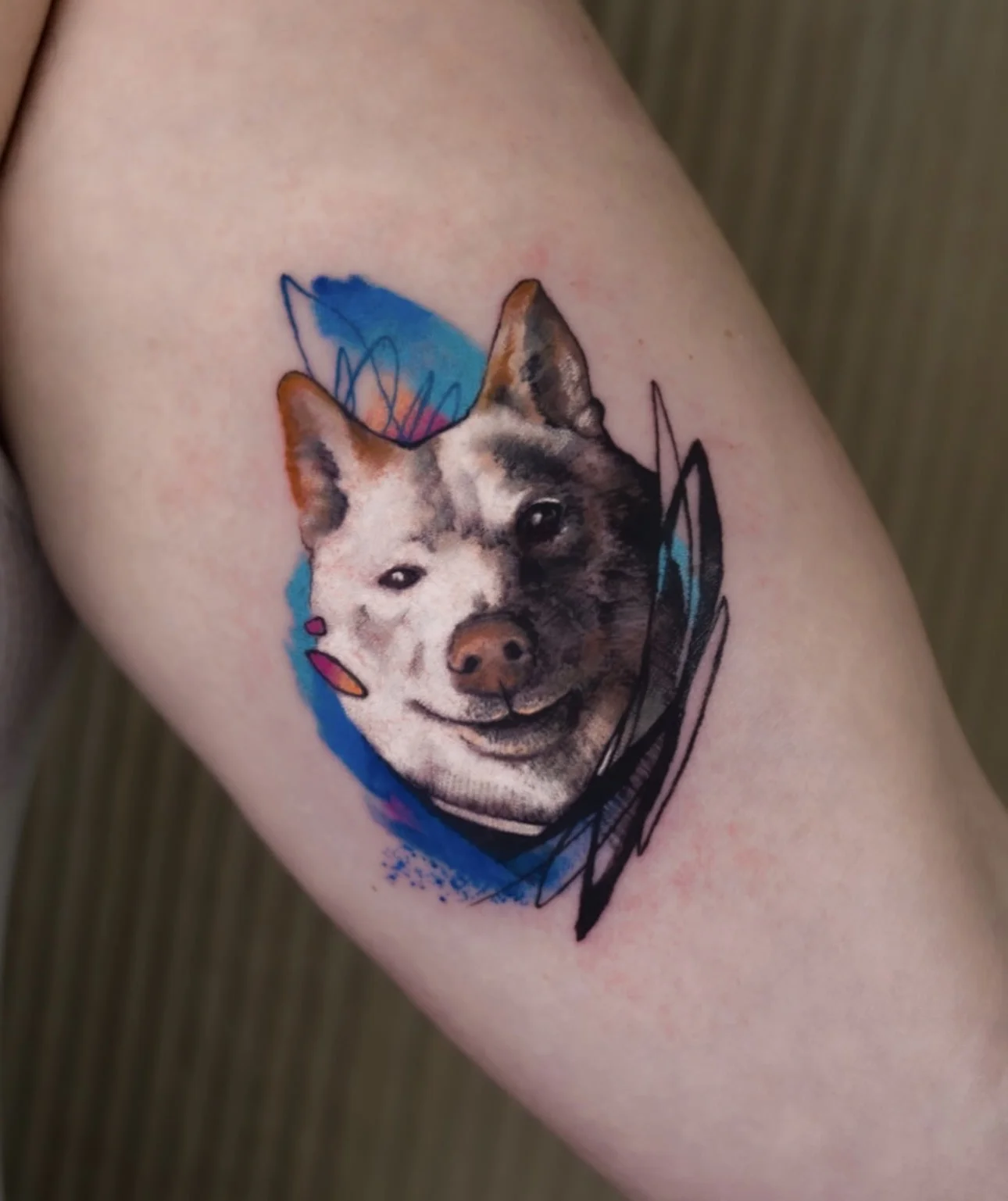
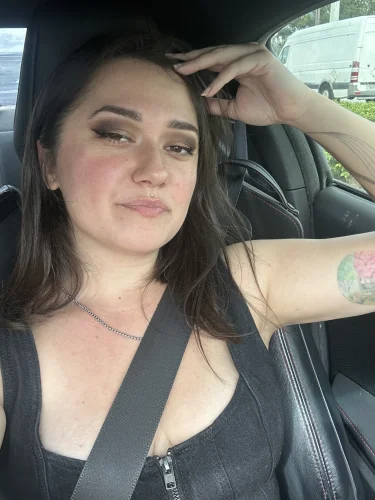


The Work
 Joshua Gallant
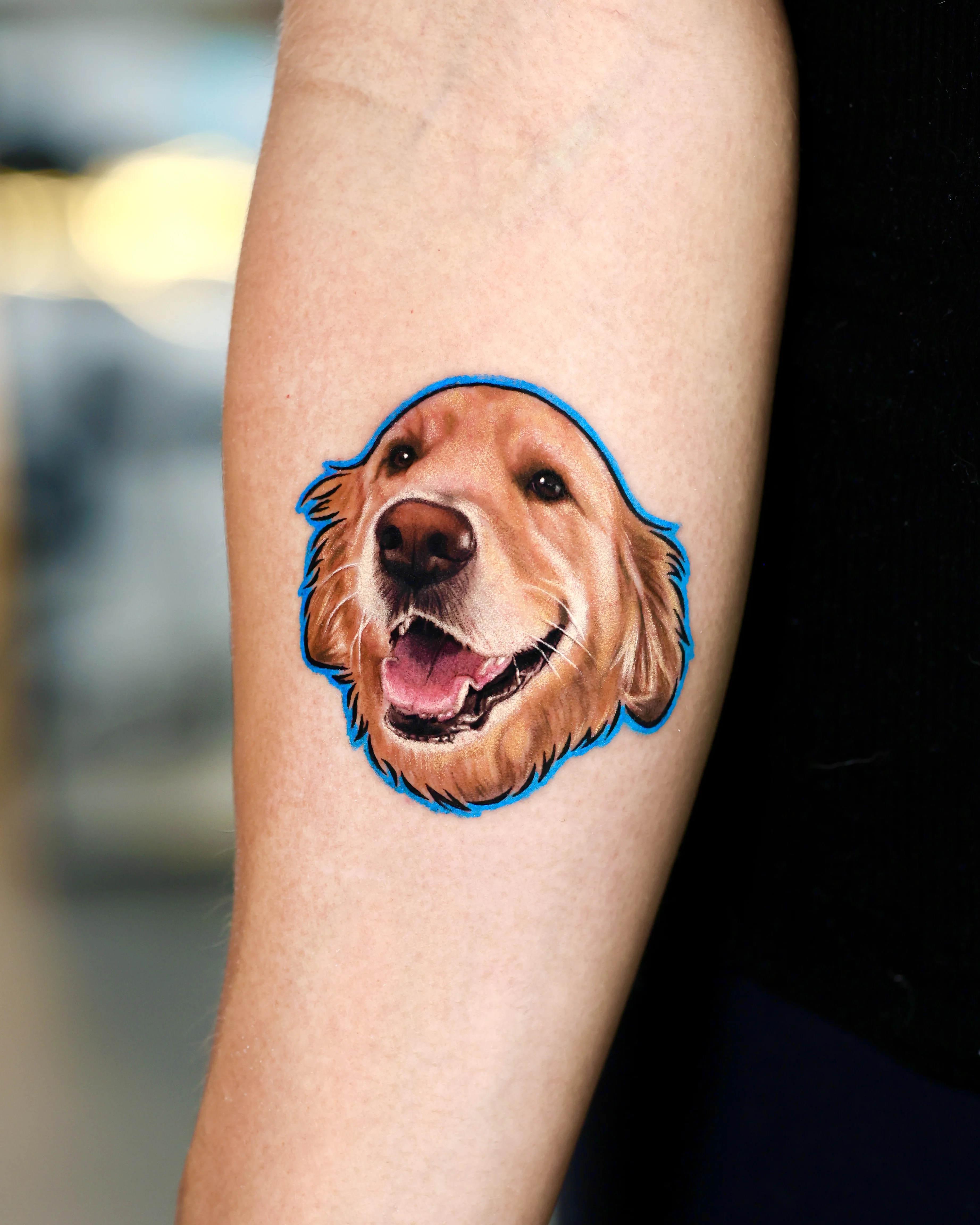 Dokhwa
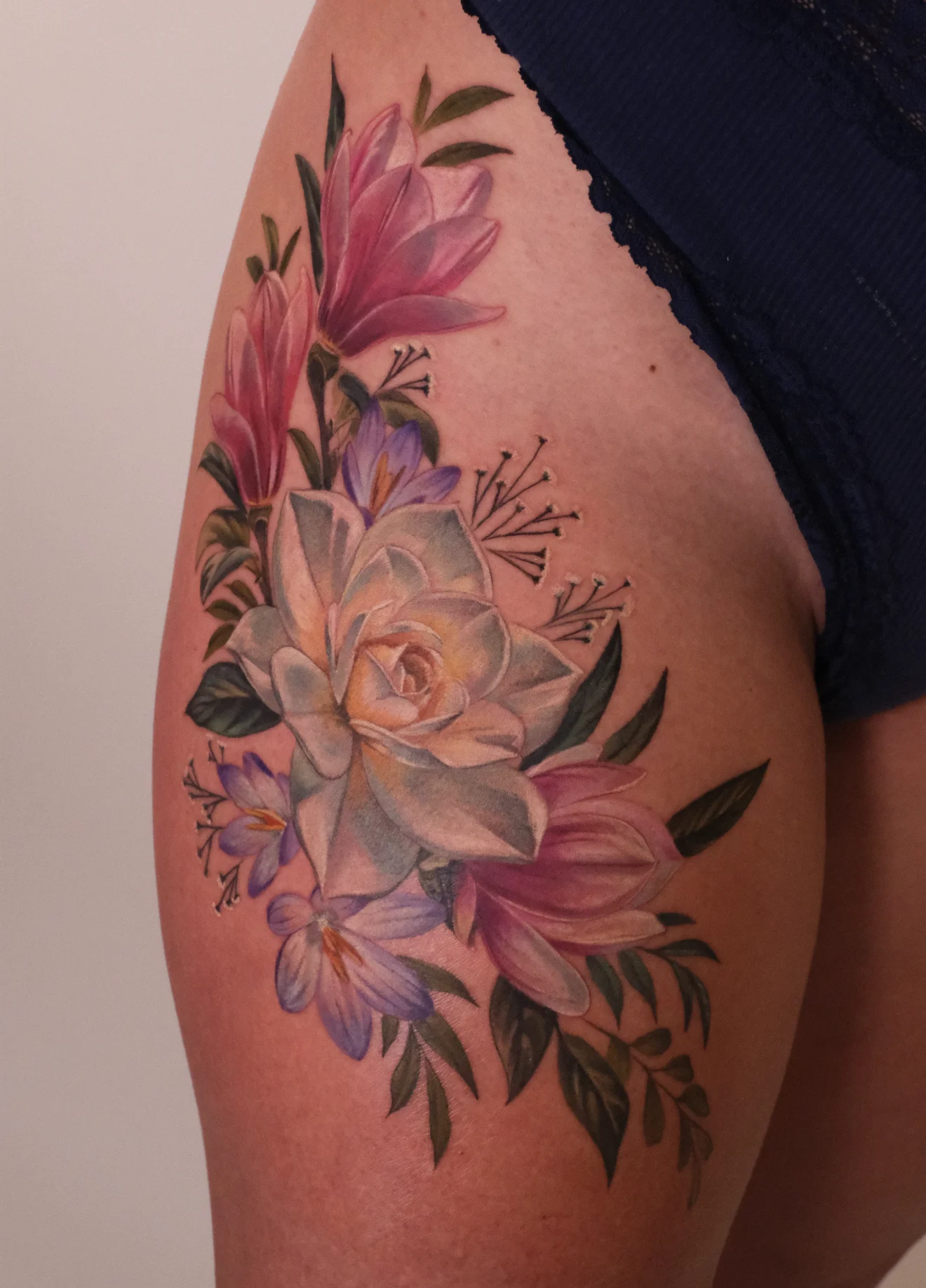 Valeriatattooing
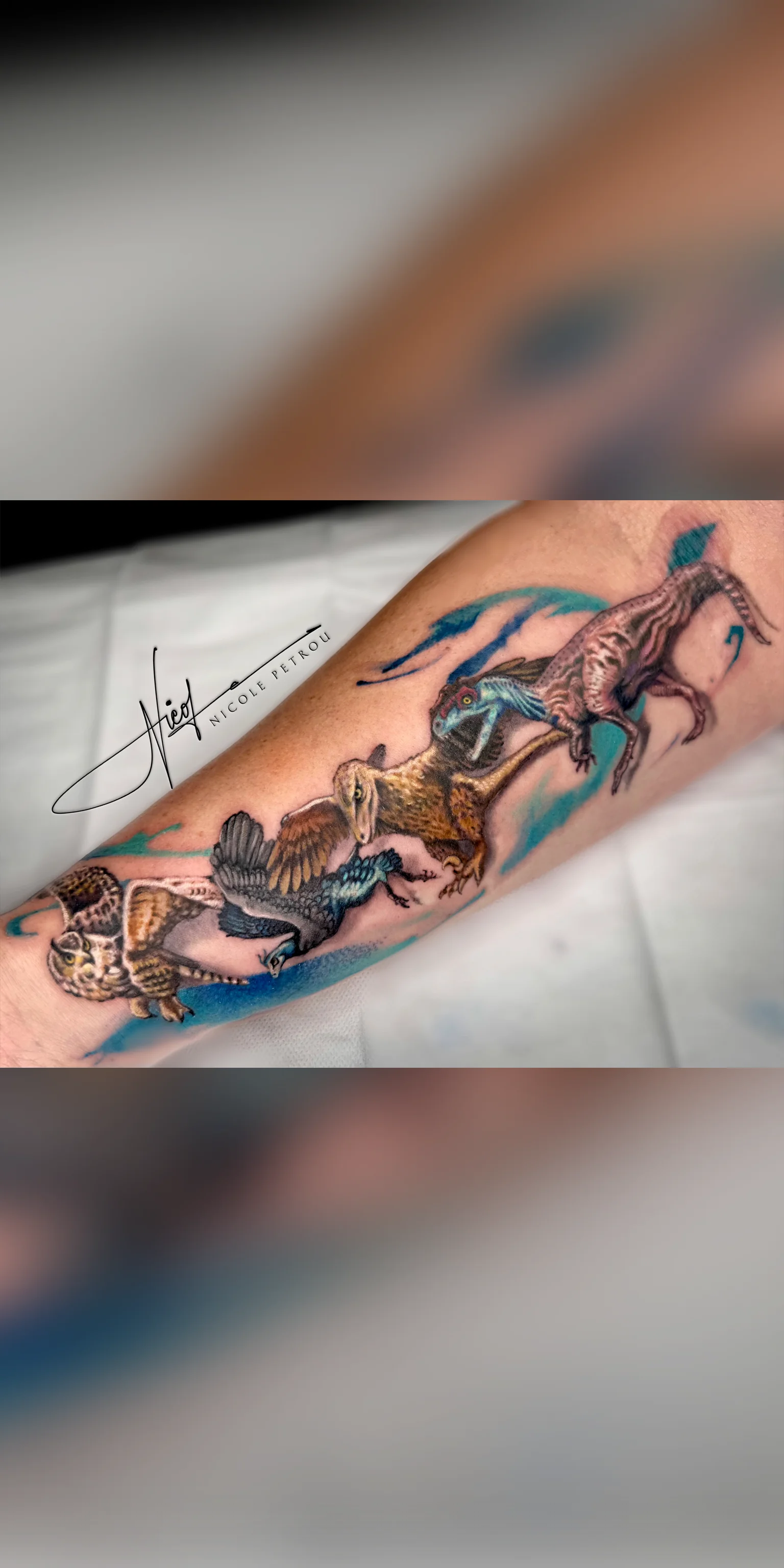 Nicole Petrou
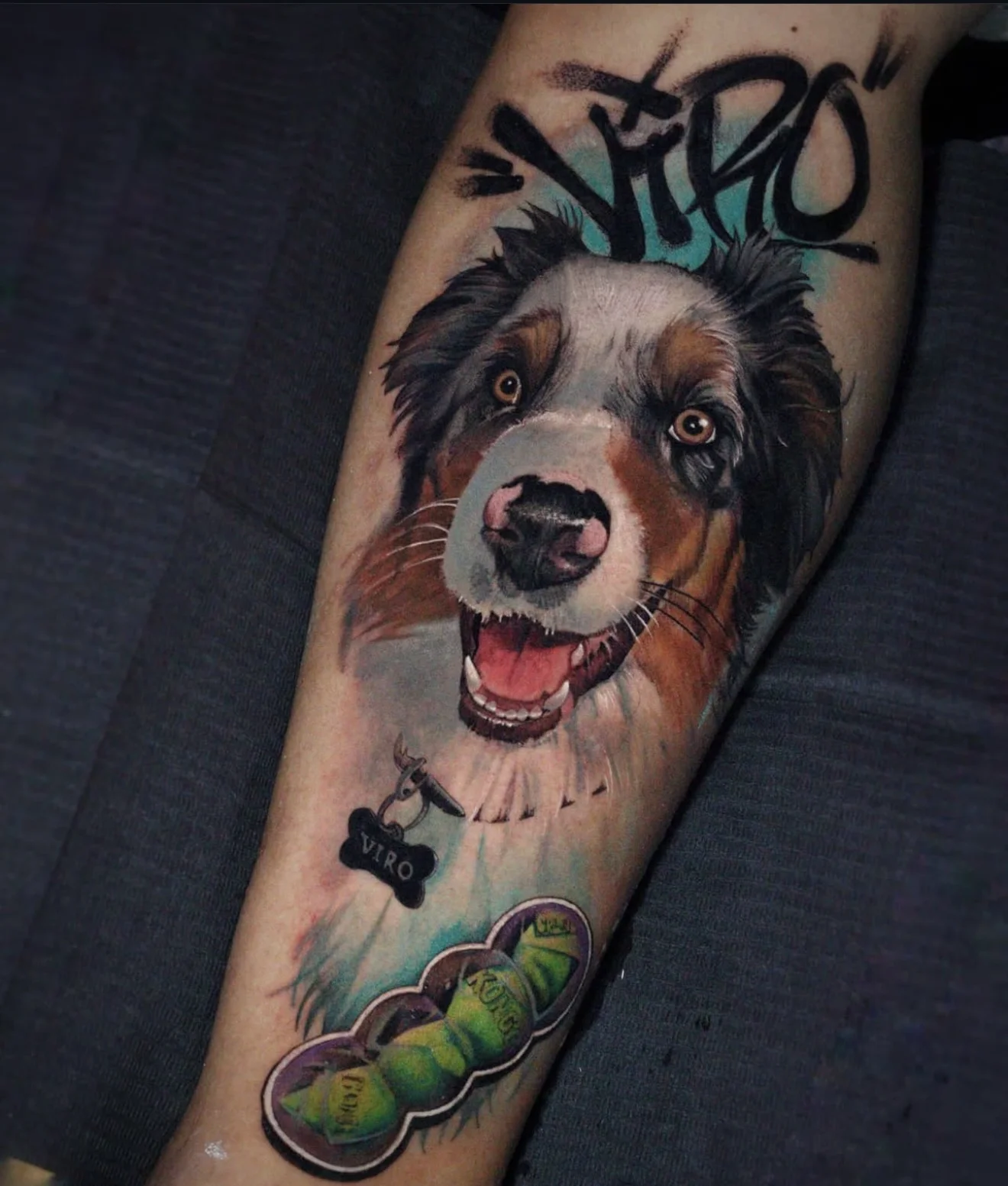 Cesar Pinto
 Kerasu
 Q tattoo
 Amber Joy
 Slava Bodrov
 Nikko Hurtado
 Alex Moro
 Umid Panahov
 Yomico Moreno
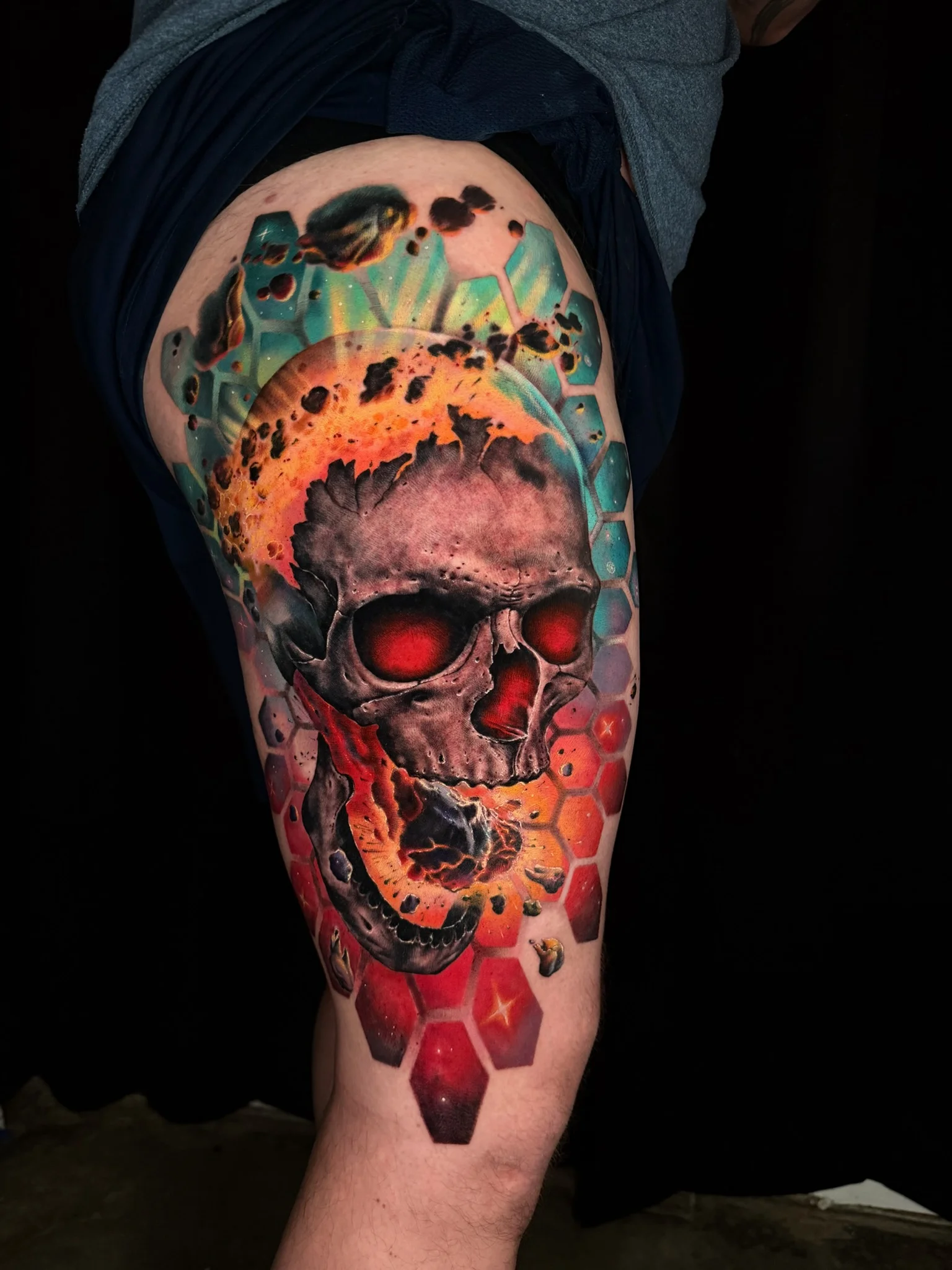 Stephanie Heffron
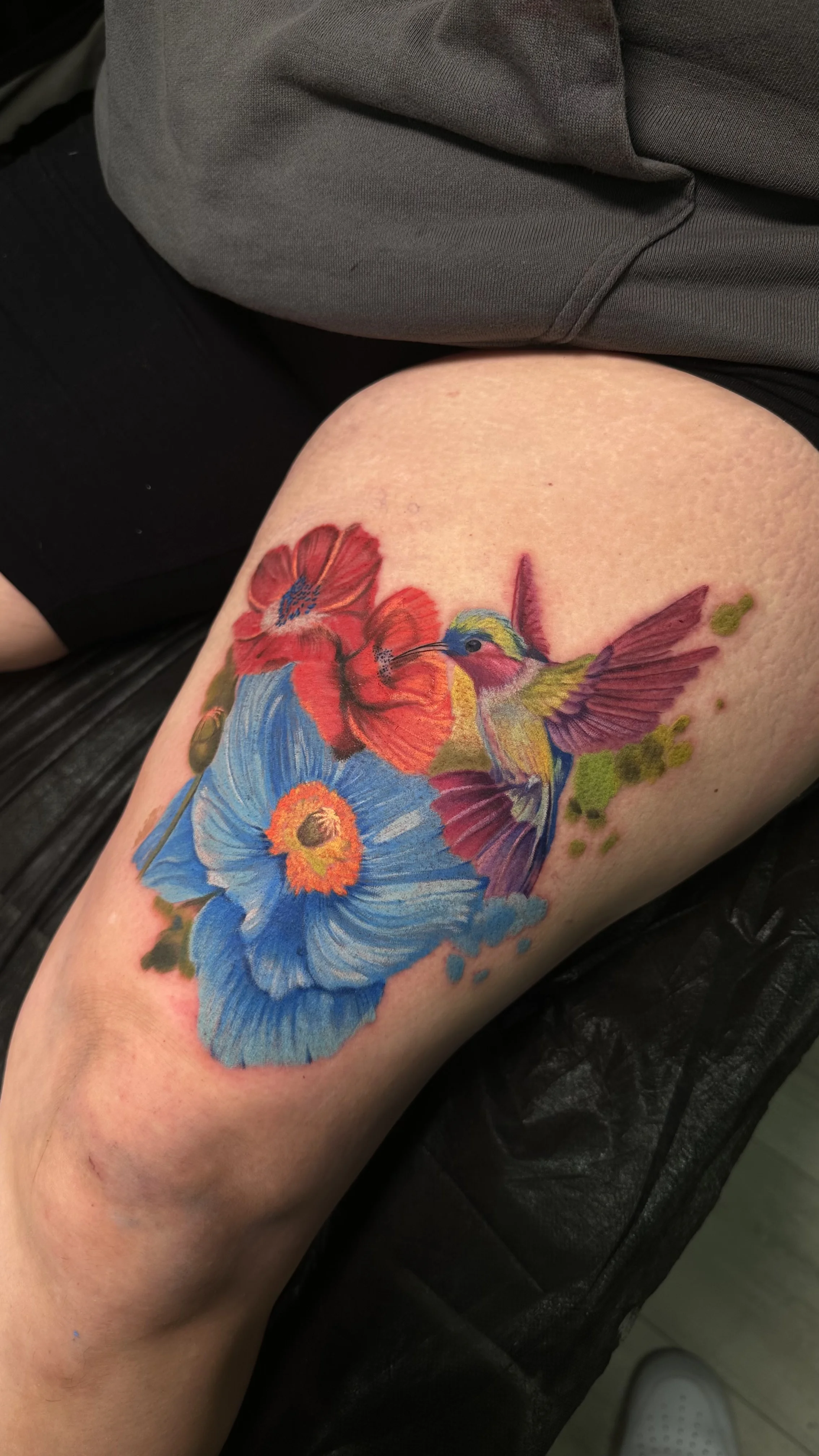 Ser. Alex
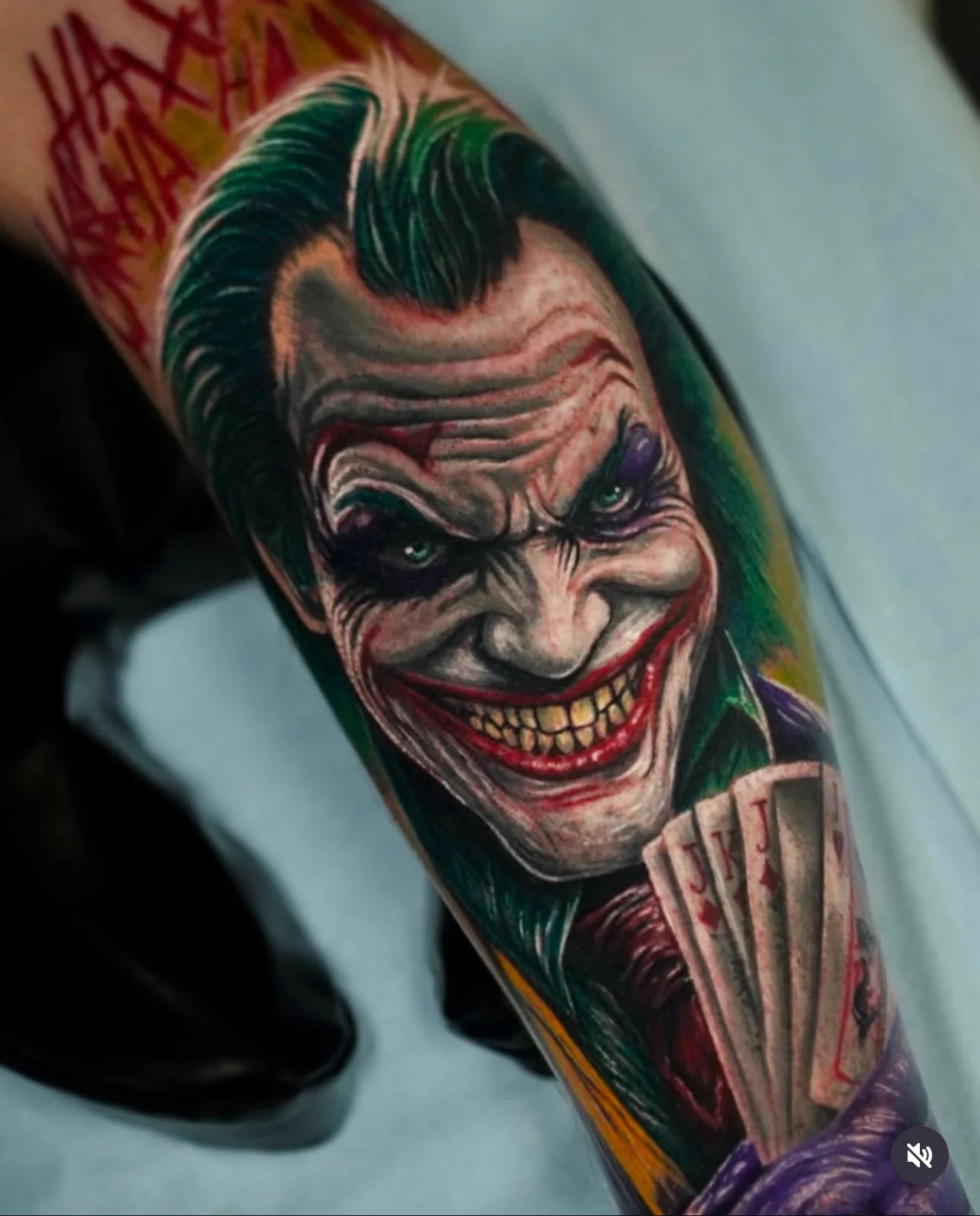 Arte de José Manrique
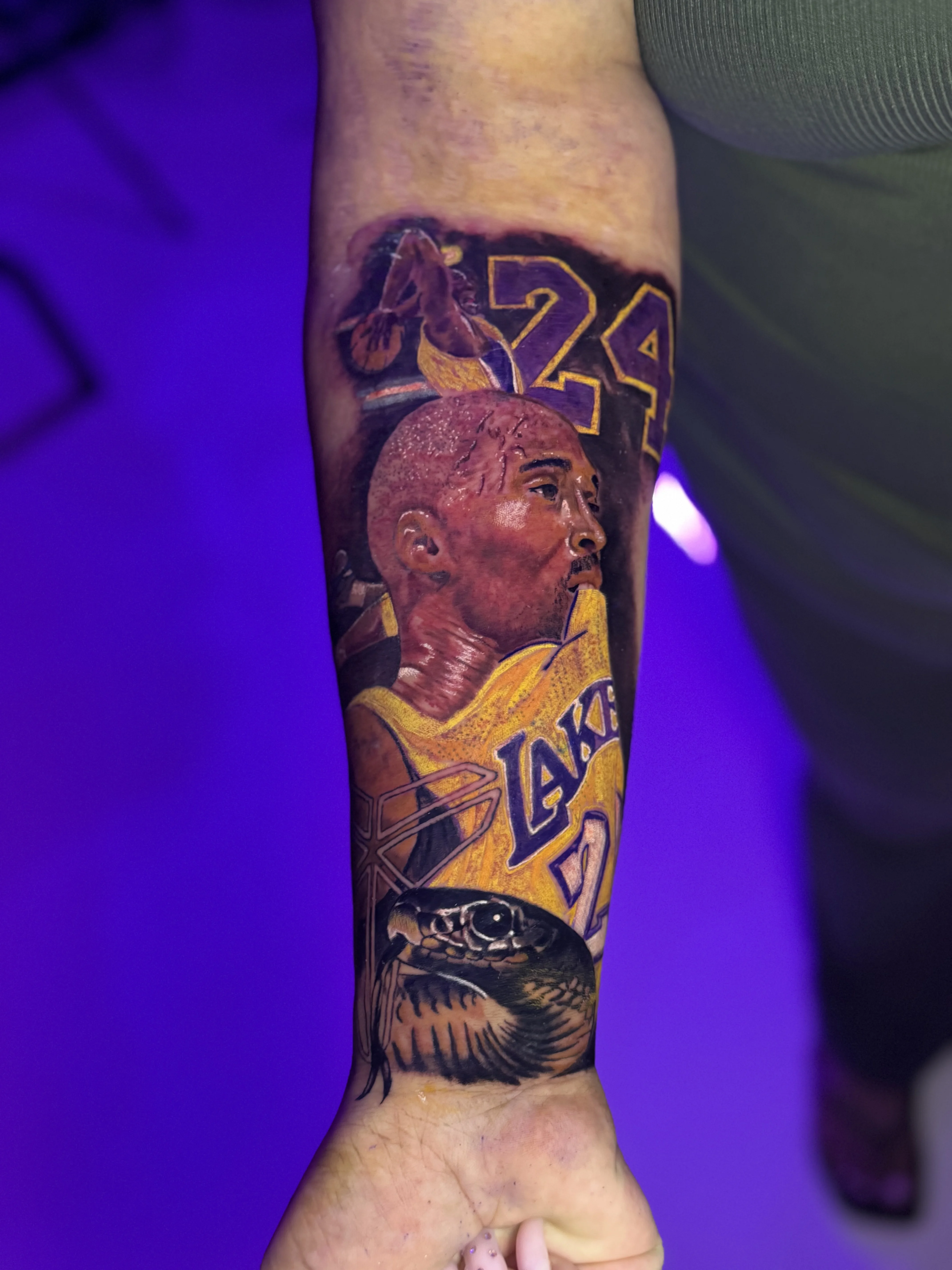 Sailor_tatts
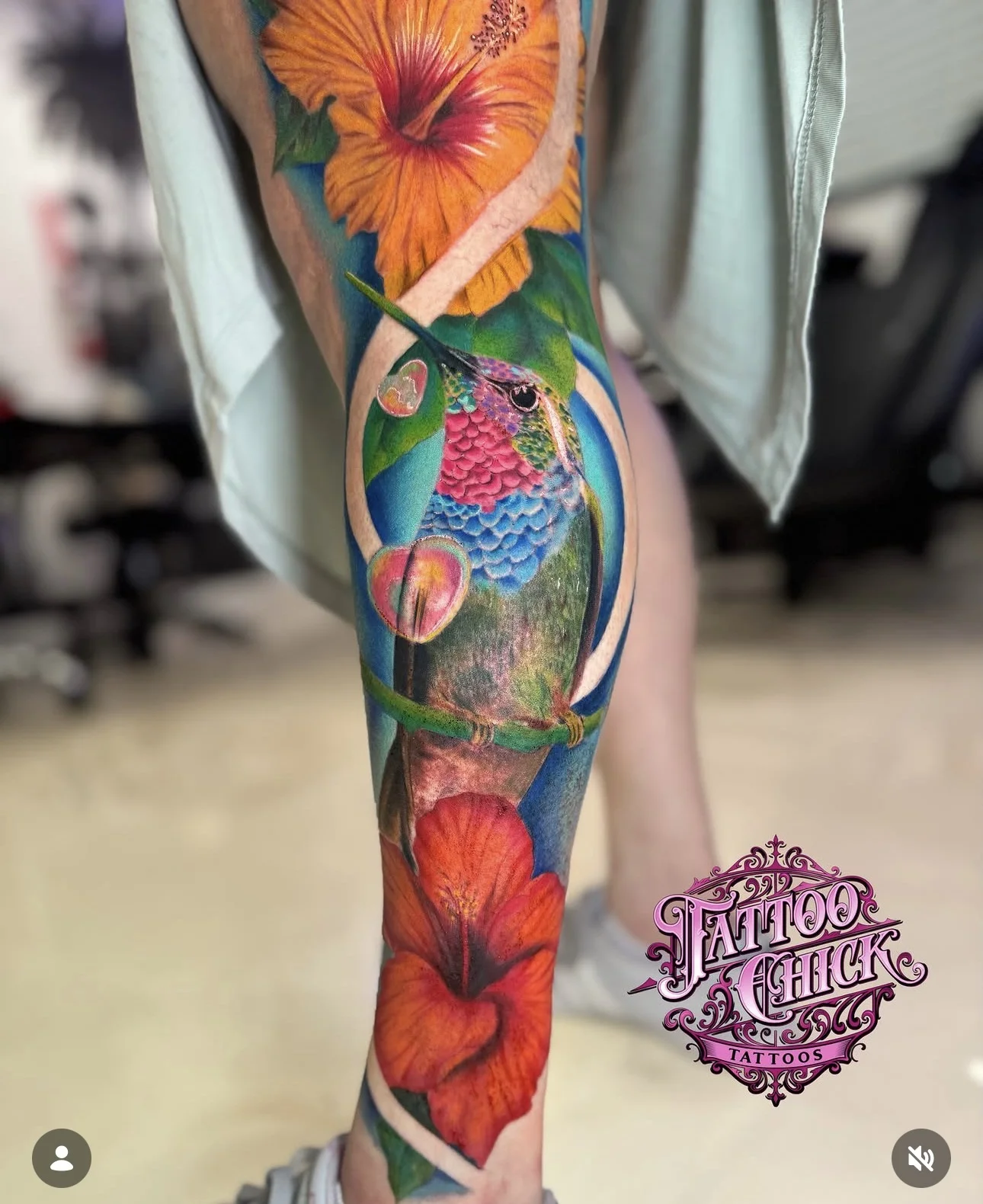 Tattoo Chick
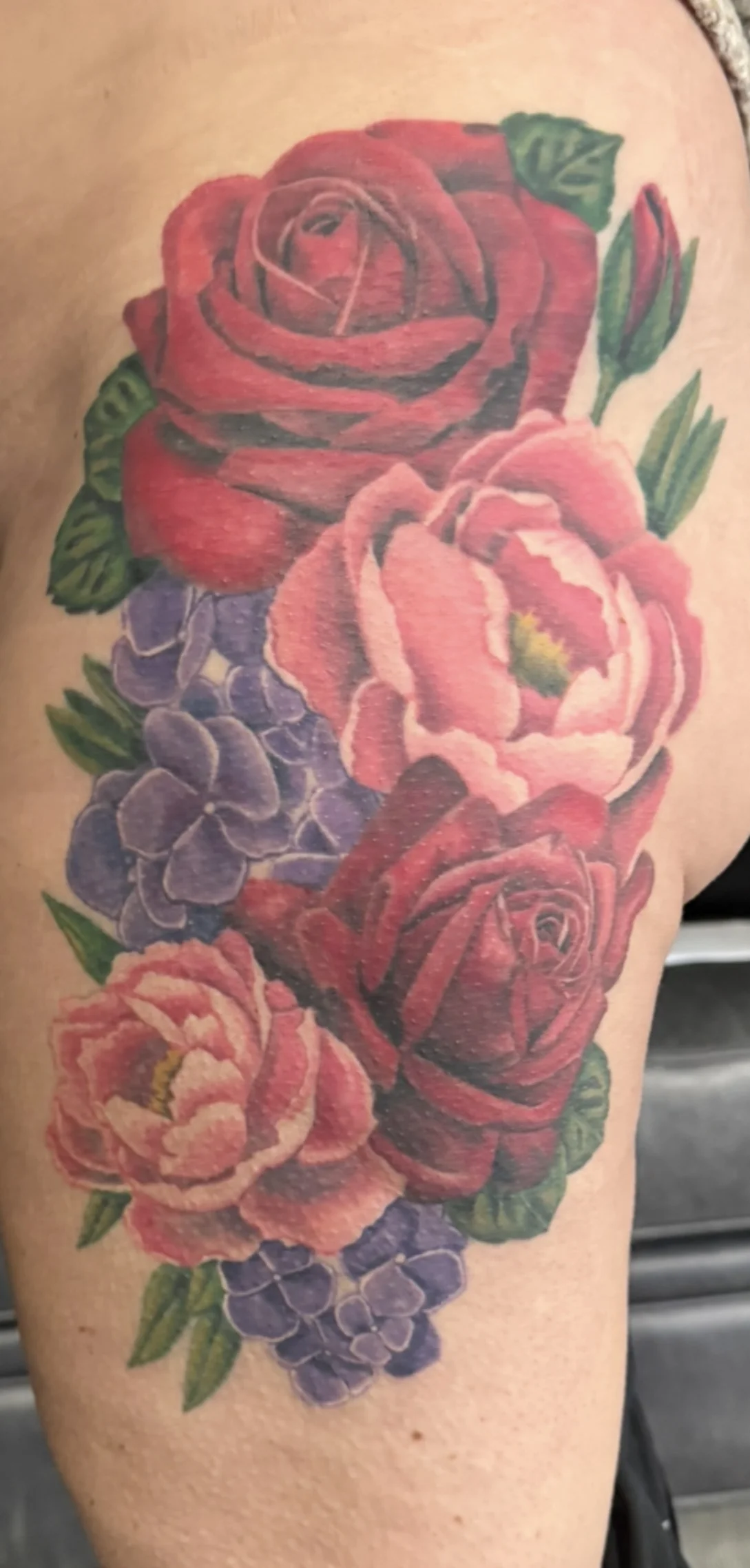 Crystal Alexandria
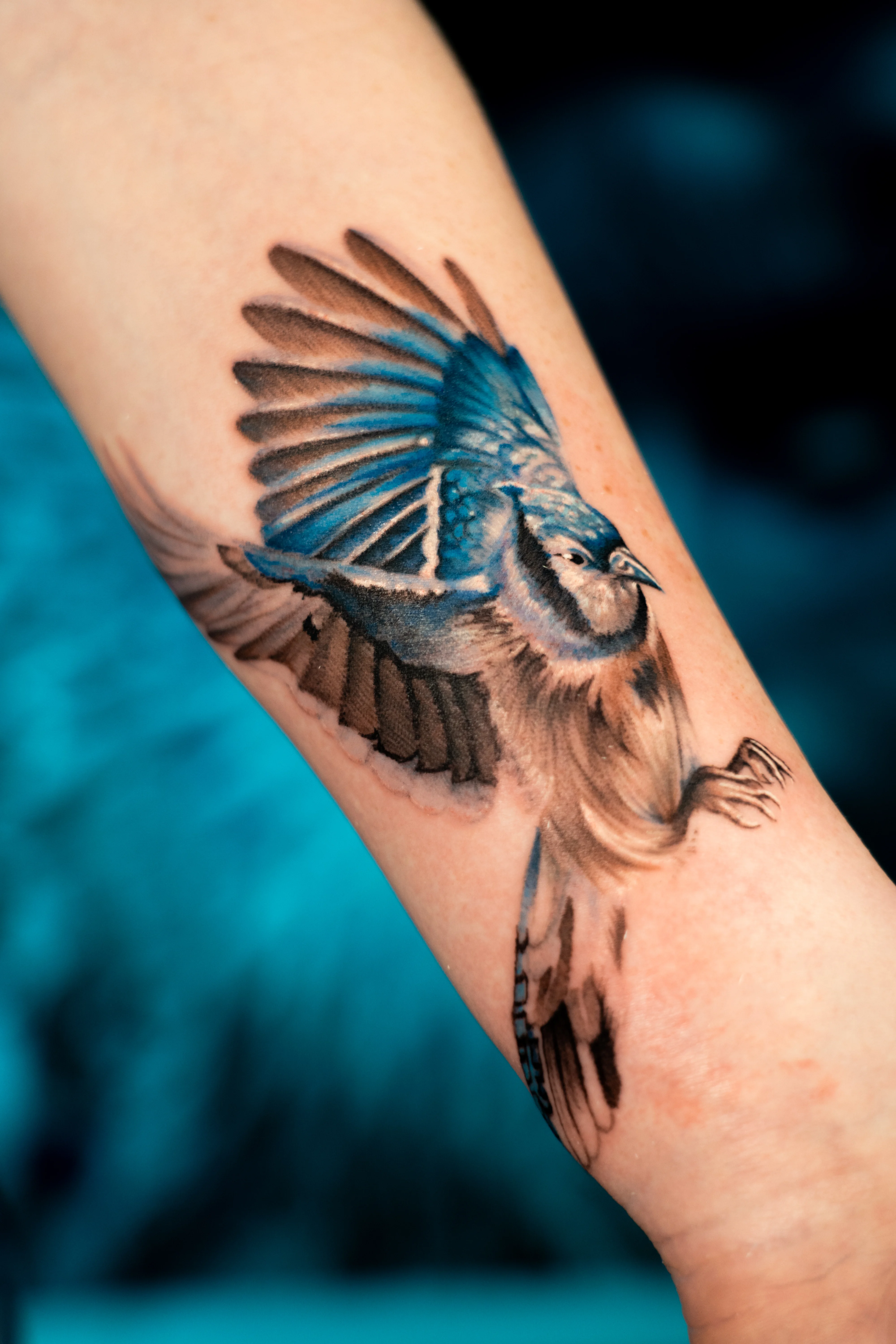 Cynth
Cynth
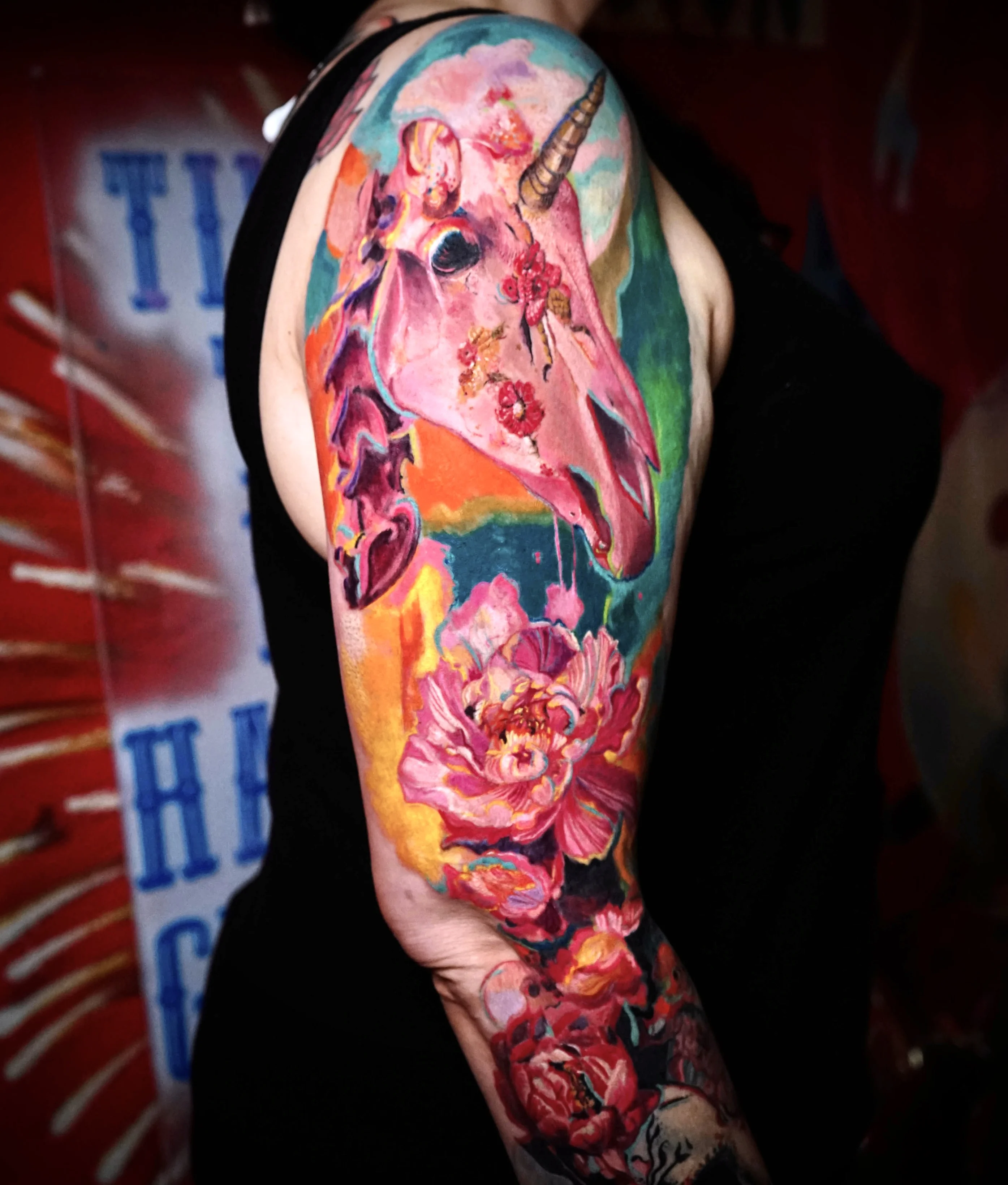 Nyahzul
 Bbydee
 Pierre Bustos
 Jerry Magni
 Patrick Dunaway
 Aleksandra Stojanoska
 Sherri Anne Austria
 Joshua Gallant
 Dokhwa
 Valeriatattooing
 Nicole Petrou
 Cesar Pinto
 Kerasu
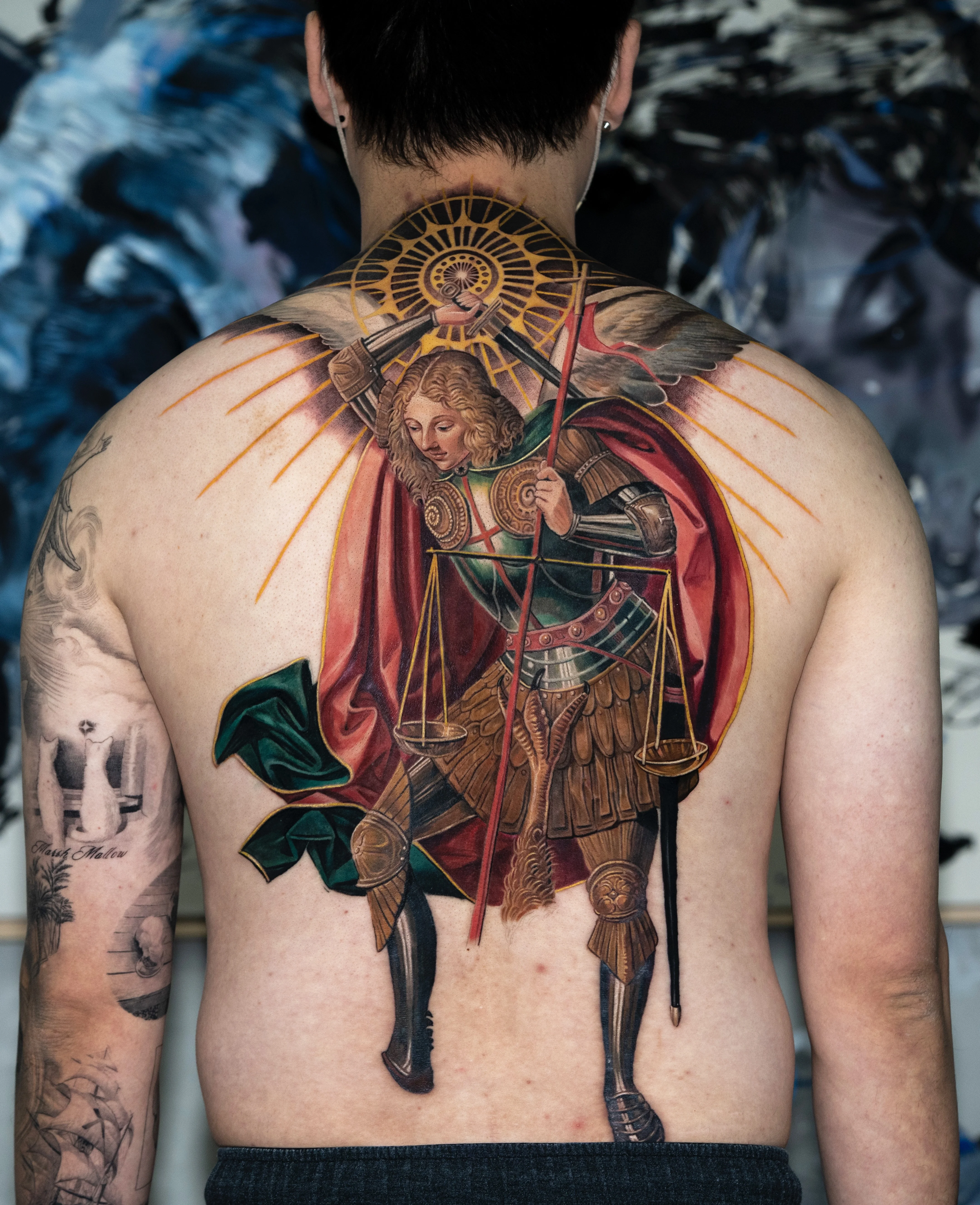 Q tattoo
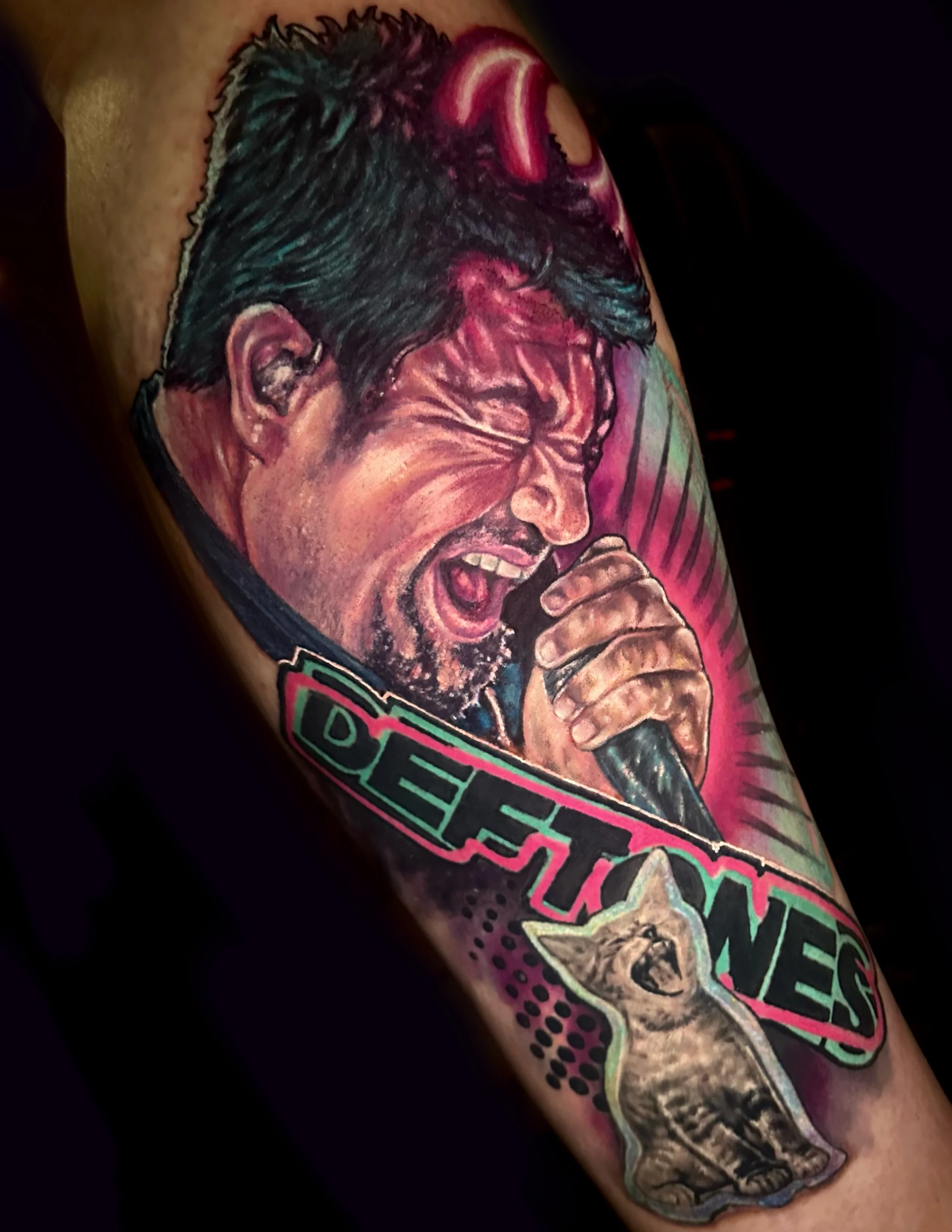 Amber Joy
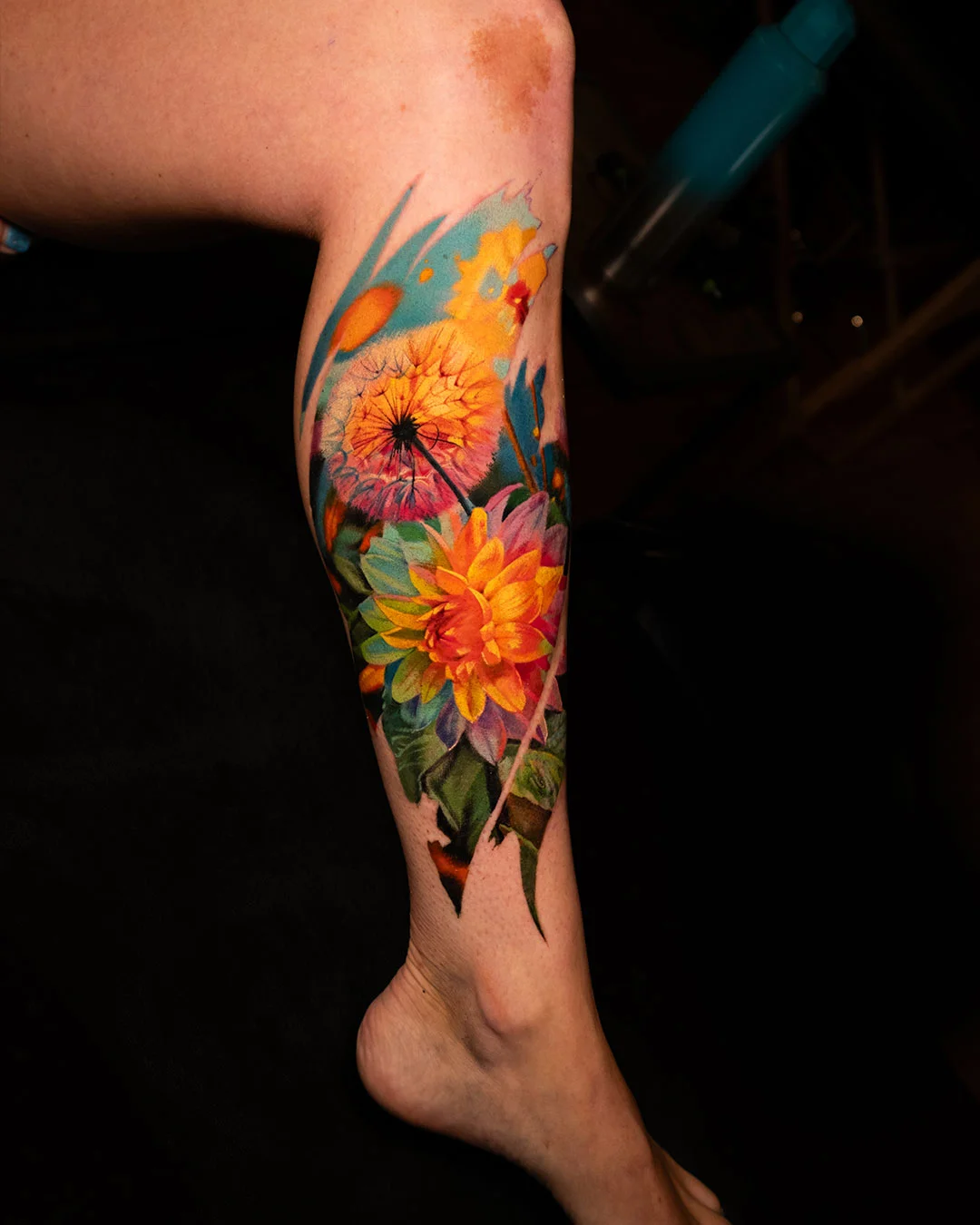 Slava Bodrov
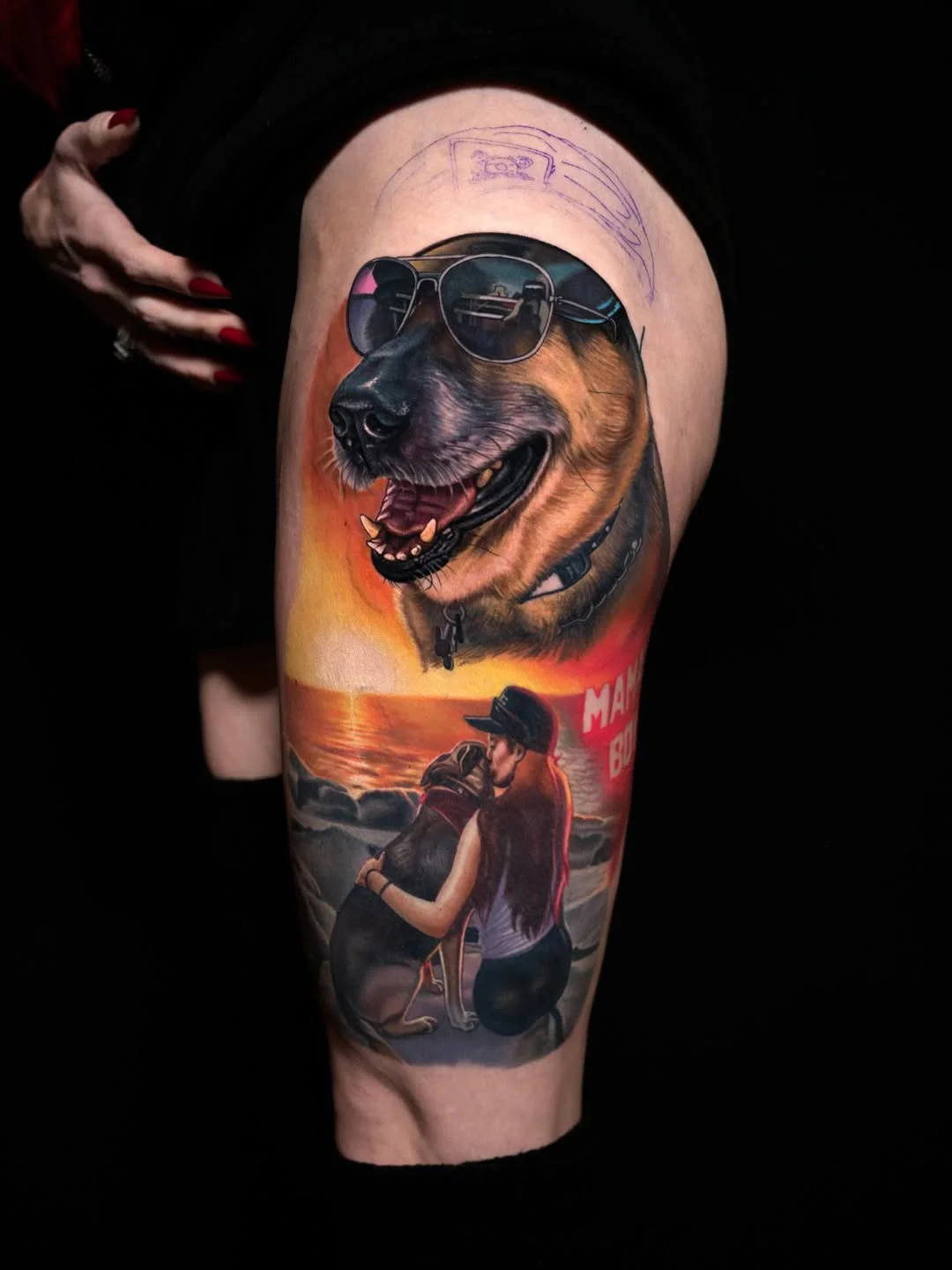 Nikko Hurtado
 Alex Moro
 Umid Panahov
 Yomico Moreno
 Stephanie Heffron
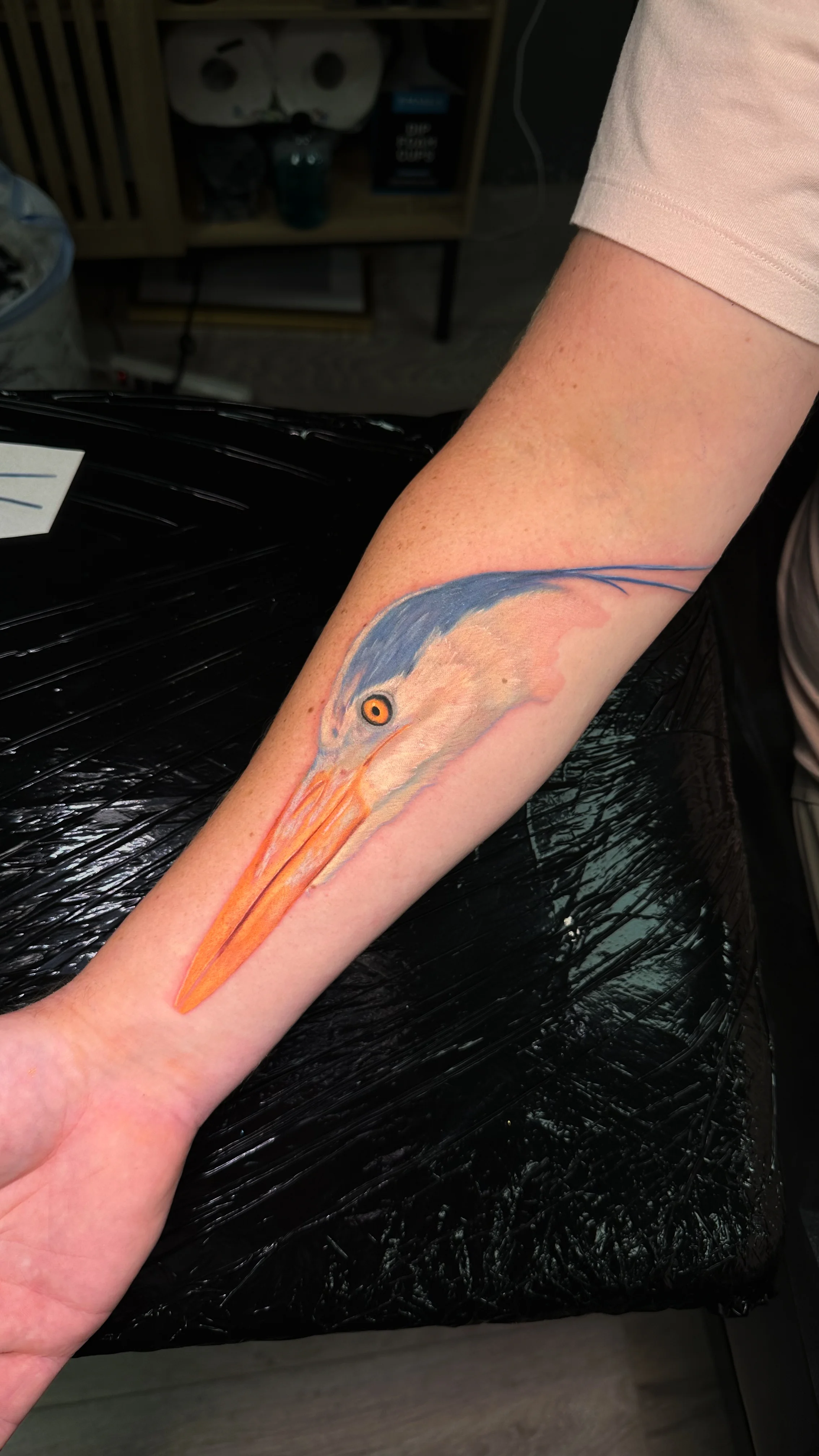 Ser. Alex
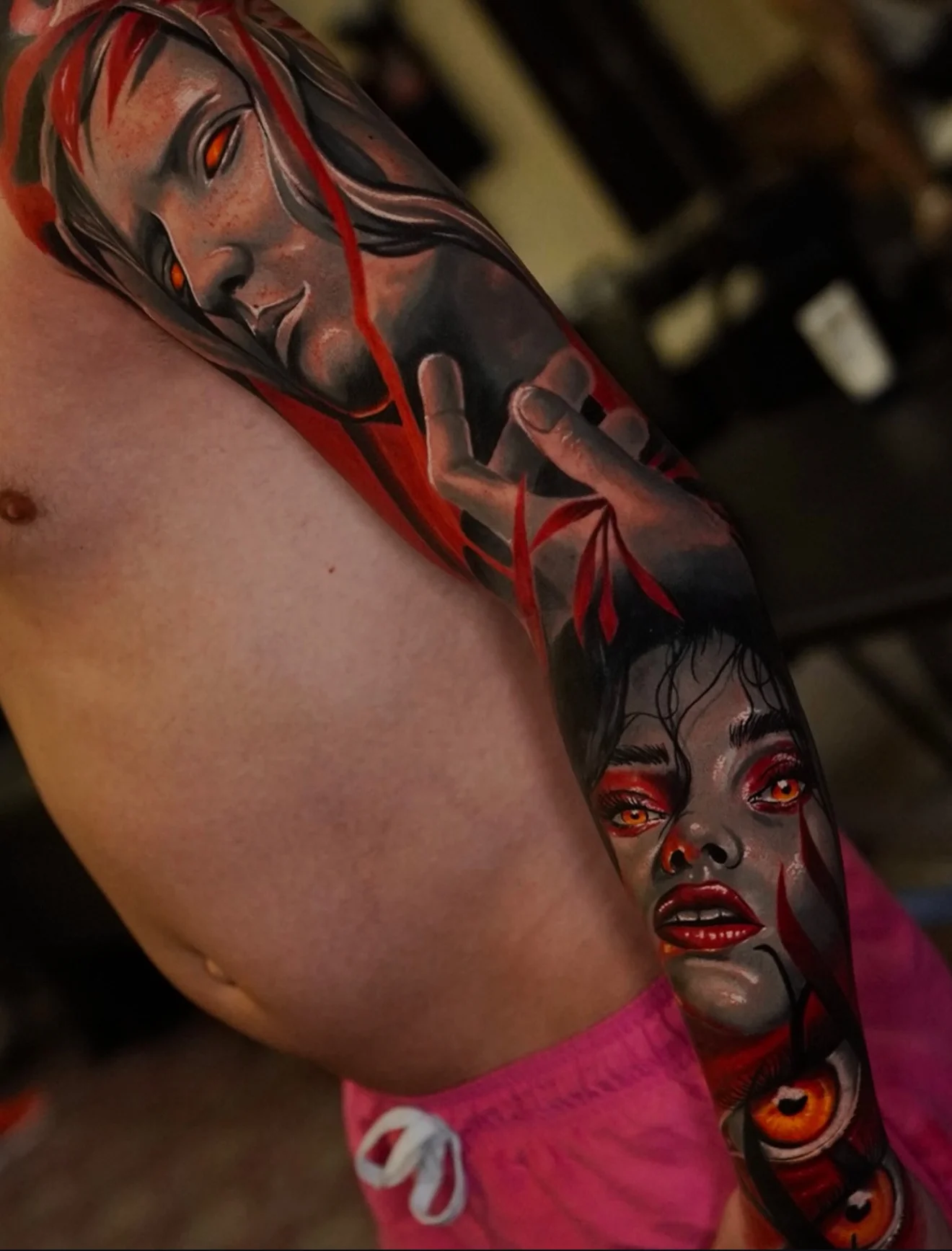 Arte de José Manrique
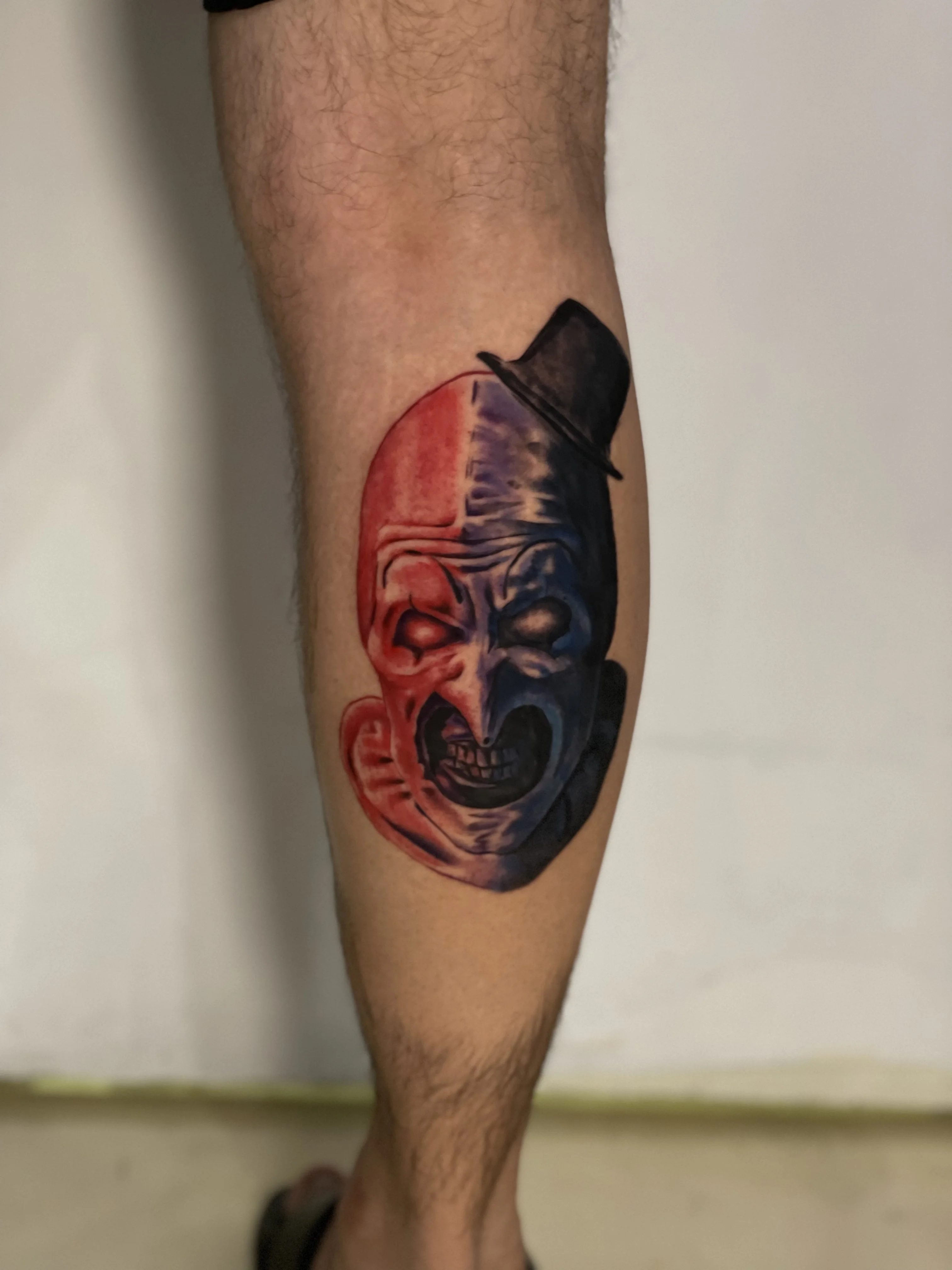 Sailor_tatts
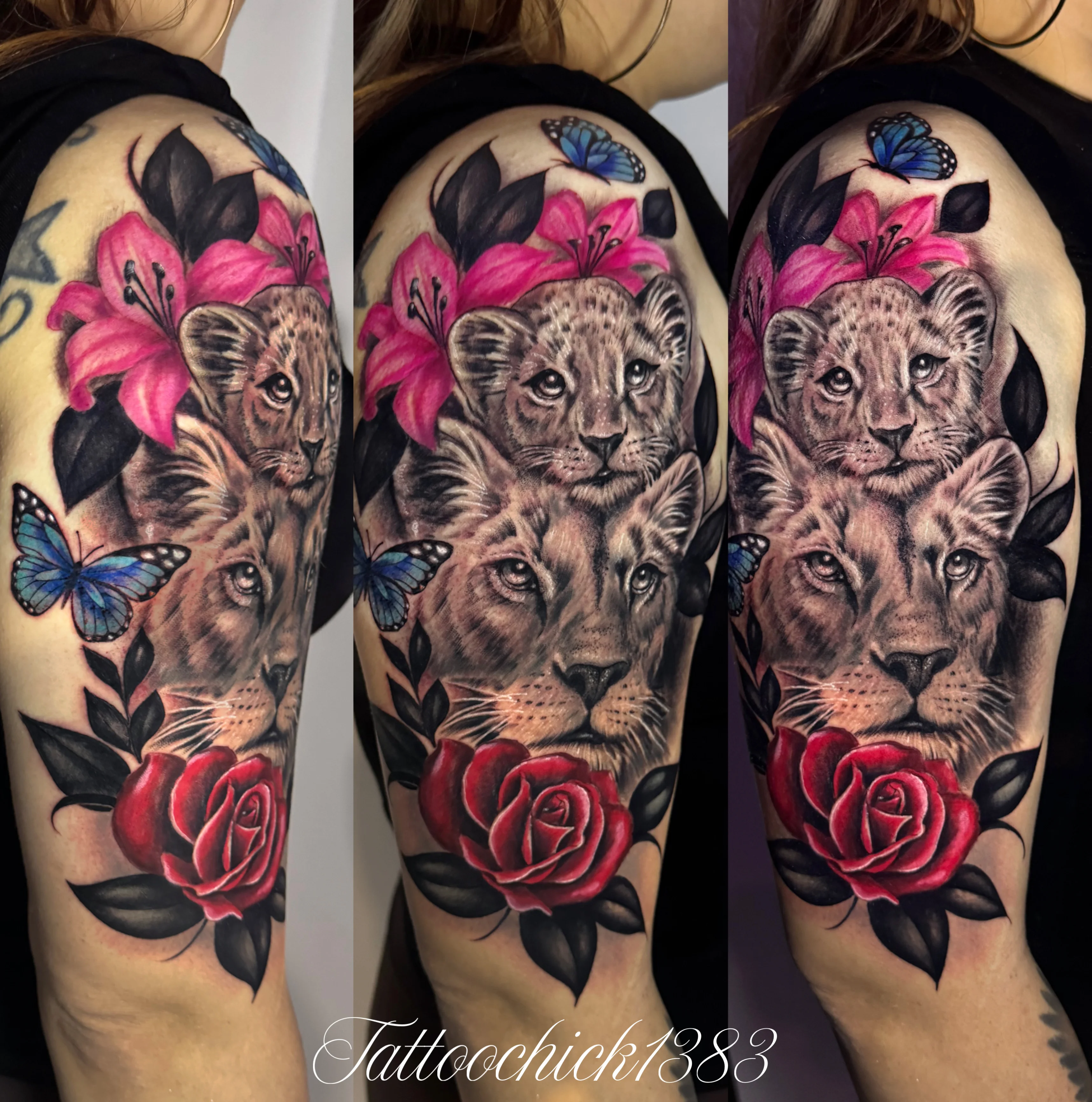 Tattoo Chick
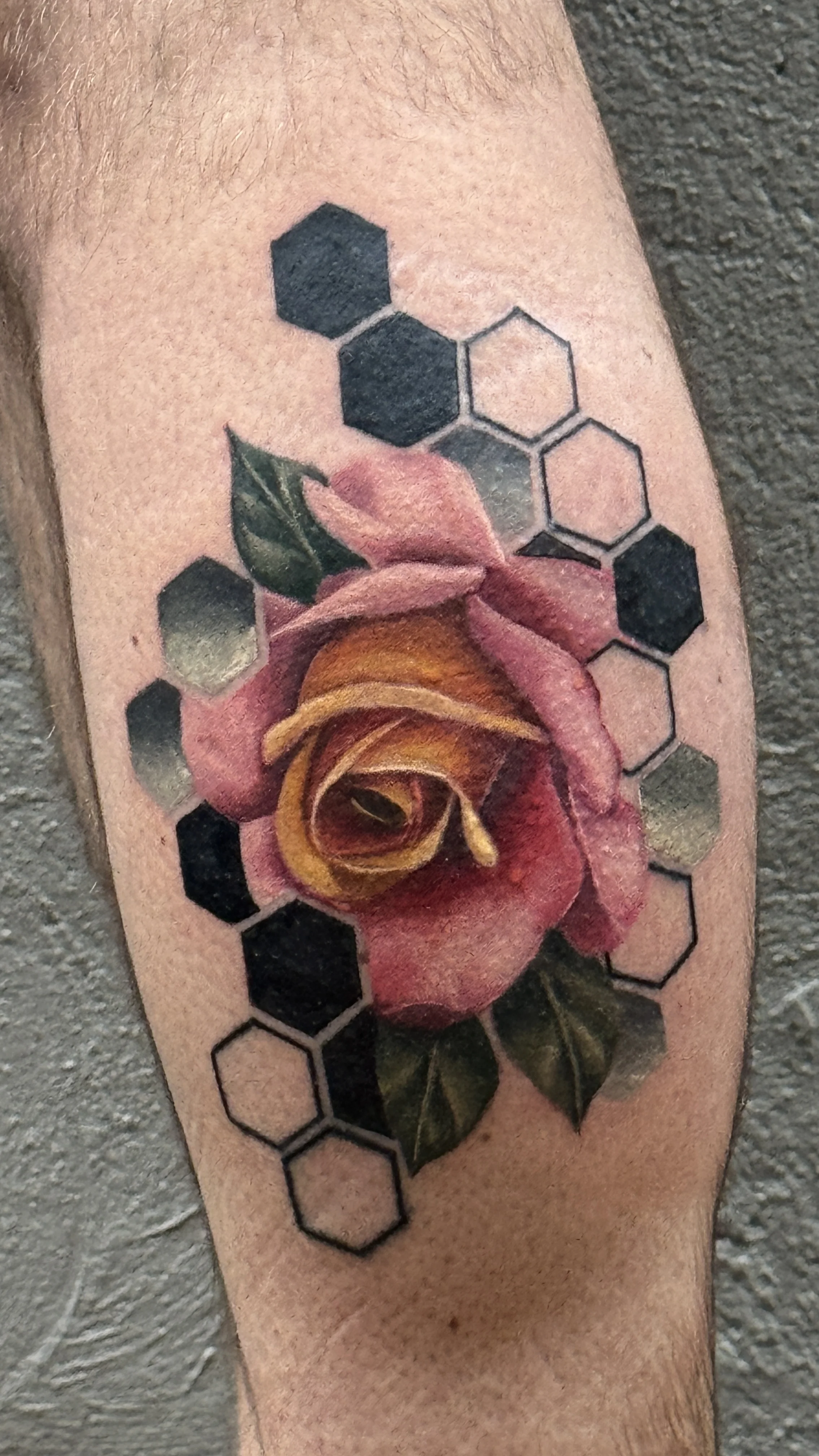 Crystal Alexandria
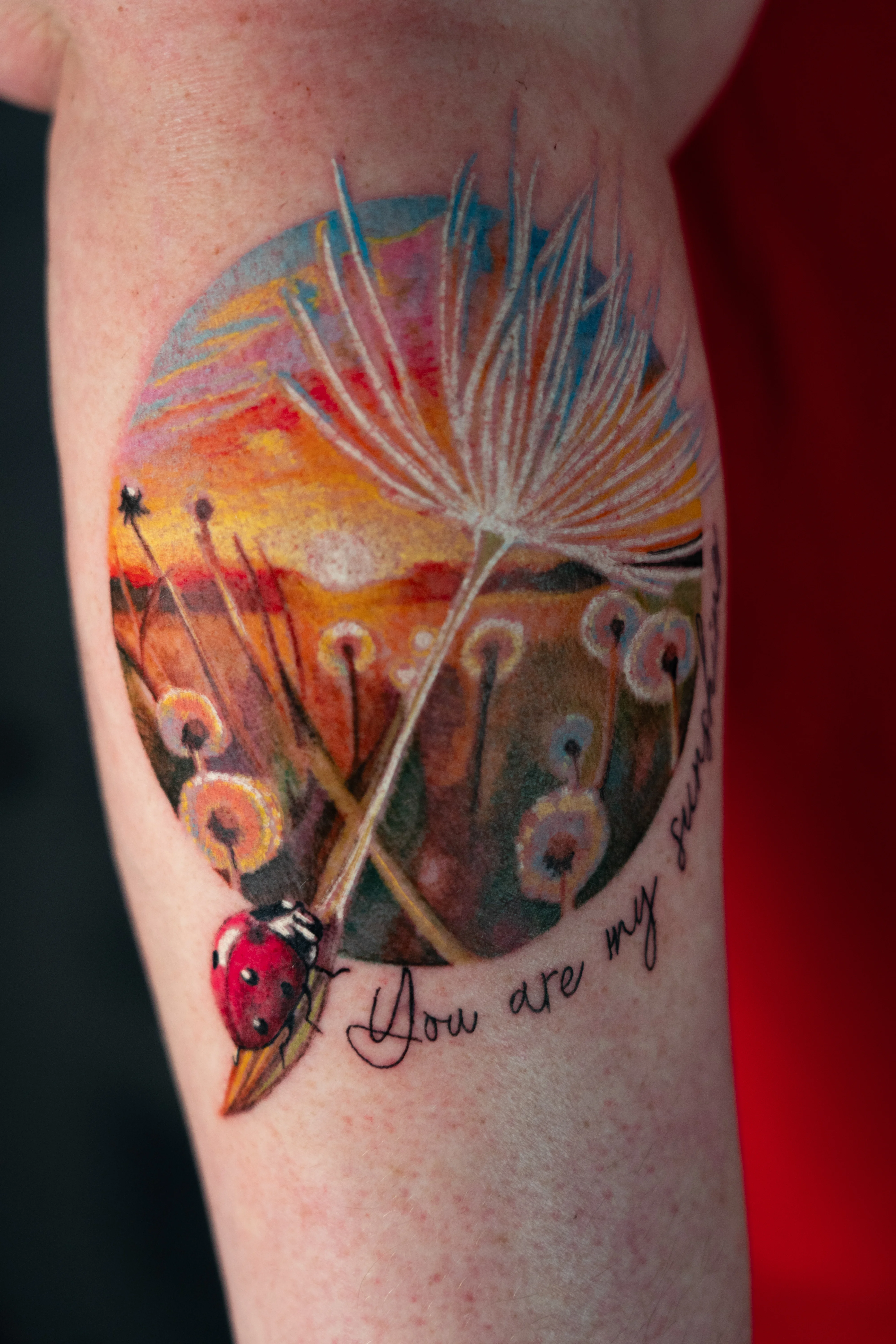 Cynth
Cynth
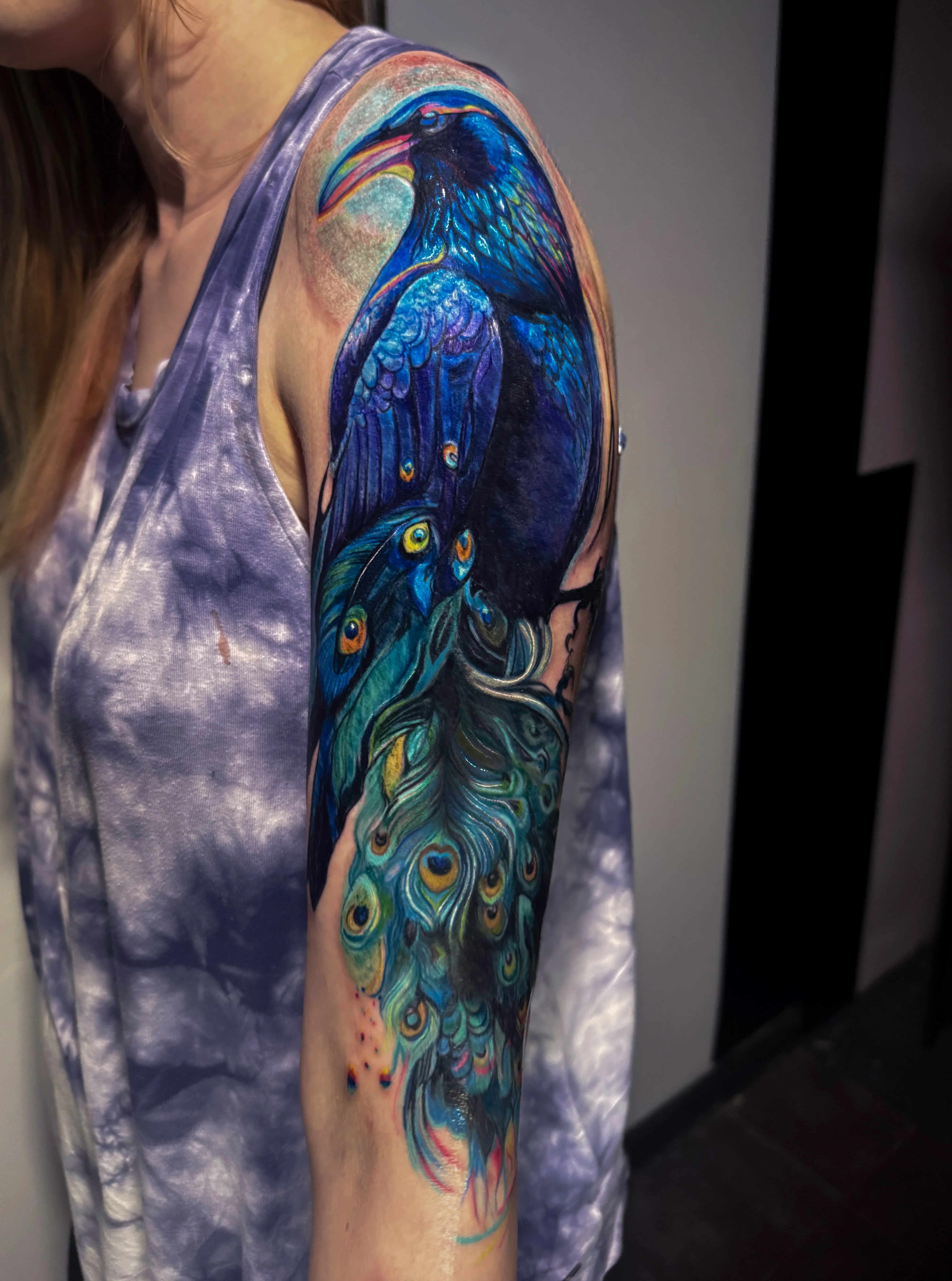 Nyahzul
Common Questions
What is a color realism tattoo?
It's photoreal tattooing in full color. The artist blends and layers color so the image reads like a photograph, which suits portraits, animals, flowers, and scenes where color carries the realism.
How do I find the best color realism tattoo artists?
Look for smooth color blending, choices that account for skin tone, and healed photos from a few years out that still look clean. On Freshly Inked you can browse color realism work and open each artist's full portfolio.
Do color realism tattoos fade?
All color fades somewhat over time, and some pigments fade faster than others, especially in the sun. Strong contrast, good size, sunscreen, and an occasional touch-up help color realism stay vivid.
Is color realism harder than black and gray?
Many artists consider it more demanding, because they have to plan for how each color heals and settles over skin tone, in addition to the rendering itself.
Can you get a color realism neck tattoo?
Yes, neck pieces are a common request. Talk with your artist about size and sun exposure, since visible, sun-exposed areas affect how color holds up over time.
What subjects work best in color realism?
Portraits, animals, flowers, landscapes, and anything where the color itself is a big part of the image tend to work best.